_1764041963888.webp)
What to Know Before Buying Echinacea Extract Powder?
Apr 26, 2026
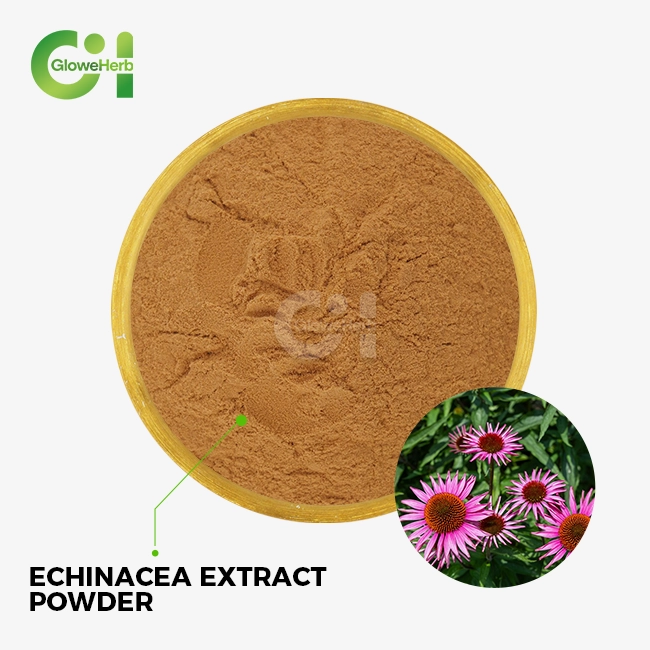
To buy good echinacea extract powder, you need to know a lot about how to standardize plants, how to extract them, and how to maintain a transparent and traceable supply chain. As a business-to-business buyer, you need to focus on active ingredient profiles, especially chicoric acid amounts, to make sure that the immune-supporting effects of your finished pills or drinks live up to their promises. By learning the differences between Echinacea purpurea and Echinacea angustifolia, you can choose the phytonutrient profile that best fits the product functional positioning of your brand. BioSpark (Xi'an) Biotechnology Co., Ltd offers standardized, HPLC-tested chemicals that meet these intricate industry needs. This makes sure that your formulations always have the right amount of strength, purity, and legal compliance for markets around the world.
Understanding Echinacea Extract Powder: Overview and Key Benefits
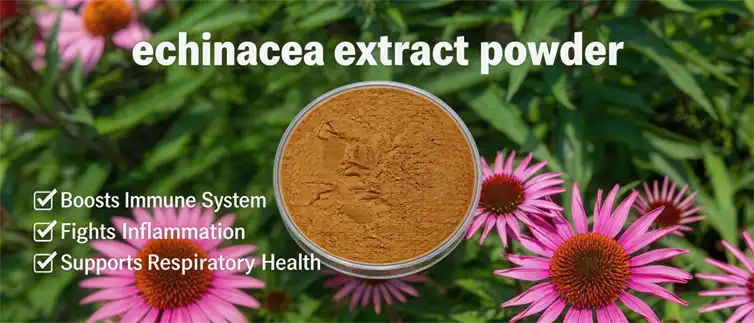
There are many kinds of plant chemicals on the market, but picking the right echinacea extract powder is important for the effectiveness of the product. Most of the time, these extracts come from Echinacea purpurea, which is liked for having a good mix of polysaccharides and caffeic acid conjugates, or Echinacea angustifolia, which is liked for having a lot of alkylamides. These changes in plants have a direct effect on the biological function of the product you make.
New study backs up the idea that this echinacea extract powder can modulate immune function. It helps the body's natural defenses by increasing the activity of macrophages and cytokines during production. Regularly taking standardized echinacea extract powder has been shown in clinical studies to support respiratory health during seasonal changes. This makes it an important addition for immune support formulas that are used all year.
Evaluating Quality and Forms of Echinacea Extract Powder
The extraction method is the first step in judging the quality of echinacea extract powder. Modern methods for supercritical fluid extraction and membrane separation protect chemicals that are sensitive to heat. As a measure for how strong something is, you should always ask for a Certificate of Analysis (COA) that says it has at least 4% chicoric acid.
Managers in charge of buying things must make sure that the seller follows foreign rules, such as ISO and GMP certifications. Organic-certified echinacea extract powder has a high place in the market and is appealing to people who care about their health. But non-organic options can also meet high quality standards if the company tests them thoroughly for heavy metals, herbicides, and microbes that could be harmful to consumers. This way, all batches of the product are safe for them.
Safe Usage and Dosage Guidelines for Echinacea Extract Powder
To be added to different formulas, the dose per serving of echinacea extract powder needs to be carefully calculated. According to scientific research, producers should aim for concentrations that are similar to those found in human clinical trials when using a standardized 4% chicoric acid extract to make sure the product works.
This extract dissolves easily in water, so it can be easily added to health shots, functional teas, and . But natural flavorings must be added to smooth out the slightly sour and tingly feeling that comes from alkylamides. Effective formulation makes sure that the end user has a nice sensory experience while also getting the full health benefits of the echinacea extract powder's natural antioxidant properties.
Procurement Considerations: How to Source Bulk Echinacea Extract Powder Efficiently
Finding makers with stable supply lines is key to making sourcing more efficient. You need a partner who can consistently provide high-purity ingredients, even if biomass changes with the seasons.
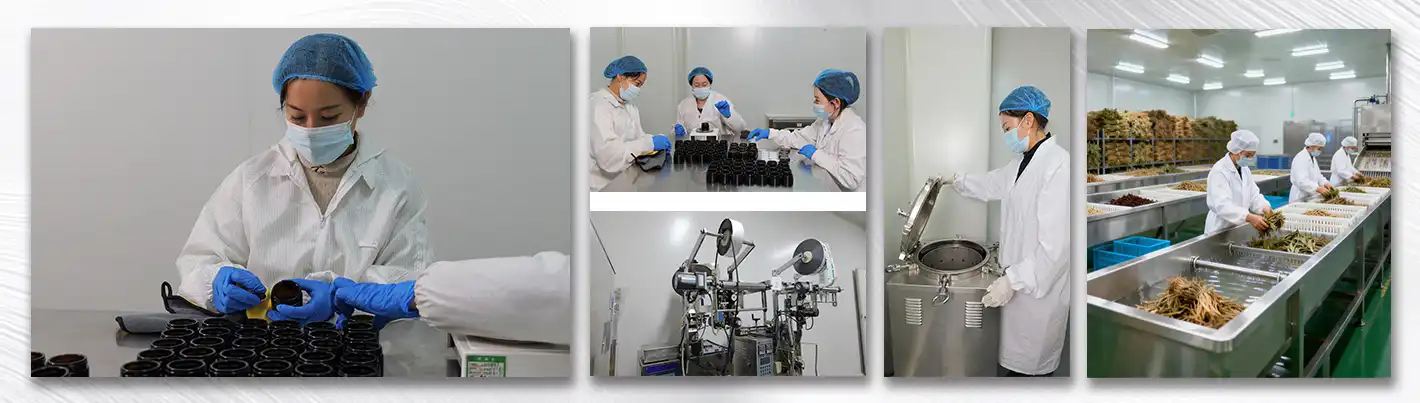
Supplier Provenance: Finding out where the echinacea extract powder comes from is important because it ensures that the powder is made in a GMP-compliant production workshop. You can follow materials from the source of the raw botanicals all the way to the 25 kg drum with BioSpark's full openness. This amount of traceability is important for keeping brand trust in the European and North American supplement markets, which are very controlled.
Pricing and Capacity: The quality of the extraction should be reflected in the wholesale price methods. There may be low-cost choices, but they often don't have the 4% chicoric acid standards needed for functional efficacy claims. You can go from small pilot runs to large-scale business production without affecting lead times or the quality of your echinacea extract powder because the production capacity is flexible.
Procurement experts can get long-term contracts that lower risk by thinking about these key issues. Finding a steady source of high-quality echinacea extract powder helps keep prices and production plans consistent, which is important for protecting profit margins in the nutraceutical business.

Making an Informed Purchase Decision: Balancing Benefits, Risks, and Costs
It takes skill to weigh the health benefits of echinacea extract powder against the cost of the raw materials. If you buy a more powerful extract, you may not need as many excipients, which could lower your total cost per unit of production.
Case studies have shown that companies that use standardized echinacea extract powder in their immune-support products keep more of their customers because the products work so well. You can get your new health goods to market faster if you choose a seller like BioSpark that offers expert help for formulation. By keeping these things in check, you can give customers what they want while still making money for your business.
Conclusion
Selecting the right echinacea extract powder is a smart move that can affect the success of your whole line of immune-support products. You can be sure that your goods meet the high standards of today's health-conscious customers by focusing on standardized strength, confirmed purity, and a reliable relationship with experienced makers like BioSpark. Quality that stays the same is important for brand trust and market growth, whether you are making pills, capsules, or functional drinks. Now is the time to switch to professional-grade products and give your customers the natural health support they deserve.
FAQ
What is the ideal dosage for bulk formulation?
It's important to standardize. Most immune-support pills are made to give you the right amount of a 4% chicoric acid echinacea extract powder based on the results of clinical trials that have been shown to work and be safe.
Why choose organic over non-organic extract?
Organic choices meet certain needs of consumers who want clean-label goods. Both can work, but organic-certified echinacea extract powder is better for high-end customers who care about using pesticide-free, healthy plant sources and being able to see the whole supply chain.
Are there side effects to consider during product development?
Most people agree that echinacea is safe. But formulas should always follow the recommended daily upper limit for adults (300 mg/day of 4% chicoric acid extract). For legal compliance, labels must be clear so that customers can understand what the echinacea extract powder in your finished pills does for them.
Partner with a Trusted Supplier for Premium Echinacea Extract Powder
BioSpark can help you get a steady supply of high-quality echinacea extract powder for the start of your next product. We make sure that your brand gets the best raw materials possible by committing to strict quality control, standardizing chicoric acid, and global shipping. Email us at sales@biosparkcn.com to get a sample or talk about OEM/ODM options that are made to fit your exact food supplement needs. We are the reliable supplier for echinacea extract powder if you want to stay successful in the market.
References
1. Barrett, B. (2003). Medicinal Properties of Echinacea: A Critical Review. Phytomedicine, 10(1), 66–86.
2. Schoop, R., Klein, P., Suter, A., Johnston, S. L. (2006). Echinacea in the Prevention of Experimental Rhinovirus Colds. Clinical Therapeutics, 28(2), 174–183.
3. European Medicines Agency (EMA). (2015). Assessment Report on Echinacea purpurea (L.) Moench, herba radix. Committee on Herbal Medicinal Products (HMPC).
4. Barnes, J., Anderson, L. A., Gibbons, S., Phillipson, J. D. (2005). Echinacea Species (Echinacea angustifolia, Echinacea purpurea): A Review of Their Chemistry, Pharmacology and Clinical Effects. Journal of Pharmacy and Pharmacology, 57(8), 929–954.
5. Hudson, J., Vimalanathan, S. (2011). Echinacea—A Source of Potent Antivirals for Respiratory Virus Infections. Phytotherapy Research, 25(6), 753–767.
6. World Health Organization (WHO). (2009). Monographs on Selected Medicinal Plants: Echinacea spp. Geneva: WHO Press.

Send Inquiry
Related Industry Knowledge
- How Effective Is Rosehip Extract Powder for Inflammation?
- How Effective Is Saffron Extract Powder 10:1 for Stress Relief?
- White Willow Bark Extract Powder: Benefits for Pain Relief?
- Angelica Sinensis Extract Powder for Wellness: Worth Trying?
- Why Radix Rehmanniae Extract Is Rich in Antioxidants?
- Rosa Roxburghii Extract Benefits for Gut Health Support
- Can Indian Herbal Extracts Improve Sleep Quality?
- How Does Ghanaian Seed Extract Support Mental Well-Being?
- Why Baicalin Extract Is a Premium Functional Ingredient?
- Can Fulvic Acid Powder Help Improve Energy and Mood?