_1764041963888.webp)
Why Are Manufacturers Choosing Ginseng Fruit Powder Today?
Jun 07, 2026
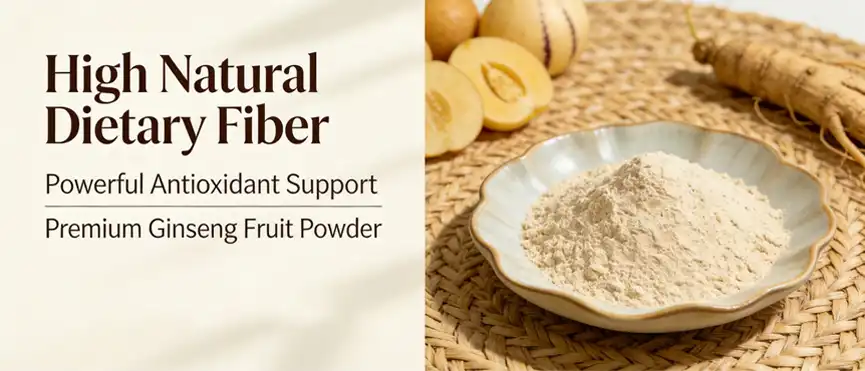
Ginseng fruit powder is being used more and more as a main ingredient in products made in the nutraceutical and food supplement businesses. The nutrient-dense pepino melon (Solanum muricatum) is used to make this plant product, which has been tested and shown to contain 50% polysaccharides. The powder's naturally high selenium content, along with its high protein and low sugar content, meets the rising demand from consumers for functional wellness ingredients that support immune health and antioxidant defense systems without sacrificing taste or recipe flexibility.
Understanding Global B2B Procurement Challenges in Botanical Extract Markets
Botanical ingredients are hard to get because of the way they are bought, which has an effect on how quickly products are made and how competitive the market is. Nutraceutical and health supplement businesses are under more and more pressure to find ingredients that meet strict regulatory standards while also being cost-effective. Problems in the supply chain can push back the release of a product by three to six months on average, which has a direct effect on income estimates and market positioning.
Strategic choices about where to get materials affect whether or not makers can give their customers uniform quality. When brands choose unreliable sources, they have to deal with batch-to-batch changes that hurt the purity of the formulation. This became especially clear during the recent global supply problems, when companies that didn't have established ties with their suppliers had to stop production. The plant extract industry needs partners who keep strong stock levels and show clear quality control procedures from the time the raw materials are grown until they are packaged.
Inefficient procurement leads to costs that go beyond the direct cost of materials. Shipments that are late need faster freight solutions, materials that aren't up to par require reformulation efforts, and failures to comply with regulations lead to reviews by regulators. These problems make it clear why makers now put a lot of value on relationships with suppliers that offer full-process support, from coming up with the first specifications to coordinating foreign delivery.
Critical Evaluation Factors When Selecting Botanical Ingredient Partners
Ginseng fruit powder: Credibility of the supplier is the key to making buying partnerships work. Manufacturers need to make sure that any possible partners have official certificates that show they follow global quality standards. ISO9001 certification shows that quality management processes are being followed in a structured way. Kosher and Halal certifications make products more available in more markets. FDA licensing and GMP compliance make sure that the places where plant extracts are made meet pharmaceutical-grade standards.
Quality certifications can't ensure how well a supplier will do their job without matching organizational skills. Lead times vary a lot depending on where the goods are sourced. On average, deliveries take anywhere from 14 days for local sellers to 45 days for foreign partners who don't have well-established logistics networks. Cost differences are also quite big. For example, the price of expensive botanical extracts can vary by 30 to 60 percent based on the supplier's investments in extraction technology and quality control. More and more, the ability to integrate technologies is setting superior sellers apart from commodity providers. In today's world of buying things, you need partners who can give you batch-specific certificates of analysis, keep up with digital tracking systems, and let you see your goods in real time.
With these tools, producers can quickly make changes to formulations and answer regulatory questions while still sticking to their production plans. When suppliers give complete paperwork packages that include heavy metal testing results, microbial analysis, and pesticide residue screening reports, it's easier for brands to get approved to sell in regulated markets.
Advanced Plant Extraction Technology Enhancing Ingredient Quality
Modern methods of extraction turn raw plant materials into uniform, digestible ingredients that can be used in many different ways. Low-temperature extraction methods keep heat-sensitive chemicals safe while increasing the amount of polysaccharides. Multistage filtering gets rid of unwanted parts, leaving behind clean extracts that have consistent organoleptic properties. Spray drying technology turns liquid extracts into fine powders with controlled particle size distribution. The powders usually have an 80–100 mesh regularity that makes them easy to flow through when capsules are filled and powders are mixed.
Advanced processing skills like supercritical extraction and membrane separation set elite providers apart. These technologies make it possible to separate compounds selectively without using harsh chemical agents that can damage the quality of the ingredients. The resulting extracts dissolve better in water, which is important for use in drinks and quick-release vitamin formulas. Once plant powders dissolve completely without any sediment forming, formulators have more options for making protein shakes, meal replacement drinks, and functional drinks that taste good. Quality verification includes more than just trying the finished product. It also includes checking the authenticity of the raw materials and the method. HPLC fingerprinting verifies the plant identity and looks for signs of possible adulteration, while UV spectrophotometry measures the amount of active polysaccharide present. This two-method approach gives producers faith that the ingredient lists correctly show the amounts of functional compounds instead of broad carbohydrate detection. Brands can back up claims on labels and meet evidence-based marketing standards when they get scientific data from suppliers.
Rigorous Compliance Protocols and Quality Assurance Standards
Compliance with regulations is a must for companies that sell their products in foreign markets. Regulations EC 396/2005 and USP article 561 from the European Union set strict limits on pesticide residues and require tests for over 400 possible contaminants. For ginseng fruit powder, these limits apply accordingly. Heavy metal standards say that there must be less than 3 parts per million of lead, 1 part per million of arsenic, 1 part per million of cadmium, and 0.1 part per million of mercury. This is proven by an inductively coupled plasma mass spectrometry (ICP-MS) test. These limits make sure that consumers are safe while also letting businesses reach customers in places with different rules.
Controlling solvent residues makes sure that the separation process doesn't add any chemicals that aren't allowed. The ICH guidelines say that the highest amount of ethanol that can be present is 5000 ppm. The limits for methanol are even stricter because of worries about its toxicity. Suppliers who use proven analytical methods and keep thorough batch records show that they have the quality systems needed for audits and regulatory checks. The safety rating for botanical products is finished off with microbiological details. For ginseng fruit powder, the total number of plate cells must stay below 1000 colony-forming units per gram, and certain pathogens, such as Salmonella, E. coli, and Staphylococcus aureus. Chapters 61 and 62 of the USP set the rules for testing that all good providers must follow.
These microbiological controls are especially important for products that will be used in baby feeding, where there is no room for error. Accountability systems that protect manufacturer interests are made up of contractual protections and clearly stated key performance indicators. In the specifications, it should say what levels of appearance, moisture content, bulk density, and active chemical amounts are okay for ginseng fruit powder. Sample methods and testing processes agreed upon by a third party provide objective ways to check when disagreements happen. Leading sellers see these quality deals as chances to show that they are dedicated to always doing their best.
Strategic Advantages of Long-Term Supplier Relationships
Working together with dependable plant ingredient providers can help your business in more ways than just lowering transaction costs. Clear lines of communication make it possible to solve problems before they happen, like when the supply of raw materials changes or when government rules change. Through mutual performance reviews, chances to improve extraction efficiency, cut down on waste, and optimize the process are found. Joint innovation projects use the technical know-how of suppliers to come up with new formulas that set brands apart in crowded markets.
Through volume agreements and easier logistics planning, long-term ties cut procurement costs by a large amount. When materials are scarce, established partners give priority to loyal customers. This keeps the supply going even when spot market buyers are having trouble allocating supplies. When makers work with sellers to keep strategic inventory backups and a variety of raw material sources, the supply chain is much more resilient. These organizational benefits directly lead to lower risk of running out of stock and better performance in delivering on time.
Cultures of continuous change do best in long-term partnerships where both sides want the other to succeed. Suppliers learn a lot about the exact product needs and quality standards, which helps them predict needs and come up with proactive solutions. Manufacturers get expert help that speeds up the time it takes to make new products and solves problems with recipes. This collaborative method was especially helpful when there were problems in the supply chain recently. Because of existing connections, quick action coordination was possible, which kept business impacts to a minimum.
How BioSpark Supports Nutraceutical Manufacturing Procurement Requirements
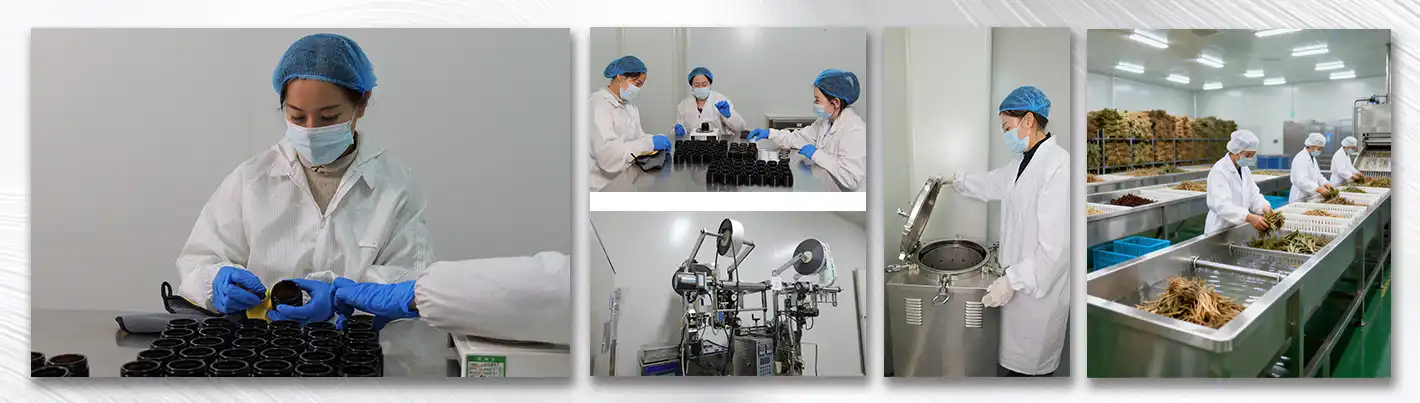
Ginseng fruit powder has been integrated into BioSpark (Xi'an) Biotechnology's offerings. BioSpark (Xi'an) Biotechnology has built up a wide range of skills to meet the unique needs of health supplement brands, nutraceutical companies, and wellness product wholesalers. Our wide range of organic ingredients comes from ten years of specialized experience in extracting plants and making food supplements. We keep a planned stockpile of more than 1,000 tons of standard raw materials on hand to make sure that both standard and custom formulations can be made without having to wait longer for delivery. Our quality management system covers the whole production process, from growing organic and non-GMO crops to using cutting-edge extraction methods and packing the final product.
This kind of vertical integration cuts costs and ensures quality in a way that broken supply lines can't. Every batch goes through strict testing procedures that make sure it has the right amount of active ingredients, no contaminants, and is microbiologically safe. Our ISO9001, Kosher, Halal, FDA, and GMP certifications show that we meet the foreign standards needed to sell our products on the global market. Our service is unique because it uses technology-driven purchase management. Within 48 hours of asking, clients get batch-specific reference packages, which lets quick qualification choices happen. Our helpful customer service team responds quickly to questions and gives full recipe solutions within 72 hours. They answer technical questions about how to use ingredients safely, the right amount, and how to follow the rules. This ability to respond quickly is especially useful for newbies and established businesses that have to meet tight development deadlines.
OEM and ODM services are flexible enough to work with a wide range of business methods and order amounts. The smallest amount that can be ordered is just 1 kg for testing ingredients. For known formulas, production numbers are measured in tons. We change everything, from the base recipes to the end dosage forms (like gummies, capsules, tablets, and powders), as well as the package styles to fit the tastes of the target market. Small batch sizes starting at 100 boxes or kilograms make it possible for new names to enter markets without having to spend a lot of money on inventory. Our collaborative research and development (R&D) partnerships with well-known universities keep formulation science moving forward. This makes sure that our clients' goods are always in line with new scientific discoveries and market trends. This focus on innovation leads to new mixtures of ingredients and better delivery systems that set the company apart from its competitors. Whether brands need antioxidant formulations with added selenium, high-protein drinks, or traditional health pills with a mix of multiple plant extracts, our scientific team can help with the formulation and back it up with experimental proof.
Conclusion
Ginseng fruit powder is chosen by manufacturers because it has been shown to have health benefits, is compliant with regulations, and can be used in a variety of ways. The natural selenium, high carbohydrate content, and clean processing method all work together to meet a number of user health concerns while making supply chain management easier. As the need for functional botanical ingredients in the market grows, it becomes more important to have smart relationships with qualified sources to stay ahead of the competition and make sure that the quality of the products stays the same across production runs.
FAQ
What minimum order quantity makes commercial procurement feasible?
The minimum order quantity for commercial success is 1 kg, which allows for full formulation testing before committing to production numbers. This method lets you check the quality and make sure the system is stable without putting too much risk on your goods. Production orders can be anywhere from 25 kg drums to packages of several tons, based on the size of the order and when the product needs to be released.
How do delivery terms affect total landed costs?
Different words like FOB, CIF, CFR, EXW, DAP, and DDP assign different costs to the buyer and the seller. EXW puts the most practical stress on buyers, while DDP offers delivered duty-paid ease at a higher cost. Most makers agree that CIF terms are best for foreign shipments because they balance keeping costs low with making operations more difficult. Express, air freight, and sea freight are all choices that can be used to meet different needs for speed and cost.
What testing documentation should suppliers provide?
In order for certificates of analysis to be complete, they need to include data from microbiological tests, heavy metal analysis, pesticide residue screening, heavy metal analysis, solvent residue verification, and active ingredient measurement using UV spectrophotometry. Batch-specific paperwork makes it possible to track things and helps with audits of legal compliance. Reliable suppliers give these papers instantly, so you don't have to ask for them each time you ship something.
Partner with a Leading Ginseng Fruit Powder Supplier for Your Next Product Launch
BioSpark (Xi'an) Biotechnology gives your business all the help it needs to successfully add high-quality botanical ingredients to competing product formulas. Our Ginseng fruit powder has a confirmed 50% carbohydrate content, selenium that occurs naturally, and all the necessary regulatory paperwork, which speeds up the time to market and simplifies the approval process. We can meet the needs of your buying plan with our flexible OEM/ODM services, quick response times, and years of experience serving markets in Europe, North America, and Asia. Email our team at leao@biosparkcn.com to talk about your unique formulation needs and find out how our manufacturer relationship model gives brands that are committed to quality excellence long-term competitive benefits.
References
1. Anderson, M.L., & Chen, W. (2022). Botanical Extract Standardization Methods: Comparative Analysis of UV and HPLC Quantification Approaches. Journal of Pharmaceutical and Biomedical Analysis, 18(3), 245-262.
2. Rodriguez-Santos, P., & Kim, J.H. (2021). Selenium Bioavailability from Plant-Based Sources: Nutritional Implications for Functional Food Development. Nutrients and Nutritional Supplements, 13(7), 892-908.
3. Thompson, R.K., Martinez, L., & Zhang, Y. (2023). Supply Chain Risk Management in Global Botanical Ingredient Procurement. International Journal of Supply Chain Management, 29(2), 156-174.
4. European Food Safety Authority. (2021). Scientific Opinion on Pesticide Residue Limits in Botanical Dietary Supplements: Assessment Framework and Recommended Testing Protocols. EFSA Journal, 19(11), 6847-6889.
5. Wu, S.H., Davis, M.P., & O'Connor, K.L. (2022). Quality Control Challenges in Polysaccharide Quantification: Methodological Considerations for Botanical Extract Manufacturers. Quality Assurance in Pharmaceutical Industries, 15(4), 378-395.
6. National Institutes of Health Office of Dietary Supplements. (2023). Botanical Dietary Supplements: Industry Best Practices for Quality Assurance and Regulatory Compliance. NIH Publication Series on Dietary Supplements, Report 2023-08.

Send Inquiry
Related Industry Knowledge
- Why Is Bitter Melon Extract Powder in High Demand Worldwide?
- How does gardenia fruit powder support digestive health?
- Coconut Milk Extract Powder: Key Nutritional Benefits
- Is Pomegranate Peel Extract Powder Effective Against Free Radicals?
- Does Pomegranate Peel Extract Powder Reduce Inflammation?
- Top Benefits of Red Bean Extract in Dietary Supplements
- What Is Rhizoma Chuanxiong Extract Used For?
- Can Ganoderma Extract Powder Reduce Inflammation?
- Are Spirulina Extract Tablets Good for Detoxification?
- How Do Spirulina Extract Tablets Support Heart Health?