What Is Organic Pumpkin Seed Protein? A Buyer’s Guide
Nov 06, 2026
In order to produce organic pumpkin seed protein, apple pepo pumpkin seeds, which are often certified as organic, are used in the production process. A percentage of the oil is taken from the seeds by the process of pressing, and the cake that is left behind is then processed and sieved in order to be transformed into a powder that is abundant in protein.
What Is Organic Pumpkin Seed Protein?
Definition and How It Differs from Seed Flour
It's called organic pumpkin seed protein, and it's high in protein. Seed meal or flour, on the other hand, has less protein because it has more fat and fiber. Protein powder, on the other hand, has more protein because it has been milled and sieved.
How the Seeds Become Powder
Seeds that are grown organically are washed to get rid of dirt, rocks, and other things that don't belong. The seeds are taken out of their shells in some factories. This makes the fibers less dense and the color lighter. At that point, the oil is taken out by mechanical pressing. Not always do chemical solvents need to be used in this step of cold pressing. It makes a cake that you press. They grind the cake, sieve it, test it, and then pack it. During pressing, changes in temperature affect both the flavor and the oxidation of fat. When you mill or sieve powder, you change how it mixes and how it feels in your mouth. More than just the amount of protein it has, seeing the whole process tells you about its quality.
What the Organic Claim Requires
"Organic" is not a marketing term; it's a legal claim. The USDA National Organic Program makes the rules in the US. They are found in 7 CFR Part 205. Companies need to have a certificate from a well-known certifying agent. From 2024 on, organic goods brought into the country will also need an NOP import certificate. The certificate should still cover the current product, the place where it was made, and the name of the product. Each shipment should be able to be traced back to the farm, and all records should be kept at the lot level.
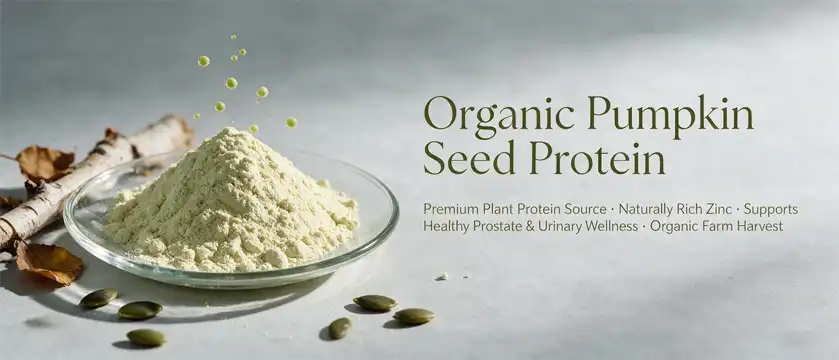
Organic Pumpkin Seed Protein Nutrition and Functional Profile
Core Nutrition Data to Request
Make a list of all the things you need to do to start and get a certificate of analysis (COA). Find out how many calories, sodium, water, carbs, fiber, protein, and fat are being used for organic pumpkin seed protein. To give you some background, USDA FoodData Central says that 100 grams of dried pumpkin seed kernels have 30 grams of protein, as well as magnesium and zinc. That number changes based on the test, the type of seed, where it comes from, how it is dehulled, and how much oil is taken out. Big numbers aren't reliable until you see the method and batch data.
Amino Acids and the “Complete Protein” Question
Protein data in general is not as important as data on amino acids. Published research on pumpkin seed proteins says that lysine is the most important amino acid. In other words, it's less than the pattern that's used to rate proteins. The FAO/WHO expert consultation says that PDCAAS should be used to check the quality of proteins. So, a claim of "complete protein" depends on how well the amino acids are broken down and how much of them are used. A lot of formulators mix pumpkin seed protein with a legume protein that is high in lysine, like pea protein. They then test the mix in the lab before making any claims.
Functional Behavior in Formulas
Organic pumpkin seed protein is made from the entire seed, so it has a unique nutty flavour and a natural green colour, making it look different from the light vanilla-colored protein powders. This colour and taste may be pronounced in bars and baked products, but formulators should assess the influence on flavour masking, appearance, and customer approval in the finished product.
Organic Pumpkin Seed Protein Benefits and Applications
Label Positioning Advantages
Brands choose this portion, since it makes them different. Organic pumpkin seed protein is plant-based and may be consumed with vegan and vegetarian diets. Plus, it’s dairy-free, so those who can’t consume dairy may use it. The nine most frequent food allergies in the US are peanuts, tree nuts, fish, eggs, milk, soy, and sesame. One of them is not a pumpkin seed. You should be asking for cross-contact data since allergy claims still rely on how locked down the building is. You may also do a short list of ingredients with one organic seed source, for clean label claims, as long as the provider can back it up.
Where It Performs in Product Formats
Smoothies and blenders, protein and snack bars, baked products and breakfast items like cereal seem like the finest things to consume. Nuts and their green colour may make baked products and bars pop. See how thick and how settled the ready-to-mix beverages get. In meal replacements, it is commonly combined with other plant proteins to keep the texture and amino acids in control. Make sure you choose the appropriate grade of scale for the work. They should all taste, look, and have varied fat content.
Documentation Behind the Claims
A paper backs up the claims. Find out about microbiological tests, heavy metal tests for arsenic, mercury, lead, and cadmium, pesticide residue screening, and allergen control records. Prop 65 in California says that lead, cadmium, and arsenic can't be used in any way. Finished dietary supplements must also follow the rules in 21 CFR Part 111. Getting more than one recent COA is important because getting one good result isn't enough. Another important thing is that each batch should be the same. Make sure that the way you talk about organic pumpkin seed protein in your ads follows the rules in your area.
Organic Pumpkin Seed Protein vs. Other Protein Sources
Versus Pea and Hemp
Some people mix it well with other things, and a lot of people use it. On the other hand, hemp protein tastes earthy and has more fiber. Pumpkin seed protein is in the middle. It is made from whole seeds and tastes nutty. It is also green. Blends happen a lot because amino acid patterns are different. It is better to compare the price per gram of protein rather than the price per kilogram when you want to find the best deal on protein. Put samples next to each other in your real base because what you feel can change your mind more than numbers on a sheet.
Versus Whey
It can't be used in vegan or dairy-free products because whey comes from milk and has milk allergens in it. It has a different set of amino acids and works in a different way. Folks who want plant-based, dairy-free foods that can be traced back to the seeds they came from are another group that organic pumpkin seed protein helps. Sometimes they can be used instead of each other, but not always. There is now a plant-based protein that vegans and people who don't eat dairy can use. However, whey is still often used in sports nutrition. Figure out who you want to sell to first, then compare the ingredients.
Choosing by Target Consumer
Write down what kind of person you want to buy your product, what they need to eat, how they like to feel, what certifications they need, how the product will be packaged, how much it will cost, and how to get there. Pumpkin seeds or hemp might work well in a high-fiber vegan bar. Peas might work well in a smooth shake. Two or three proteins might work well in a powder that has been mixed. I think you should rate each candidate on a single sheet based on how it tastes, how it feels, what it says on the label, and how much it costs to land. That will help your customers and team remember your choice.
How to Choose the Best Organic Pumpkin Seed Protein Powder
Define the Application First
Next, before you start comparing bids, jot down the usage, type of use, pack size, yearly volume, certification claims, and format. The 1kg pilot pack lets you test out new recipes. Mass manufacturing is preferable in bulk bags or pallets. Let the merchant know beforehand what you will be doing with the organic pumpkin seed protein powder. If it was produced for bars, it may not shake nicely. Be careful to let them know you require vegan/gluten-free/dairy-free papers since these things alter the records and testing that goes in place. “If providers have a clear brief, they can work out the right grade.
Technical Specifications to Check
Verify that the factory follows GMP or HACCP guidelines. Verify that there are controls for allergies. Verify that the list of additives and processing aids is comprehensive. You should also find out about the storage temperature and barriers, as leftover fat might go rancid and make the dish taste awful. Your purchase order should include acceptance limitations so that every lot that comes in is to the same quality.
Bulk and Wholesale Cost Factors
Depends on the source of organic pumpkin seed protein. Depends on the protein content. Depends on the processing, packaging, testing, the quantity requested, the Incoterms, and the payment terms. Compare landing expenses, not only price per unit, but also minimum order quantity, lead time, manufacturing capacity, loading port, pallet configuration, customs procedures, and certificate of origin. When you enter the U.S. for products, search for the organic import certificate. Don't get caught out by delays and unexpected charges at the estimate stage — be clear on what you require.
How to Evaluate an Organic Pumpkin Seed Protein Supplier
Supplier Types and Documents to Request
Companies that make, sell, trade, and contract goods all have different prices, technical support, inventory, customization options, and the ability to export. Process control is something that people who make things can talk about. On the other hand, people who sell things might be able to offer faster small-lot stock. As you look for an organic pumpkin seed protein supplier, you should ask for a profile of the factory, samples, proof of an audit, and details on how to make a complaint or a recall. Many people who bring food into the United States must also follow the rules of the FDA Foreign Supplier Verification Program. Keep your records on your suppliers in order so they are easy to find.
Common Mistakes to Avoid
People often choose incorrectly by focusing only on the protein content, trusting an organic claim that cannot be proven, skipping application tests, and not considering the natural taste and color. Also, comparing quotes that have different needs is important. There's a chance that a cheaper lot will have more water, less ability to spread, less paperwork, less time to store, or worse delivery conditions. Make sure you look at the certificate's scope and that you can get back to the lot, test samples in your final matrix, and compare lab data to sensory results. Put together a comparison sheet that has the protein level, packaging, MOQ, testing, Incoterms, payment terms, and customer service all in one place.
Recommended Procurement Workflow
I have a simple plan. You should begin with the final product, the market, the client, the serving size, the volume, the packaging, and the claims. Secondly, write down what you need and choose a few locations where you can obtain it. Third, gather samples and documents. Then test people's senses with them, and run pilots in the lab. A quality agreement defines costs, lead time, Incoterms, COA requirements, and what happens if quality standards aren’t fulfilled. Lastly, but not least, monitor complaints, delivery, batch consistency, certificate updates, and how effectively the forecasts are performing. You also need to plan the trial batch and develop the recipe, flavours, artwork and packaging for OEM and private label projects.
How BioSpark Supports OEM and ODM Buyers
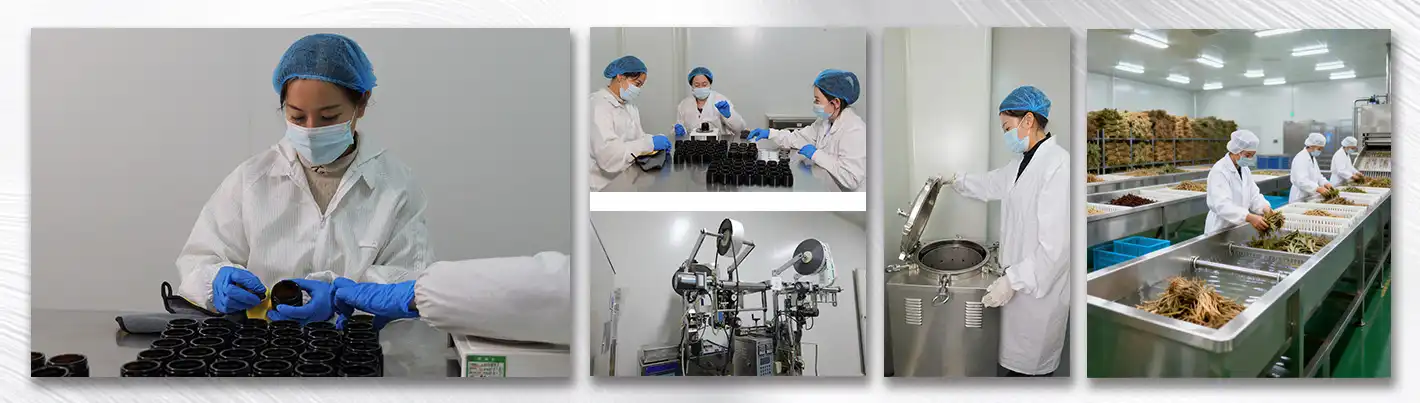
Xi'an BioSpark Co., Ltd. engages in research, design, manufacture, and marketing of health products around the globe. We can create nutrition formulae, plant extracts, dietary supplements, and functional components. We accept OEM and ODM orders. One of the projects we have worked on is organic pumpkin seed protein. We can assist with anything from brainstorming the concept and recipe to manufacturing, packaging, and shipping it. We follow worldwide standards of quality in terms of raw materials, manufacturing techniques, and testing the quality of completed items. Our items are exported to the Middle East, North America, Europe and South America. If you ask, we can do a lot of items in one go, or simply a few things that are made to measure. We may also supply you with other sorts of products.
Conclusion
The cake is made from pressed certified organic seeds. It is then ground up and sieved to make organic pumpkin seed protein powder. Its value depends on things like a valid organic certificate, a full COA, amino acid data, and results from tests for contaminants and microbiology. To improve the balance, it is helpful to mix lysine with proteins from legumes. Protein claims need to be backed up by lab tests. It tastes like nuts and whole seeds without any dairy. But the best choice depends on the taste, texture, and cost of the product, as well as the type of person who will be buying it. This works best for people who compare quotes for the same specifications, look at landed cost instead of unit price, test samples in the real formula, and look at the supplier's track record and paperwork before committing to buy a lot.
FAQ
Is organic pumpkin seed protein vegan?
Because it comes from seeds, it is plant-based. Still, before you put a vegan claim on the label, make sure that your supplier agrees with the cross-contact controls and processing aids.
Does it contain dairy or gluten?
Pumpkin seeds don't have either of those things without being there. For the claims to be true, the facility still needs to show proof of the products they are selling, like allergen control records and test results.
Can I call it a complete protein?
However, only with facts. It was scored on how well it digests, how many amino acids it has, and how much of them it has. Lysine is an amino acid that can be hard to find, so many brands mix it with protein from beans and peas.
How should I store it?
Keep the fat cool, dry, and sealed. Ask your supplier how long the goods will last and how they will be packed.
How do I find a certified supplier?
You should ask for samples, a current COA, organic certificates, details about the capacity, and paperwork for export. Check the certificate's scope with the person who issued it.
Request a Sample or Organic Pumpkin Seed Protein Quote
Want to find a company that can use organic pumpkin seed protein in their next product? Tell BioSpark who your target market is, how many servings you need, what kind of packaging you need, what kind of certification you need, and how much you sell each year. We can help with both OEM and ODM, make small or large amounts of products, and send them all over the world. Our team will talk to you about the project's needs, COA documents, and sample choices for the organic pumpkin seed protein. Reach us at leao@biosparkcn.com or visit https://www.biosparkcn.com/ to learn more.
References
1. U.S. Department of Agriculture, National Organic Program: Organic Regulations (7 CFR Part 205), 2024
2. USDA FoodData Central: Seeds, Pumpkin and Squash Seed Kernels, Dried, 2019
3. FAO/WHO, Protein Quality Evaluation: Report of the Joint FAO/WHO Expert Consultation, 1991
4. U.S. Food and Drug Administration, Current Good Manufacturing Practice for Dietary Supplements (21 CFR Part 111), 2007
5. European Journal of Lipid Science and Technology, Seeds and Oil of the Styrian Oil Pumpkin: Components and Biological Activities, 2007
6. Journal of Agricultural and Food Chemistry, Pumpkin (Cucurbita maxima) Seed Proteins: Sequential Extraction Processing and Fraction Characterization, 2013

Send Inquiry
Related Industry Knowledge
- Can Liposomal Vitamin K2 Improve Nutrient Absorption?
- How to Find Reliable Broad Bean Powder Manufacturers?
- Best Papaya Juice Powder Supplier: 8 Questions to Ask
- What is Holy Berry powder used for in Herbal Supplements?
- Coconut Milk Extract Powder: The Ultimate Plant-Based Dairy Swap
- Coconut Milk Extract Powder: The Ultimate Plant-Based Dairy Swap
- Coconut Milk Extract Powder: The Ultimate Plant-Based Dairy Swap
- Coconut Milk Extract Powder: The Ultimate Plant-Based Dairy Swap
- Coconut Milk Extract Powder: The Ultimate Plant-Based Dairy Swap
- Coconut Milk Extract Powder: The Ultimate Plant-Based Dairy Swap
- Coconut Milk Extract Powder: The Ultimate Plant-Based Dairy Swap
- Coconut Milk Extract Powder: The Ultimate Plant-Based Dairy Swap
- Coconut Milk Extract Powder: The Ultimate Plant-Based Dairy Swap
- Can Spinach Juice Powder Improve Product Market Appeal?
- Could American Ginseng Extract Powder Add Value to Your Brand?
- How Rhizoma Chuanxiong Extract Relieves Headaches?
- Radix Rehmanniae Extract in Traditional Herbal Medicine
- Why Choose Yacon Root Extract for Weight & Metabolic Support?