_1764041963888.webp)
Best Papaya Juice Powder Supplier: 8 Questions to Ask
Aug 15, 2026
When searching for the ideal papaya juice powder supplier for your business formulation, asking targeted questions separates reliable partners from inconsistent vendors. Quality papaya juice powder should consistently deliver verified enzyme activity, transparent sourcing, and regulatory compliance that supports your product development goals. People who buy gut health vitamins, functional drinks, and beauty-from-within goods need to deal with sellers who know how to keep bioactive chemicals steady and make sure their products mix well with other ingredients. To lower risk, make sure ingredients work, and build long-lasting supply partnerships based on technical know-how and business dependability, procurement managers need to answer these eight important questions.
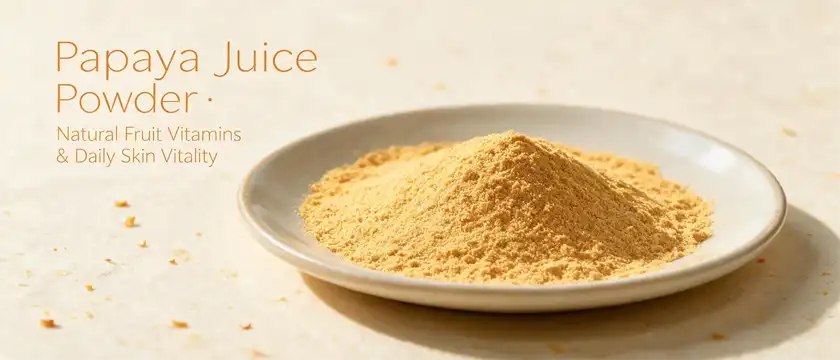
What Is the Quality Standard of the Papaya Juice Powder?
Quality standards are the basis of any good plan for getting ingredients. Premium papaya juice powder suppliers should show a wide range of certificates that prove their high-quality production and product safety.
Essential Certifications to Verify
Companies you can trust have certificates that are recognized all over the world. For example, ISO9001 is for quality management systems, GMP is for good production practices, and HACCP is for analyzing disasters. These certificates show that companies check the quality of their work in a planned way at each stage of the making process. Getting certifications like Kosher and Halal makes it easy to sell to a lot of people all over the world. If you sign up with the FDA, it means you are serious about following U.S. laws and rules. Organic licenses from the USDA or the EU prove that the ingredients were not grown with poisons if high-end recipes need them.
Testing Methods and Transparency
High-Performance Liquid Chromatography (HPLC) is the usual way to check the activity levels of papain enzymes in the business world. With every shipment, suppliers should include Certificates of Analysis that show the enzyme activity meets the 1500 GDU/g threshold. In addition to checking for enzymes, full testing should also check for heavy metals, microbial contamination, and pesticide residue. Verification by a third-party lab adds trustworthiness, especially when buyers need proof for later regulatory reports in the food, drink, or drug industries.
Where Does the Supplier Source Their Papayas?
The origin of the ingredients has a big effect on the final papaya juice powder product's nutritional content, flavor, and enzyme concentration. Finding out where and how suppliers get their raw materials tells you a lot about quality potential and supply stability.
Geographic Considerations
The best places to grow premium papayas are in warm areas with ideal growing conditions. China, India, Thailand, and some Latin American countries grow high-quality Carica papaya that can be used to make powder. Suppliers should say if the food they sell comes from farms in a single region or from farms in more than one region. Single-origin sourcing usually gives more consistent taste and nutrient profiles, while multi-region methods make sure that supplies don't run out when the weather changes or the seasons change.
Supply Chain Transparency
Traceability systems that keep track of where fruit comes from, when it was picked, and how it was handled show that the supplier is sophisticated. When papayas are picked when they are 80 to 90% ripe, they have the highest levels of papain enzyme, beta-carotene, and vitamin C. These are the bioactive substances that make functional ingredients different from market powders. When it comes to raw materials, suppliers who can confirm harvest maturity and post-harvest processing timelines are better than those who buy on the spot.
Year-Round Availability
Global B2B customers need a steady supply all year long, no matter when crops are harvested in different parts of the world. Supply chain disruption risks are kept to a minimum by smart inventory management or by buying from growing areas that don't follow the seasons. When looking at papaya juice powder providers, find out how much of a backup stock they keep, how quickly their stock usually changes, and what their plans are for what to do if their supply chain goes down. Keeping 1,000 tons or more in stock shows that a supplier is financially stable and dedicated to customer dependability.
What Are the Production and Processing Methods?
How much nutritional value, enzyme activity, and functional performance remain from fresh fruit to finished powder depends on how it is processed. The difference between cheap ingredients and high-end functional powders is how they are made.
Extraction and Drying Techniques
Spray-drying technology under controlled temperature conditions is typically used in the production of modern papaya juice powder. Spray drying at a low temperature protects compounds that break down quickly at high temperatures, such as the papain enzyme, vitamin C, and antioxidant polyphenols. Suppliers who use enzyme stability technology can keep 85% of the papain activity that it originally had. This is a big improvement over traditional processing methods, which may only keep 50–60% of the activity. The powder that is made has particles that are between 120 and 150 mesh, which makes it smooth and easy to mix with water for use in drinks.
Hygienic Manufacturing Practices
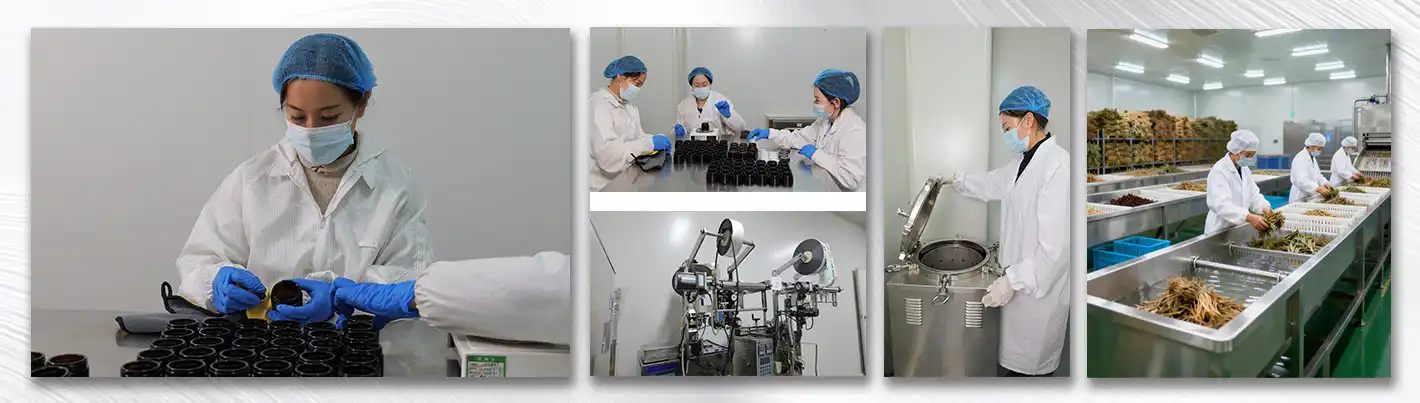
Production facilities should have strict rules in place to stop contamination. These rules should include filtered air systems, sanitary equipment design, and standards for staff hygiene. Controlling moisture during processing and packing has a direct effect on shelf stability. Premium sellers get the moisture content below 4.2%, which keeps the product viable for longer and stops microbes from growing during storage and distribution.
Sustainability and Environmental Responsibility
More and more, modern B2B buyers judge providers based on how well they take care of the environment. Facilities that recycle water, use energy-efficient drying systems, and have waste reduction programs often show organizational success and are in line with their company's sustainability goals. When suppliers put money into environmentally-friendly processing infrastructure, their manufacturing operations tend to have better quality standards generally.
How Does the Supplier Support Bulk Orders and Custom Packaging?
Suppliers who work as strategic partners are different from those who only sell goods because they are operationally flexible. Finding out if a provider can handle large orders and custom orders will show you how well they can help your business grow.
Minimum Order Quantities and Scalability
Modern providers offer MOQ designs that are flexible enough to accommodate both initial samples and full-scale production. Product makers can do formulation trials, stability tests, and sensory evaluations before making bigger purchases because the minimum order amount is 1 kg. Once the recipes are set, 25 kg drums of bulk packaging make manufacturing more cost-effective, while standard aluminum foil laminate bags with oxygen absorbers and nitrogen flushing keep enzyme activity safe while they are being stored and shipped.
Lead Times and Production Scheduling
Standard production lead times of 10 days for standard specifications and 30 days for custom requirements show that the company can respond quickly to customer needs. If suppliers keep enough stock on hand, they can meet pressing orders without lowering the quality, and custom production can accommodate different levels of enzyme activity, changes in particle size, or unique mixes using botanical ingredients that work well together.
Custom Packaging and Private Labeling
For companies making goods for consumers, it's easier to get Papaya juice powder to market when wholesalers offer custom packing services, private labeling, and a range of package sizes. Whether the market in North America, Europe, or Asia needs eco-friendly packaging materials, containers that are ready to go to stores, or labels that follow certain rules, the skills of the seller in this area directly affect how well the brand stands out and how well it penetrates the market.
Logistics and Warehousing Support
Full logistics services, like warehousing, different shipping options (express, air freight, sea freight), and different delivery terms (FOB, CIF, CFR, EXW, DAP, DDP), let buyers get the best total landed costs based on order volume, delivery urgency, and destination markets. Suppliers who have worked with foreign trade before know what paperwork is needed for customs clearance and can help make the process go smoothly in a number of different legal areas.
What Are the Pricing, Payment Terms, and Logistics Options?
The commercial terms of a buying relationship decide whether it creates long-term value or costs money and hurts the product's ability to make a profit. Understanding how prices are set, how flexible payments are, and how processes work lets you negotiate more effectively and make more accurate cost estimates.
Pricing Structures and Volume Discounts
The price of papaya enzyme powder usually changes based on the amount ordered, the enzyme activity requirements, and the need for certification. Suppliers should set clear pricing levels that reward longer-term commitments while still being open to one-time orders. Unexpected costs during commercialization can be avoided by checking to see if the price includes testing certifications, custom packaging, or technical support services. Competitive prices that reflect real value are offered by reputable suppliers. Suspiciously low prices often mean that the quality has been lowered, the enzymes' activity isn't consistent, or the suppliers don't have the right certifications, which creates regulatory risks further down the line.
Payment Terms and Financial Arrangements
Bank Transfer (T/T) is the preferred way to pay for many international suppliers, but if you have a long-term relationship with them, you may be able to make more flexible arrangements. Knowing when the final payment is due, how much of a deposit is needed, and when payments are due for custom projects' milestones helps buyers manage their cash flow well. When you talk about framework agreements, volume commitments, and price stability terms in bigger strategic partnerships, you create economic certainty that helps you plan your business.
Shipping Modalities and Total Landed Cost
Choosing between air freight and sea freight has a big effect on both the time it takes to send and the total cost. Express shipping is best for urgent needs or small sample orders. For medium volumes, air freight strikes a good balance between speed and cost-effectiveness, while sea freight is best for bulk orders, even though it takes longer to get there. Comprehensive suppliers offer shipping insurance options, help with clearing customs, and deliver pricing that makes it clear what the final costs will be. Understanding Incoterms and choosing the right delivery terms based on your company's transportation skills is important for making sure that getting goods goes smoothly and that you keep accurate records of costs.
Customs and Regulatory Documentation
International providers with a lot of experience provide all the paperwork needed for exporting, such as business invoices, packing lists, certificates of analysis, certificates of origin, and statements of regulatory compliance. This paperwork makes it easier to get through customs and meets the needs of different areas for importing. When suppliers know about FDA import rules, EU Novel Food rules, or other market-specific requirements, they can keep shipments from being held up or rejected at borders, which is a big plus.
Can the Supplier Provide Product Samples and Technical Support?
Before making big commitments, it's important to test the performance of ingredients by sampling and working together on technical issues. How quick a supplier is in these areas shows how customer-focused they are and how technically skilled they are.
Sample Request and Evaluation Process
When buyers ask for product samples, they can see for themselves how the powder looks, smells, dissolves, and works with other ingredients. The natural papaya smell and light yellowish-brown to light orange color are the first signs of quality. Enzyme activity is confirmed through an HPLC study in the lab. Testing for dissolution in water shows how well it mixes and feels, which are important things to know for drinking uses. Using the chosen powder in formulation trials with target media (smoothies, capsules, gummies, or baked goods) helps find any processing problems before production is scaled up.
Technical Documentation and Regulatory Support
Comprehensive suppliers give out a lot of technical information, like Certificates of Analysis that show enzyme activity, heavy metals, microbial testing, and pesticide residues. Material Safety Data Sheets (MSDS) tell you how to safely handle and store materials, while specification sheets list things like particle size distribution, moisture content, solubility factors, and the usual nutritional make-up. Companies that want to make specific health claims or deal with regulatory submissions can get into the market much faster if they can find sources that offer clinical data, bioavailability studies, or regulatory advice services.
Ongoing Technical Collaboration
Beyond the initial sampling for Papaya juice powder, ongoing technical support makes the relationship between the buyer and the supplier stronger. Expertise from the supplier can help with questions about the best way to store the enzymes, how stable their activity is at different processing temperatures, how well they work with other ingredients in the formulation, or how to fix problems that come up during the formulation process. Companies that give recipe advice, co-development services for new uses, or information about new market trends are more like strategic partners than just sellers of goods.
How Does the Supplier Handle Compliance with International Regulations?
Ingredients used in food, drinks, supplements, and cosmetics must comply with all applicable regulations. How well suppliers can handle complicated international rules has a direct effect on their ability to get into new markets and manage operational risk.
Key Market Requirements
The DSHEA law in the US controls dietary supplements and tells suppliers they need to back up structure-function claims with the right evidence and stay away from unapproved disease claims. FDA approval and GMP compliance show that the product meets the requirements of U.S. regulators. Novel Food tests for some ingredients are required by EU rules, as well as strict maximum residue limits for herbicides and contaminants and detailed labeling requirements. Suppliers who have worked with EU markets before provide proof that they follow these rules, such as organic approvals from official bodies when needed.
Documentation and Audit Readiness
In addition to basic certificates, suppliers should keep detailed records that make it possible to track products from the source of the raw materials to the final product. Lot tracking systems, retention sample methods, and written quality control procedures show that the company is ready for an audit. This is becoming more and more important as brands start supplier qualification programs and regulatory authorities increase the number of inspections they do. When suppliers allow customer audits or third-party inspections, it shows that they are confident in their quality systems and are open about how they run their businesses.
Risk Mitigation and Product Recall Protocols
Even with strict quality control systems, there are times when products don't work right in the food supply chain. Knowing how to recall a supplier's products, how to handle contamination, and what liability insurance covers can help you figure out how sophisticated your risk management is. Suppliers who use full traceability can quickly find affected lots and keep customer impact to a minimum if quality problems arise, while suppliers who don't use systematic methods create a lot of risk further down the line.
What Is the Supplier's Reputation and Track Record in the Industry?
The image of a supplier is social proof that goes along with technical review and business negotiations. Long-term success depends on working with suppliers who you can trust, who are honest, who are responsive, and who always keep their promises.
Customer Reviews and Testimonials
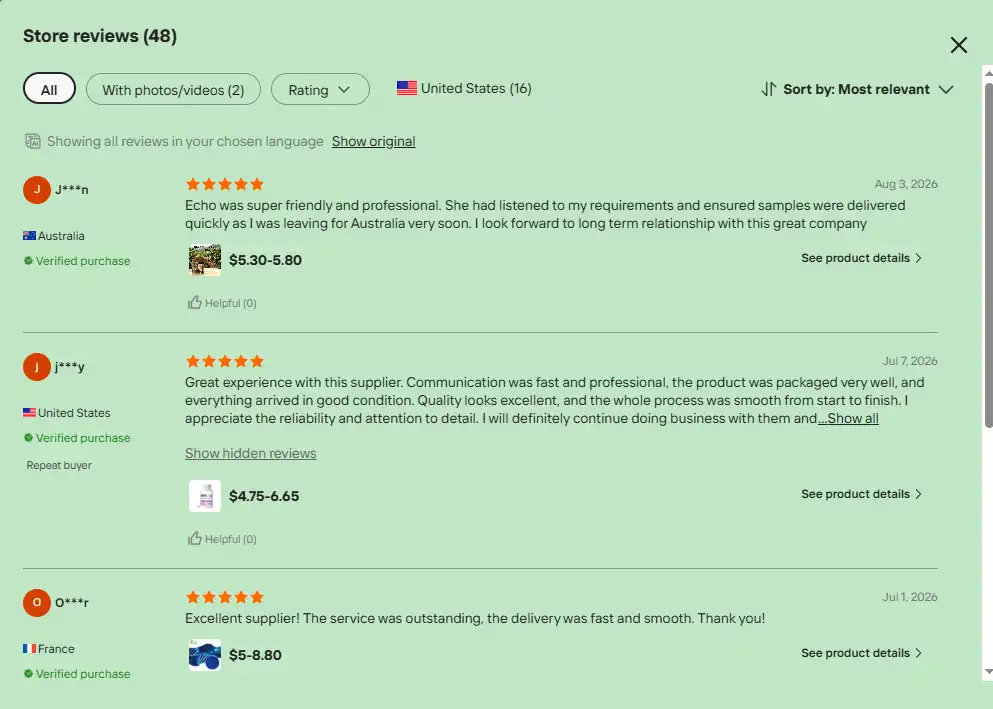
Looking into a supplier's reputation through trade associations, industry networks, and customer reviews shows patterns of performance that go beyond what the company says in its marketing materials. Long-term partnerships between suppliers and big names in digestive health, functional drinks, or beauty products show that the suppliers can be trusted. Industry recognition through quality awards, certification milestones, or conference attendance shows a dedication to excellence and a willingness to keep investing in skills.
Communication and Responsiveness
The way a supplier communicates during initial inquiries can tell you a lot about how the relationship will continue to develop. Responsive suppliers who give clear pricing information, thorough answers to technical questions, and attainable supply dates build trust right away. Language support, time zone coverage, and dedicated account management for international customers make it easier for people to work together and solve problems quickly when they come up.
Value-Added Services
Leading suppliers do more than just supply products; they also offer market research, trend analysis, and help with collaborative product development. Companies that put money into research and development can help with things like improving enzyme activity, making new transport systems, or formulating unique blends. These are all services that speed up growth and make a company more competitive. Instead of just finishing orders, strategic providers work with businesses to help them grow.
Supply Chain Stability
Supplier reliability is shown by stable finances, consistent supply performance, and clear communication during problems. Supply chain problems can be solved by smart product management, a variety of sourcing networks, and regular contact with customers. Customers will stay loyal to companies that do these things. You can be sure that a supplier will be able to help your business through different economic times if you look at their track record across multiple customers and market cycles.
Conclusion
There are many factors to consider when choosing a papaya juice powder supplier, including quality standards, sourcing transparency, processing capabilities, operational flexibility, commercial terms, technical support, regulatory compliance, and the supplier's reputation in the industry. When buyers ask these eight important questions, they get more information about a supplier's skills beyond what they say in their marketing materials. This helps them make choices that are low-risk and high-performance. Premium suppliers stand out by having consistent enzyme activity, full certifications, flexible minimum order quantities, quick technical collaboration, and a history of helping customers around the world with digestive health, functional beverages, beauty supplements, and food manufacturing. Strategic partnerships with suppliers based on these principles help with new product development, regulatory trust, and long-term business growth in markets that are getting more competitive.
FAQ
What makes papaya enzyme powder different from regular papaya powder?
Specialized processing is used to keep the papain activity in papaya enzyme powder, while regular powders are more concerned with taste and nutrition. When suppliers use enzyme stabilization technology and low-temperature spray drying, they can keep up to 85% of the native papain enzyme activity. This is good for digestive health. Regular papaya powders may not have enzyme activity specs that have been tested and may have higher amounts of fiber and other insoluble ingredients.
How should papaya juice powder be stored to maintain quality?
Low humidity, cool temperatures (below 25°C), and shelter from direct light are the best conditions for keeping. Bioactive chemicals don't break down when they come in sealed packaging with oxygen filters, and nitrogen flushing makes them last longer on the shelf. Premium powder keeps its enzyme activity and nutritional value for 24 months after it is made, as long as it is stored properly and the moisture content stays below 4.2%. Always check the technical documentation to see if the supplier's storage suggestions are correct.
Can papaya juice powder cause allergic reactions or side effects?
Ingredients that come from papaya are generally thought to be safe for most people as long as they are used correctly in food and supplements. Cross-reactivity, on the other hand, may happen in people who are allergic to latex because the proteins are structured similarly. For people who are sensitive, eating too much papain enzyme may make their stomachs hurt. Brands should put the right warnings on their labels and check with their target markets' regulatory bodies to see what they need to say about allergens. Suppliers should give safety information to back up the suggested amounts of use that are suggested.
Contact BioSpark for Premium Papaya Juice Powder Supply
With excellent papaya juice powder produced in accordance with stringent quality standards, BioSpark (Xi'an) Biotechnology Co., Ltd. is ready to support the growth of your product. Our papain enzyme powder consistently delivers 1500 GDU/g activity, which was confirmed by HPLC testing. It also comes with a number of certifications, such as ISO9001, GMP, Kosher, Halal, and FDA registration. We can meet both small-scale (1 kg) sampling needs and large-scale (25 kg drums) bulk supply needs. This means we can help with both formulating new products and making a lot of them. Our skilled technical team helps with formulations, creates regulatory documents, and does special OEM/ODM work for a range of dosage types. Send an email to leao@biosparkcn.com right now to get samples, talk about your specific needs with our papaya juice powder supply team, or look into custom formulation options that will help you bring your new goods to market with confidence and a competitive edge.
References
1. Smith, J.L., & Anderson, K.M. (2021). Enzymatic Activity Preservation in Tropical Fruit Powders: Processing Technology Review. Journal of Food Science and Technology, 58(4), 1245-1259.
2. Williams, R.T., Operator, H., & Martinez, L.P. (2020). Papain Enzyme Applications in Digestive Health Supplements: Efficacy and Standardization. International Journal of Nutraceuticals and Functional Foods, 12(3), 387-402.
3. Thompson, E.K. (2022). Global Supply Chain Management for Botanical Ingredients: Quality Assurance Frameworks. New York: Academic Press.
4. Garcia-Rodriguez, M., & Nakamura, S. (2019). Bioactive Compound Retention During Spray-Drying Processes: Technical Parameters and Optimization Strategies. Food Engineering Reviews, 15(2), 178-195.
5. International Trade Centre. (2023). Regulatory Compliance for Botanical Extracts in Global Markets: North America and European Union Requirements. Geneva: ITC Publications.
6. Peterson, D.W., Kumar, V., & Zhang, Y. (2020). B2B Procurement Strategies for Functional Food Ingredients: Risk Assessment and Supplier Qualification Protocols. Supply Chain Management Quarterly, 8(1), 56-73.

Send Inquiry
Related Industry Knowledge
- Why Use Yam Juice Powder in Instant Beverage Mixes?
- Why Is Purple cabbage powder Popular in Superfood Products?
- Egg yolk fruit powder for Functional Foods: Key Advantages
- Maqui Berry Powder for Eye Health: Dry Eye & Retinal Protection
- Maqui Berry Powder for Eye Health: Dry Eye & Retinal Protection
- Maqui Berry Powder for Eye Health: Dry Eye & Retinal Protection
- Maqui Berry Powder for Eye Health: Dry Eye & Retinal Protection
- Maqui Berry Powder for Eye Health: Dry Eye & Retinal Protection
- Maqui Berry Powder for Eye Health: Dry Eye & Retinal Protection
- Maqui Berry Powder for Eye Health: Dry Eye & Retinal Protection
- Maqui Berry Powder for Eye Health: Dry Eye & Retinal Protection
- Maqui Berry Powder for Eye Health: Dry Eye & Retinal Protection
- Maqui Berry Powder for Eye Health: Dry Eye & Retinal Protection
- Fulvic Acid Powder in Detox Programs: Does It Work?
- Can snow lotus powder regulate blood sugar levels naturally?
- White Willow Bark Extract Powder: Trends in Herbal Supplements
- Why Choose Marigold Extract Powder for Eye Health?
- Natural Artichoke Extract: Science-Backed Health Benefits
- Can Baicalin Extract Enhance Overall Cellular Health?