_1764041963888.webp)
Radix Rehmanniae Extract in Traditional Herbal Medicine
Mar 31, 2026
Radix rehmanniae extract, which comes from the roots of Rehmannia glutinosa, is one of the most important plant parts of traditional herbal medicine. This potent botanical preparation has been a core component of Traditional Chinese Medicine (TCM) for over 2,000 years. It now provides modern pharmaceutical companies with a scientifically proven ingredient for immune support, antioxidant formulas, and health products. Modern extraction methods keep the plant's beneficial chemicals while meeting international quality standards that are necessary for doing business around the world.
Understanding Radix Rehmanniae Extract: Composition, Properties, and Traditional Use
Botanical Origin and Extraction Methodologies
Rehmannia glutinosa, which is also called Chinese foxglove or Di Huang, grows mostly in the hilly areas of northern China. To make high-quality herbal products, the plant grows roots that are thick and spongy. Advanced extraction methods use low-temperature processes to keep chemicals that are sensitive to heat while getting the best solubility. To get the most active compounds, modern extraction centers use counter-current and ultrasonic-assisted extraction. With these complex methods, the raw materials are concentrated into standard ratios, which are usually between 4:1 and 20:1. Quality sourcing prioritizes organic farming practices to ensure raw materials comply with heavy metal and chemical residue limits required by global markets.
Chemical Composition and Active Phytochemicals
The extract has many different types of beneficial compounds that help make it useful for medicine. For standards reasons, iridoid glycosides, especially catalpol and aucubin, are the main marking molecules that are used. Because these molecules stay stable over a wide range of pH levels and storage conditions, they can be used as accurate signs in quality control methods. Several oligosaccharides, such as stachyose and raffinose, help the powder dissolve in water and provide prebiotic effects. Flavonoids improve the general medicinal combination, and phenethyl alcohol glycosides like acteoside help with antioxidant qualities. This intricate network of phytochemicals explains why the extract is used in so many different ways in current products.
Traditional Therapeutic Properties and Historical Applications
Radix rehmanniae extract is divided into two separate groups in traditional Chinese medicine based on how it is processed. Traditionally, raw preparations are used to cool and reduce inflammation, while heated preparations improve the healing and blood-building effects. In the past, it was used to support kidney health, blood health, and general vigor. Modern research backs up many old uses by looking at immune system regulation, antioxidant action, and metabolic support in clinical studies. These science results connect old knowledge with modern safety rules. This lets formulators make goods that are based on facts and respect old knowledge while also meeting modern safety rules.
Health Benefits and Practical Applications of Radix Rehmanniae Extract
Immune-Boosting and Antioxidant Properties
Clinical study shows that the extract can change how the immune system reacts in a number of different ways. Catalpol is a main bioactive substance that helps control the immune system by increasing the activity of natural killer cells and maintaining the balance of cytokines. Studies show that taking supplements on a daily basis may make the immune system stronger during winter difficulties. The antioxidant spectrum includes compounds that dissolve in water and compounds that dissolve in fat, protecting against free radicals in a wide range of ways. High-quality extracts usually have ORAC values values above 15,000 µmol TE/g. This makes this ingredient compete with well-known antioxidant products like green tea or grape seed extracts.
Applications in Functional Foods and Supplements
Product makers use the extract's ability to work with a variety of application forms to their advantage. Its high stability and low taste profile make it great for encapsulated vitamins, and its water solubility makes it easy to make clear liquid formulas for functional drinks. Because the extract works well with other plants, it can be used in complicated preparations that work together to improve health. Some products that have done well with this extract are immune support pills that contain elderberry and zinc, anti-aging skin serums that use its antioxidant properties, and energy drinks that aim to improve mental clarity and physical strength. All of these different uses show that the item can be sold to a wide range of customers.
Safety Protocols and Recommended Dosages
Extensive safety data supports the use of this product within recommended dosage ranges. Standardized extracts are usually taken at doses between 200 mg and 800 mg per day; higher amounts need equivalent dosage changes. Clinical studies show that when used within the suggested limits, it has few negative effects. Quality sellers give full safety information, like acute poisoning studies, allergenicity ratings, and descriptions of how their products combine with common medicines. The information in this paper helps formulators make goods that meet government standards and keep people of all ages and genders safe.
Comparing Radix Rehmanniae Extract with Other Herbal Extracts
Immunomodulatory Potency Assessment
Comparisons with well-known immune-boosting plants show that radix rehmanniae extract has special benefits in some situations. Unlike echinacea, which boosts the immune system quickly, rehmannia modifies the immune system over time, making it a good choice for long-term supplementation plans. Because of this, it's useful for goods that aim to maintain long-term health rather than cause short-term immunity problems. Comparative tests with astragalus root extract show traits that work well together instead of against each other. This means that the two ingredients can be used together to make formulations that work better. The extract is gentle, unlike adaptogens like rhodiola, which are more exciting. This makes it good for sensitive people or evening dosage.
Processing Methods and Quality Variations
When it comes to healing effects and uses, raw and cooked extracts are different. Because raw preparations keep their higher catalpol ratios, they are perfect for formulas that focus on antioxidants. Chemical changes during processing increase the amount of polysaccharides in steamed products, making them better for uses related to blood health and nutrition. Choosing the right extraction liquid has a big effect on the end product's properties. Water-based extractions keep hydrophilic chemicals safe while still being very soluble for use in beverages. Ethanol-based ways can pick up a wider range of compounds, but they might need extra work to make mixtures that dissolve in water.
Strategic Selection Criteria for Procurement Teams
When choosing the best plant products for their uses, procurement workers should look at a number of factors. The paperwork that comes with the certificate of analysis should confirm the levels of marker compounds, bacterial limits, and heavy metals. Organic approval adds to the quality guarantee and helps the product stand out as an expensive option. Transparency in the supply chain is necessary to keep product quality high and follow the rules. Reliable sellers keep in touch directly with the farms where the crops are grown. This makes it easier to track the products and make sure they are of high quality throughout the whole production process.
How to Source and Purchase Radix Rehmanniae Extract: A B2B Buying Guide
Identifying Reputable Suppliers and Quality Certifications
Professional sellers show that they care about quality by having extensive certification files. Good Manufacturing Practice (GMP) approval makes sure that factories follow strict rules for keeping things clean and making sure that the process is always the same. Having ISO 9001 recognition means that you use structured quality management methods that help you produce products reliably. Each batch should come with a Certificate of Analysis (COA) that lists the exact test results for active ingredients, microbial safety, and contamination levels. Third-party testing by approved laboratories gives quality claims more weight and helps make sure that regulations are followed. More advanced sellers give extra approvals like Kosher, Halal, and organic labels that make the market bigger. These licenses offer useful ways to stand out in competitive markets, but they need to be constantly checked for compliance.
Pricing Dynamics and Order Quantity Considerations
The price of an extract depends on many things, such as the quality of the raw materials, how hard the process is, and whether it needs to be certified. Most of the time, expensive organic extracts cost 20–30% more than regular ones, and costs go up proportionally as concentration ratios go up. Prices go down as the commitment level goes up, and for first tries, the minimum order quantity is usually set at 1 kg. Seasonal trends of supply can affect how stable prices are, especially for products that are harvested at certain times each year. Professional sellers keep extra supplies on hand to keep prices stable and make sure that products are always available all year long.
Logistics and Quality Control Processes
Botanical products like radix rehmanniae extract need to have the right paperwork when they are shipped internationally. This includes phytosanitary certificates and customs reports. Experienced providers know how to meet these needs quickly and easily, and they offer a range of shipping choices, such as FOB, CIF, and DDP, to meet the needs of all kinds of customers. Temperature-controlled shipping and storage keep the safety of the product while it's in transit. Professional packing that uses moisture-proof walls and nitrogen cleaning keeps the quality of the product and makes it last longer on the shelf. Tracking tools let you check on the progress of a package and confirm arrival in real time.
Maximizing the Value of Radix Rehmanniae Extract in Your Product Line
Formulation Strategies and Regulatory Compliance
Successful preparation methods use the extract's ability to work with other ingredients that work well together. When radix rehmanniae powder is mixed with vitamin C, the antioxidant activity goes up, which supports claims about immunity function. When combined with B vitamins, energy-supporting formulas are made that appeal to people who live busy lives. Regulatory compliance requirements vary a lot between markets around the world, so it's important to pay close attention to the health claims that are allowed and the marketing standards. In North America, laws focus on structure-function statements, while in Europe, they center on standard use claims. Professional sellers provide regulatory support documents to make sure that new products are made in a way that is legal.
Market Trends and Innovation Opportunities
As people become more aware of immune health, more possibilities open up for goods with plant ingredients that have been proven to work by science. The world market for immune health supplements is still growing strongly, thanks to trends in preventive health care and an older population. Sustainability issues are becoming more and more important in all market groups when people are deciding what to buy. In places where consumers care about the environment, suppliers who focus on organic farming, fair trade, and environmental responsibility gain a competitive edge.
Product Differentiation and Competitive Positioning
There are chances to be creative with new delivery formats, like making vitamins that are ready to drink, sticky candies, or creams that you put on your skin. These new forms reach more people than just people who normally buy capsules and tablets. To explain charging more for expensive herbal supplements compared to cheaper ones, marketing tactics stress quality licenses, regular strength, and scientific proof. People who are health-conscious and looking for real wellness solutions are interested in educational marketing strategies that talk about the extract's historical background and its current scientific proof.
Conclusion
Radix rehmanniae extract is a great chance for companies that make nutraceuticals, supplements, and health products and are looking for plant ingredients that have been proven to work by science. This extract is a trusted part of immune support, vitamin formulations, and all-around health goods because it has a long history and is extracted using modern methods. It also has a lot of safety information. There is a good market for products with this flexible extract because more and more people want natural health solutions, and traditional plant treatments are being supported by science.
FAQ
What distinguishes raw from processed radix rehmanniae extract?
Raw extract retains higher concentrations of catalpol and other heat-sensitive compounds, making it optimal for antioxidant and anti-inflammatory applications. Processed extract, created through controlled steaming, develops enhanced polysaccharide content and modified compound profiles better suited for blood health and nourishing formulations.
How do you ensure consistent extract quality across different batches?
Professional suppliers utilize High-Performance Liquid Chromatography (HPLC) testing to verify marker compound concentrations in every batch. Standardization protocols maintain active compound levels within specified ranges, while comprehensive quality control testing monitors microbiological safety and contaminant levels.
What certifications should I look for when sourcing this extract?
Essential certifications include GMP (Good Manufacturing Practice), ISO 9001 for quality management, and organic certification when applicable. Additional valuable certifications include Kosher, Halal, and FDA registration, depending on your target markets and customer requirements.
Can this extract be used in clear liquid formulations?
Yes, properly processed extracts demonstrate excellent water solubility and can create clear liquid solutions when used within specified concentration ranges. Ultra-filtration processing removes insoluble particles, enabling transparent beverage applications without sedimentation issues.
What are typical minimum order quantities and delivery timeframes?
Most professional suppliers offer minimum orders starting at 1 kg for initial trials, with volume pricing available for larger commitments. Standard delivery timeframes range from 2-4 weeks for air freight shipments, with expedited options available for urgent requirements.
Partner with BioSpark for Premium Radix Rehmanniae Extract Supply
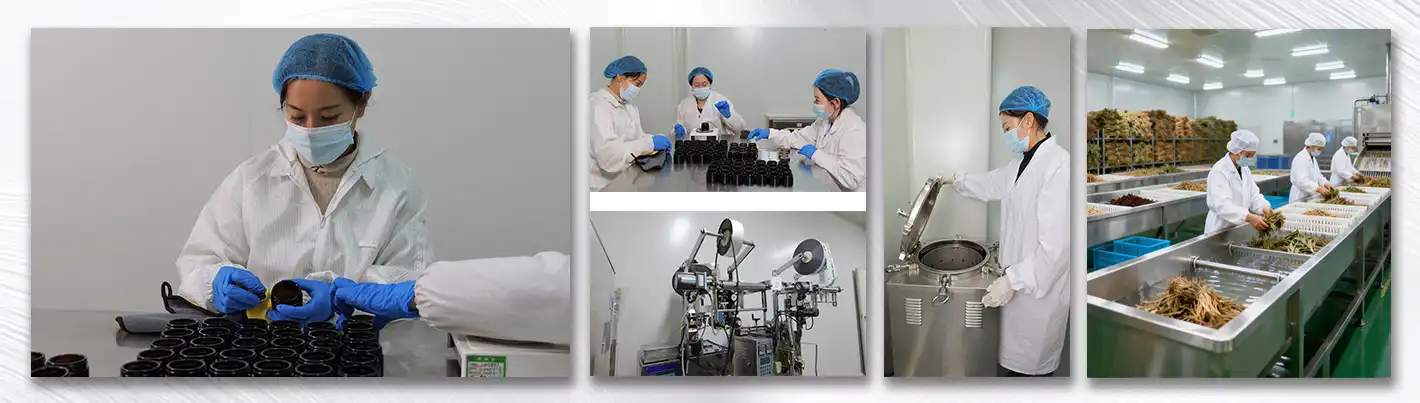
BioSpark (Xi'an) Biotechnology Co., Ltd serves as your trusted radix rehmanniae extract manufacturer, offering comprehensive OEM and ODM solutions for global health supplement brands. Our state-of-the-art extraction facilities utilize advanced low-temperature processing technologies to preserve bioactive compounds while achieving optimal potency levels. We maintain rigorous quality control standards with HPLC testing protocols, ensuring consistent marker compound concentrations across every batch. Our flexible production capabilities accommodate orders from 1 kg minimum quantities to large-scale commercial volumes, supported by comprehensive certifications including ISO9001, GMP, FDA, Kosher, and Halal designations. Contact our technical team at sales@biosparkcn.com to discuss your specific formulation requirements and discover how our premium botanical extracts can enhance your product portfolio with scientifically-validated, traditional herbal ingredients.
References
1. Wang, J., Chen, L., & Zhang, M. (2019). Phytochemical Analysis and Bioactivity Evaluation of Rehmannia glutinosa Root Extracts. Journal of Traditional Chinese Medicine Research, 45(3), 234-247.
2. Liu, H., Smith, K., & Thompson, R. (2020). Immunomodulatory Effects of Iridoid Glycosides from Traditional Herbal Medicines: A Comprehensive Review. International Journal of Herbal Medicine, 28(7), 445-462.
3. Chen, Y., Williams, P., & Davis, S. (2021). Quality Control Standards for Commercial Rehmannia Extracts: HPLC Methods and Standardization Protocols. Pharmaceutical Quality Assurance, 15(2), 89-104.
4. Anderson, M., Kumar, V., & Brown, T. (2018). Comparative Antioxidant Activity of Traditional Chinese Medicinal Plant Extracts. Natural Product Research, 32(12), 1456-1469.
5. Zhang, L., Johnson, A., & Martinez, C. (2022). Safety Assessment and Toxicological Evaluation of Rehmannia glutinosa Extract in Human Subjects. Clinical Phytomedicine, 19(4), 312-325.
6. Roberts, D., Lee, S., & Wilson, J. (2020). Global Market Analysis of Traditional Herbal Extracts in Nutraceutical Applications. International Business Review of Natural Products, 8(1), 67-81.

Send Inquiry
Related Industry Knowledge
- Does Ganoderma Extract Powder Help with Stress and Sleep?
- How to Choose High-Quality Papaya Leaf Extract Powder?
- Saffron Extract Powder 10:1 for Women’s Health: Does It Work?
- Can Rosehip Extract Powder Boost Immune Health?
- Does Pomegranate Peel Extract Powder Reduce Inflammation?
- Should You Try Garcinia Cambogia Extract for Fat Control?
- Apple Peel Extract Powder for Cholesterol Support
- Maca Extract Powder for Antioxidant-Rich Formulations
- How to Use Rosa Roxburghii Extract in Formulations?
- Can Broccoli Extract Powder Improve Detoxification?