_1764041963888.webp)
What are the key benefits of pomegranate seed extract powder for daily use?
Jun 29, 2026
Due to its high content of punicic acid, ellagic acid, and anthocyanins, pomegranate seed extract powder provides powerful antioxidant protection, circulatory support, and anti-aging properties. When used every day, it improves the health of cells, lowers inflammation, keeps the skin healthy, and keeps the metabolism in balance. This bioactive plant ingredient is becoming more and more useful in nutraceutical recipes, functional foods, and cosmetic uses because it has been shown by science to be good for your health and stays stable in a wide range of product forms.
Understanding Pomegranate Seed Extract Powder
What Makes This Extract Unique
Pomegranate seed extract powder is a high-tech plant ingredient made from Punica granatum seeds using cutting-edge extraction methods. Instead of pomegranate juice or whole fruit, this concentrated powder gets the most beneficial chemicals from the seeds. The extraction method keeps the important nutrients while getting rid of the extra water and fiber. This makes an ingredient that is steady, can be stored for a long time, and can be used in a lot of different ways. Manufacturers can separate and concentrate certain medicinal compounds without using chemical solvents with modern extraction methods, especially supercritical CO2 technology. Depending on the amount of anthocyanin, this makes a fine powder that can be brownish-yellow to deep red. The powder still has a sweet smell and a slightly sour taste that shows how high in polyphenols it is.
Key Bioactive Compounds
Knowing the bioactive profile helps B2B clients choose the right mix. The extract has many different types of compounds that work together:
- Punicic acid is the main fatty acid, and quality products usually have a standard of 70% or more of it. This omega-5 conjugated fatty acid is what makes pomegranate seed extract different from other plant-based ingredients and a big part of why it can help reduce inflammation.
- Ellagic acid and ellagitannins are very good antioxidants; in top products, the levels are usually at least 5%. The high ORAC value of the extract is due in part to these hydrolysable tannins' amazing ability to remove free radicals.
- Anthocyanins give plants their color and biological activity. In good extracts, the total amount of anthocyanins is usually between 8 and 15%. Some of these water-soluble colors are cyanidin and delphinidin, which help keep blood vessels healthy and cells safe.
- Flavonoids like quercetin and kaempferol add to the antioxidant properties of the extract, and phytosterols like beta-sitosterol help keep hormones in balance. The mineral profile has high amounts of potassium, zinc, and selenium, which makes the extract healthier.
Extraction Process and Quality Control
Modern supercritical CO2 extraction technology lets you precisely control the makeup of the end product. This method works under certain temperature and pressure conditions that only remove the chemicals that are wanted and leave behind the ones that aren't. The method keeps heat-sensitive nutrients that might be lost in standard liquid extraction.
Quality control methods make sure that product standards are always met. Standardized amounts of key chemicals are checked with HPLC, and the moisture content is kept below 5% to keep things stable. Manufacturers with a good reputation test their products thoroughly for heavy metals, microbes, insecticide residues, and liquid residues. This makes sure that the finished product meets all international safety standards.
Comparison with Other Pomegranate Derivatives
In preparation, different pomegranate goods are used for different things. Pomegranate juice is good for you and tastes good, but it has a lot of sugar and needs to be kept cold. When compared to seed extract, pomegranate peel extract has higher amounts of ellagic acid and punicalagins, which makes it better for uses that focus on antioxidants.
Pomegranate seed oil is mostly made up of punicic acid and 60–80% conjugated fatty acids. This makes it perfect for skincare uses that need something that moisturizes. The powder form of seed extract is best for dietary supplements and functional foods because it can be used in more situations, is very stable, and has high bioactivity across a wide range of chemical classes.
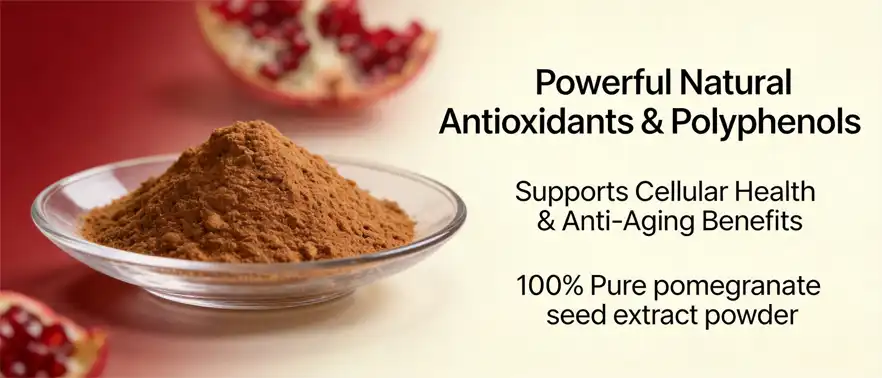
Comprehensive Health Benefits of Pomegranate Seed Extract Powder
Powerful Antioxidant Protection
The pomegranate seed extract powder's high antioxidant power comes from the variety of polyphenols it contains. These chemicals get rid of free radicals, which speed up the aging process, cause inflammation, and lead to the development of chronic diseases. It has been shown in studies that punicalagins and ellagic acid are much better antioxidants than vitamin C or green tea catechins when the amounts are the same.
Every day, antioxidant defense helps keep cells healthy all over the body. This is especially helpful as oxidative stress builds up from things like UV rays, processed foods, and the body's regular metabolic processes. The multi-component antioxidant system in the product protects more than single-compound antioxidants.
Cardiovascular Health Support
Cardiovascular effects are one of the uses of this plant product that has been studied the most. Punicic acid and ellagic acid work together to keep blood pressure regular, keep cholesterol levels healthy, and help vascular cells do their job.
According to research, taking supplements every day may help lower oxidative stress in the walls of arteries, support good inflammatory reactions in vascular tissue, and improve blood flow. It looks like these benefits are caused by the extract's ability to help the production of nitric oxide, which controls the tone and flow of blood vessels.
Anti-Aging and Skin Health Benefits
Because the extract is good for your face, it is being used more and more in cosmetics. Ellagic acid stops enzymes from breaking down collagen and elastin, which helps keep the structure and stiffness of the skin. The anti-inflammatory qualities of the extract help the skin heal faster after being exposed to harmful external factors.
Sunscreens work better with anthocyanins because they protect against UV light. These chemicals don't replace UV protection, but they do help fight free radicals that are made by UV light and support the skin's natural repair systems.
Weight Management and Metabolic Support
A new study is looking into the role of the extract in metabolic health and weight control. Punicic acid seems to change how lipids are broken down, and it may help keep body makeup in check when used with the right food and exercise.
The extract helps keep insulin sensitivity and glucose metabolism healthy, which means it can be used in metabolic health products. According to some studies, chemicals in pomegranates may help people keep a healthy weight by changing how their bodies store and use fat.
Safety Considerations and Dosage Guidelines
To make sure formulas are compliant, product makers need clear safety information. According to research, healthy people can safely take between 200 and 500 mg of the drug every day. Researchers have looked at higher amounts and found no major side effects. However, producers should make sure that the safety of each formulation is properly evaluated.
Women who are pregnant or nursing should talk to their doctors before taking products with this extract because there isn't a lot of information about their safety yet. Because it has effects on the heart, the extract may not work well with some drugs, especially those that lower blood pressure or stop blood clotting.
Application Scenarios in Different Industries
Dietary Supplement Formulations
The biggest market for pomegranate seed extract powder is in the nutrition industry. This ingredient works well in pills, tablets, softgels, and powdered drink mixes, among other supplement forms.
Because it has a wide range of polyphenols, this extract is a great addition to antioxidant support products. By mixing the extract with other plant antioxidants, such as resveratrol, curcumin, or green tea extract, manufacturers can make complete antioxidant goods that work better together.
Cardiovascular health products use the extract's heart and circulatory system-supporting effects that have been studied in clinical settings. The extract is often mixed with CoQ10, omega-3 fatty acids, or hawthorn berry in these formulas to provide complete support for the heart.
Functional Food and Beverage Applications
Food and drink companies like the extract because it is stable and has useful properties. The powder mixes pretty well in a variety of mixtures and can handle normal food preparation conditions without losing many of its bioactive ingredients.
A lot of functional drinks, like protein shakes, smoothie mixes, and health drinks, have between 0.5 and 3 percent extract by weight. This amount of addition gives the food useful bioactive content without making the flavor too strong. The natural sweet notes in the extract go well with goods that taste like berries.
The antioxidants in the extract help foods like nutritional bars, healthy snacks, and enriched foods last longer by stopping them from going bad due to oxidation. The natural protective effects work with the product's nutritional boost to make it more useful and useful in a functional sense.
Cosmetic and Personal Care Products
Pomegranate seed extract is used more and more in beauty and skin care products because it is scientifically proven to be good for the skin. The powder is used in many different kinds of items, from anti-aging creams to sunblock.
Anti-aging serums and creams usually have an extract content of 1% to 5% to protect collagen and provide antioxidant benefits. Other anti-aging ingredients, such as hyaluronic acid, peptides, and retinol substitutes, work better with the extract.
Brightening products use ellagic acid's known benefits for skin tone. When used regularly, the chemical helps lessen the look of discoloration and makes the skin tone more even.
Procurement Guide: Choosing and Buying Pomegranate Seed Extract Powder
Critical Supplier Selection Criteria
When choosing providers for pomegranate seed extract powder, business-to-business buyers have to make big choices. Supplier dependability and product quality are affected by many factors that have a direct effect on the performance and safety of your final product.
Certification guidelines are the basis for judging a seller. Look for companies that are certified by GMP (Good Manufacturing Practices). This makes sure that quality control is maintained throughout the whole production process. Having ISO licenses, like ISO 9001 and ISO 22000, shows that you care about food safety and quality control.
When going after the natural and clean-label businesses, organic approval is useful. Certifications from the USDA, the EU, or a similar organization show that raw materials meet the standards for organic farming. Certification as organic, on the other hand, costs more and might not be right for all markets.
Extract Purity and Standardization
Standardization makes sure that all batches are the same, which is important for developing new products and following the rules. Suppliers of good quality give out reports of analysis that show standardized amounts of key chemicals.
Punicic acid content is a main way to make sure that products are all the same. In expensive extracts, it is usually ensured to be 70% or higher. Standardization of ellagic acid at 5% or higher means that all polyphenolic chemicals have been extracted. A total anthocyanin level of 8% or more shows that these useful pigment compounds were kept.
Another important quality sign is the total polyphenol level, which can be found through HPLC testing. Standardization at 40% active polyphenols is a useful dosage level that can be used in food supplements.
Pricing Structures and Procurement Strategies
Price ranges are very different depending on the quality of the extract, the amount of standardization, and the number of items ordered. Knowing how prices change over time helps buyers bargain well and make good budgets.
When you buy in bulk, you usually get big savings. When you buy 100 kg or more, you can usually get bulk prices, which can cut the cost per unit by 20 to 30 percent compared to buying less. Strategic buyers plan their annual needs and arrange big deals to get the best deals on prices.
The amount of standardization has a direct effect on prices. Higher standardized amounts of key chemicals bring higher prices, which is because they require more work to extract and make sure the quality. Buyers have to weigh the cost of a product against its construction needs and marketing claims.
Trusted Manufacturers and Private Label Capabilities
OEM/ODM partners with a lot of experience, like BioSpark, can do a lot more than just give raw materials. Full-service makers help with formulation, give advice on regulations, make unique packaging, and have flexible production capacity that works for both new names and well-known companies.
Private labeling lets brands get their goods on the market quickly without having to spend money on production equipment. Quality OEM partners keep an inventory of ingredients, offer tried-and-true formulations, and offer different packing choices that cut time-to-market by a large amount.
Superior sellers are different from basic ingredient vendors because they offer technical help. Having access to formulation scientists, legal experts, and quality assurance professionals can help brands deal with problems that come up during product creation and make sure that formulations are effective and follow the rules.
Maximizing Daily Use and Product Performance
Recommended Dosages and Usage Guidelines
Dosage rules that work make sure that goods have real benefits while still being safe. Recommendations based on research give both formulators and end users trust.
As a nutritional supplement, the usual daily dose is between 200 mg and 500 mg. This range has been shown to work in clinical tests that looked at metabolic parameters, antioxidant levels, and heart health. Researchers have looked at higher amounts up to 1000 mg per day and found no major side effects. This gives formulators a lot of options.
When you use pomegranate seed extract powder may affect how well it works. Some studies show that eating the extract with food helps the body absorb fat-soluble parts like punicic acid better. However, the extract is bioavailable well across a range of dose plans.
Synergistic Ingredient Combinations
Smartly pairing ingredients improves the performance of a product and helps make marketing stories more interesting. Pomegranate seed extract works well with several different combos.
Omega-3 fatty acids work with the extract's anti-inflammatory properties to make full formulas for managing inflammation. The mixture might work better than either ingredient alone at fighting inflammation because it works on more than one level.
When combined with resveratrol, it makes strong antioxidant and long-lasting formulas. Both substances affect the same cellular processes that help you age healthily, and their combined effects may be greater than their individual benefits.
Quality Assurance and Storage Considerations
To keep an ingredient's effectiveness over time, it needs to be handled and stored properly. Quality assurance steps protect your investment and make sure that the product is always the same.
The conditions of storage have a big effect on stability. The extract should be kept in cases that are tightly closed and out of the way of light, heat, and water. In places with low humidity, the best settings for keeping are between 15°C and 25°C. If you keep extract properly, it will stay effective for 24 to 36 months after it was made.
Because the extract is hygroscopic, controlling humidity is very important. A moisture level above 5% can help microbes grow and speed up the breakdown of beneficial chemicals. When goods will be stored in humid places, they should be packed with desiccants and moisture shields.
Conclusion
Because of its rich bioactive makeup of punicic acid, ellagic acid, and anthocyanins, pomegranate seed extract powder has been shown to improve health. The ingredient can be used in dietary supplements, functional foods, and cosmetics, which makes it useful for companies that want to attract health-conscious customers. Quality products from recognized makers are always safe, effective, and in line with regulations. Strategic creation using recommended amounts and ingredients that work well together makes the product work better. More and more people want natural ingredients that have been backed by studies. This botanical extract gives brands a competitive edge that is based on both old thinking and new science.
FAQ
Is pomegranate seed extract powder safe during pregnancy?
Women who are pregnant or nursing should talk to their doctors before taking products with this extract. Pomegranate fruit is usually thought to be safe to eat while pregnant, but concentrated pomegranate seed extract powder products have not been studied in pregnant people in a large way. If you want to be safe, the precautionary method says not to take extra doses until you have more complete safety data. To make sure consumers are safe and companies follow the rules, product labels should have the right warnings about using the product while pregnant or breastfeeding.
How does this extract differ from pomegranate juice?
The concentrated bioactive chemicals in the extract are at amounts that can't be reached by drinking juice. One 500 mg tablet might have as many polyphenols as several glasses of juice, but without the calories, sugar, or need to be kept cold. Juice is good for you and tastes good, but it goes bad quickly after you open it. The extract powder stays steady for years if it is kept properly. It has standardized amounts of key compounds that have been tested and proven to work, and it can be easily added to different types of products. Because of this, the extract is much better for regular medical uses and product development for sale.
What certifications should I look for when evaluating suppliers?
Priority licenses include GMP manufacturing standards, which make sure that quality control stays the same all the way through production. ISO 9001 shows dedication to quality management systems, and ISO 22000 talks about managing food safety. Being certified as organic by groups like the USDA or the EU makes natural product lines more valuable. Also, look for sellers who have third-party testing done and can give you records of analysis that prove the product is pure, effective, and free of any contaminants. Depending on the people you want to sell to, Kosher and Halal certificates may be important.
Partner with BioSpark for Premium Pomegranate Seed Extract Powder Supply
Pharmaceutical-grade pomegranate seed extract powder made under strong quality controls is available from BioSpark to help you with your product creation needs. Our modern supercritical CO2 extraction technology keeps the most bioactivity while making sure that every run is the same. As a reliable provider of pomegranate seed extract powder, we provide full OEM and ODM services, such as formulating new products, helping with regulatory issues, producing small amounts or large orders, and ensuring safe global shipping. Our extract is pure and effective enough to meet worldwide quality standards. Email our technical team at leao@biosparkcn.com to talk about your formulation needs and get full product specs that are made to fit your needs.
References
1. Basu, A. and Penugonda, K. (2009). Pomegranate juice: a heart-healthy fruit juice. Nutrition Reviews, 67(1), 49-56.
2. Johanningsmeier, S.D. and Harris, G.K. (2011). Pomegranate as a functional food and nutraceutical source. Annual Review of Food Science and Technology, 2, 181-201.
3. Lansky, E.P. and Newman, R.A. (2007). Punica granatum (pomegranate) and its potential for prevention and treatment of inflammation and cancer. Journal of Ethnopharmacology, 109(2), 177-206.
4. Aviram, M. and Rosenblat, M. (2012). Pomegranate protection against cardiovascular diseases. Evidence-Based Complementary and Alternative Medicine, 2012, Article ID 382763.
5. Katz, S.R., Newman, R.A., and Lansky, E.P. (2007). Punica granatum: heuristic treatment for diabetes mellitus. Journal of Medicinal Food, 10(2), 213-217.
6. Boussetta, T., Raad, H., Lettéron, P., et al. (2009). Punicic acid, a conjugated linolenic acid, inhibits TNFα-induced neutrophil hyperactivation and protects from experimental colon inflammation in rats. PLoS ONE, 4(7), e6458.

Send Inquiry
Related Industry Knowledge
- Why Is Tanshinone Danshen Extract Powder Important in Cardiovascular Health?
- What Are the Applications of Cape Gooseberry Powder?
- What Should You Check Before Buying Ginseng Fruit Powder?
- Could Natural Blueberry Extract Powder Improve Beverage Formulas?
- Why Choose White Kidney Bean Extract Powder for Supplements?
- Is loquat powder safe for daily consumption?
- What Are the Key Benefits of Ayurvedic Indian Herbal Extracts?
- How Is Kacip Fatimah Extract Made and Standardized?
- How Effective Is Rosehip Extract Powder for Inflammation?
- Oyster Shell Extract Powder: Zinc, Taurine & Vital Trace Minerals