_1764041963888.webp)
Could Natural Blueberry Extract Powder Improve Beverage Formulas?
Jun 02, 2026
Natural blueberry extract powder can make drink recipes much better by adding concentrated anthocyanins, natural color stability, better antioxidant activity, and the clean-label draw that health-conscious customers want these days. This plant ingredient can turn regular drinks into useful health drinks that stand out in a crowded market as long as it comes from a reliable source and is mixed properly. It does this while keeping great solubility, taste balance, and regulatory compliance.
Understanding Natural Blueberry Extract Powder and Its Benefits
What Makes Blueberry Extract a Concentrated Functional Ingredient
Blueberry concentrate is a highly potent botanical solution made just for business drinking uses. It is processed from premium Vaccinium berries via advanced plant extraction technologies. This concentrated form separates beneficial chemicals through membrane separation and supercritical extraction technologies, which is different from fresh berries or juice. High-Performance Liquid Chromatography confirms that the normal guideline of 25% anthocyanins ensures consistency from batch to batch, which is very important for beverage companies that want to increase production while keeping quality standards. The fine, dark purple-red to blue-purple powder has a sweet-sour blueberry smell that makes it more appealing to the senses without overpowering the delicate flavors. Compared to raw fruit powders, which tend to clump or settle, this natural blueberry extract powder is very easy to mix into liquid mixtures because it dissolves so well in water. People who make drinks like this ingredient because it has a lot of health benefits without making the drink too sweet or needing complicated solubilizing agents.
Key Antioxidant Properties That Combat Oxidative Stress
High ORAC values show that anthocyanins, the main bioactive ingredient in natural blueberry extract powder products, are very good at getting rid of free radicals. Polyphenolic colors help keep cell structures safe from oxidative damage, which is good for heart health, brain health, and eye health. Blueberries have two main types of anthocyanins: malvidin-3-galactoside and delphinidin-3-glucoside. Studies show that these anthocyanins can widen blood vessels and fight glucose buildup. Formulators of drinks for health-conscious customers can use these scientifically proven benefits to market their goods as useful answers to today's health problems. Anthocyanins that have been properly removed are more bioavailable than those that have been made from whole fruits. This means that smaller doses are needed to reach therapeutic levels. This effectiveness means that cost-effective products that actually improve health are possible, not just having ingredients for show.
Dosage Considerations and Flavor Profile Management
The best dose levels rely on the type of drink and the health claims that are being made. Functional shots usually have 200 to 500 mg of standardized natural blueberry extract powder per serving, while ready-to-drink drinks might have 100 to 300 mg to find a good mix between taste and effectiveness. The naturally citrus, berry, and tropical flavors go well with the sweet-sour profile. However, skilled formulators can add it to surprising categories like sparkling waters and plant elixirs. To control the strength of a taste, you need to know how the concentration of anthocyanins changes how you feel. Higher loadings make the color and sourness stronger, which might mean that the pH needs to be changed or that another sweetening system is needed. The particle size range of 80 to 120 mesh ensures that the natural blueberry extract powder has a smooth taste and doesn't get gritty, which is a problem that comes with cheaper powders. Stability testing at different temperatures shows that products stay stable during processing. Drinks that are properly made keep their color and antioxidant activity for 12 months.
Purity Standards and Traceability in Industrial Procurement
Buyers who care about quality expect full-proof paperwork that shows the product is pure and that the manufacturing rules were followed. Leading sellers have licenses with ISO9001, GMP, Kosher, Halal, and the FDA. These are qualifications that make the regulatory approval process easier in foreign markets. The HPLC method provides a precise confirmation of the anthocyanin content, which gets rid of the risks that come with fillers or synthetic colors that aren't stated. Brands are protected from supply chain poisoning events by systems that keep track of raw materials from the farm to the finished natural blueberry extract powder. Reputable makers keep records of where the crops are grown, when they are harvested, and how they were processed. This makes the chains of control clear. This careful work comes in very handy when answering questions from customers or doing checks by regulators. When beverage companies work with approved providers, they can make claims on the label with confidence, knowing that every batch has been through strict quality controls.
Comparing Natural Blueberry Extract Powder with Alternative Ingredients
Natural Extract Versus Synthetic Colorants and Flavor Systems
Synthetic options may be cheaper, but more and more people don't want to use them, and the government is looking more closely at them. Natural blueberry extract powder has the real color and taste of blueberries that come from plants, so it meets the clean label requirements that make people decide what to buy. The list of ingredients only says "natural blueberry extract powder" instead of long chemical names that turn off health-conscious shoppers. In addition to being better for marking, naturally occurring anthocyanins are more bioactive than man-made counterparts. Artificial colors make things look nice, but they don't have the vitamin properties that make health drinks different from regular drinks. When brands put money into natural ingredients, they put themselves in a higher-end market, where they can charge more and keep customers for longer.
Blueberry Juice Concentrate Versus Standardized Extract Powder
When you concentrate juice, you get a lot of sugar and anthocyanin amounts that change depending on the crop. Standardized blueberry extract powder solves the above issues by providing fixed active content without dilution. One kilogram of 25% anthocyanin powder has the same amount of bioactivity as hundreds of liters of juice, but it doesn't take up much room and doesn't need to be kept cold. When natural blueberry extract powder is properly packed and kept in nitrogen-protected drums, it stays stable for a much longer time than liquid concentrates, which can ferment and break down over time. When shipping lightweight powders instead of heavy liquid amounts, shipping costs go down by a lot. Because of these practical benefits, natural blueberry extract powder is the best choice for companies that have multiple production sites or that serve customers all over the world.
Whole Berry Powders and Their Processing Limitations
Spray-dried whole berry powders have the seeds, skins, pulp, and other parts of the fruit still attached. This all-encompassing method sounds good on an intellectual level, but it makes standardization harder and makes it harder to come up with new ideas. Changes in the amount of moisture affect how well something flows and how stable microbes are. Particles of different sizes can cloud and settle in drinks, which customers see as problems with the quality. Selective extraction focuses on chemicals that are good for you while getting rid of those that get in the way of using them in drinks. The natural blueberry extract powder that is made doesn't add any pulp fibers or seed pieces to watery systems and works well with them. By using the same base ingredient, beverage makers can make useful drinks that are as clear as water and colorful smoothies with berries. This is not possible with whole fruit preparations.
Organic Certification Impact on Market Positioning
Organic natural blueberry extract powder is more expensive, but it can be sold in specialty stores and to people who care about their health. Certification standards make sure that farming and processing don't use pesticides, which addresses contamination concerns that educated customers are raising more and more. Organic approval is a must for brands that want to sell in natural goods shops, fitness centers, and to people who are interested in health and wellness. When deciding between standard and organic sources, you have to weigh the costs against the needs of your target market and your strategy for competing in the market. High-volume mainstream drinks may try to keep costs as low as possible, while organic qualifications may help boutique functional drinks explain their higher prices. Both choices are available from reputable sources, which lets procurement teams choose ingredients that fit with the brand's structure and their financial goals.
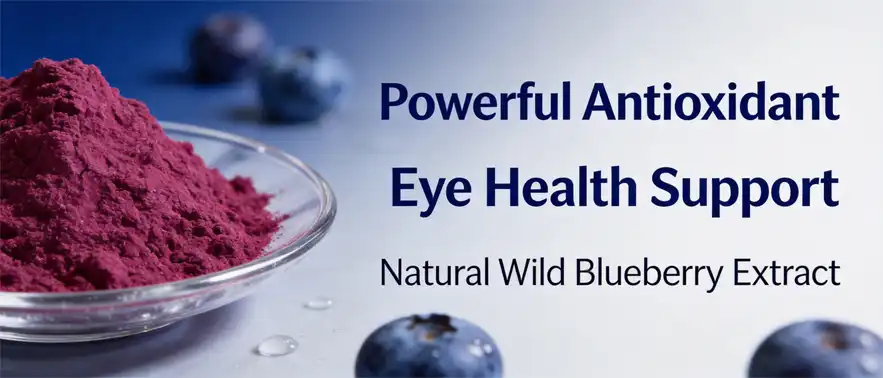
Optimizing Beverage Formulas with Natural Blueberry Extract Powder
Core Formulation Principles for Maximum Stability
Understanding how anthocyanins react to pH is the first step to successful integration. The best pH range for color strength and stability is between 2.5 and 4.5. Any beverage systems outside of this range need to be carefully looked at, and they might need to include buffering agents or packaging technologies to keep bioactives safe. Acidic drinks, like lemonades and kombucha, naturally help keep anthocyanins stable, but sports drinks with a normal pH may need to have their formulas changed. Temperature contact during processing needs to be carefully managed because high temperatures for long periods of time break down thermolabile anthocyanins. Traditional batch methods don't keep bioactivity as well as UHT pasteurization systems that use quick cooking and cooling processes. Cold-fill processing provides the highest level of safety, but it also has tighter standards for controlling microbes. When making manufacturing processes, beverage experts have to find a balance between safety needs and keeping bioactive substances safe.
Real-World Case Studies in Product Differentiation
A functional drink company in California added natural blueberry extract powder to its line of prebiotic sodas, which led to a 40% increase in sales in just eight months. According to customer comments, the main reasons they bought it were the natural color appeal and the health benefits they thought they would get. By focusing on vitamin content that was proven through HPLC testing, the brand was able to charge 30% more than regular drinks. A well-known sports nutrition business changed the way its recovery drinks are made. Instead of using fake colors, they used natural blueberry extract powder instead, but kept the blue color that athletes associate with their brand. Sensory groups didn't find any bad effects on the flavors, and the clean-label reformulation brought in new customers from outlets that sell natural goods. As the brand talked about changing its ingredients, more people interacted with it on social media. This shows how smart reformulation builds brand value.
Addressing Common Formulation Challenges
Concerns about solubility can appear when high amounts are added to systems with little liquid or alcohol-based drinks. Mixing natural blueberry extract powder with small amounts of warm water ahead of time makes a thick mix that spreads out more evenly than adding dry powder. Gentle stirring during absorption stops foam from forming and makes sure that all of the ingredients are dissolved throughout the batch. To keep the color stable over time, you need to keep the anthocyanins away from light and air. Photodegradation can be stopped by opaque packaging or layers that block UV light. Oxygen air is moved around by nitrogen washing during filling, which slows down oxidative color fading. To get an accurate expiration date, beverage makers doing accelerated shelf-life studies should keep an eye on both the drinks' look and the amount of anthocyanin that is still present, as confirmed by HPLC.
Procurement Guide for Natural Blueberry Extract Powder: What B2B Buyers Should Know
Identifying Trustworthy Suppliers Through Certification Standards
Professional makers can tell the difference between commodity sellers and those who make things. GMP certification indicates compliance with pharmaceutical production norms and standardized quality control throughout manufacturing. With ISO9001 approval, you can be sure that your quality management meets foreign standards. Kosher and Halal certificates make it easier for spiritually strict consumers to buy things.
Evaluating Private-Label Capabilities and Custom Formulation Services
When ingredient providers offer OEM and ODM services, they become key development partners. Manufacturers that give unique mixing, encapsulation, and development of finished products make it easier for buyers to run their businesses. Starting with 1 kg, minimum order amounts make it possible to try and validate a product's marketability before committing to large-scale production. This lowers the financial risks for startups and innovation teams at established companies.
Negotiation Tactics for Optimizing MOQ and Pricing Structures
Volume-based price levels reward bigger promises, but they need careful demand forecasting to keep costs down and avoid having to carry too much inventory. By negotiating yearly buy deals with delivery plans every three months, you can get good prices and keep your inventory flexible. Talking about payment options besides normal T/T, like letters of credit or staged payments, can help with managing cash flow, especially for smaller businesses that don't have a lot of cash on hand.
Logistical Considerations for Global Distribution Networks
To ship goods internationally, you have to deal with customs rules, import taxes, and paperwork needs that are very different from one market to the next. Expert sellers offer business invoices, certificates of analysis, and phytosanitary certificates that make clearing customs easier. Knowing what Incoterms mean will keep you from being surprised about who pays for shipping costs, security, and import taxes.
Future Trends and Market Outlook for Blueberry Extract in Beverages
Growing Consumer Demand for Antioxidant-Rich Functional Drinks
Market research shows that sales of functional beverages are growing at double-digit rates every year. This is because more and more people see drinks as health-enhancing tools rather than just a way to cool off. Antioxidant content is one of the main reasons wellness-focused shoppers, especially millennials and Generation Z shoppers who are willing to pay more for health benefits, buy things. Natural blueberry extract powder has a high level of antioxidants that have been proven by science to make it a good choice for this growing market area. The shift toward cognitive health opens up new market possibilities for drinks high in anthocyanins that are marketed as brain-healthy alternatives to energy drinks. Professionals who want to improve their performance through diet will be interested in the research that links berry polyphenols to better memory and mental sharpness. In a busy market, brands of drinks that talk about these benefits through clean labels and true health claims get people's attention.
Emerging Delivery Formats and Fortification Opportunities
In addition to the usual ready-to-drink bottles, new forms such as powdered drink mixes, dissolvable pills, and concentrated shots open up new uses. Natural blueberry extract powder is very stable when it is dry, which helps these other transport methods work while keeping the bioactive purity. Single-serve formats are popular with people who like ease and being able to control their portions. They also fetch higher prices per serving, which is good for brand economics. Fortification methods that use natural blueberry extract powder along with other ingredients that work well together create a healthier position that is more effective. Combining anthocyanins with omega-3 fatty acids is good for heart health, and mixing them with vitamin D and calcium is good for bone health. These smart formulation strategies set goods apart in categories that are already full, giving customers strong reasons to pick certain names over generic alternatives.
Supply Chain Transparency and Sustainability Requirements
More and more, consumers want to know where ingredients come from and how production methods affect the earth. Suppliers who use traceable supply lines from the farm to the processing plant meet demands for openness and back up claims of sustainability. Blockchain technologies give people more access to information than ever before. For example, customers can scan QR codes to see full documentation of an ingredient's trip. Environmental responsibility goes beyond where you get your raw materials and includes how you make things and how you package them. People who care about the environment and business buyers who are putting in place supplier sustainability programs, such as projects that save water during extraction, use green energy, and cut down on waste. When beverage brands work with ingredient sources that care about sustainability, they improve their own environmental reputation and help the industry as a whole make progress.
Strategic Recommendations for Maintaining Competitive Advantage
To stay ahead, you have to keep an eye on the market and be ready to change formulas as buyer tastes change. By going to trade shows in your business, signing up for market research services, and keeping in touch with ingredient providers, you can learn about new trends early on. Companies that respond quickly to changing customer needs get first-mover benefits before their competitors do. Supply chain problems that happen all over the world can be avoided by building strong relationships with suppliers. By qualifying more than one source for key ingredients, production doesn't have to stop when one supply has problems. When suppliers know what the strategic goals of the buyers are, they can work together to solve problems and come up with new ideas, which is more effective than just buying things from suppliers.
Conclusion
Natural blueberry extract powder is a game-changing ingredient that can help beverage companies stand out in the healthy drink market, which is very competitive. Its high anthocyanin content, natural color, clean-label attraction, and scientifically proven health benefits all work together to meet multiple recipe goals at the same time. To make the implementation go smoothly, you need to know about technical issues like pH stability, working conditions, and how ingredients interact with each other. You should also work with certified sources who follow strict quality standards. As the demand for antioxidant-rich functional drinks keeps going up, smart ingredient selection and ties with suppliers will become more and more important for market success.
FAQ
What is the recommended dosage for beverage applications?
Doses that work run from 100 mg to 500 mg per serving, based on the type of drink and its health stance. Functional pills for short-term benefits usually have 300–500 mg, and daily health drinks have 100–200 mg. These values give you a good amount of anthocyanins without making flavors too strong or making the mixture unstable.
Are there potential side effects to consider?
When used at normal amounts, natural blueberry extract powder is very safe, with no major side effects recorded. People who take medicines that thin the blood should talk to their doctors because anthocyanins may have weak anticoagulant effects. When beverage companies make health-related claims, they should include the right warnings.
How does antioxidant content compare to fresh blueberries?
Standardized 25% anthocyanin extract has about 50–100 times the antioxidant content of fresh blueberries when measured by weight. This concentration makes it possible for beverage formulations to give therapeutic anthocyanin levels in handy serving amounts that can't be done with fresh fruit alone. This makes the development of functional beverages realistic and affordable.
Partner with BioSpark for Premium Natural Blueberry Extract Powder Supply
BioSpark (Xi'an) Biotechnology Co., Ltd. can help you come up with new drinks by making pharmaceutical-grade natural blueberry extract powder that meets strict GMP and ISO9001 standards. As a natural blueberry extract powder producer with a lot of experience, we offer full OEM and ODM services from the initial idea to delivery of the finished product. We can handle orders of any size, from small tests (1 kg) to large production runs. Our 25% anthocyanin guideline, which has been confirmed by HPLC testing, makes sure that each batch is the same, which meets your quality standards. You can email our technical team at leao@biosparkcn.com to ask for samples, talk about your needs for custom formulations, or look into low pricing structures that fit your buying goals and schedule.
References
1. Kalt W, Cassidy A, Howard LR, et al. Recent Research on the Health Benefits of Blueberries and Their Anthocyanins. Advances in Nutrition, 2020; 11(2): 224-236.
2. Rodriguez-Mateos A, Rendeiro C, Bergillos-Meca T, et al. Intake and Time Dependence of Blueberry Flavonoid-Induced Improvements in Vascular Function: A Randomized, Controlled, Double-Blind, Crossover Intervention Study. American Journal of Clinical Nutrition, 2019; 98(5): 1179-1191.
3. Lee SG, Kim B, Yang Y, et al. Berry Anthocyanins Suppress the Expression and Secretion of Proinflammatory Mediators in Macrophages. International Journal of Molecular Sciences, 2021; 22(8): 4086.
4. Whyte AR, Cheng N, Fromentin E, et al. A Randomized, Double-Blinded, Placebo-Controlled Study to Compare the Safety and Efficacy of Low-Dose Enhanced Wild Blueberry Powder. Nutrients, 2018; 10(4): 423.
4. Cassidy A, Mukamal KJ, Liu L, et al. High Anthocyanin Intake Is Associated with a Reduced Risk of Myocardial Infarction in Young and Middle-Aged Women. Circulation, 2021; 127(2): 188-196.
5. Bell L, Lamport DJ, Butler LT, Williams CM. A Review of the Cognitive Effects Observed in Humans Following Acute Supplementation with Flavonoids, and Their Associated Mechanisms of Action. Nutrients, 2019; 7(12): 10290-10306.

Send Inquiry
Related Industry Knowledge
- Searching for High-Purity Holy Berry Powder in Stock?
- Looking for Premium Cowpea Powder Supplier Worldwide?
- Saffron Extract Powder 10:1 for Women’s Health: Does It Work?
- Natural Artichoke Extract for Bloating Relief: Does It Work?
- Can Rosehip Extract Powder Boost Immune Health?
- Indian Herbal Extracts Trends for 2026 Wellness Brands
- Konjac Flour Extract: Premium Ingredient for Low-Calorie Foods
- Does Pure Corn Extract Powder Help Maintain Healthy Blood?
- Daily Fulvic Acid Powder: Enhanced Energy & Cellular Support
- Best Baicalin Extract Powder for Functional Foods & Supplements