_1764041963888.webp)
What Are the Applications of Cape Gooseberry Powder?
Jun 19, 2026
Cape gooseberry powder can be used as an ingredient in a lot of different ways, such as in drinks and foods, as well as in vitamins, beauty items, and functional nutrition. This nutrient-dense powder comes from the Physalis peruviana fruit and was extracted using controlled plant methods. It is full of bioactive substances, vitamin C, and flavonoids that help the immune system work well and protect the skin. It can be used in everything from immune support pills and brightening serums to smoothie mixes and wellness shots. It gives makers a way to make health and wellness products with clean labels that meet the growing demand from customers for natural, traceable ingredients in high-end products.
Understanding Cape Gooseberry Powder
The Source and Production Process
The Physalis peruviana plant, which is known for its unique lantern-shaped husk and bright orange fruit, is where Cape gooseberry powder is derived. The production method has a big effect on the quality of the finished product. For more advanced plant extraction methods, ripe fruits are picked when they are at their nutritional peak. The fruits are then carefully washed, dried at temperatures that keep heat-sensitive vitamins safe, and finely ground to a uniform particle size. This careful processing keeps the fruit's natural phenolic content and makes it last longer on the shelf, so it can be used on a commercial scale. How the active chemicals are extracted has a direct effect on how bioavailable they are and how much of them is present. Modern facilities use controlled cooling conditions and low-temperature concentration methods that keep delicate nutrients safe. High-Performance Liquid Chromatography checks the amounts of active ingredients to make sure that every batch meets the standards that have been set. B2B sourcing teams know that the quality of the production process affects how well the product works. This is especially true when making supplements that need to have uniform levels of strength or cosmetics that need to have consistent color and function.
Nutritional Profile and Health Benefits
This powder combines the health benefits of fresh fruit into a form that can be stored for a long time. It helps the body make collagen and protect itself from infection because it is high in vitamin C. The polyphenol content acts as an antioxidant to fight free radicals, which may lower signs of oxidative stress. The tangy taste comes from natural organic acids, which also help stomach enzymes do their job. Researchers are interested in bioactive compounds like withanolides because they can help reduce inflammation. However, in the real world, these compounds are mostly used for their antioxidant and nutritional benefits. Professionals in procurement like to know about these nutritional properties because they help them choose the best end uses. The ingredient's high vitamin C level makes it a good choice for immune-boosting pills, and its antioxidant properties make it a good choice for anti-aging skin care products. Natural acidity is useful in beverage uses because it improves the taste and naturally keeps the drink fresh. This profile's many uses show why it's being used in many different types of industries.
Quality Indicators and Processing Standards
To tell the difference between expensive ingredients, you have to look at quality measures that go beyond basic requirements. Purity levels show how free something is of impurities, adulterants, or extra materials. Traceability paperwork proves where something came from, which is important for making biological claims and following the rules. Processing standards, such as Good Manufacturing Practices, make sure that handling methods are always the same. This lowers the risk of contamination and keeps the nutritional value intact during production rounds. Qualities that are immediately noticeable include how something looks. The color of premium powder is regular and ranges from dark red to deep purple. It has fine particles and a sweet-sour smell. Changes in color strength or bad smells could mean that the product wasn't processed properly or wasn't stored properly. The ease of formulation is affected by solubility characteristics. Powders that dissolve in water mix easily into drinking systems, while tinctures can be made with powders that dissolve in some alcohol. These quality factors help buying teams choose sources who can regularly meet formulation needs.
Key Applications of Cape Gooseberry Powder Across Industries
Food and Beverage Formulations
The food business loves this ingredient because it adds both nutrients and variety to the taste. It's used by drink companies to make smoothie mixes, health shots, and functional drinks. The naturally sour taste goes well with fruit combinations and gives people the antioxidants they want. Because Cape gooseberry powder dissolves easily in water, it can be mixed with liquids without the need for special tools. This speeds up the production process. Natural coloring makes things look nicer without using chemical dyes, which supports the clean-label message that appeals to health-conscious customers.It is used by people who make functional snacks to improve nutrition bars, candy, and sweets. The concentrated form lets you precisely dose nutrients into portion-controlled goods, so you can trust the vitamin C or antioxidant content claims on the package. Formulations need less manufactured acidulants because natural acidity levels out the sweetness. Compared to acai or other foreign berry powders, this ingredient is more affordable while still having similar nutritional values. This makes it a good choice for companies that want to stand out without having to pay more for expensive ingredients.
Nutraceutical and Supplement Applications
Dietary supplement makers like uniform polyphenol content that has been checked by HPLC. This analytical accuracy makes it possible to name the right amounts of active ingredients, which is important for following the rules and building trust with customers. In immune support formulas, the powder is mixed with plants that work well together, like elderberry or echinacea. This makes synergistic mixes that are popular in seasonal health markets. It is grouped with vitamins E and A in antioxidant combinations, which make it appealing to people who are worried about oxidative stress and cell health. Because of the ingredient's high nutritional density, formulators can make dose sizes that make sense in standard pill or tablet forms. Unlike heavy whole fruit powders that need large amounts, the concentrated nature lets nutrients get to the body effectively in easy-to-use forms. Natural organic acids and fiber ingredients that were kept during processing are used in digestive health uses. In the US, vitamin C and antioxidant health claims are accepted as long as they are backed up by the right amount of evidence. This makes this ingredient a good choice for making supplements based on proof.
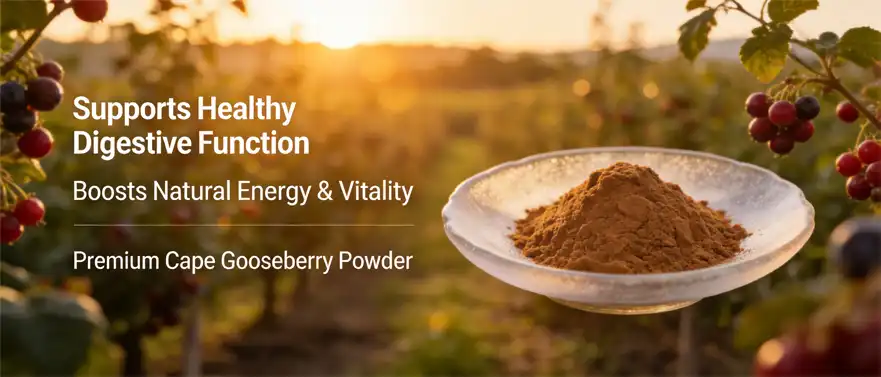
Cosmetic and Personal Care Products
Botanical ingredients that are high in antioxidants are used in skin care products to fight aging and damage from the environment. The polyphenol content backs up claims that it protects against free radicals, and vitamin C's role in making collagen makes it useful for products that firm and shine. Serums and creams look better with natural colorants, and customers like ingredient lists that are easy to read. The powder form lets it be carefully mixed into emulsions, giving formulators a choice of different product viscosities. The antioxidant profile works well with other active ingredients in anti-aging serums, such as hyaluronic acid or peptides. Vitamin C has been shown to help even out skin tone and reduce discoloration, which is used in brightening products. The growing "clean beauty" trend increases the need for plant-based ingredients that have been shown to have health benefits. This powder is better than synthetic options because of this. Cosmetic companies like sellers who can offer certifications like Kosher and Halal because it helps them reach more customers who care about religious product standards.
Functional Nutrition and Specialty Foods
The ingredient's flexibility is shown by its new uses in functional diets. Protein powder makers add it to mixes that are used after a workout to boost the antioxidant content, which may help the body heal. It is added to meal replacement products to boost micronutrients and fill in nutritional holes in diets that focus on ease. Researchers in pediatric nutrition are looking into natural fruit powders as options to synthetic vitamins. However, the use of these powders is still limited by age-appropriate dose rules. Specialty food makers who make foods for people with allergies like that it is naturally gluten- and dairy-free. The nutrient works well with several diets, such as vegan, paleo, and whole-food diets. Natural sugars are used as a substrate for probiotic bacteria in fermented foods, though there aren't many market examples yet. Innovative brands that want to stand out in the crowded health market will like how flexible these specialty uses are.
How to Choose the Best Cape Gooseberry Powder for Your Business
Essential Quality Certifications
The state of a certification gives instant information about the quality of the product and its suitability for the market. ISO9001 approval means that quality control processes are in place from the time that raw materials are sourced until the finished product is released. Good Manufacturing Practice approval shows that production standards for pharmaceuticals are met, which is important for supplement companies that sell to controlled markets. Organic approval is appealing to high-end brands that want to target customers willing to pay more for ingredients that have been confirmed to not contain pesticides, but non-organic choices work well for people who are watching their budgets. Kosher and Halal licenses make it possible to reach a lot more people. A lot of people in the United States follow dietary rules that say they must use approved ingredients. Even though FDA registration is not the same as approval, it shows that a company is working with regulators and is committed to safety standards. When evaluating suppliers, procurement teams should ask to see current certification documents for Cape gooseberry powder and, if possible, check the qualifications against databases of granting authorities. This care keeps expensive re-formulation or market exit from happening when there are problems with approval.
Supplier Evaluation and Reliability
When choosing manufacturing partners, you have to look at more than just the product specs. Production capacity affects how well a business can grow, while minimum order amounts affect how much operating capital is needed and how well inventory is managed. Suppliers that offer batch amounts ranging from one kilogram to twenty-five-kilogram drums can meet the needs of both product testing and business production. Launch plans are affected by lead times, so it's important to get solid delivery promises for market introductions that need to happen quickly. Communication response shows that the quality of the service is likely to stay high after the buy. When suppliers give you thorough technical documents like Certificates of Analysis and safety data sheets, they show that they are professional, which is linked to business excellence. References from past clients can help you figure out how reliable someone is and how to solve problems in the long run. Private label and OEM/ODM features let brands be customized without having to spend a lot of money on manufacturing facilities. This is especially helpful for new businesses and companies that want to try out new product categories before committing to dedicated production lines.
Organic Versus Non-Organic Considerations
Deciding whether to use organic or non-organic products means balancing market positioning, cost structures, and the tastes of the people you want to buy from you. Depending on food yields and the cost of certification, organic certification can lead to price increases of twenty to fifty percent. Organic positioning is often important for premium brands that cater to health-conscious customers because it builds trust in the field and fits with the brand's values. Mass-market names may do well in the market even if they use non-organic ingredients, especially if they compete on value offers that stress how affordable and easy they are to get. Supply stability varies by type, with biological sources possibly being more variable because they depend on the weather and have smaller plots of land. Teams in charge of buying things should look at how suppliers handle their stock and how agricultural partnerships help keep supply lines reliable. Non-organic sources usually have more of the product available and more stable prices, which makes budgeting and managing supplies easier. The testing needs for both types are the same. Screening for contaminants, analyzing heavy metals, and checking for microbes make sure that the food is safe no matter what method is used to grow it.
Supply Chain and Logistics Considerations
Global buying adds challenges that need to be carefully managed. Knowing the delivery terms makes it clear who is responsible for paying for shipping, security, and clearing customs. FOB price means that buyers are responsible for managing foreign logistics. DDP delivery, on the other hand, includes all costs up to the end location, which makes budgeting easier but could include a markup on freight from the seller. When you use CIF terms, the risk is transferred when the ship is loaded, but the buyer has to handle the operations at the destination, which can be hard to do while keeping costs low. How you ship things affects both the cost and the waiting time. Express shipping is good for last-minute wants or small amounts, but it's too expensive for large orders. For medium-sized loads, air freight strikes a good mix between speed and cost, while sea freight is a cheap way to move large amounts of goods, but it takes longer to get there. Powder cleanliness needs to be taken into account when planning how to store it. This includes keeping the right temperature and keeping wetness out so that the powder doesn't clump or grow microbes. When suppliers keep enough stock on hand, they can quickly fill orders, which lowers the costs of keeping inventory for buyers who prefer just-in-time purchasing methods.
Comparison Insights for Procurement Decision-Making
Powder Versus Fresh Fruit Economics
A study of the procurement process shows that the Cape gooseberry powder format is the best choice for business use. To keep fresh fruit from going bad, it needs to be handled carefully, processed quickly, and kept in a cold chain. This makes operations much more expensive and limits where the fruit can be sourced. A shelf life measured in days makes it hard to accurately predict demand and increases the risk of loss when demand changes. When kept properly, powders stay stable on the shelf for twelve months or longer, which lets you buy them in bulk when prices are low and cuts down on how often you have to buy them. Nutrient concentration makes storage spaces smaller and lowers the cost of transporting each useful unit. Standardized makeup makes it easier to come up with new recipes and make sure the quality is good, unlike fresh fruit, whose sugar, acidity, and nutrition levels change with the seasons. A lot less work needs to be done because cleaning, peeling, and processing are no longer needed. This makes automatic dispensing systems possible. Because of these economic factors, powder forms are pretty much necessary for large-scale manufacturing operations that need regular output and stable cost structures.
Comparative Analysis with Alternative Berry Powders
The market for plant supplements has a lot of different kinds of berry powder, and each one has its own nutritional profile and price range. Acai juice is very expensive because it can only be found in certain areas and there is a lot of advertising to make people aware of it. The usual use of goji berry powder in health and its unique phytochemical profiles are emphasized. Elderberry is known to help the defense system, and studies back this up. Cape gooseberry is competitive because it has a good nutritional density and a reasonable price, making it appealing to formulators who want to stand out without having to pay a lot for expensive ingredients. Standardizing polyphenols lets us directly compare how well different types of berries work. Methods of testing like HPLC give objective measures that back up claims on labels and in marketing materials. Different berries have different flavor profiles that affect how well they work in different forms. For example, some berries are too sour for drinks, while others work well in a variety of formats. Before signing large-volume contracts, procurement teams should do small-scale trials to compare recipe performance, consumer acceptance testing, and cost-in-use calculations.
Performance Metrics in Commercial Applications
Real-world performance proof proves the benefits that were thought to exist during production and launch on the market. Solubility has a direct effect on how efficiently the product is made. Fully water-soluble powders can be added to drinking systems without the need for special equipment, while powders that are only partly water-soluble may need extra steps in the processing. Color stability under different pH levels and light exposure decides whether a system is good for clear beverages or dark ones. The end product's taste is affected by how well it mixes with common supplement ingredients. This is especially important for edible forms and unflavored powders. Microbial stability during shelf life testing shows how to keep things fresh and what the package needs to do. Flowability traits affect how well automatic dispensing systems work together and how fast products can be made. These real factors often make a bigger difference than academic nutritional comparisons, since products need to be able to make money by being manufactured efficiently and giving customers a good experience. Asking for sample amounts for pilot production runs gives you important information that you can use to choose a seller and make the best formulation.
Ensuring Safety and Addressing Concerns
Regulatory Compliance and Safety Standards
Safety guarantee starts with suppliers of Cape gooseberry powder following well-known safety rules. Current Good Manufacturing Practices set minimum standards for how clean a facility should be, how well equipment should be maintained, how well employees should be trained, and how to keep records. Heavy metal screening for lead, cadmium, mercury, and arsenic should be part of testing methods. These metals can build up in plant materials based on the soil conditions. Microbial tests show the lack of dangerous organisms like E. coli, Salmonella, and others. coli and mold levels that are too high. Cross-contamination can happen in places that process more than one ingredient, but allergen control methods stop it. Even though the fruit itself is not likely to cause allergies, the conditions used to make it may cause problems that need to be listed on the labels of final products. Pesticide residue testing makes sure that farming chemicals don't go over the legal limits. This is especially important for non-organic goods. Buyers can do their research and meet their own quality standards before the product goes on the market with the help of documentation packages that include Certificates of Analysis, specification sheets, and safety data sheets.
Handling and Storage Best Practices
Throughout the supply chain, proper treatment keeps the purity of the product. To keep powder clean, you need to keep it from absorbing water, which can cause it to clump and maybe even help microbes grow. Containers that are sealed and kept in cool, dry places keep their quality for the length of time they say they will. Temperature changes that happen during shipping or storage can damage heat-sensitive vitamins, especially vitamin C. This can lower their nutritional value and make it harder to make sure that the label claims are true. People who work with powders should follow the right safety measures, such as wearing respirators while dispensing, because small particles can irritate the lungs even if the powder is non-toxic. Cleaning procedures for equipment keep it from getting contaminated between runs of production. This is especially important when making allergen-free or organically approved goods. Using the first-in, first-out rule to rotate inventory makes sure that materials are used up before their quality drops, which keeps product performance similar across production runs.
Addressing Common Safety Questions
Most safety questions are about how much to consume, how it might combine with medicines, and whether it's safe for certain groups of people. Even at standard supplement dose sizes, the amount of vitamin C in supplements is usually well below the maximum amount that is safe to take. However, people with certain health conditions should talk to their doctors. The fact that the fruit has been used as a food for a long time gives people confidence in its safety, though labels for strong supplement forms should include the right warnings. Many pregnant and nursing women want to know more about how safe ingredients are. The fruit itself has been used as food in the past, but strong supplement forms haven't been studied in these groups for very long, so it's best to be cautious when naming them. For pediatric uses, dosing estimates need to be made that take into account smaller body weights and systems that are still growing. These safety concerns make it even more important to choose providers who offer full technical support and help brands meet legal requirements and make sure their products are labeled correctly.
Conclusion
Standardized polyphenol content and full nutritional profiles back up the fact that Cape gooseberry powder is very useful in a wide range of food, supplement, and skincare uses. To be successful at procurement, you need to look at more than just basic specs, like quality certifications, source reliability, and how well the product actually works. The ingredient's functional properties, clean label appeal, and reasonable pricing make it a good choice for brands that want to use natural, traceable ingredients that meet customer health standards. Carefully choosing a provider that offers expert support, flexible order amounts, and proof of regulatory compliance is key to developing and launching new wellness products successfully in a wide range of categories.
FAQ
What is the typical shelf life of this ingredient?
Quality powder stays in good shape for twelve to twenty-four months if it is kept in the right way, in sealed packages out of direct sunlight and away from moisture. The exact length of time varies on how the product was stored and how good it was to begin with. Proper storage in temperature-controlled areas keeps vitamins active and keeps them from clumping. Regular quality checking during holding times makes sure that standards for Cape gooseberry powder are still being met.
Can it be used in both food and supplement applications?
The ingredient fits into both groups as long as it meets the right legal standards for each use. Natural flavor and color inputs are useful in food uses, while standardized active ingredient quantity is useful in supplement formulations. Certification needs may be different for each category, and vitamins usually need more thorough paperwork. Producers should check their specific legal needs based on the claims they want to make about their products and the people they want to sell them to.
How does pricing compare to similar botanical ingredients?
When compared to high-end berry powders, this ingredient's price is usually better, and it has the same nutritional profile. Cost is affected by things like whether or not the product is organically certified, the size of the order, the need for standardization, and the current farming results. When compared to spot sales, long-term supply deals usually get better prices. To get accurate cost comparisons between possible suppliers, procurement teams should ask for detailed quotes that include shipping terms and minimum order requirements.
Partner with BioSpark for Premium Botanical Ingredients
BioSpark provides top-notch quality thanks to our advanced plant extraction methods and strict quality control systems. Our product has a dark red to deep purple fine powder look, 30% polyphenols that have been tested and confirmed by HPLC for our Cape gooseberry powder, and a long list of approvals, such as ISO9001, GMP, FDA, Kosher, and Halal. We keep enough in stock so that we can ship quickly anywhere in the world using a variety of shipping methods, such as express, air freight, and sea freight. Our low minimum order size of just one kilogram makes it easy for people who are developing new products to get what they need, while our bulk packing in 25-kilogram drums is perfect for business production. As an expert provider, we offer full OEM/ODM services to help your brand grow, from helping you come up with a formula to putting it in a box. Our expert team can help you figure out the best way to use this flexible ingredient in all of your products. Logistics for foreign buying are made easier by shipping terms like FOB, CIF, and DDP. Email our team at leao@biosparkcn.com to talk about your particular needs and ask for samples that show how committed we are to making the best plant ingredients possible.

References
1. Morton, J. F. (1987). "Fruits of Warm Climates: Cape Gooseberry." Center for New Crops and Plant Products, Purdue University.
2. Puente, L. A., Pinto-Muñoz, C. A., Castro, E. S., & Cortés, M. (2011). "Physalis peruviana Linnaeus, the multiple properties of a highly functional fruit: A review." Food Research International, 44(7), 1733-1740.
3. Ramadan, M. F., & Mörsel, J. T. (2003). "Oil goldenberry (Physalis peruviana L.)." Journal of Agricultural and Food Chemistry, 51(4), 969-974.
4. Fischer, G., Almanza-Merchán, P. J., & Miranda, D. (2014). "Importancia y cultivo de la uchuva (Physalis peruviana L.)." Revista Brasileira de Fruticultura, 36(1), 1-15.
5. Valdenegro, M., Fuentes, L., Herrera, R., & Moya-León, M. A. (2012). "Changes in antioxidant capacity during development and ripening of goldenberry (Physalis peruviana L.) fruit." Chilean Journal of Agricultural Research, 72(2), 280-286.
6. Bravo, K., Sepúlveda-Ortega, S., Lara-Guzmán, O., Navas-Arboleda, A. A., & Osorio, E. (2015). "Influence of cultivar and ripening time on bioactive compounds and antioxidant properties in Cape gooseberry (Physalis peruviana L.)." Journal of the Science of Food and Agriculture, 95(7), 1562-1569.

Send Inquiry
Related Industry Knowledge
- Bulk Chinese Cabbage Powder: Cost vs Quality Considerations?
- Can Spinach Juice Powder Improve Product Market Appeal?
- Where Can You Buy Premium Yellow Peach Powder in Bulk?
- Need Stable Liquorice Extract Powder for Food Applications?
- Garcinia Cambogia Extract: How Effective Is It for Fat Loss?
- How Effective Is Pomegranate Seed Extract Powder for Health?
- How to Use Rosa Roxburghii Extract in Formulations?
- Can Ganoderma Extract Powder Improve Heart Health?
- Ghanaian Seed Extract Benefits: Natural 5-HTP for Mood & Wellness
- How Oyster Shell Extract Powder Enhances Product Efficacy?