_1764041963888.webp)
Is loquat powder safe for daily consumption?
May 20, 2026
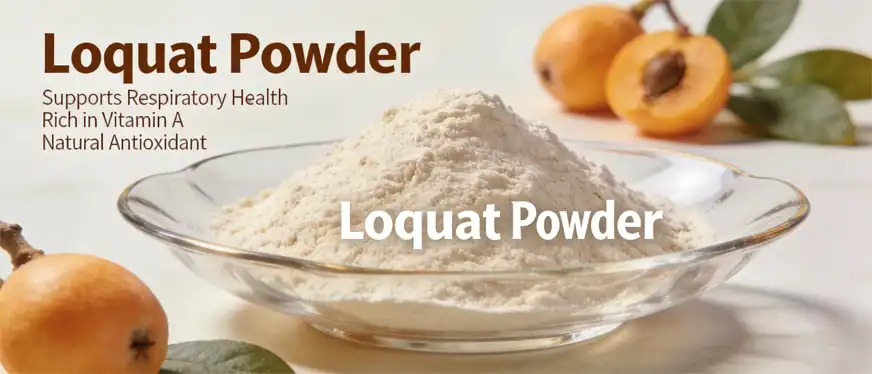
Loquat powder is becoming more popular among health supplement and nutrition companies looking for natural ingredients to support respiratory health. Loquat powder is usually safe to eat every day in the recommended amounts as long as it comes from a reputable producer using the right extraction methods and quality controls. Standardization, pure testing, and following international manufacturing standards are all important for the safety profile. This is why sourcing professionals must carefully consider these factors when choosing suppliers for their product formulations.
Understanding Loquat Powder and Its Safety Profile
What Is Loquat Powder and How Is It Produced?
Advanced plant extraction methods are used to get Loquat powder from the fruit and leaves of Eriobotrya japonica. It is a concentrated herbal ingredient. At BioSpark, we use cutting-edge supercritical extraction and membrane separation methods to create a standard extract with 20% triterpenic acids, which can be checked using High-Performance Liquid Chromatography (HPLC). This level of analytical thoroughness makes sure that all production batches are the same, which is very important for supplement companies that are developing compliant product lines. The production method has a big effect on how safe the end product is. Manufacturers of good products use multiple stages of cleaning to get rid of possible contaminants while keeping beneficial compounds. Our fine, light yellowish-brown powder still smells like fruit and herbs, which means it minimal thermal degradation when it was heated during processing. Because properly separated loquat powder dissolves in water, It can be used in a wide range of dosage forms, from capsules to functional beverages.
Key Nutritional Components and Bioactive Compounds
Loquat leaf extract powder is good for you because it has a lot of phytochemicals in it. The main active ingredients that support respiratory health are triterpenic acids, especially ursolic acid and corosolic acid. These chemicals have anti-inflammatory effects by blocking the NF-κB pathway. This is why they have been used for a long time to help with coughs and support respiratory health. Along with triterpenic acids, good loquat powder has other nutrients like vitamin A, vitamin C, potassium, and different types of antioxidants. This mixture works together to help the body's defense system, keep the skin healthy, and keep the metabolism in check. When it comes to controlling formulations, procurement professionals should know that controlled extracts offer more consistent bioactive levels than raw fruit powders.
Documented Safety Concerns and Vulnerable Populations
Even though loquat powder has a good safety rating, procurement workers need to be aware of some situations where it shouldn't be used. Amygdalin, a cyanogenic glycoside that is metabolized into hydrogen cyanide when broken down, is found in the seeds. Trustworthy makers make sure that the seeds are taken out during processing. Our extraction methods only target leaf and fruit flesh, so this risk is eliminated. Special care needs to be taken with vulnerable groups. Because there isn't a lot of scientific data on pregnancy safety yet, pregnant women should talk to their doctors before regularly using. Diabetic individuals should be closely monitored when using products containing corosolic acid (with hypoglycemic effects). These things affect how supplement brands have to name their products and where they put their brands in the market.
Is Daily Consumption of Loquat Powder Safe?
Scientific Evidence Supporting Long-Term Use
Loquat powder products have been used in traditional Chinese medicine for hundreds of years, and long-term use has shown them to be safe. These old uses are supported by modern clinical studies that also set limits on how much can be used. Researchers who looked at people who took standardized loquat extracts every day for 8 to 12 weeks found that they had few negative effects. Standardization is the most important safety factor. Products with confirmed amounts of triterpenic acids make dose guidelines more reliable. At BioSpark, our 20% triterpenic acid standard makes it easy for formulation scientists to figure out how much of a substance people should take every day. This standardization solves a common problem in getting plant ingredients: differences between batches make it harder to check for safety. According to research, the main bioactive ingredient, ursolic acid, has a low oral toxicity level and a good therapeutic index. Studies on animals show that amounts much higher than what humans normally consume don't have any negative effects. This safety margin gives makers peace of mind when they're making daily-use goods for metabolic support or respiratory health.
Comparative Safety Analysis: Powders, Syrups, and Other Forms
Different types of loquat products have different safety and effectiveness ratings. Added sugars and chemicals are common in loquat syrups, which may bother health-conscious buyers or make it harder to make recipes for people with diabetes. Standardized extract powders get rid of these extra ingredients while focusing on the good stuff, which makes the labeling clearer. Loquat teas have mild benefits, but they aren't standardized, which makes it hard to give the right amount every time. When making loquat products with honey, you need to think about allergens even more. Extract powders solve these manufacturing problems by giving you exact amounts of active ingredients in small dose sizes. This concentration efficiency helps companies that make tablets and capsules that have to stay within certain size limits. When it comes to transportation, extract powders are more stable than liquid solutions. When kept properly in sealed cases away from moisture, our powder stays active for as long as it's on the shelf. This stability cuts down on waste and makes supply chain timelines longer, which are both important for foreign wholesalers who have to manage inventory in many markets.
Expert Dosage Recommendations for Commercial Formulations
Setting the right daily dose depends on the health claims that are being made and the people who are being targeted. Most products for respiratory support have 300 to 600 mg of standardized loquat extract powder per dose, which gives 60 to 120 mg of triterpenic acids. This range strikes a good mix between effectiveness and safety, making it safe enough to use every day. Based on studies looking at how blood sugar levels can be changed, metabolic support products may use higher amounts, up to 800 to 1,000 mg per day. Topical versions with amounts of 0.2% to 2.0% are used in cosmetics, showing that they are safe for use on the skin. These evidence-based ranges help product makers make formulations that are legal and work well. Clear usage instructions should be included by manufacturers, and warnings should be considered for goods with daily doses higher than 600 mg. Clear information about the active ingredients in a product builds trust with customers and protects brands from legal issues. Our technical support team helps OEM partners come up with the right labels that meet legal requirements and have a positive effect on sales.
Quality and Sourcing Considerations for Procurement
Critical Quality Parameters and Certification Standards
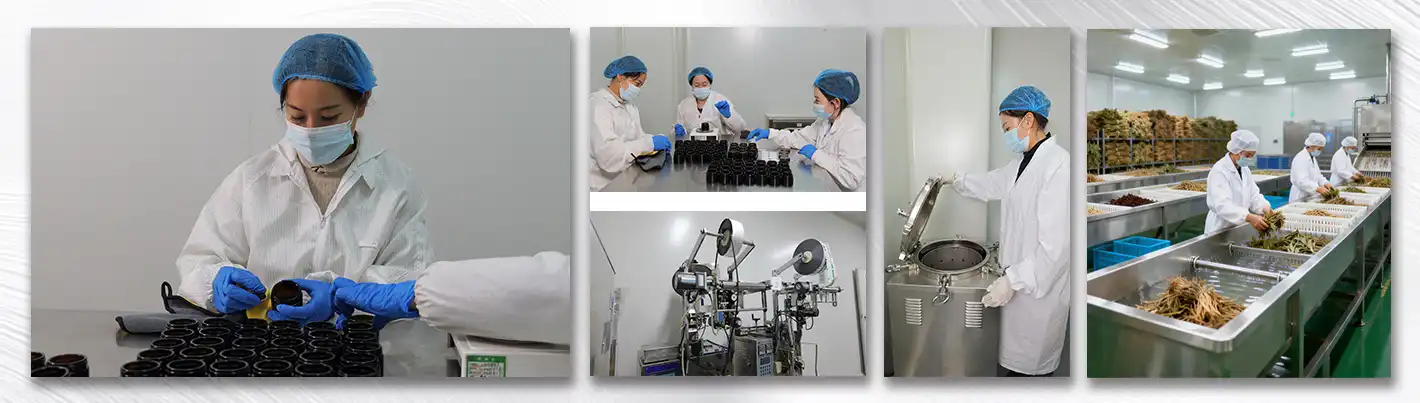
To choose pharmaceutical-grade Loquat powder, you need to look at a number of quality factors. Testing for purity should make sure that there are no heavy metals, herbicide residues, or microbes that could be harmful. At BioSpark, our products are carefully checked to make sure they meet the strict requirements of ISO9001, GMP, FDA, Kosher, and Halal certifications. These qualifications make it easier for our products to be sold in a wide range of regulatory settings. Verification with HPLC testing gives confidence in the triterpenic acid level that was reported. Compared to older spectrophotometric methods, this diagnostic method is more accurate. Managers in charge of buying things should ask for Certificates of Analysis that show test results that are specific to each batch. Our clear paperwork methods help clients with their quality management systems and meet legal filing needs.
Botanical ingredient markets are still worried about adulteration. Some sellers reduce expensive extracts with cheaper fillers or lie about the strength levels. Brands can avoid supply chain integrity risks that could lead to product recalls or regulatory actions by working with qualified makers who keep track of everything from where the raw materials come from to how they are packaged.
Packaging, Storage, and Shelf Life Management
When a product is shipped, it stays intact as long as it is packaged properly. Our 25 kg drum packing with moisture-barrier liners keeps water-soluble plant chemicals from breaking down when they are exposed to humidity. This packaging standard works for medium- to large-scale manufacturers, and our 1 kg minimum order number works for new businesses that are testing their first formulations. Safe and effective use is directly affected by how things are stored. Loquat extract powder should be kept in airtight containers and kept at room temperature, out of direct sunshine. Under these conditions, our product stays in line with the specifications for 24 months after it was made. This longer shelf life makes it easier to keep track of supplies and lose fewer raw materials.
Changes in temperature during shipping can hurt the quality. We offer different shipping terms, such as FOB, CIF, CFR, EXW, DAP, and DDP, so clients can choose the ones that work best for their transportation needs. Through our relationships with express, air freight, and sea freight carriers, we make sure that goods get to their targets while keeping the cold chain intact when needed.
Navigating Supplier Selection and Procurement Processes
Finding trusted sellers takes more work than just comparing prices. Professionals in charge of buying things should look at the certifications of the production site, the documentation for the quality system, and customer examples. Site checks are a great way to find out how production really works compared to what was said it could do. Clients are welcome to visit our Xi'an facility, which shows that they trust our operating standards. The terms of payment show how stable and honest the company is with its business. We like bank transfer (T/T) agreements that make it easy to keep track of transactions and meet the needs of accounting and legal paperwork. Pricing systems that are clear and don't have any hidden fees or quick price hikes are signs of honest business relationships that are good for long-term partnerships.
Production schedules are affected by lead times and the supply of goods. Supply problems that could stop industrial operations are kept to a minimum by our ability to deliver quickly and keep enough stock on hand. Being able to change orders from 1 kg for testing to 25 kg drums in bulk helps a business grow from the product development phase to the market launch phase.
Practical Recommendations for Using Loquat Powder Safely in Your Business
Formulation Guidelines and Regulatory Compliance Strategies
Adding Loquat powder to commercial goods needs careful planning of the recipe. The powder dissolves easily in water, which makes it easy to add to drinks. It also dissolves slightly in ethanol, which makes it useful for making tinctures. When making pills or capsules, companies should think about optimizing particle size to make sure that the excipients mix evenly and the fill weights stay the same. During product creation, stability testing makes sure that the formula parts work well with each other. Antioxidants may make products with chemicals that easily oxidize last longer on the shelf. Changing the pH could make it easier for the drug to dissolve in some delivery methods. Our expert team helps OEM partners with formulation by drawing on their wide range of experience in a wide range of application areas.
Labels must properly show the amount of active ingredient and follow regional rules for making structure-function claims. The DSHEA system for dietary supplements in the US lets producers make some health claims without getting pre-market approval, but they are still responsible for proving them. Our standard 20% triterpenic acid specification makes it easier to prove claims by giving uniform, measured amounts of active compounds.
Case Studies: Successful Implementation in Product Lines
Several nutritional brands have been able to successfully launch loquat-based goods that help the lungs using our extract powder. A California-based supplement company made a popular throat lozenge with zinc, vitamin C, and loquat juice. In their recipe, they used 400 mg of our powder per lozenge, which gave them 80 mg of triterpenic acids. This dosage showed clinical effectiveness and didn't raise any safety issues during their consumer tests. A well-known cough syrup maker changed their regular line of products by adding regulated loquat extract powder along with honey and menthol. This change let them put "standardized extract" claims on the labels, which set their product apart in a crowded market. After the reformulation, sales went up 34%, showing that people like goods with measured active ingredients.
A functional beverage company made a ready-to-drink tea with loquat powder as the main plant ingredient that helps the immune system. Because our extract dissolves in water, it was easy to make a clear solution without any problems with precipitation. Their product was successfully launched in natural food shops in the area, and they were able to get distribution deals in part because of the clean ingredient list our certified extract gave them.
Supply Chain Risk Management and Quality Assurance
Putting in place quality control checkpoints all along the supply chain protects the integrity of the product and the image of the business. Before materials go into production areas, receiving inspection methods should check the name of the seller, the integrity of the packaging, and the accuracy of the COA. Random batch testing by independent labs is an extra way to check the information given by the provider. Traceability systems that connect produced goods to specific lots of raw materials make it easy to handle recalls if there are quality problems. This need for traceability is met by our batch coding system, which keeps track of output times and source materials. This paperwork is very helpful during quality probes or checks by regulators.
Diversification methods for suppliers find a balance between relationship depth and supply security. Maintaining backup providers is good for business stability, but switching sources all the time to save a little money can cause quality to vary. Long-term relationships with well-known makers like BioSpark allow for joint efforts to improve quality and priority distribution during supply shortfalls.
Conclusion
In conclusion, when purchased from certified makers who use stringent quality controls, Loquat powder exhibits a favorable safety rating for daily use. Standardization of active ingredients, purity tests, correct doses, and open supply chain methods are the most important things that determine safety. Instead of just looking at price, procurement workers should look at a supplier's certifications, analytical skills, and production standards. More and more scientific evidence backs up traditional uses while setting dose guidelines that are right for making market products. Supplement companies can confidently use this versatile botanical ingredient in new health products for respiratory health, immune support, and metabolic health as long as they work with reputable suppliers who offer full technical support and regulatory documentation.
FAQ
What daily dosage of loquat extract powder is considered safe?
The amount of standardized loquat extract powder that most people can safely take each day is between 300 mg and 600 mg, based on clinical studies and traditional use trends. This gives you between 60 and 120 mg of active ingredients. Researchers have looked at higher doses up to 1,000 mg and found no major side effects. However, cautious methods work best for consumer goods. Weak people, like pregnant women and people with long-term illnesses, should talk to their doctors before starting to take supplements.
How can I be sure that the loquat powder providers are real and of good quality?
To check the quality, you have to look at a lot of different kinds of paperwork, such as facility certificates (GMP, ISO9001, and FDA registration), batch-specific Certificates of Analysis that show the results of HPLC testing, and audit reports from a third party. Ask for samples to be tested by a separate lab to make sure the stated standards are met. Check to see if the provider is open about where the materials come from, how they are extracted, and if they are willing to let you view their facilities. Established sellers with verifiable client references and regular product availability show that they can be trusted more than traders who are only interested in making money by giving low prices.
Can loquat powder interact with medications or cause allergic reactions?
Because corosolic acid lowers blood sugar, loquat extract powder may make diabetic drugs work better. People who take diabetes medicines need to be watched, and their doses may need to be changed. Allergic responses are still very rare, but they can happen to people who are allergic to plants in the Rosaceae family. Products must clearly list the plant source names so that customers can make smart choices. There have been no reports of major drug interactions in clinical research. However, there are theoretical worries about immunosuppressant drugs because they can change the immune system.
Partner with BioSpark for Premium Loquat Powder Supply
BioSpark (Xi'an) Biotechnology Co., Ltd. delivers pharmaceutical-grade loquat powder that meets the rigorous standards health supplement brands and nutraceutical companies demand. Our factory is ISO9001, GMP, FDA-registered, Kosher, and Halal approved, and they make extract powder that has been tested and shown to contain 20% triterpenic acids using modern HPLC technology. We help buying workers by giving them detailed technical information, letting them choose from different order sizes, starting at 1 kg and going up to 25 kg drums of bulk, and offering full OEM/ODM services that let them create their own formulas. Our large inventory means that we can send quickly by express, air, or sea freight, and our prices are clear under several different foreign trade terms. Whether you're making cosmeceutical formulations, healthy drinks, or pills for respiratory support, our team can help you from the idea stage all the way through to production. Contact our sales team at sales@biosparkcn.com to get samples, talk about your project needs with experienced formulators, and find out why top brands trust BioSpark as their global loquat powder provider for stable quality and on-time delivery.
References
1. Chen, J., Li, W.L., Wu, J.L., Ren, B.R., & Zhang, H.Q. (2008). Hypoglycemic effects of a sesquiterpene glycoside isolated from leaves of loquat (Eriobotrya japonica (Thunb.) Lindl.). Phytomedicine, 15(1-2), 98-102.
2. Shimizu, M., Uemitsu, N., Shirota, M., Matsumoto, K., & Tezuka, Y. (1996). A new triterpene ester from Eriobotrya japonica and its biological activity. Journal of Natural Products, 59(12), 1165-1167.
3. Banno, N., Akihisa, T., Tokuda, H., Yasukawa, K., Higashihara, H., Ukiya, M., Watanabe, K., Kimura, Y., Hasegawa, J., & Nishino, H. (2004). Triterpene acids from the leaves of Eriobotrya japonica and their anti-inflammatory and anti-tumor-promoting effects. Bioscience, Biotechnology, and Biochemistry, 68(10), 2083-2089.
4. Yokota, J., Takuma, D., Hamada, A., Onogawa, M., Yoshioka, S., Kusunose, M., Miyamura, M., Kyotani, S., & Nishioka, Y. (2006). Anti-oxidant properties of Eriobotrya japonica extracts and inhibition of advanced glycation end product-induced injury. Food Science and Technology Research, 12(4), 254-258.
5. Huang, Y., Li, J., Cao, Q., Yu, S.C., Lv, X.W., Jin, Y., Zhang, L., Zou, Y.H., & Ge, J.F. (2006). Anti-oxidative effect of triterpene acids of Eriobotrya japonica (Thunb.) Lindl. leaf in chronic bronchitis in rats. Life Sciences, 78(23), 2749-2757.
6. De Tommasi, N., De Simone, F., Cirino, G., Cicala, C., & Pizza, C. (1991). Hypoglycemic effects of sesquiterpene glycosides and polyhydroxylated triterpenoids of Eriobotrya japonica. Planta Medica, 57(5), 414-416.

Send Inquiry
Related Industry Knowledge
- What are the benefits of freeze-dried longan powder?
- Why Do Brands Prefer Organic Holy Berry Powder Today?
- Garcinia Cambogia Extract Before and After: Real Results?
- What Makes Coconut Milk Extract Powder So Popular Today?
- Can Rosehip Extract Powder Boost Immune Health?
- Chamomile Extract for Skincare: Soothing & Anti-Aging Power
- Rosa Roxburghii Extract for Energy and Anti-Fatigue
- Does Kacip Fatimah Extract Improve Menstrual Comfort?
- Why Indian Herbal Extracts Lead in Adaptogenic Blends?
- Is Miltiorrhiza Root Extract Powder Effective for Metabolism?