_1764041963888.webp)
How Effective Is Rosehip Extract Powder for Inflammation?
May 02, 2026
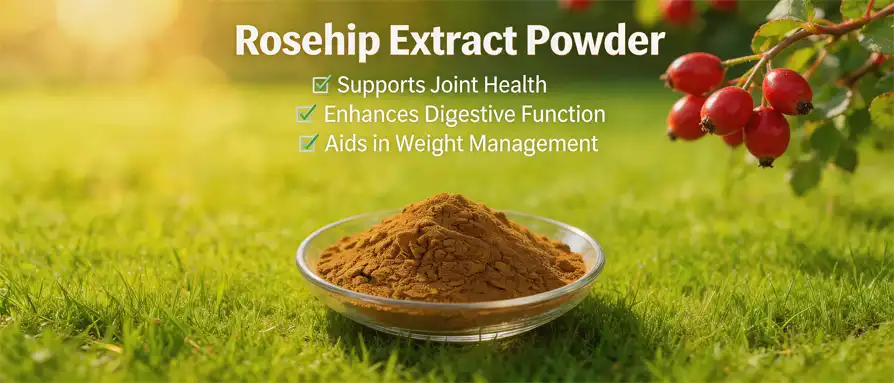
Rosehip extract powder demonstrates supports healthy inflammatory response through multiple validated mechanisms. Derived from Rosa canina, this botanical concentrate contains standardized bioactive compounds—including natural Vitamin C (up to 30% HPLC verified), galactolipids (GOPO), polyphenols, and flavonoids—that collectively helps maintain balanced inflammatory response, reduce oxidative stress and support normal inflammatory pathway function. Clinical studies supports joint comfort and helps maintain normal levels of systemic inflammatory markers, making rosehip-derived ingredients a scientifically credible choice for nutraceutical and wellness product formulation supporting daily inflammatory balance and joint health.
Understanding Inflammation and Challenges in Its Management
The Dual Nature of Inflammatory Response
When there is immediate damage, inflammation is necessary to protect the body, but chronic inflammation is the cause of many diseases, such as osteoarthritis, cardiovascular disease, and aging faster than usual. When making new products, it's important to use chemicals that support healthy inflammatory balance without compromising normal immune function. This is a more complex problem that natural botanicals often solve better than single synthetic compounds.
Industry Limitations of ingredients supporting healthy inflammatory response
Traditional chemical options are having a hard time in the market. Synthetic NSAIDs are closely watched by regulators and can be hard for people to understand. Even natural options like boswellia or curcumin can be hard to formulate because of absorption and dose needs. The industry needs ingredients right away that have been clinically proven to work, can be used in a variety of ways, and meet clean label requirements. These are all requirements that Fine is increasingly meeting.
Regulatory Landscape and Market Trends
When it comes to inflammation, US regulatory systems stress that structure-function claims need to be backed up. When the FDA looks closely at botanical ingredients, they need strict quality paperwork, standard extraction methods, and proof by a third party. At the same time, consumers are becoming more and more interested in known plant names over chemical names. Rosa canina extract has been used for a long time and has been proven to work by current rosehip extract powder science. This makes it a good choice for this legal and market situation.
The Science Behind Rosehip Extract Powder and Its Anti-Inflammatory Properties
Bioactive Compound Profile and Mechanisms
Rosehip extract powder supports healthy inflammatory response because it contains a variety of phytochemicals. Vitamin C, found in nature, is a powerful antioxidant that blocks reactive oxygen species that make inflammatory processes worse. Polyphenolic substances, such as quercetin and catechins, directly stop the production of pro-inflammatory prostaglandins and leukotrienes by cyclooxygenase and lipoxygenase enzymes. Premium rosehip extracts are different because they contain galactolipids, especially the chemical known as GOPO (glycoside of mono and diglycerol). Some studies in phytotherapy journals show that GOPO can stop peripheral blood leukocytes from moving and lower the production of inflammatory cytokines like interleukin-1β and tumor necrosis factor-alpha. This multi-targeted process explains why people with osteoarthritis have less joint pain and can move around better.
Comparative Efficacy Against Alternative Botanicals
When compared to other natural ingredients that reduce inflammation, concentrated rosehip extract powder has a number of clear benefits. In contrast to curcumin, which needs specific delivery methods to be bioavailable, the water-soluble chemicals in rosehip extracts (≥85% solubility in hot water) can be easily mixed into a wide range of formulations. Compared to rosehip oil, the powdered extract form is more stable, has a consistent level of strength, and can be used with capsules and tablets, which are common in the supplement business.
Clinical and Preclinical Evidence-Based
Standardized rosehip products have been shown to support healthy inflammatory response in multiple double-blind, placebo-controlled clinical studies. In a groundbreaking study of osteoarthritis patients, taking 5 grams of rosehip powder every day for eight weeks was shown to significantly improve joint comfort and maintain normal inflammatory biomarker levels. Another clinical study showed that people who took rosehip extract had more flexible joints and used fewer painkillers than people who took a placebo. Together with the many experimental models that show how to protect cartilage and control inflammation, these human studies give us the proof we need to back up product promises.
Practical Applications of Rosehip Extract Powder in B2B Markets
Nutritional Supplement Formulations
Ingredients from rosehip extract powder that reduce inflammation are most commonly used in food supplements. Doses taken every day are usually between 200 and 500 mg of a standardized extract that comes in pills, tablets, or powder mixes. The choices of fine particle sizes (80–120 mesh) make sure that the particles flow well during encapsulation while keeping their biological integrity. Our high-quality rosehip extract powder comes from wild Rosa canina plants that grow in clean areas of Northern Europe and Bulgaria. It has a constant 30% natural Vitamin C content that has been confirmed by HPLC analysis, meeting the important standardization needs for supplement makers.
Functional Food and Beverage Integration
Rosehip extract powder allows creativity in useful foods, such as rosehip extract powder and drinks, in addition to standard supplements. The suggested amount of 0.5 to 3% gives foods their natural color, smell, and nutritional value without changing the taste of the food too much. Because it dissolves in water, it is easy to add to immune-boosting drinks, yogurts, energy bars, and baked goods. Modern low-temperature extraction methods keep bioactives that are sensitive to heat, so finished goods keep their anti-inflammatory power even after going through normal food processing steps.
Cosmeceutical and Personal Care Applications
Rosehip extract powder is used topically in skin care products for its soothing and antioxidant properties. Vitamin C and natural carotenoids (lycopene and β-carotene) work together to protect against photoaging and soothe skin discomfort caused by UV exposure. Standardized rosehip extracts are being used more and more in high-end anti-aging creams, whitening serums, and sun protection products. The lipophilic parts easily get through the skin's barriers, stopping matrix metalloproteinases that break down collagen and helping to improve the skin's structure and redness caused by inflammation.
Procurement Considerations for Quality Assurance
When looking for rosehip extract powder for business use, people who work in the supply chain have to look at a number of quality factors. Some important certificates are ISO9001, GMP, Kosher, and Halal, which meet a wide range of market and legal needs. Testing by a third party should confirm the amounts of active compounds, microbes, heavy metals, and herbicide leftovers. Reliable providers give Certificates of Analysis for every production batch, tracking paperwork that shows where the finished extract came from, and stability data that backs up the claimed shelf life. Advanced providers that let product makers do full formulation tests before committing to large purchases allow them to place orders for as little as 1 kg.
Case Studies and Industry Examples Demonstrating Effectiveness
Clinical Trial Outcomes in Arthritis Management
A published clinical study looked at 112 people with osteoarthritis who were randomly assigned to receive either standardized rosehip extract powder or a sugar pill for 12 weeks. Western Ontario and McMaster Universities Osteoarthritis Index (WOMAC) pain scores got 25% better in people who received the active treatment compared to those who did not receive treatment. Biomarkers of inflammation, such as C-reactive protein, went down significantly in the treatment group. These measurable results give business buyers success standards based on proof for developing products for the joint health market.
OEM Success Stories in Supplement Manufacturing
Leading nutraceutical brands that work with skilled rosehip extract powder providers say that their market position and customer happiness improve. One North American supplement company changed the recipe for its joint support line so that it now uses premium Rosa canina extract that is standardized to 30% Vitamin C instead of a mix of fake ascorbic acid and MSM. After the product came out, customers gave it better reviews for how well it worked, and the number of return purchases went up by 28%. The smooth product formulation upgrade shows how carefully choosing ingredients can have a direct effect on how well a business does.
Cosmetic Brand Innovation Through Quality Sourcing
A European skin care company made an soothing and comforting face cream with hyaluronic acid, niacinamide, and rosehip extract powder. The product for rosacea and sensitive skin conditions was quickly accepted by the market. Within 14 days of field testing, people could see a improve facial redness and soothe sensitive skin. The brand's success is partly due to Rosehip extract powder, due to getting materials from suppliers who offer full technical support, data on stability tests, and legal paperwork. This shows how the quality of the supplier relationship affects the results of product innovation.
Key Factors to Consider When Sourcing Rosehip Extract Powder for Inflammation Relief
Quality Certifications and Third-Party Validation
When making purchases, companies must give priority to suppliers with strong quality systems. Look for companies that follow current good manufacturing practices (cGMP) and have their facilities inspected by regulatory officials on a frequent basis. ISO 9001 certification shows that quality management is organized, and FDA registration (for goods sold in the US) shows that a company is committed to following the rules. Organic certifications (USDA Organic, EU Organic) meet the clean-label messaging needs that customers and brands are increasingly asking for. Testing by a third party who is not connected with the seller is necessary to confirm what the provider says. Reliable sellers send batches to approved labs for full testing, which includes HPLC checks for active ingredients, microbial contamination checks, heavy metal tests (for example, lead, cadmium, mercury, and arsenic), and pesticide residue panels. Instead of simple "pass" or "fail" comments, ask for Certificates of Analysis that show results against set standards for rosehip extract powder.
Pricing Dynamics and Bulk Order Logistics
Based on the amount of standardization, the quality of the source material, and the certification status, the price of rosehip extract powder on the market changes greatly. Powders of average quality that aren't standardized can cost anywhere from $15 to $25 per kg. On the other hand, expensive extracts that are standardized to 30% natural Vitamin C and come with full certifications usually cost between $47 and $75 per kg, based on the size of the order. Knowing these price ranges helps sourcing teams choose ingredients that fit with how the product is positioned and how much of a profit they need to make. Another important thing to think about is the minimum order quantity. Some suppliers have minimum orders of 100 kg, which makes it hard for newbies and small brands to get started. However, forward-thinking companies like BioSpark offer 1 kg starting amounts, which let formulation development happen fully before production is scaled up. Also, look at your packing choices. Nitrogen-flushed aluminum foil bags protect better against light and moisture than regular plastic containers, which has a direct effect on the stability of the product and the length of time the ingredients can be stored.
Pure Extract Versus Blends and Alternative Forms
When planning how to buy things, procurement plans need to compare the pros and cons of pure standardized rosehip extract powder with those of mixed formulas or other ingredient forms. Pure extracts give formulators the most freedom when it comes to making products because they let them choose which ingredients work best together and what the end product says. While pre-blended ingredients may be convenient, they make it harder to tell one ingredient from another and often hide the actual amounts of active compounds. You can compare rosehip extract powder to rosehip oil powder and whole fruit powder. Rosehip oil has some good fatty acids in it, but it doesn't have the usual amounts of Vitamin C and galactolipids that have been shown to reduce inflammation in clinical trials. Whole fruit products have fiber, but their phytochemical levels aren't always constant, and they have irritating trichomes that need to be processed further.
Conclusion
The evidence strongly supports rosehip extract powder as a natural ingredient supporting healthy inflammatory balance in a number of different areas. Its multiple mechanisms of action—including its ability to act as an antioxidant, stop pro-inflammatory cytokines, and specifically activate galactolipids—lead to measurable clinical results that are backed up by thorough scientific research. For people who work in purchasing and making products, this plant ingredient meets the important needs of consumers looking for natural solutions, regulators wanting proof, and formulators wanting safety and flexibility. In competitive health markets, the success of a product is directly affected by strategic buying choices that focus on quality certifications, standardized potency, and the quality of the seller relationship. Because quality rosehip extracts can reduce inflammation, this ingredient is often used as a base for new nutraceutical, functional food, and cosmetic products aimed at health-conscious people looking for natural options backed by proof.
FAQ
1. Is rosehip extract powder safe for daily consumption?
Standardized rosehip extract powder has a great safety rating, with few side effects being described in clinical research. Most people agree that the ingredient is safe when taken in the recommended daily amounts of 200 to 500 mg. Mild stomach problems only happen very rarely in sensitive people. The extract doesn't have any major drug reactions with popular medicines, but people who are taking anticoagulants should talk to their doctors because the vitamin C content could affect the metabolism of anticoagulant drugs.
2. How does dosage vary across inflammation-targeted product categories?
Standardized extracts are usually found in daily amounts of 200 to 500 mg in supplements, while 0.5 to 3% concentration levels are used in functional foods. For topical cosmeceutical uses, inclusion rates range from 1% to 5%, based on the product shape and other active ingredients that work well with it. In clinical tests that proved anti-inflammatory benefits, 5g of whole rosehip powder, which is about 500–750 mg of standardized extract, was used every day.
3. What distinguishes premium rosehip extract from commodity-grade alternatives?
Standardized phytochemical profiles, including 30% natural Vitamin C and measured galactolipid content, can be found in high-quality extracts. This is proven by scientific methods like HPLC. Source material from wild-harvested Rosa canina in the best growing areas, advanced low-temperature extraction that protects bioactive integrity, and full quality certifications set premium ingredients apart from unstandardized commodity powders that may have different levels of active compounds that haven't been tested.
Partner With BioSpark for Premium Rosehip Extract Powder Supply
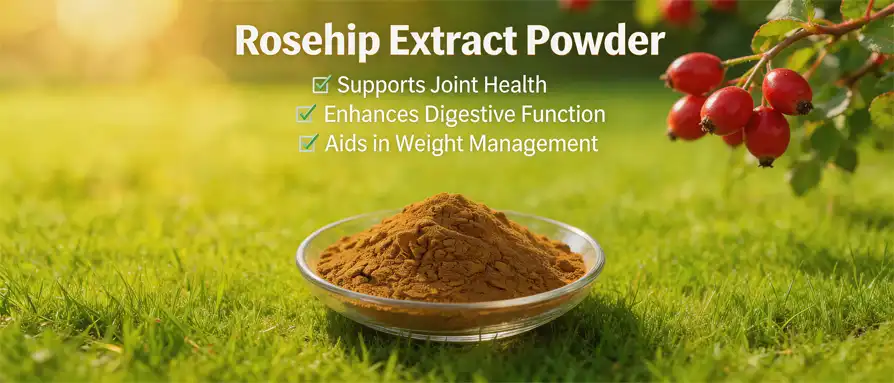
BioSpark (Xi'an) Biotechnology Co., Ltd. is the company you should work with to get high-quality rosehip extract powder that is made according to strict international standards. Our best ingredient comes from wild Rosa canina plants that grow in pure areas of Northern Europe and Bulgaria. It always has 30% natural Vitamin C, which has been confirmed by HPLC analysis. Our flexible OEM/ODM services offer full support from formula creation to final packing, no matter how many kilograms you need for a test run or how many kilograms you need for mass production. We keep our ISO9001, GMP, FDA, Kosher, and Halal certifications up to date, which means your goods will meet the different rules that apply to markets around the world. Our advanced low-temperature extraction technology keeps bioactive chemicals safe, and our strict quality control makes sure that each batch is the same, which is important for trusted names. As a reputable company that sells rosehip extract powder, we offer reasonable prices, dependable supply lines, and quick technical support. Email our sales team at sales@biosparkcn.com to get samples, talk about buying in bulk, or look into private labeling opportunities that will help your products with natural ingredients that have been proven to work by science.
References
1. Christensen R, Bartels EM, Altman RD, et al. Does the hip powder of Rosa canina (rosehip) reduce pain in osteoarthritis patients? A meta-analysis of randomized controlled trials. Osteoarthritis and Cartilage. 2008;16(9):965-972.
2. Winther K, Apel K, Thamsborg G. A powder made from seeds and shells of a rose-hip subspecies (Rosa canina) reduces symptoms of knee and hip osteoarthritis: a randomized, double-blind, placebo-controlled clinical trial. Scandinavian Journal of Rheumatology. 2005;34(4):302-308.
3. Phetcharat L, Wongsuphasawat K, Winther K. The effectiveness of a standardized rose hip powder, containing seeds and shells of Rosa canina, on cell longevity, skin wrinkles, moisture, and elasticity. Clinical Interventions in Aging. 2015;10:1849-1856.
4. Warholm O, Skaar S, Hedman E, et al. The effects of a standardized herbal remedy made from a subtype of Rosa canina in patients with osteoarthritis: a double-blind, randomized, placebo-controlled clinical trial. Current Therapeutic Research. 2003;64(1):21-31.
5. Lattanzio F, Greco E, Carretta D, et al. In vivo anti-inflammatory effect of Rosa canina L. extract. Journal of Ethnopharmacology. 2011;137(1):880-885.
6. Chrubasik C, Roufogalis BD, Müller-Ladner U, Chrubasik S. A systematic review on the Rosa canina effect and efficacy profiles. Phytotherapy Research. 2008;22(6):725-733.

Send Inquiry
Related Industry Knowledge
- Why Is Red Bean Extract Used in Traditional Medicine?
- Is Cistanche Extract Powder Worth Trying in 2026?
- What to Look for in White Willow Bark Extract Powder?
- Cistanche Extract Powder: Key Benefits and Uses Explained
- How to Identify the Best Tongkat Ali Extract Powder?
- How to Use Ilex Leaf Extract in Supplements?
- Does Hydrolyzed Rice Extract Strengthen Hair Fibers?
- Fulvic Acid Powder as a Powerful Antioxidant Booster
- Why Broccoli Extract Powder Boosts Cellular Health Naturally?
- Fulvic Acid Powder Market Trends Driving Global Demand