_1764041963888.webp)
What Are the Main Uses of Spinach Juice Powder?
Aug 06, 2026
Spinach juice powder serves diverse industrial applications across food manufacturing, dietary supplements, cosmetics, and functional nutrition sectors. This concentrated green ingredient provides natural coloring, nutrient fortification, and clean-label appeal for manufacturers seeking plant-based solutions. Rich in chlorophyll, iron, vitamins, and antioxidants, it enables product developers to meet consumer demands for transparent ingredient lists while delivering authentic nutritional benefits. The powder's exceptional solubility and standardized 80 mesh specification ensure consistent performance across formulations.
Understanding Spinach Juice Powder and Its Core Benefits
Spinach juice powder is a concentrated form of vegetable nutrition that is made using advanced methods for extracting plants. Regular spinach powder is made by manually grinding whole dried leaves. This ingredient, on the other hand, goes through a special juicing and cleaning process that concentrates beneficial compounds while removing fibrous material.
Production Methods That Preserve Nutrient Integrity
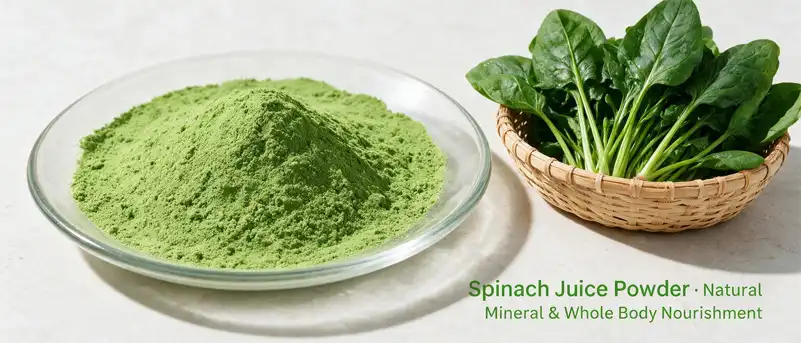
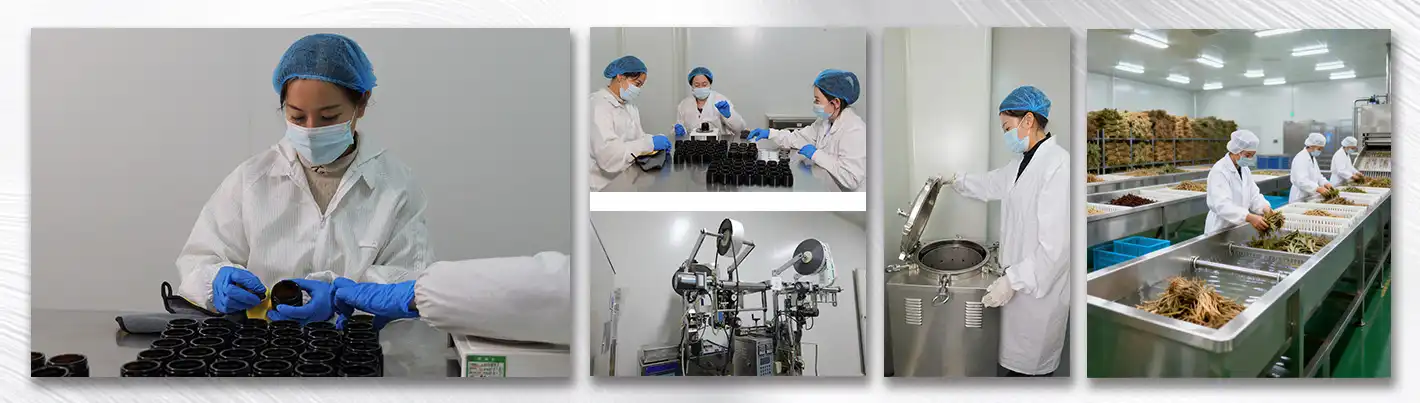
To make the product, fresh spinach leaves are carefully chosen and then washed and blanched several times to keep their color and nutritional value. Advanced membrane separation and supercritical extraction methods get rid of impurities and concentrate good chemicals. Ultraviolet spectrophotometry testing makes sure that the quality is always the same, and the high chlorophyll level is the main active ingredient. The finished product is a fine, dark green powder that smells like fresh spinach and can be dissolved in water or a small amount of ethanol, which makes it easy to use in a variety of ways.
Nutritional Profile Aligned with Wellness Trends
The concentrated extraction gives it a very high nutritional value compared to fresh spinach. Chlorophyll gives food a natural green color that is prized in clean-label production. Iron levels help formulations that prevent anemia, and vitamin K helps formulations that promote bone health. Natural lutein and beta-carotene may help your eyesight. This nutritional concentration lets manufacturers give important amounts of ingredients without making too much of the product, which meets customer demands for strong, simple formulas.
Sustainability and Organic Credentials
Today's health-conscious markets put more and more value on eco-friendly sourcing. In order to support organic certification processes, premium Spinach juice powder makers uphold stringent farming standards. Certifications like ISO9001, Kosher, Halal, FDA compliance, and GMP show that the production is honest for buying teams that care about quality. These marks directly meet the needs of the market for traceable, environmentally friendly raw materials that are in line with companies' green goals.
Main Industrial Applications of Spinach Juice Powder
This concentrated green ingredient can be used in a lot of different manufacturing processes. Each one uses its unique functional properties to make products better and more appealing to customers.
Food and Beverage Manufacturing Applications
Natural food coloring is still a key application driver for a lot of different types of products. Synthetic dyes like Green No. 3 are replaced by bright green pigmentation. This lets clean-label claims stick with health-conscious customers. Ice cream makers use the powder to make naturally colored types that don't have any added chemicals. It's used by candy makers in baked goods and candies to make them look better and make them healthier. Adding color and nutrients to smoothies and health drinks makes them healthier, which is what the wellness positioning is all about.
Manufacturers of pasta have found that this ingredient is very useful. In addition to adding extra nutrition to grain-based foods, the powder gives them a real green color. Meal replacement shakes use the concentrated nutrient profile to make the recipe more complete without having to use only synthetic vitamin premixes. The characteristic fresh smell makes the product seem more real, especially in savory applications where vegetable notes add to the overall flavor.
Nutritional Supplement Industry Integration
Dietary supplement companies are adding concentrated green powders to their goods more and more to make them stand out in a field that is very competitive. The natural iron content supports supplements that prevent anemia and meet the needs of certain groups. Formulations for bone health use the vitamin K that is naturally found in the product. Vision-supporting supplements have high levels of lutein and beta-carotene, which work well with other ingredients that are good for your eyes.
Green vegetable powders are often the main ingredient in detox and cleansing blends. People who want to clean their bodies are interested in the chlorophyll content, even if this isn't supported by science. The powder might be in weight loss products as part of complete nutrient mixes that back up claims about metabolic health. Capsule and tablet formulas use the 80 mesh standard, which makes sure that particles are all the same size so that production processes are consistent and the product stays stable.
Cosmetic and Personal Care Formulations
Because it contains antioxidants, this herb is a good choice for skin care products. Green vegetable ingredients are used in creams and serums to help with oxidative stress that comes from getting older and being exposed to the environment. The natural chlorophyll content has mild anti-inflammatory qualities that work well with products for sensitive skin. Face masks and treatment products use the bright green color to show that they contain botanicals, which helps them stand out in the competitive beauty market.
The clear ingredient story is appreciated by companies that are making clean beauty lines. Instead of mentioning general "plant extracts," goods can say that they contain components derived from spinach, which customers know and trust. Because it dissolves easily in water, it can be added to a wide range of base formulations without the need for complex emulsification methods that make production scaling harder.
Agricultural and Pet Nutrition Sectors
While not as common as uses in food or supplements, farming sectors see value in concentrated vegetable powders. Pet nutrition formulators add plant-based nutrients and natural colors to commercial pet food to make it more appealing to pet owners who want to feed their pets healthy food. Iron and vitamins are important for making sure that companion animals get all the nutrients they need. Livestock feed uses are still limited, but they show how versatile the ingredient is across different types of animal nutrition, where natural supplementation helps farms focus on animal welfare.
Comparing Spinach Juice Powder with Other Green Powders
When choosing from the different types of green powder that are available to help with product development, procurement professionals should know what the relative benefits are.
Spinach Juice Powder Versus Standard Spinach Powder
The main difference is in how the data is processed. Whole-leaf drying and mechanical crushing are used to make standard spinach powder, which keeps all of the fibers. This leads to a higher ash content (usually around 13%) and some dissolvability with fibers that can be spread out. On the other hand, juice powder extraction gets rid of the fiber while concentrating the nutrients that dissolve in water. This gives the juice better solubility properties that are needed for beverage applications. Standardized chlorophyll amounts checked by UV spectrophotometry show that the juice extraction method produces more vivid color intensity. Controlling the particle size at 80 mesh makes sure that it dissolves best in liquids compared to normal powders that are bigger.
Comparison with Kale Juice Powder
Kale juice powder has some of the same health benefits as fresh kale, but the nutrients it contains and how it tastes are different. Kale usually has more calcium than other foods, which makes it better for bone health. Spinach juice powder usually has higher iron levels, which backs up claims that it can help prevent anemia. The taste profiles are very different. For example, kale has a stronger bitterness that could make it harder to formulate in consumer goods where acceptance is based on taste. Spinach powder has milder, more generally acceptable taste notes that make it easier to use in more situations.
Organic Versus Conventional Sourcing Considerations
In places that care a lot about quality, certification standards have a big effect on buying choices. Regulations that forbid the use of manmade fertilizers and pesticides during production are strict requirements for organic Spinach juice powder. Certification groups like the USDA Organic, the EU Organic, and other foreign standards that are similar require a lot of paperwork and inspections. While these certifications come with higher prices, they allow companies to sell more organic products to customers who are willing to pay more for certified purity.
Conventional sourcing offers cost advantages while maintaining safety through compliance with FDA, GMP, and ISO9001 rules. Quality-focused conventional suppliers implement comprehensive pesticide residue testing and heavy metal screening that meets international safety standards. The choice between organic and conventional relies on the target market, how price-sensitive the market is, and how committed the brand is to organic ideals.
How to Select and Source Quality Spinach Juice Powder for B2B Needs
Professionals in procurement have to look at a lot of factors to find dependable suppliers who can meet long-term manufacturing needs.
Critical Quality Parameters and Certification Verification
The first step in figuring out purity is making sure that the moisture level is less than 6% so that the product can be stored safely. The amount of chlorophyll is the main indicator of the active ingredient, and each batch needs to have proof of UV spectrophotometry tests. The particle size distribution should show that 95% of the particles can pass through 80 mesh screens, which means that the product will work with equipment used to make drinks and supplements. Testing for solubility confirms that the substance dissolves completely in water at room temperature, with little sediment formation.
Supplier Reliability and Production Transparency
When compared to brokers who get their supplies from different production partners, established makers with specialized sites offer more stable supply. Site surveys show how much can be produced, how well equipment is maintained, and how advanced the quality control lab is. Transparent suppliers are happy to share detailed descriptions of the production process, instructions on how to get raw materials, and records of batch testing. Flexible minimum order quantities show that a supplier is willing to meet a range of customer needs. For example, premium suppliers offer MOQs as low as 1 kg for initial trials and can scale up to 25 kg drums and larger bulk quantities.
Practical Procurement Strategies
Negotiating big purchasing deals gets you better prices and makes sure you never run out of supplies. Suppliers are more likely to favor reliable customers during times of crop shortages or production limits when they have annual contracts with volume promises. Negotiating payment terms could lead to net terms that are better than standard T/T bank transfers, which would make managing working capital easier. Sample evaluation programs let formulas be tested before they are made in large amounts for sale. This lowers the risk of development and eases worries about compatibility.
Practical Usage Tips and Product Integration Examples
To develop a product successfully, you need to know the best dosage ranges, formulation techniques, and application-specific factors that will ensure consistent results.
Dosage Recommendations Across Applications
Usually, 0.5 to 2 percent by weight is added to beverage formulas, based on the color strength and nutritional positioning that is wanted. Smoothie powders that are meant to be single-serving may have 2 to 5 grams of vegetables per serve to back up their nutrition promises. Capsule supplements that focus on iron might have 300 to 500 mg per dose, which is calculated to provide 15 to 20 percent of the daily value along with other nutrients.
Formulation Techniques for Optimal Performance
Because it dissolves easily in water, it can be easily added to watery systems by dispersing the substance and mixing it mechanically. Because it is hygroscopic, however, it needs to be handled and stored carefully so that it doesn't get wet. Right away, dissolving after opening the package stops sticking and makes sure the right dose is given. When using a dry blend, adding a few small amounts of matching powders before mixing the main batch improves the spread and stops color streaking in the finished product.
Real-World Integration Success Stories
Functional drink companies have successfully released green smoothies with obvious vegetable content that explains the higher prices. The smell of real spinach makes the ingredients seem more real, which helps consumers who are skeptical about powdered vegetable claims. Along with spirulina and chlorella, this ingredient is used by supplement brands for active lifestyles to make complete green blends that appeal to health-conscious consumers.
Conclusion
Spinach juice powder can be used in a lot of different ways in production. Its natural coloring, nutrient fortification, and clean-label labeling are what drive product development strategies. The concentrated extraction process keeps the higher nutritional density compared to regular vegetable powders while also making sure that the powder dissolves easily, which is important for making drinks and supplements. Full certifications like ISO9001, Kosher, Halal, FDA compliance, and GMP confirm the quality of production for purchasing teams that need regulatory security. Green products that are better than others in this category have better taste, lower prices, and a more reliable supply chain. To integrate well, you need to pay attention to techniques for formulating, adjusting dosages, and choosing suppliers based on criteria that guarantee quality and supply continuity. Manufacturers can use this ingredient's unique benefits while meeting the market's demand for real, plant-based nutrition solutions if they know about these practical issues.
FAQ
1. How does spinach juice powder differ from regular spinach powder in manufacturing applications?
During the juice separation process, the fibrous parts are taken out, and the water-soluble minerals and chlorophyll are concentrated. This makes absorption better, which is needed for clear drinks and smooth supplement tastes. Regular spinach powder keeps the whole leaf structure, including the fiber. This means that it only partially dissolves and forms bits that can be mixed in and add texture to some things but make drinks cloudy in others. The color intensity of the juice form is more uniform and bright, as shown by UV spectrophotometry testing.
2. What certifications should procurement teams prioritize when sourcing for U.S. markets?
FDA compliance means that a product meets American safety standards for food additives. GMP certification proves that manufacturing practices are safe for pharmaceutical use, which is especially important for supplement uses. ISO9001 shows that quality control methods are complete. Organic approval lets you reach high-end customers who are willing to pay more. Kosher and Halal approvals make it easier for people from certain faith groups with special dietary needs to buy your products.
3. Can this ingredient effectively replace synthetic green colorants in food manufacturing?
The powder works well in place of manufactured dyes in many situations where natural color is enough and a small nutritional boost is appreciated. The bright green color from chlorophyll gives the product a clean-label appeal that health-conscious consumers are increasingly looking for. However, color stability may need to be improved when exposed to high pH levels or long periods of light compared to manmade options that are specifically made to be stable.
Partner with BioSpark for Premium Spinach Juice Powder Supply
BioSpark makes green vegetable powders that are pharmaceutical-grade and meet strict international quality standards. With a certified 80 mesh specification, full water solubility, and standard chlorophyll concentrations proven by UV spectrophotometry, our advanced plant extraction facility makes Spinach juice powder. We have a lot of certifications, like ISO9001, Kosher, Halal, FDA compliance, and GMP, that meet strict requirements for buying. Order sizes range from 1 kg samples to 25 kg drums of stock, so they can be used for both small-scale testing of new products and large-scale production. Our OEM and ODM services let you work with us on custom formulations that set your products apart in crowded markets. Email our team at leao@biosparkcn.com to talk about your unique needs, get technical specs, or set up sample packages that show Spinach juice powder manufacturers how committed we are to quality.
References
1. Chen, L., & Wang, Y. (2021). Nutritional composition and bioactive compounds in spinach juice powder: A comprehensive analysis. Journal of Food Science and Technology, 58(4), 1432-1441.
2. Martinez, R., Thompson, K., & Patel, S. (2020). Applications of vegetable juice powders in functional food development. International Journal of Food Engineering, 16(3), 245-258.
3. O'Brien, M. (2022). Natural colorants in food manufacturing: Regulatory considerations and market trends. Food Additives and Contaminants, 39(2), 318-332.
4. Rosen, J., & Kumar, A. (2019). Comparative analysis of extraction methods for vegetable powder production. Journal of Agricultural and Food Chemistry, 67(8), 2341-2350.
5. Williams, E., Zhang, H., & Foster, D. (2023). Quality parameters for commercial green vegetable powders in B2B applications. Food Quality and Preference, 105, 104-118.
6. Yamamoto, T., & Lee, S. (2020). Stability and shelf-life characteristics of chlorophyll-rich plant extracts. Postharvest Biology and Technology, 168, 111-125.

Send Inquiry
Related Industry Knowledge
- Purple cabbage powder Shelf Life, Storage, and Packaging Guide
- How to Choose Premium Holy Berry powder for Bulk Purchase?
- Maqui Berry Powder for Eye Health: Dry Eye & Retinal Protection
- Maqui Berry Powder for Eye Health: Dry Eye & Retinal Protection
- Maqui Berry Powder for Eye Health: Dry Eye & Retinal Protection
- Maqui Berry Powder for Eye Health: Dry Eye & Retinal Protection
- Maqui Berry Powder for Eye Health: Dry Eye & Retinal Protection
- Maqui Berry Powder for Eye Health: Dry Eye & Retinal Protection
- Maqui Berry Powder for Eye Health: Dry Eye & Retinal Protection
- Maqui Berry Powder for Eye Health: Dry Eye & Retinal Protection
- Maqui Berry Powder for Eye Health: Dry Eye & Retinal Protection
- Maqui Berry Powder for Eye Health: Dry Eye & Retinal Protection
- How to use the best Tongkat Ali extract powder for maximum results?
- Spirulina Extract Tablets for Skin Health: Do They Help?
- Looking for Premium Cowpea Powder Supplier Worldwide?
- Could Maqui Berry Powder Boost Your Antioxidant Products?
- How Is Kacip Fatimah Extract Made and Standardized?
- Rosa Roxburghii Extract for Functional Nutrition Trends
- Can Hydrolyzed Rice Extract Improve Skin Hydration?