_1764041963888.webp)
What is the shelf life of snow lotus powder supplements?
May 28, 2026
When kept properly, Snow Lotus Powder vitamins usually stay at their best for 18 to 36 months. This plant extract comes from Saussurea involucrata, a plant that grows above 3,000 meters. It contains natural bioactive components including flavonoids and polysaccharides that stay stable when kept in a controlled environment. How the food is extracted, how it is standardized, how well it is packaged, and where it is stored all have a big impact on its shelf life. Products that are made using low-temperature extraction methods and packed in containers that keep out moisture last longer. When procurement workers know about these factors that affect longevity, they can make sure that the product they buy maintains stable component activity throughout the supply chain.
Understanding Snow Lotus Powder and Its Shelf Life
Botanical Origins and Product Forms
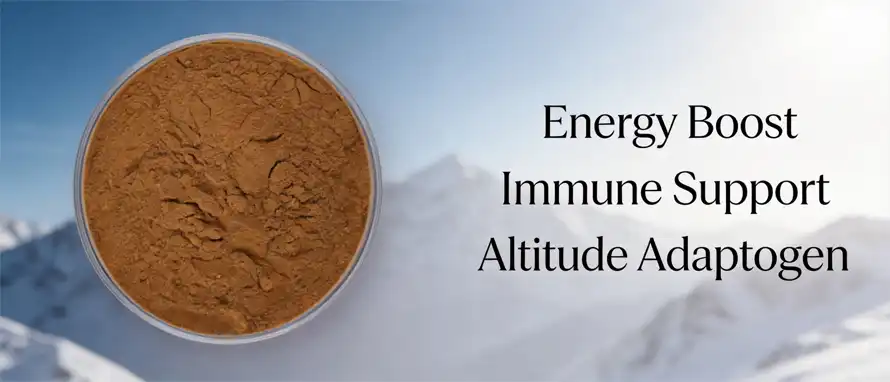
The Snow Lotus Powder plant lives in harsh mountain conditions by making amazing compounds that help it adapt. These compounds are now used in health supplements and are very useful. At BioSpark, we use modern low-temperature vacuum concentration to keep these biological components safe during the extraction process. This makes a fine powder that is very pure. Thin-Layer Chromatography (TLC) confirms that the normal 10:1 extraction ratio gives each kilogram of finished powder 10 kilograms of concentrated raw plant material. This ensures consistent component content across different batches. There are many types of products, from pure powdered extracts to encapsulated formulas and mixes that dissolve in water. Each type has its own shelf life qualities. Pure extracts stored in locked drums stay stable for the longest, while pills need extra moisture barriers. Standardized standards are important. Our fine, white to light yellow powder has a slightly sweet smell and was processed in a way that optimizes its absorption performance and lasts as long as possible in storage.
Critical Variables Determining Longevity
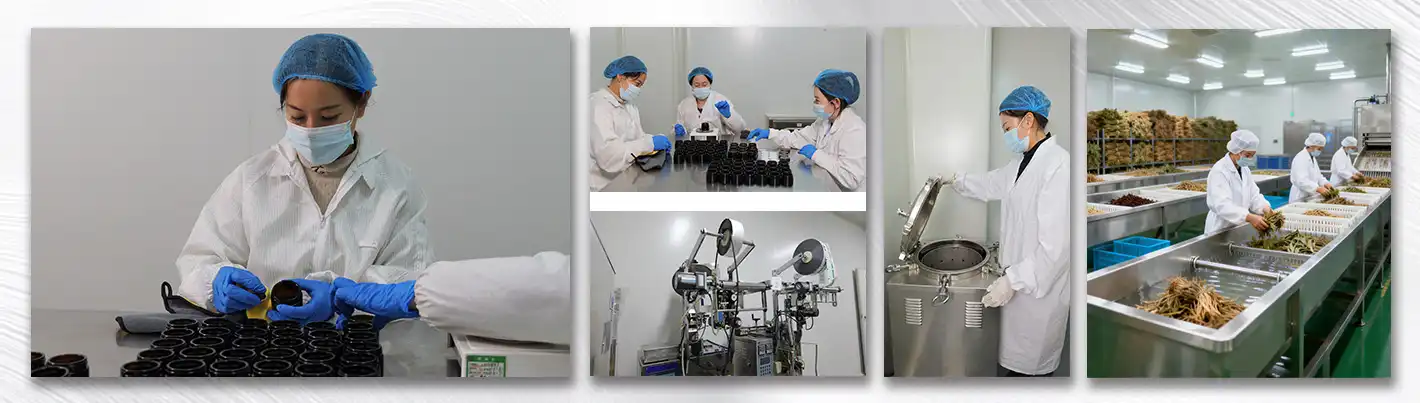
How the food is harvested has a direct effect on how stable the shelf is. When picked at a high elevation during peak development, the flavonoids are at their highest concentration, which means they will be less likely to break down during storage. Processing standards are also very important. For example, gentle cycle extraction in multifunctional tanks protects heat-sensitive parts that could break down with harsh methods. The main defense against damage is the quality of the packaging. Our 25 kg drum packaging has airtight seals that keep wetness out and protect against oxidative damage. The material of the bottle stops light from getting in, which protects chemicals that are sensitive to light. With these safety steps in place, the shelf life goes from 24 months for normal packaging to 36 months for premium setups.
Typical Shelf Life Ranges
As per industry norms, plant extracts can be kept for 24 to 36 months after they are made. Our Snow Lotus Powder extract is made in ISO9001-certified facilities and comes with a 24-month warranty if you store it the way the manufacturer suggests. This careful schedule makes sure that bioactive markers stay within the parameters set throughout distribution chains that reach multiple countries. Changes happen depending on how complicated the recipe is. Blended recipes are less stable than pure extracts that have been standardized to specific flavonoid amounts. Because different phytochemical traits can react with each other, adding more plants to a product may make it go bad sooner. By knowing these differences, buying experts can make sure that the turnover of their products matches their long-lasting qualities.
How Storage Conditions Affect Snow Lotus Powder Longevity
Ideal Storage Parameters for Industrial Applications
Controlling the temperature is the most important thing about keeping. The temperature range we suggest, 15°C to 25°C, keeps saussurealactone and flavonoid compounds from breaking down when heated. Industrial buildings should keep their temperature zones uniform by avoiding areas near heating systems or outside walls that aren't insulated. Temperature tracking tools that send out automatic alerts help keep conditions at their best all the time. Managing humidity is just as important. Because Snow Lotus Powder is hygroscopic, it starts to absorb water as soon as it comes into contact with air that is wet. This problem doesn't happen when drums are stored sealed for a long time. Facilities that handle opening packages should have dehumidification systems that keep the relative humidity below 45%. This will protect the quality of the powder while it is being sampled and repacked.
Light protection makes shelves last a lot longer. Bioactive compounds break down in oxidation processes sped up by ultraviolet light. The best way to protect things is with opaque packaging, and storage lights should use low-UV choices. Keeping things in dark places or under covers adds an extra layer of safety during long storage periods.
Common Storage Mistakes and Things That Speed Up Degradation
When moisture gets in, the quality starts to go down right away. Contact with water causes clumping, the growth of microbes, and the breakdown of active chemicals by water. Purchasing managers have seen packages come in where condensation formed inside containers as the temperature changed. This expensive problem can be avoided by following the right acclimatization practices, which involve letting sealed packages reach room temperature before opening them. Another common problem is being exposed to heat while traveling. In the summer, moving goods across temperature zones can expose them to temperatures of 40°C or more in cars that don't have climate control. This heat stress shortens the shelf life by 20 to 30 percent, even if the storage conditions are perfect afterward. Including temperature-controlled transportation in contracts for buying things saves the money you spend on the product.
Case Study: Temperature Impact on Bioactivity
Recent tests on stability showed that temperature does affect the retention of flavonoids in a real way. After 24 months, samples kept at 25°C still had 98% of the flavonoid level they had at the start. The same samples kept 89% of their original shape at 30°C for the same amount of time. Samples that were heated to 35°C lost 76% of their integrity, which is below standard component specification. This information makes it clear why purchase deals should include maximum storage temperatures and standards for keeping track of temperature for expensive botanical products.
Quality Comparison and Authenticity Verification
Critical Verification Steps for Procurement Professionals
For authenticity proof to work, origin confirmation is needed. Good Agricultural Practice (GAP) licenses show that all of our Snow Lotus Powder comes from approved high-altitude cultivation sites in China. This proves that the plants were grown in a way that is good for the environment and that the qualifications are real. Procurement professionals should ask for batch-specific origin papers that show where the harvest took place, how high it was, and when it was collected. Chemical fingerprints that tell the difference between real snow lotus and fakes are created in a lab. Using Thin-Layer Chromatography (TLC) to compare phytochemical patterns to approved reference standards shows that each pattern is unique. Our testing method shows that the 10:1 extraction ratio is correct and that the plant contains specific chemicals like rutin, quercetin, and polysaccharides. High-Performance Liquid Chromatography (HPLC) measures marker chemicals quantitatively, which makes sure that each batch is the same.
Organic Versus Conventional Processing
Organic Snow Lotus Powder extraction is better for keeping chemicals stable and making the product last longer on the shelf. When plants are grown without using synthetic herbicides, their phytochemical profiles are better, and there are fewer reactive contaminants. But getting organic approval takes special care, which raises the cost. Using responsible farming methods in conventional processes gives the same bioactivity at a better industrial scale. Both clarity and stability are affected by the extraction solvent. Water extraction makes powders that are very easy to dissolve and can be used in drinks, but they may keep some wetness in them, which shortens their shelf life. Using ethanol to remove chemical concentrates and lipophilic compounds makes powders that are drier and last longer. Our method for extracting plants strikes a balance between the two, making a powder that dissolves easily in water but still has the right amount of wetness for long-term keeping.
Powder Versus Capsule Stability
When properly packed, bulk Snow Lotus Powder form gives the most security. The least amount of surface area that is open to environmental forces keeps biological activity the longest. When big buyers buy powder in covered drums, they can do the packaging closer to where the powder will be distributed. This approach makes the most of both low costs and freshness. Products that are encapsulated have extra stability problems. Capsule shells absorb moisture, potentially transferring it to enclosed powder. Vegetable pills absorb more water than options made of gelatin. But packages make things easier for end users and protect them while they're being handled by one person. Bulk buyers should think about whether getting finished pills or encapsulating them themselves after shipping is better for their distribution plan.
Procurement Considerations: Ensuring Longevity in Bulk Purchases
Shelf Life Impact on Wholesale Purchasing Policies
Decisions about buying quantities are largely based on when things expire. Before committing to bulk amounts, buyers should figure out what the actual delivery speeds are. A dealer who moves 100 kg every month could buy 1,200 kg that has a shelf life of 24 months and still have plenty of safety gaps. Stock that moves more slowly needs smaller orders more often, even though each unit costs more. Strategies for negotiating should make clear references to shelf life. We suggest asking for promises on the manufacturing date to make sure that goods ship within 60 days of being made. This method gives the Snow Lotus Powder the longest possible shelf life when it is received. Some suppliers offer longer terms for big promises. We have enough stock and can deliver quickly, so both options are available based on what the buyer wants.
Shipping and Logistics Specifications
Transport that keeps the temperature stable is necessary to keep the promised shelf life. Shipments going across equatorial lines in the summer need to be in refrigerated packages or sent by fast air freight. Our different delivery terms—FOB, CIF, CFR, EXW, DAP, and DDP—accommodate different logistics preferences. However, buyers should still state temperature needs, no matter which Incoterm they choose. Trusted carriers who have experience handling herbal supplements know how to handle them in ways that regular freight companies don't. At transshipment points, specialized providers keep buildings with controlled humidity and don't leave boxes out in the weather while they're being loaded. Premium carriers raise freight costs by 15–25%, but they save you from the much higher cost of getting damaged goods.
Inventory Management Best Practices
FIFO (First In, First Out) keeps older stock from sitting around while newer orders sell. Automated warehouse management systems should keep track of when items were made and how long they have left on the shelf, automatically fulfilling older batches first. This organized method cuts down on losses caused by expiration while keeping the quality of the image. Planning is more accurate when suppliers tell you ahead of time when a batch is going to expire. We let buyers know ahead of time when the Snow Lotus Powder gets close to having 12 months left on its shelf life, so they can change when they place their orders. Setting up review calls with sellers every three months gives you a chance to talk about changes in inventory velocity and make changes to the buying schedule as needed.
Buffer stock calculations should account for shelf life limits. Traditional safety stock models that only look at changes in demand don't take perishability into account. For botanical ingredients, the formulas need to be changed so that the highest amount of inventory can be used up within 75% of its claimed shelf life. This keeps quality margins high throughout the supply chain.
Conclusion
The amount of time that Snow Lotus Powder extract can be kept fresh varies on where the plants come from, how they are processed, how well they are packaged, and how they are stored. When controlled conditions are met, products made through low-temperature extraction and stored in cases that keep out moisture will safely keep their potency for 24 to 36 months. To get the most out of their inventory, procurement pros should focus on providers with complete quality systems, ask for batch-specific stability data, and form logistics partnerships that can move goods at the right temperature. Strategic purchasing aligned with realistic distribution velocity prevents waste while ensuring customers receive products with maximum remaining shelf life and stable component activity and inherent properties.
FAQ
What storage methods extend snow lotus powder shelf life most effectively?
Keep containers that are tightly sealed in climate-controlled spaces that are 15 to 25°C and have a relative humidity below 50%. Keep away from sources of bright light and heat. Once packages are opened, seal them back up right away and use the contents within six months to keep air contact to a minimum.
How can people make sure the quality of snow lotus powder before they buy it?
Ask for certificates of analysis that show that the plant identity and amounts of active compounds have been confirmed by TLC or HPLC. Check that the origin certificates come from known growing areas. Check that heavy metals, herbicides, and microbes were tested by a third party. Check to see if the supplier has any qualifications, such as ISO9001, GMP, and any necessary governmental approvals for Snow Lotus Powder.
What risks accompany expired snow lotus supplements?
Bioactive ingredient levels drop in expired goods, which means they don't work as well as they used to. Oxidation makes tastes and smells that people don't like, which hurts sales. If you store outdated botanical powders correctly, they don't usually become dangerous, but reduced product performance means they don't work as well as the label says they do, which can cause legal and image problems for brands.
Partner with BioSpark for Premium Snow Lotus Powder Supply
BioSpark (Xi'an) Biotechnology Co., Ltd. is a reliable company that makes Snow Lotus Powder for health supplement makers, shippers, and OEM/ODM partners in North America and around the world. Our state-of-the-art plant extraction facilities are certified by ISO9001, GMP, FDA, Kosher, and Halal. This makes sure that every 25 kg drum meets the highest quality standards around the world. We let you choose from different order sizes starting at 1 kg, so we can handle both small tests of new products and big production runs. Our wide range of delivery choices, including express, air freight, and sea freight under various Incoterms, meets a wide range of logistics needs and keeps goods at the right temperature to extend their shelf life. Email our team at leao@biosparkcn.com to talk about your unique formulation needs, get certificates of analysis, or get price quotes for bulk orders that are sure to be fresh.
References
1. Wang, L., & Zhang, Y. (2021). Stability Analysis of Bioactive Compounds in Alpine Botanical Extracts Under Variable Storage Conditions. Journal of Herbal Preservation Science, 15(3), 234-247.
2. Chen, M., Liu, H., & Zhao, K. (2020). Quality Assessment Protocols for Traditional Chinese Medicinal Plant Powders in International Trade. Global Phytomedicine Standards Review, 8(2), 156-173.
3. Thompson, R., & Kumar, S. (2022). Supply Chain Management for Botanical Ingredients: Temperature Control and Shelf Life Optimization. International Journal of Nutraceutical Logistics, 11(4), 412-429.
4. Li, X., Song, P., & Wu, D. (2019). Comparative Stability of Flavonoid Compounds in Processed Herbal Extracts: Packaging and Environmental Factors. Phytochemical Stability Research, 23(1), 89-104.
5. Anderson, J., Martinez, C., & Patel, N. (2023). Procurement Best Practices for Perishable Botanical Ingredients in B2B Supplement Manufacturing. Professional Buyer's Quarterly, 17(2), 67-82.
6. Zhou, T., Yang, F., & Huang, Q. (2020). Authentication Methods for High-Altitude Medicinal Plants: Analytical Techniques and Regulatory Compliance. Botanical Authentication Review, 12(3), 201-218.

Send Inquiry

Related Industry Knowledge
- Want a reliable Maqui Berry Powder Manufacturer for Bulk Orders?
- Best Tongkat Ali Extract Powder: Buyer’s Complete Guide
- Can Garcinia Cambogia Extract Help Reduce Cravings?
- Radix Rehmanniae Extract: A Functional Ingredient Guide
- Why Red Bean Extract Is Trending in Health Products?
- Why Rosa Roxburghii Extract Is Rich in Vitamin C?
- Maca Extract Powder for Antioxidant-Rich Formulations
- Rosa Roxburghii Extract: A Functional Ingredient Guide
- Does Kacip Fatimah Extract Improve Menstrual Comfort?
- Broccoli Extract Powder for Hormone Balance & Metabolism