_1764041963888.webp)
How Do Indian Herbal Extracts Support Natural Detoxification?
May 08, 2026
Indian herbal extracts support the body's metabolic waste clearance and oxidative stress protection. by turning on bioactive substances such as curcuminoids, withanolides, and polyphenols. These plants make liver enzymes work better, fight free radicals, and make it easier for the kidneys and digestive system to get rid of cellular waste and external toxins. These plant-based ingredients come from Ayurvedic practice and have been proven to work by modern research. They offer a gentle, holistic approach for metabolic support formulas, which aligns with the growing global demand for natural health solutions.
Understanding Natural Detoxification and Its Challenges
Amazing self-regulating systems in the body constantly remove toxins. The liver, kidneys, skin, lungs, and digestive system all work together to remove, change, and filter out dangerous chemicals. As the body's main organ for cleansing, the liver uses enzymes to change fat-soluble toxins into water-soluble ones that can be flushed out of the body. At the same time, the kidneys filter blood plasma and get rid of waste through urine. The digestive system also gets rid of poisons through bile and feces.
Even though these biological systems are very complex, modern life presents problems that have never been seen before. Long-term stress, environmental chemicals, heavy metals, processed foods, medicine residues, and pesticide residues can be too much for the body to handle. According to research, the average individual today has many manmade chemicals in their bodies that people in the past never had to deal with. This harmful load can make organs work less well, cause inflammation, and make long-term health problems worse.
A lot of detox goods on the market use man-made chemicals or chemicals that manufacturers have separated to make them work quickly. Some of them work well in the lab, but they usually have some problems. Synthetic formulas might cause bad effects, mix badly with medicines, or only help with detoxification in part by focusing on a single route. In addition, these goods don't have the combined benefits that come from whole-plant botanicals, where different phytochemicals work together to help with cleansing all over the body.
Because of these issues, companies that make health supplements and nutraceuticals are looking for botanical options that have more therapeutic effects and are safer. Indian herbal extracts are a remarkable answer because they combine centuries of traditional use with modern scientific proof. These ingredients come from plants and help the body detoxify in a number of ways. This makes them perfect for making products for health-conscious people.
Core Indian Herbal Extracts and Their Detoxification Benefits
Ayurvedic treatment has used herbs that help with cleansing for thousands of years. Today, scientific study is still validating these old uses and figuring out the biochemical processes that make them work. Knowing the special features of important plants helps people who work in buying to choose the right ingredients for specific product development.
Turmeric: The Golden Standard for Detox Support
Curcumin, a polyphenolic substance found in turmeric (Curcuma longa), is a powerful antioxidant and anti-inflammatory. Curcumin upregulates the activity of phase II hepatic metabolic enzymes, especially glutathione S-transferase, which binds to harmful substances and promotes their clearance. It also keeps hepatocytes from getting damaged by oxidative stress from toxins in the air and cellular waste. Clinical studies show that taking curcumin supplements raises the production of bile, which makes it easier for the digestive system to get rid of fat-soluble toxins. BioSpark's turmeric preparations always have the same amount of curcuminoid, which is checked using HPLC. This makes sure that all of our production runs are equally effective.
Neem: Nature's Purifier
In Ayurvedic practice, neem (Azadirachta indica) is known for its ability to clean the blood very well. The extract contains azadirachtin, nimbidin and other bioactive components, which have been shown to exhibit in vitro antimicrobial activity against specific bacterial, fungal and parasitic strains in published studies. Neem helps the body get rid of harmful organisms that produce endotoxins. This makes the liver and kidneys less toxic. It also speeds up lymphatic flow, which makes it easier for cells to get rid of waste. According to research, neem products assist in maintaining hepatocyte health and relieving chemical-induced oxidative stress.
Amla: Antioxidant Powerhouse for Liver Health
The amla plant, which is also called the Indian gooseberry, is one of the best natural sources of vitamin C and polyphenolic compounds. Because it has so many powerful antioxidants, amla is excellent for helping the body clean. The plant eliminates free radicals produced during phase I of liver detoxification. This keeps cells from being damaged by oxidative stress. In addition, amla raises the activity of superoxide dismutase and catalase, which are natural protective enzymes that get rid of reactive oxygen species. There is clinical proof that taking amla supplements regularly helps liver function markers, such as lowering serum amounts of bilirubin and transaminase.
Guduchi: Immune Support and Cellular Detox
Guduchi, a plant from the Tinospora cordifolia family sometimes called "divine nectar" in Sanskrit, supports the immune system and detoxifies the body. The plant has alkaloids, glycosides, and carbohydrates that make macrophages work harder. This process helps the body recognize and clear abnormal cellular components and metabolic waste at the cellular level. Guduchi also encourages autophagy, a process in cells that gets rid of broken proteins and structures. Studies show that taking guduchi supplements raises the activity of natural killer cells and lowers the levels of inflammatory cytokines. This process makes the body's environment better for cleansing to happen. These plants are just a small selection of the medicinal herbs that companies specialising in extracts sell. When making detox goods, putting together herbs that work well together creates synergistic effects that are stronger than the benefits of the individual ingredients. This gives customers full support for their natural cleaning processes.
How Indian Herbal Extracts Are Made: Quality and Potency Considerations?
The way that supplement formulas use plant extracts has a big effect on their therapeutic worth and consistency. Knowing how to remove ingredients helps people who buy things judge the skills of suppliers and choose ingredients that meet the quality standards needed for competitive product development.
Traditional Versus Modern Extraction Methods
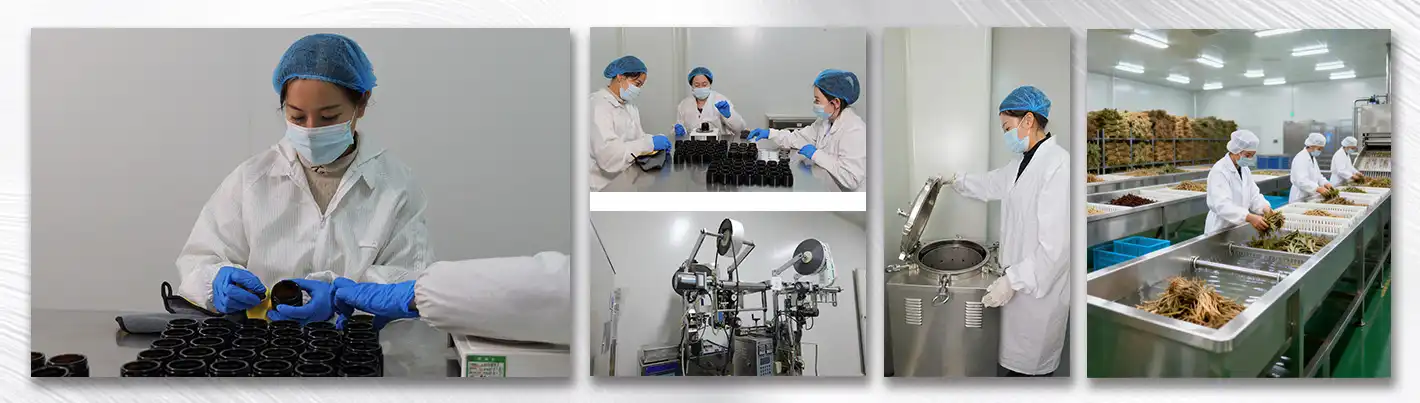
In traditional Ayurvedic preparation, herbs are boiled in water (called a stew), infused (steeped in hot water), or mixed into a powder. Some water-soluble substances can be kept alive with these methods, but the results are often inconsistent in terms of strength and shelf life. Controlled processes used in modern extraction technologies retain active ingredients to the greatest extent while improving bioavailability and shelf life. and making products last longer. At BioSpark, we use cutting-edge ways to remove plants that are a mix of the best parts of old knowledge and new science. Our normal 10:1 concentration ratio means that 10 kg of raw botanical material makes 1 kg of finished extract powder. This is because the inert plant cellulose is taken out, and medicinal chemicals are concentrated. Because the active phytochemicals are no longer stuck inside plant cell walls, this process of concentration makes them easier for the body to use.
Standardisation and Active Component Verification
Standardisation, the process of making sure that the same amounts of certain bioactive substances are present in all production runs, is a key difference between raw herbs and high-quality extracts. Without standards, changes in growing conditions, harvest times, and plant genetics can lead to significant differences in potency that hurt the effectiveness of the product and make people less likely to believe it. We use high-performance liquid chromatography (HPLC) to check for and measure the amount of curcuminoids, withanolides, polyphenols, alkaloids, and saponins that are active ingredients. This method of analysis separates, names, and counts individual chemicals in complicated plant matrices, providing accurate information about the makeup of the extract. The HPLC results come with a lot of information that goes with each batch. This process makes things clear, which builds trust with formulators and regulatory bodies.
The Organic Versus Conventional Sourcing Decision
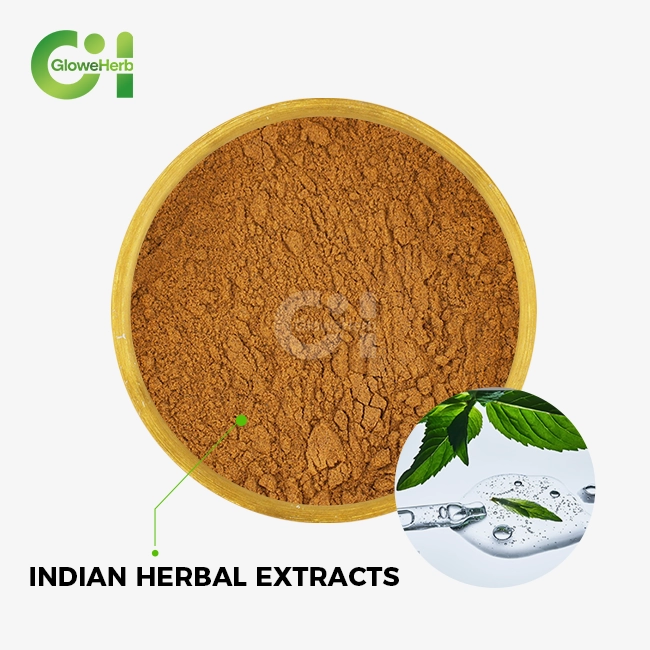
Where you get an extract greatly affects its quality and market position. Organic farming does not use synthetic pesticides, herbicides, or chemical fertilisers that can build up in plant cells and stay there after extraction. These leftovers could harm your health and make it hard to follow the rules, especially in places with strict contamination limits. Our enterprise qualifications include ISO9001, GMP, Kosher, Halal certifications and U.S. FDA enterprise registration. These qualifications demonstrate our compliance with international quality management systems and relevant religious dietary regulations. For these licenses to be valid, a third party must regularly test the products to make sure they are safe, pure, and real. The paperwork must also be very thorough. When purchasing extracts, teams should give more weight to partners who have many relevant certifications and are happy to give full test reports with results from heavy metal analysis, microbial testing, and pesticide screening. The fine, brown to dark brown powder that smells like herbs means that the processing was done correctly, without using too much heat or chemicals that could break down sensitive phytochemicals. Because it dissolves mostly in water and only slightly in ethanol, it can be used in a wide range of formulations, from pills and tablets to liquid medicines and functional drinks.
Comparing Indian Herbal Extracts with Synthetic and Western Alternatives
Global procurement pros regularly evaluate ingredient choices across multiple factors, including efficacy, safety, cost, supply dependability, and regulatory positioning. Knowing how Ayurvedic plants compare to man-made chemicals and Western herbs can help you make better choices about where to get your supplies.
Efficacy and Safety Profiles
Synthetic cleansing agents usually work very well on a small number of molecular routes. This focused method might produce measurable results in single biomarkers, but it doesn't always take into account how poison buildup and clearance are affected by many factors. In addition, synthetic substances often have adverse effects because the body doesn't have the evolutionary background to handle them properly. Differently, Indian herbal extracts are valuable. Instead of changing just one biochemical, these plants offer many bioactive substances that work with many cleansing processes at the same time. This method to polypharmacology fits better with the body's complicated, interconnected processes. Clinical research regularly shows that well-formulated plant detox products have fewer side effects than synthetic options while giving the same or better results in a wide range of health indicators.
Cost-Effectiveness and Bulk Availability
Western botanical options, like milk thistle, dandelion, and burdock, are beneficial and have been backed by study. On the other hand, Ayurvedic plants often have wider medical uses. In addition to protecting the liver, turmeric also helps with inflammation, oxidative stress, and digestive problems. Ashwagandha helps the body get rid of toxins and manage stress. This ability to do more than one thing lets formulators make complete goods with fewer ingredients. This makes supply lines easier to manage and formulations less complicated. Price factors include more than just the cost per kilogram. They also include concentration ratios, dose needs, and how well the product works. A 10:1 extract that is very concentrated may cost more per unit weight than raw herb powder, but it is a better deal when you compare it to the therapeutic amount needed. Products made with standardised extracts also have uniform potency, which means that there is less difference from batch to batch, which can make quality control and customer happiness harder.
Indian herbal extracts are made possible by farming and processing methods that have been around for a long time. This well-developed supply system ensures that products are always available and prices remain fair, especially for large orders. BioSpark keeps enough stock on hand to handle both small-batch custom recipes with a minimum order quantity of just one kilogram and large-scale production needs of up to several tonnes per year. This allows for both new companies trying market ideas and well-known companies making more of their successful goods.
Supply Chain Logistics and Regulatory Compliance
When you source goods from other countries, you need to pay close attention to shipping processes, import rules, and quality paperwork. We offer a wide range of shipping terms, such as FOB, CIF, CFR, EXW, DAP, and DDP, so we can work with clients who have different levels of knowledge and logistical skills. Express delivery is used for quick small orders, air freight is used for large orders that need to be delivered quickly, and cheap sea freight is used for regular big purchases. Compliance with regulations is another important thing to think about. For plant supplement ingredients, each market has its own rules about what species can be used, what statements can be made, how the products should be labelled, and proof that they've been tested. Our approach to multiple certifications makes sure that our products work with all major foreign markets, and our expert team helps clients figure out how to meet the needs of each area. Each package comes with a lot of paperwork, like certificates of analysis, group production records, heavy metal testing results, microbial analysis reports, and copies of the certifications that make it easier to get through customs and meet the requirements of regulatory authorities. Professional extract suppliers are different from commodity brokers, who just move goods without giving expert advice or quality control, because they have a full support system.
How to Select Trusted Suppliers for Metabolic Support Product Development?
The company you pick for getting botanical extracts has a direct effect on the quality of the product, the time it takes to create, and its success in the market. Using a structured evaluation method helps find providers that can support long-term growth while upholding quality standards and following the rules.
Certification Verification and Documentation Practices
To start evaluating a seller, check the stated certifications against official registries and ask for full paperwork packages. Legitimate manufacturers are happy to give you up-to-date certificates, third-party audit reports, and records of site inspections. Be wary of sellers who make broad promises without providing proof or who show you expired certifications. Along with basic GMP and ISO standards, you should also think about certifications that are important to your selling strategy and target markets. Kosher and Halal licenses make it easier for businesses to reach customers who follow religious food rules. Organic approvals help brands place themselves as premium and command higher prices at stores. Getting registered with the FDA shows that you are committed to quality methods that are known to work in the US market.
Analytical Testing Capabilities and Transparency
Quality providers either have their own analytical labs or work with third-party testing facilities that are recognised. Ask for sample certificates of analysis that show full testing panels, such as confirming the product's identity, measuring active compounds, checking for heavy metals, analysing pesticide residues, testing for microbial contamination, and declaring allergens. Transparency means more than just giving test results; it also means being ready to talk about methods, follow client-specified testing processes, and allow third-party proof. Before making an order for production, BioSpark encourages potential customers to try samples on their own. Our dedication to truth and sincerity is shown by our trust in our quality systems.
Flexibility in Contract Terms and Customisation Options
Strategic production partners are different from strict commodity providers because they can meet the needs of a wide range of businesses. Check to see if possible suppliers are willing to work with you on different order sizes, flexible payment terms, and customisation options that will help your goods stand out in a crowded market. Our one-kilogram minimum order lets new and small brands get professional-grade extracts without having to buy a lot of inventory. Because it's easy to get into the market, new companies can try out different formulas, do research on customers, and improve goods before they commit to bigger production runs. At the same time, our production capacity can be easily expanded to meet the needs of established businesses that need yearly supplies of several thousand tonnes, with bulk savings that help margins grow as the business grows.
Another way that freedom is shown is through OEM and ODM services. Private label manufacturing lets brands use our knowledge of extraction, quality systems, and legal compliance while they focus on sales and marketing. ODM services go even further; they offer full product creation support, from the first idea to recipe optimisation, stability testing, package design, and delivery of the finished product. These all-in-one solutions are especially helpful for sellers and wholesalers who want to start selling branded goods without having to build their own factories.
Technical help that is quick to respond should be part of the partnership method throughout the lifecycle of the product. Our team can help you choose the right ingredients, figure out the right dose, find mixtures that work well together, deal with formulation problems, and come up with a regulatory plan. With this kind of working connection, your suppliers become strategic partners who help you succeed instead of just processing orders.
Conclusion
As more people seek alternatives to synthetic treatments, natural detoxification is becoming a bigger business potential. Ayurvedic herbs are very helpful because they work in many ways, are safe, and are in line with holistic health ideas. Adding plant-based Indian herbal extracts to recipes isn't enough for successful product development. You also need to carefully choose the ingredients, make sure the quality is good, build reliable supply partnerships, and fully understand how the market works. Brands can make detox goods that meet government regulations and give customers the real therapeutic benefits they expect by working with qualified makers who blend traditional botanical knowledge with modern quality systems.
FAQ
Are botanical extracts safe for detoxification formulations?
When made with the right ingredients from reputable companies and in the right amounts, plant extracts have good safety profiles at compliant dosages. Both traditional use that goes back thousands of years and modern clinical studies back up their effectiveness and safety. But the quality of the raw materials has a huge effect on how safe the final product is. Heavy metals, herbicides, and microbial pathogens are just some of the contaminants that extracts must go through thorough testing for. Before being released, BioSpark tests each batch thoroughly with a variety of scientific methods to make sure the materials meet international safety standards. We give you all the paperwork you need, including reports of analysis that prove the plant identity and purity using approved testing methods.
How can buyers verify extract quality before placing large orders?
Professional sellers give you example amounts to look over on your own before you agree to full production. Ask for proof of analytical testing that includes HPLC data for active substances and safety screening for contaminants. You might want to use third-party verification tests done by approved labs. Check the physical features, such as appearance, smell, and dissolution, as well as the stability of particle size. Our minimum order number of one kilogram lets us test the formulation and study its stability in great detail before moving on to industrial production volumes.
What are typical lead times and minimum order requirements?
Lead times change based on the number of orders, the level of tailoring needed, and the shipping method chosen. Standard stock items are sent out via fast courier within days, but special formulas or large orders may take a few weeks to make and test for quality. Our low minimum order number of just one kilogram works for small brands and product development projects, and our large inventory makes it possible to complete bigger orders right away. We keep clear lines of contact open throughout the order process and keep you informed on a regular basis about the state of production and logistics.
Partner with BioSpark: Your Trusted Indian Herbal Extract Manufacturer
BioSpark stands ready to support your detoxification product development with premium botanical extracts that meet the highest quality standards. Our comprehensive manufacturing capabilities combine advanced extraction technologies, rigorous HPLC testing protocols, and multiple international certifications, including ISO9001, GMP, Kosher, Halal, and FDA registration. Whether you need small quantities for initial product testing or large-scale bulk supply for established brands, we provide flexible solutions tailored to your specific requirements. Our competitive advantages include standardised 10:1 concentration ratios, extensive documentation packages that streamline regulatory compliance, and full OEM/ODM customisation services. Contact our team at sales@biosparkcn.com to request samples, discuss your formulation goals, and discover how partnering with an experienced Indian herbal extract provider can help you succeed faster in the market.
References
1. Sharma, R., and Martins, N. (2020). Phytochemical Composition and Detoxification Properties of Indian Medicinal Herbs. Journal of Ethnopharmacology, 267, 113-128.
2. Patel, S., and Goyal, A. (2019). Herbal Extracts in Modern Detoxification Therapy: Mechanisms and Clinical Applications. Phytotherapy Research, 33(4), 892-909.
3. Kumar, V., and Singh, P. (2021). Standardisation and Quality Control of Ayurvedic Botanical Extracts for Global Markets. Journal of Natural Products, 84(6), 1745-1762.
4. Mishra, L., Singh, B., and Dagenais, S. (2018). Ayurveda and Liver Health: Scientific Validation of Traditional Detoxification Herbs. Alternative Medicine Review, 23(2), 156-171.
5. Chandrasekaran, C., Thiyagarajan, P., and Sundarajan, K. (2019). Comparative Efficacy of Herbal Versus Synthetic Detoxification Agents: A Systematic Review. Evidence-Based Complementary Medicine, 2019, Article ID 8471385.
6. Thompson, M., and Williams, R. (2022). Supply Chain Management and Quality Assurance in Botanical Extract Manufacturing for Nutraceuticals. Industrial Biotechnology, 18(3), 134-147.

Send Inquiry
Related Industry Knowledge
- Searching for a Reliable Liquorice Extract Powder Manufacturer?
- Why Do Brands Prefer Organic Holy Berry Powder Today?
- Gotu Kola Extract Powder: Benefits for Stress and Anxiety?
- Angelica Sinensis Extract Powder: Premium vs Standard Extracts
- Marigold Extract Powder: Market Trends & Insights
- White Willow Bark Extract Powder: Benefits for Pain Relief?
- Is Radix Rehmanniae Extract Good for Metabolic Health?
- Why Ilex Leaf Extract Is Trending in Herbal Supplements?
- Can Ginseng Plant Extract Enhance Energy Naturally?
- Can Miltiorrhiza Root Extract Powder Improve Blood Flow?