_1764041963888.webp)
Yellow peach powder Applications in Drinks, Bakery, and Snacks
Aug 03, 2026
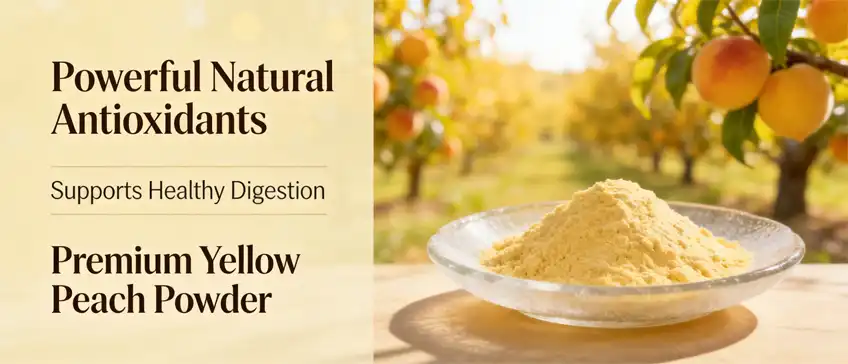
When you're searching for a premium natural ingredient that delivers authentic taste, vibrant color, and nutritional value, yellow peach powder emerges as an exceptional choice for product innovation. This concentrated fruit ingredient captures the essence of fresh yellow peaches while offering remarkable versatility across beverage, bakery, and snack formulations. Derived through advanced plant extraction methods, this powder retains the natural sweetness and characteristic aroma that consumers seek in clean-label products. With 99% active peach polyphenols and excellent water solubility, it integrates seamlessly into diverse applications, helping brands differentiate their offerings in competitive markets while meeting growing consumer demand for natural, functional ingredients.
Understanding Yellow Peach Powder: Nutrition, Benefits, and Usage
Yellow peach powder is a concentrated form of this well-liked stone fruit that has undergone processing to preserve all of its taste and nutritional value. Plant extraction methods are used to keep the vitamins A and C, dietary fibre, antioxidants, and helpful polyphenolic substances that make the food taste better and do more good for you.
Production Methods and Quality Standards
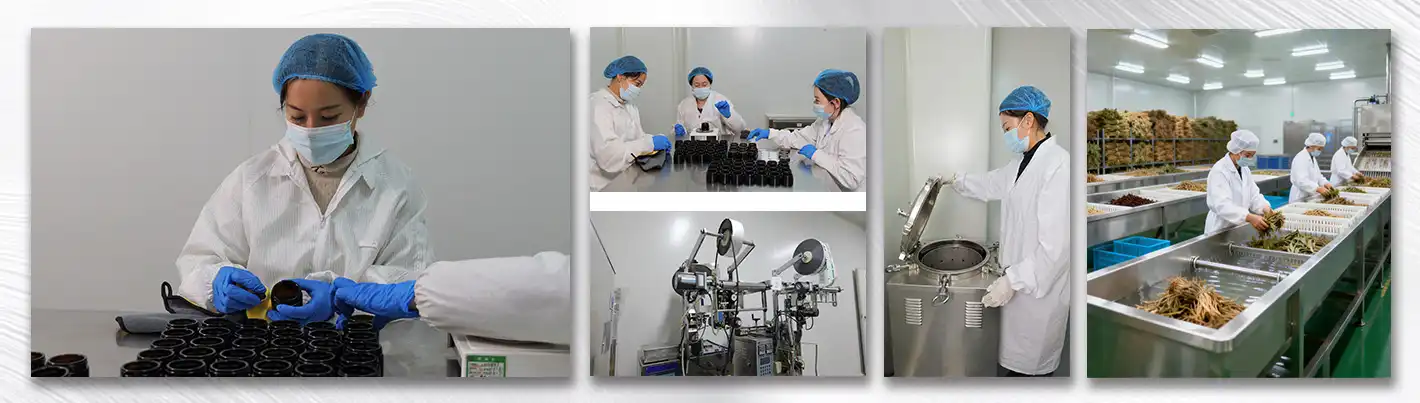
To make the product, fresh yellow peaches are picked, washed, chopped, and sliced. A machine then squeezes some juice out of them. Everything healthy is taken back during the extraction process, which gets both the main juice and the secondary pulp extracts. With low-temperature concentration technology, the solid content goes up without chemicals that are sensitive to heat breaking down. After that, the liquid is filtered to make it clear. Some natural ingredients, like maltodextrin, can be mixed with powder to make it more stable and fluffy. The liquid concentrate is turned into a fine powder with particles that are between 80 and 120 mesh when it is sprayed dry at controlled temperatures. Thin-Layer Chromatography (TLC) tests show that this regulated method ensures the same quality for everyone.
Being sure of quality isn't just about how things are made. People who buy things believe that the goods are safe and that the company can follow the rules when they see certifications like ISO9001, Kosher, Halal, FDA approval, and GMP standards. These qualifications are very important when you are making things to sell in other countries that have strict rules about what can be brought in.
Nutritional Profile and Functional Benefits
It is good for you, so this ingredient is great for making health-related items. Vitamin C keeps the skin healthy and helps the immune system work well. Vitamin A helps the immune system work well. A lot of people are interested in gut health, and fibre from stored foods helps keep the digestive system healthy. The powerful chemicals in peaches, known as polyphenols, are amplified to a level of 99%. People who care about their health will like that they fight free radicals and slow down the ageing process.
Not only does the powder provide basic nutrition, but it also has useful practical benefits. Labels that say they are clean are true because the light yellow to orange-yellow colour comes from natural ingredients and not man-made ones. People are more likely to buy the product because it smells sweet, and it's easy to make for both liquid and semisolid uses because it melts easily in water (and some ethanol). Food will last longer if it is stored properly in cool, dry, dark places with a moisture content below 10%. This will cut down on waste and make managing inventory easier.
Optimal Storage and Safety Considerations
Along the supply chain, keeping things fresh and useful is easier when they are stored in the right way. It is best to keep the powder in its original container, which is usually a 25-kilogram drum, until you are ready to use it. Keep it away from water and bright sunlight. It is important to keep the temperature in check. If you want to keep things more stable for longer than six months, you can cool them down. As soon as the packages are opened, they should be put back together again so the powder doesn't soak up water and change how it flows.
When safety profiles come from well-known companies, they are still good. There is a low chance of side effects when the ingredient is used in food in the amounts that are recommended. During the preparation process, possible toxins should be considered. Peach allergies are still not very common, though, compared to other types of allergies. The people who buy things should look over the instructions that sellers give them on how to check for pests and keep things from getting dirty.
Comparing Yellow Peach Powder in Different Applications and Forms
Understanding distinctions between various peach powder types enables more strategic ingredient selection aligned with specific product objectives and target market preferences.
Yellow Peach Powder versus Peach Juice Powder
This peach juice powder is mostly drained juice with no pulp. It tastes more like liquid peach juice and can be used in drinking applications that need clear or see-through results. Most of the time, the kind made from juice has less protein than the kind made from Yellow peach powder, which includes both juice and pulp. This difference changes the way the food tastes and feels in your mouth. When you want something with more substance, whole-fruit forms are better. They have a little more body and texture.
Nutritional density differs as well. Whole-fruit powder retains more dietary fibre and a broader spectrum of phytonutrients concentrated in peach flesh and skin. Juice powder delivers concentrated flavor intensity with cleaner taste profiles, sometimes preferred when balancing multiple fruit components in complex formulations. Cost considerations also factor into decisions; juice powder production may involve fewer processing steps, potentially offering price advantages, though this varies by supplier and specification.
Organic versus Conventional Variants
It's helpful for brands that want to reach wealthy people and people who care about the environment in agriculture to get organic Yellow peach powder approvals. To grow organic crops, farmers promise not to use harmful pesticides or fertilisers. This is good for the environment and is thought to be good for your health. Prices are usually high-end, and organic choices can cost 20 to 40 percent more, based on the certification body's needs and factors in the supply chain.
A lot of tests are done on leftover Yellow peach powder to make sure it stays within FDA and foreign legal limits. This is how strict safety standards are met. Good Agricultural Practices (GAP) are used by many companies that make high-quality goods to make sure that the ingredients they buy are safe and don't cost too much for low-cost products. They should not be thought of as having different quality levels. Instead, the choice should be based on how the brand is positioned, what the target customer wants, and the budget.
Yellow Peach versus White Peach Powder
These kinds are different because of their tastes. With a hint of sourness, Yellow peach powder enhances the sweetness and intensity of peaches. There is a light flower sweetness to white peach powder, and the acidity is not as strong. High-end tea mixes, light yoghurts, and sweets that want to show off the fruit without being too strong should use it. This makes the colours they give off different. White peach powder emits softer cream- to pale-yellow tones, whereas Yellow peach powder emits brighter golden-orange tones.
Nutritional compositions show minor variations. Yellow peaches generally contain slightly higher beta-carotene levels, contributing to vitamin A content and deeper coloration. White peaches may present marginally elevated phenolic compounds depending on cultivar selection. These differences remain subtle enough that selection typically prioritizes flavor preference and visual compatibility with product concepts rather than nutritional differentiation.
How to Incorporate Yellow Peach Powder into Drinks, Bakery, and Snacks
Practical application knowledge transforms ingredient specifications into successful product launches that capture consumer interest and deliver consistent quality across production cycles.
Beverage Formulation Best Practices
This water-soluble ingredient can be used in drinks, which is one of the best ways to do it. Because it's easy to mix with water, the Yellow peach powder is great for smoothies, fruit juice blends, healthy drinks, and flavoured waters. Rates of use are usually between 0.5 and 3% by weight, but this can change depending on the product and the level of flavouring asked for. Higher amounts of powder (2–3%) work best in smoothies, where they add taste and colour naturally and also back up nutritional claims.
Yogurt drinks and dairy-based beverages accommodate the ingredient particularly well. The slight acidity complements dairy profiles without creating coagulation issues when pH remains within normal ranges (4.0-6.5). Protein shakes and meal replacement beverages gain an appealing fruit character that masks potential off-notes from protein sources, improving palatability and consumer acceptance. The powder's peach polyphenol content adds functional benefit messaging—antioxidant support—that strengthens marketing narratives around wellness positioning.
Tea applications showcase versatility. Both hot and cold tea formulations accept the ingredient, though cold applications preserve more volatile aroma compounds. Green tea blends particularly benefit from peach flavor pairing, creating refreshing combinations popular in ready-to-drink tea categories. Herbal infusion blends incorporating chamomile, hibiscus, or rooibos gain fruit dimension that broadens consumer appeal beyond traditional tea enthusiasts.
Technical considerations include mixing sequences and stabilizer selection. Dispersing the powder into small portions of liquid with high-shear mixing before adding to batch volumes prevents clumping and ensures uniform distribution. Stabilizers like xanthan gum (0.1-0.2%) or carrageenan maintain suspension in beverages requiring extended shelf stability. Pasteurization temperatures should be minimized where possible to preserve delicate aroma compounds, though the powder withstands standard beverage processing conditions up to 85°C without significant flavor degradation.
Baking and Confectionery Applications
Bakery applications leverage the powder's heat stability and flavor retention through baking processes. Cakes, muffins, cookies, and quick breads incorporate the ingredient at 1-4% of flour weight, providing subtle-to-pronounced peach flavor depending on inclusion level and formulation complexity. The powder distributes evenly through batters and doughs when blended with dry ingredients before liquid addition, preventing localized concentration that could create flavor inconsistencies.
Functionality extends beyond flavor. The natural golden color enhances visual appeal in light-colored baked goods like vanilla cakes and shortbread cookies, reducing or eliminating the need for artificial colorants. Pectin content contributes slight moisture retention, potentially extending product freshness—a valuable attribute in commercially distributed baked goods where shelf life impacts profitability. Some formulators use a little less sugar when they add fruit powders, as the natural sweetness and flavor complexity allow lower overall sweetener usage while maintaining consumer satisfaction.
Confectionery applications demonstrate particular creativity. Gummy candies benefit from both flavor and color contributions, with the powder integrating directly into gelatin- or pectin-based systems at 2-5% inclusion rates. The water solubility ensures a clear, jewel-like appearance when properly formulated. Pressed candies and lozenges incorporate the ingredient for flavor delivery, appealing to consumers seeking fruit-based confections perceived as more wholesome than purely artificial alternatives. Chocolate applications present opportunities for fruit-chocolate pairing—white chocolate ganaches and truffles gain sophisticated peach notes when 1-2% powder is blended into cream components before emulsification.
Snack Development Strategies
Snack categories increasingly emphasize better-for-you positioning, where natural fruit ingredients strengthen nutritional narratives. Granola and cereal bar formulations incorporate the powder at 1-3% of total weight, providing fruit component claims without moisture complications associated with fruit pieces or purees. The powder contributes to binding systems when combined with honey, syrups, or nut butters, while adding flavor complexity that differentiates products in crowded categories.
Yogurt-covered snacks and fruit-flavored nuts represent emerging applications. The powder can be incorporated into yogurt coating formulations (replacing 5-10% of yogurt powder) to create peach-yogurt flavor profiles. Alternatively, a light dusting of nut products with the powder combined with minimal sugar or honey creates a lightly sweetened, fruit-touched snack nut appealing to consumers seeking moderate indulgence with perceived nutritional value.
Dried fruit blends and trail mixes gain consistency when incorporating powdered fruit ingredients alongside dried pieces. The powder coats surfaces, distributing flavor throughout the mix rather than concentrating in fruit chunks alone. This technique also reduces stickiness, sometimes problematic with dried fruit pieces, improving handling characteristics and consumer experience. Inclusion rates remain modest (0.5-1%) since excessive powder coating creates a dusty mouthfeel, but proper application enhances overall flavor balance across snack components.
Procurement Guide: Sourcing High-Quality Yellow Peach Powder for B2B Buyers
Strategic sourcing requires systematic evaluation of supplier capabilities, quality systems, and commercial terms to establish partnerships delivering consistent value and minimizing supply chain risks.
Supplier Evaluation Criteria
Certification portfolios provide initial screening filters. Priority suppliers maintain current ISO9001 quality management certification, demonstrating systematic approaches to process control and continuous improvement. Food safety certifications (HACCP, GMP) verify implementation of preventive controls throughout manufacturing. Religious certifications (Kosher, Halal) matter when serving diverse markets or specific consumer segments requiring these standards. FDA registration and compliance documentation facilitate U.S. market entry, while organic certifications (USDA Organic, EU Organic) enable premium product positioning when applicable.
Beyond certifications, quality assurance capabilities warrant detailed evaluation. Suppliers should provide comprehensive Certificates of Analysis (COA) with each shipment, documenting specifications including active ingredient content, microbial testing results, heavy metal screening, pesticide residue testing, and physical parameters like moisture content and particle size distribution. Batch traceability systems connecting finished powder to raw material lots enable rapid response to quality issues and support regulatory compliance during audits. The ability to retain samples for extended periods (typically 2-3 years) demonstrates commitment to accountability and quality investigation capabilities.
Production capacity and flexibility influence long-term partnership viability. Suppliers should transparently communicate minimum order quantities, though competitive suppliers accommodate smaller trial orders (starting from 1 kg) to support product development phases before scaling to commercial production. Lead times vary by season and demand—reliable suppliers maintain sufficient inventory to ship standard specifications within 1-2 weeks while communicating honestly about custom formulation timelines. Capacity for both small-batch customization and large-scale production ensures suppliers can grow alongside client businesses without necessitating disruptive supplier changes.
Packaging, Pricing, and Logistics Considerations
Standard packaging in 25 kg drums balances handling efficiency with product protection, though flexible suppliers offer alternative configurations, including 10 kg cartons for smaller operations or 50 kg drums for high-volume users. Packaging materials matter—food-grade polyethylene liners within fiber drums provide moisture barriers essential for Yellow peach powder stability, while nitrogen flushing during packaging extends shelf life by minimizing oxidation. Custom labeling capabilities support private label applications and inventory management systems.
Pricing structures reflect multiple variables, including specification complexity, order volumes, and raw material market conditions. Bulk purchasing typically unlocks tiered discounting—volume commitments of 500+ kg may reduce unit costs by 10-20% compared to smaller orders. Long-term supply agreements provide price stability, protecting against seasonal fluctuations in peach availability and market volatility. Transparent pricing includes clear communication about additional costs for custom specifications, expedited processing, or specialized testing beyond standard COA parameters.
International logistics capabilities distinguish suppliers equipped to serve global buyers. Delivery term flexibility (FOB, CIF, CFR, EXW, DAP, DDP) allows buyers to select arrangements matching their logistics infrastructure and cost optimization strategies. Shipping method options—express for urgent small orders, air freight for moderate-volume time-sensitive deliveries, and sea freight for economical large-volume shipments—provide adaptability to varying business needs. Reliable suppliers maintain relationships with reputable freight forwarders, providing accurate documentation for customs clearance and maintaining communication throughout transit. Payment terms typically emphasize bank transfer (T/T), with established relationships sometimes enabling net payment terms that ease cash flow management.
Building Strategic Supplier Relationships
Sample evaluation represents the critical first step in supplier qualification. Reputable suppliers readily provide samples (often free or at a nominal cost), enabling laboratory testing and pilot-scale formulation trials before commercial commitments. Evaluation should assess powder appearance consistency with specifications, solubility characteristics, flavor profile accuracy, and absence of off-odors or visual defects. Microbiological testing through independent laboratories verifies safety claims, while sensory panels evaluate organoleptic properties against competitive alternatives.
Communication responsiveness indicates customer service commitment. During initial inquiries, evaluate response times, technical knowledge depth, and willingness to discuss specifications transparently. Suppliers demonstrating genuine interest in understanding application requirements rather than merely pushing standard products show a partnership orientation valuable during formulation challenges or market changes. Technical support capabilities—whether suppliers offer formulation guidance, application troubleshooting, or collaborative development—distinguish commodity vendors from strategic partners invested in client success.
Top Brands and Trusted Suppliers of Yellow Peach Powder
Identifying manufacturers and distributors with proven track records provides confidence in product consistency and supply reliability essential for commercial success.
Leading Manufacturer Profiles
BioSpark (Xi'an) Biotechnology Co., Ltd has established strong credentials in the botanical extract and functional ingredient sector. Specializing in plant-based nutritional components, the company maintains comprehensive quality systems aligned with international standards, including ISO9001, GMP, and FDA compliance. Their Yellow peach powder specs say that it should have a normal 99% peach polyphenol content, which is proven by TLC testing methodology, providing consistent functional properties across batches. Manufacturing capabilities accommodate both small development quantities (minimum 1 kg orders) and large-scale production runs, supporting clients from the startup phase through market expansion.
The company's sourcing practices emphasize traceability and quality verification throughout supply chains extending across China's premier peach-growing regions. This geographic advantage provides access to superior raw materials during peak seasons, supporting flavor profiles and nutritional content that meet international market expectations. Processing facilities employ advanced extraction and drying technologies that preserve heat-sensitive compounds while achieving microbial safety standards required for global distribution. Comprehensive documentation systems maintain batch records and retain samples, facilitating regulatory compliance and rapid quality investigation when needed.
Customer service infrastructure includes technical support for formulation questions, flexible delivery terms (FOB through DDP options), and multiple shipping method accommodations. The company maintains sufficient inventory levels, ensuring rapid fulfillment, with standard orders typically shipped within one week. OEM/ODM capabilities enable customized specifications, private labeling, and collaborative product development aligned with client brand strategies. Payment flexibility through multiple terms and responsive communication through dedicated account management distinguishes the company's client-focused approach.
Evaluation Through Reviews and Testimonials
Gathering intelligence from existing customers provides a valuable perspective on supplier performance beyond marketing materials. Testimonial themes to prioritize include product consistency across multiple orders, accuracy of documentation and COAs, timeliness of deliveries against committed schedules, and responsiveness to issues requiring resolution. Suppliers with positive feedback across these dimensions demonstrate operational maturity, reducing risks of supply disruptions or quality surprises.
Sample request processes themselves reveal supplier professionalism. Efficient suppliers provide samples within 3-5 business days of requests, include comprehensive technical data sheets with specifications, and follow up to understand evaluation results and application intentions. This consultative approach indicates genuine partnership interest rather than transactional commodity selling. Warranty terms and post-purchase support structures—including policies for handling non-conforming materials and technical assistance during scale-up phases—provide safety nets valuable when navigating unfamiliar ingredients or entering new product categories.
Conclusion
Yellow peach powder delivers exceptional versatility, natural flavor authenticity, and functional benefits, positioning it as a strategic ingredient for beverage, bakery, and snack innovation. Its concentrated nutritional profile featuring 99% peach polyphenols, combined with excellent solubility and heat stability, supports diverse formulation objectives from clean-label coloring to antioxidant fortification. Successful procurement requires careful supplier evaluation, emphasizing certifications, quality systems, production flexibility, and logistics capabilities that ensure consistent supply and product reliability. Strategic partnerships with manufacturers offering comprehensive support—from sample provision through technical collaboration and responsive customer service—enable faster product development cycles and more confident market launches. As consumer demand for natural, functional ingredients continues expanding, this powder represents a compelling solution helping brands differentiate products while delivering authentic taste experiences consumers value.
FAQ
1. Is yellow peach powder a natural ingredient or does it contain additives?
When you separate and dry peaches, you get concentrated peach solids, which are what premium standards are mostly made of. Small amounts (5–10%) of natural ingredients like maltodextrin can be added to the Yellow peach powder to help it move around better and keep it from sticking together while it's being kept and handled. These additions remain derived from natural sources and appear on ingredient declarations. Buyers seeking completely additive-free versions should specify this requirement, though such products may exhibit reduced flowability, requiring different handling procedures during manufacturing.
2. What is the typical shelf life, and how should it be stored?
Properly packaged product maintains optimal quality for 18-24 months from the manufacture date when stored in cool (below 25°C), dry (relative humidity below 60%), dark conditions. Sealed containers prevent moisture absorption that degrades powder properties. Refrigeration extends stability beyond standard shelf life, particularly valuable for partial containers after opening. Oxidation represents the primary degradation pathway, so minimizing air exposure through proper resealing after each use preserves flavor and color intensity throughout the product lifecycle.
3. Can yellow peach powder withstand high-temperature processing?
The ingredient demonstrates good heat stability suitable for most food processing applications. Baking temperatures (175-200°C) for typical durations (15-30 minutes) do not significantly degrade flavor or color, though some volatile aroma compounds may dissipate. Pasteurization conditions commonly applied to beverages (72-85°C for 15-30 seconds) preserve product characteristics effectively. Extended exposure to temperatures exceeding 200°C or prolonged heating may cause browning and flavor changes, so processes should be optimized to minimize unnecessary heat exposure while achieving food safety objectives.
Partner with BioSpark for Premium Yellow Peach Powder Supply
Building your next innovative product line deserves a manufacturing partner committed to quality, reliability, and collaborative success. At BioSpark (Xi'an) Biotechnology Co., Ltd, we specialize in delivering high-purity botanical extracts and functional ingredients that meet the exacting standards of discerning brands, distributors, and wellness product companies. Our Yellow peach powder, manufactured through advanced plant extraction methods, provides the consistent specifications, comprehensive certifications, and dependable supply chains your business requires. Whether you need small development batches or large-scale production volumes, our flexible OEM/ODM services adapt to your unique requirements. Contact our team at leao@biosparkcn.com to discuss your specific applications, request technical data sheets, or arrange a sample evaluation. As an experienced supplier, we're ready to support your product development journey with responsive communication, competitive pricing, and the technical expertise that transforms ingredient concepts into market-ready innovations.
References
1. Smith, J. and Anderson, K. (2022). Functional Fruit Ingredients in Modern Food Processing. Academic Press, New York.
2. Chen, L., Wang, H., and Zhang, Y. (2021). "Polyphenolic Compounds in Stone Fruits: Extraction, Analysis, and Health Benefits," Journal of Food Science and Nutrition, 58(4), 823-841.
3. Miller, R. (2023). Natural Food Colorants: Sources, Applications, and Regulatory Considerations. Woodhead Publishing, Cambridge.
4. Thompson, D. and Garcia, M. (2021). "Spray Drying Technology for Fruit Powder Production: Process Optimization and Quality Parameters," Food Engineering Reviews, 13(2), 156-174.
5. Williams, S., Brown, T., and Lee, P. (2022). Clean Label Ingredients: Market Trends and Formulation Strategies for Beverage and Bakery Applications. Wiley-Blackwell, London.
6. Zhou, X., Liu, F., and Yang, S. (2023). "Stability and Bioavailability of Peach-Derived Bioactive Compounds in Processed Food Products," International Journal of Food Properties, 26(1), 245-262.

Send Inquiry
Related Industry Knowledge
- Is Coconut Milk Extract Powder More Cost-Effective Than Canned?
- Is Coconut Milk Extract Powder More Cost-Effective Than Canned?
- Is Coconut Milk Extract Powder More Cost-Effective Than Canned?
- Is Coconut Milk Extract Powder More Cost-Effective Than Canned?
- Is Coconut Milk Extract Powder More Cost-Effective Than Canned?
- Is Coconut Milk Extract Powder More Cost-Effective Than Canned?
- Is Coconut Milk Extract Powder More Cost-Effective Than Canned?
- Is Coconut Milk Extract Powder More Cost-Effective Than Canned?
- Is Coconut Milk Extract Powder More Cost-Effective Than Canned?
- Is Coconut Milk Extract Powder More Cost-Effective Than Canned?
- Can Broccoli Extract Powder Support Detox and Liver Health?
- What Makes Ghanaian Seed Extract a Powerful Antioxidant?
- Organic Ginseng Fruit Powder for Functional Food Innovation
- Is Holy Berry Powder Rich in Natural Antioxidants?
- Where to Buy High-Quality Cistanche Extract Powder Online?
- Rosa Roxburghii Extract Benefits for Gut Health Support
- Kacip Fatimah Extract: Natural Phytoestrogen for Women
- Can Baicalin Extract Enhance Overall Cellular Health?
- How Do Spirulina Extract Tablets Support Heart Health?