_1764041963888.webp)
How to Use Coconut Milk Extract Powder in Hot and Cold Drinks?
Jul 19, 2026
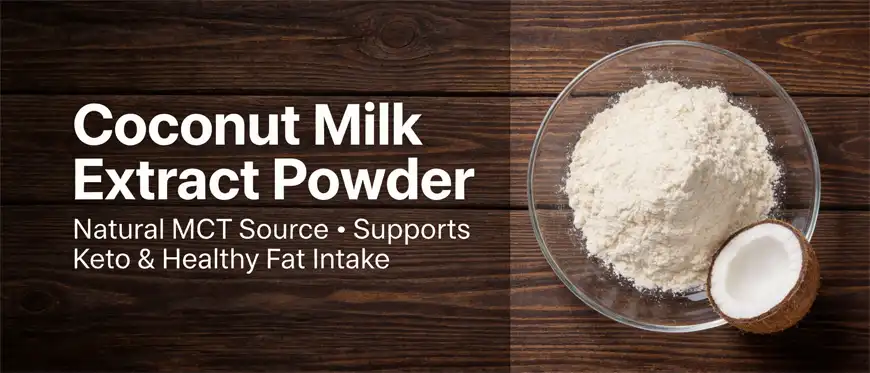
This Coconut milk extract powder works well and can be used in many ways by people who make drinks and want to make sure the quality stays the same, and the product lasts longer. The feel and taste of this spray-dried ingredient are the same as real coconut milk. It doesn't go bad quickly or be hard to store as liquid coconut milk does. It's easy to make drinks without soy that are vegan or that have clean labels with this powder. Quickly blends into a smooth paste that can be used in hot teas, cold shakes, or already-made health drinks. Most of it is active ingredients, and it's easy to mix with water. This makes it good for many types of drinks.
Understanding Coconut Milk Extract Powder and Its Key Benefits in Beverages
What Makes Coconut Milk Extract Powder Different from Other Coconut Ingredients?
Fresh coconut meat, called the white part, is used to make coconut milk extract powder. Spray-dried, it's a blend that's full of fats and useful things. Because fresh coconut meat is pressed into a mixture to make this extract, it is not the same as basic or dried coconut powder. Then, stabilisers like acacia gum or maltodextrin are used to make spray-dry capsules. This keeps about 60–70% of the natural coconut oil. It keeps the carbs, minerals like magnesium and potassium, and plant proteins. The medium-chain fatty acids, especially lauric acid, are the same way. It's easy to mix the fine powder that's left over with water. It's off-white to light yellow and smells like coconut milk.
Nutritional and Functional Advantages for Beverage Formulations
As of right now, the ingredients in coconut milk extract powder are right on trend in the health world. With the help of short-chain fatty acids, it quickly takes in energy and makes good use of it. Lauric acid, on the other hand, kills bacteria without hurting them and makes your immune system work better. That doesn't have cholesterol is good for the heart, so health-conscious people will like it. Powder particles that are 100 to 120 mesh make sure that it runs easily and evenly in dry-mix drinking jobs. The fact that it can be stored for 18 to 24 months is very helpful for manufacturers, since liquid coconut milk goes bad in just 24 hours. When there is less water activity, lipase activity and other enzymes that break down fats can't do their job as well. This is what makes hydrolytic rancidity happen. When things are stable, there is less waste, better inventory control, and easier shipping. Powder has more than 80% less bulk space than liquid cans. So, no water needs to be sent. This saves money and makes it less likely that the cans will leak or rust on the way across the ocean.
Solving Industry Pain Points for B2B Procurement
People who make drinks have a lot of problems with liquid coconut milk. For example, the fat doesn't spread out evenly, and the phases separate. If your recipe isn't stable, coconut milk extract powder can fix it so that every batch of food turns out the same. The powder form also makes it easy to make new products quickly. For example, R&D teams can try out many different formulas without having to keep track of liquid stock that goes bad quickly.
Step-by-Step Guide to Using Coconut Milk Extract Powder in Hot and Cold Drinks
Preparation Methods for Hot Beverage Applications
When making hot drinks, you should really think about the temperatures and ways of dissolving in them. That way, when you use it in coffee, tea, or hot chocolate, it won't stick. Sort the coconut milk extract powder first. Adding the powder slowly to a hot liquid that is between 140°F and 60°C is the best way to do it. Make sure to stir the mixture all the time. All of the ingredients will break down in this range of temperatures, and chemicals that are sensitive to heat will not be hurt. 5 to 10 grams is the right amount for most hot drinks (8 ounces). You can change this, though, depending on how strong and sweet the taste you want is. This could go up to 12 to 15 grams if a professional barman makes certain kinds of coconut drinks. Very quickly, the powder turns into a smooth, even liquid. The oil doesn't separate from the liquid while you drink it.
Cold Beverage and Smoothie Integration Techniques
You need to make different cold drinks in different ways to get the best mix of texture and taste. Add a little water to the coconut milk extract powder and mix it until you get a thick paste. About two parts powder to one part water should be used. Add the parts and mix them well with a hand blender or a high-shear mixer. This step makes sure that all the pieces are mixed before the cold liquids are added. Once the mix is smooth, slowly add it to cold drinks like iced coffee, fruit smoothies, or plant-based protein shakes. This is because it's not as creamy when it's cold, so 8 to 12 grams per serving is most of the time. The powder is fully mixed in after 30 to 45 seconds of high-speed mixing. There are no chunks or clear separations in the drink.
Dosage Optimisation for Different Drink Categories
When makers choose the right amount, they need to think about both how it tastes and how much it costs. 3 to 5 grams per serving for mild coconut tastes that can be made a little better. It goes well with Thai iced tea or tropical soups that have a lot of coconut. It tastes a bit like coconut (8 to 10 grams). It could be 15 to 20 grams per serving in drinks that are sweet and rich, like coconut cream dessert drinks. Some tests were done at different temperatures and found that cool drinks need 15 to 20 per cent more of it than hot drinks to get the same amount of spice and sweetness. It's important to remember that temperature can change the smell of coconut and the size of fat globules. You can figure out the right amount for the market by having taste tests with groups of people who might buy it.
Comparing Coconut Milk Extract Powder With Other Coconut-Based Powders for Beverages
Understanding Compositional Differences and Functional Impact
Most of the time, between 70 and 85% of coconut cream powder is fat. This makes it taste fuller, but it might be too much for drinks with light flavours. There aren't many minerals or proteins in coconut oil powder, but the coconut oil itself is good for you. In a scientific sense, this makes it easy to understand. The powder made from coconut milk should keep between 60% and 70% of its fat. It stays creamy without being too thick, and it tastes just like fresh coconut milk. The oil phase of good coconut milk extract powder stays safe while it's being dried and stored because it has capsule technology. This stops the oxidation that leads to bad tastes. This makes it better technically, so it lasts longer and tastes better all over than plain coconut powder. There are a few things that help recovery go faster. This is important for instant drinks because the time it takes to dissolve affects how the customer feels about the drink.
Organic Certification and Quality Indicators for Premium Markets
In North America and Europe, people are asking for more and more organic certifications. This shows that people want food that is grown without using chemicals and comes from sources that will last. It costs more to buy organic coconut milk extract powder, but you can sell it to more valuable people. People who sell organic food that you can trust will also give you a lot of paperwork, such as reports on allergens, heavy metals, and microbiological testing. For sales in the United States, an FDA record can help you believe a seller. There are also third-party quality checks from groups like NSF International or Informed Choice that can be used for EU markets. With these papers, you can be sure that the rules for making things, checking for quality, and keeping track of them will always be the same. Remember these things when you make drinks for people from other places.
Procurement Insights: How to Source Quality Coconut Milk Extract Powder for Your Beverage Business
Evaluating Supplier Capabilities and Manufacturing Standards
The first thing that needs to be done before buying is to carefully look at the providers. Companies that make things should pick suppliers that handle the whole process, from getting the coconuts to making the powder. In this case, everything is "fully integrated," so from the farm to the package, everything can be watched. It is safer for the supply chain now. Learn more about the spray-drying tools you're interested in to get better powder with even grain sizes. This is possible with newer systems that have more accurate temperature and pressure settings. They have full quality control systems that are in line with FSSC 22000 or ISO 22000. The raw materials are checked, the process is watched, and the finished product is put through a strict set of tests. There is no change in the amount of fat, microbes, or moisture in the most recent production batches, as shown by their certificates of analysis (COAs). There shouldn't be more than 3% wetness. Don't do business with providers who won't or can't give you full COAs. They might not have the right tools in place to check the grade.
Understanding MOQs, Packaging Options, and Logistics Planning
It can be as little as 1 kg for samples or as much as 500 kg or more for production contracts. Different suppliers have very different minimum order amounts. Businesses won't buy too much of a product before it's ready for sale if they can get flexible MOQs while the product is being made. Standard ways to pack things include 25 kg drums with nitrogen-filled aluminium foil bags. This keeps the items dry and rust-free while they're being stored or sent. When planning transportation, it's important to keep in mind that shipping needs change based on the weather. The powder can handle being at room temperature, but if it stays hot for a long time, above 86°F (30°C), it loses its quality more quickly. It takes three to five weeks for containers sent from Asia to ports in North America to get there. To be safe, make sure you have enough goods on hand to last for 6 to 8 weeks. You won't have to worry about running out of supplies, and you'll have time to find and fix quality differences between runs.
Market Pricing Dynamics and Negotiation Strategies
The price of coconut milk extract powder varies around the world based on how simple it is to get the raw materials, how much it costs to process them, and how long it takes to get approval. A lot of plain powder costs about $8 to $12 a kilogram, and a lot of organic powder costs about $14 to $18 a kilogram. Coconut prices change with the seasons because people eat them at different times. The best time to buy from Thailand, Vietnam, or the Philippines is from May to October. You can make partnerships that last longer if you know how to deal. Along with steady orders and long-term contracts that let them grow, they like these types of deals. If you agree to buy at set amounts every three months instead of when you need it, you can often save 8–12% off the price. Having flexible payment terms, like net terms of 30 to 60 days instead of fees, makes it easier to handle cash flow during the growth stages.
Best Practices and Tips for Maximising the Use of Coconut Milk Extract Powder in Your Drink Formulations
Storage Conditions and Shelf-Life Management
The good things about coconut milk extract powder will stay with it as long as you store it the right way. There are cool places between 59°F (15°C) and 77°F (15°C) that are less than 60% wet that are good to store drums that haven't been opened. When the humidity is high, things soak up water. This makes them stick together and speeds up the oxidation of fats. Before you store the powder, make sure it doesn't let air in. If you have access to nitrogen, clean the containers to keep the quality of the powder. There is a 3-month window in which the powder works best. Follow the "first-in, first-out" rule for product movement to make sure the powder stays in the best shape possible. By testing the product on a regular basis for smell, shape, and how it re-forms, early signs of quality loss can be found before they affect drinks that have already been made. Before it is used in factories, powder that smells bad, turns yellow faster than expected, or is hard to mix should be tested in a lab.
Allergen Management and Quality Assurance Protocols
People who are allergic to coconuts don't react to them as often as they do to other tree nuts, even though the FDA says they should be labelled as such. Still, manufacturers have to follow strict rules to keep allergens in check. In between runs of goods, they might clean very well or use different production lines. Customers are more likely to trust clean label claims when there is proof that allergy control rules are being followed. Checking the quality of something is more than just trying the ingredients. It also involves checking to see how stable the drinks are when they're done. To get an idea of how a product will normally store, you can test its shelf life quickly at high temperatures, like 40°C for 4 to 6 weeks. As you watch the food, pay attention to things like changes in the way it tastes, pH stability, and the safety of microbes. There are rules about how long food should be kept or thrown away. These tests help find out.
Real-World Success: Case Studies from North American Markets
A coffee company in the United States changed their coconut milk cold brew line so that it now uses spray-dried coconut milk extract powder instead of fresh coconut milk. This change led to 40% less waste, no more complaints about phase separation, and the product could be kept in the fridge for 45 days instead of 14. Because they were more stable, more grocery stores could sell them. They couldn't before because they didn't last long. A New York company that makes healthy drinks also used coconut milk extract powder to make dry-mix containers that could stay open for a long time. You can make healthy drinks that don't need to be kept cold by mixing the powder mix with water or plant-based milk. It was now possible to shop online from one person to another, which wasn't possible with liquid recipes. That means there was 300% growth from the previous year.

Conclusion
Cocoa powder changes the way drinks are made because it keeps the same quality as liquid forms, lasts longer, and is easier to use. It can be used to make a lot of different things, from hot speciality coffees to cold plant-based protein shakes. Also, it meets the needs of people who want healthy foods without cheese and clean labels. To get the most out of the powder's useful properties, manufacturers need to know how to dissolve it correctly, how much to use, and how to get good powder. For the long term, the supply chain will work because of the strategic partnerships with providers that focus on quality control, approval, and tracking. Plant-based innovations are still being used in the drink business, and this powder is a big part of that. For brands, it helps them offer a real Coconut milk extract powder while also meeting the needs of current production.
FAQ
Is coconut milk extract powder suitable for vegan and dairy-free beverage formulations?
Absolutely. Coconut milk extract powder contains no animal-derived ingredients, making it perfectly suited for vegan, vegetarian, and dairy-free product lines. The powder is completely lactose-free and cholesterol-free, addressing dietary restrictions while delivering a creamy texture traditionally associated with dairy ingredients. This clean-label profile resonates strongly with plant-based consumers seeking authentic alternatives.
How does temperature affect texture and performance in different drink applications?
Temperature significantly impacts perceived creaminess and flavour intensity. Hot beverages (above 140°F) achieve faster dissolution and fuller coconut aroma release due to increased volatile compound activity. Cold applications require higher dosage—typically 15-20% more—to compensate for reduced fat globule dispersion and diminished aromatic perception. Pre-hydration techniques in cold formulations ensure a smooth texture comparable to hot beverage applications.
What certifications should I verify when selecting a coconut milk extract powder supplier?
Priority certifications include organic certification (USDA Organic for U.S. markets, EU organic for European distribution), FDA facility registration, and third-party quality verification like NSF International. Additionally, request certificates of analysis documenting heavy metal testing, microbiological compliance, and allergen control. Suppliers providing comprehensive documentation demonstrate commitment to quality standards essential for scaling commercial beverage production across regulated international markets.
Partner With BioSpark for Premium Coconut Milk Extract Powder Supply
BioSpark (Xi'an) Biotechnology Co., Ltd specializes in manufacturing high-quality coconut milk extract powder designed specifically for beverage brands, nutraceutical companies, and health product distributors. Our advanced spray-drying technology preserves the authentic coconut flavour profile while delivering exceptional water solubility and functional performance. We understand the critical importance of consistent quality in scaled production environments, which is why we maintain rigorous quality control at every manufacturing stage—from raw material sourcing through final packaging in nitrogen-filled aluminium foil bags. Our comprehensive OEM and ODM services support both emerging startups and established enterprises. Whether you require small-batch trials or large-scale production capacity, we provide flexible solutions tailored to your specific formulation needs. We source premium coconuts from certified sustainable plantations and conduct extensive testing to ensure our coconut milk extract powder meets international standards for purity, safety, and nutritional consistency. As a trusted coconut milk extract powder manufacturer, we offer competitive pricing, reliable global delivery, and full technical support to help you bring innovative beverage products to market successfully. Contact our team at leao@biosparkcn.com to request samples, discuss custom formulations, or explore how our expertise can elevate your product portfolio in competitive North American and European markets.
References
1. Tangsuphoom, N., & Coupland, J. N. (2009). Effect of heating and homogenization on the stability of coconut milk emulsions. Journal of Food Science, 74(6), E314-E321.
2. Marina, A. M., Che Man, Y. B., & Amin, I. (2009). Virgin coconut oil: emerging functional food oil. Trends in Food Science & Technology, 20(10), 481-487.
3. Banasiak, L. J., & Ladisch, M. R. (2018). Spray drying technology for food ingredient encapsulation. In Microencapsulation in the Food Industry (pp. 279-293). Academic Press.
4. Peamprasart, T., & Chiewchan, N. (2006). Effect of fat content and preheat treatment on the apparent viscosity of coconut milk after homogenization. Journal of Food Engineering, 77(3), 653-658.
5. McClements, D. J. (2015). Food Emulsions: Principles, Practices, and Techniques (Third Edition). CRC Press, Boca Raton, Florida.
6. Sethi, S., Tyagi, S. K., & Anurag, R. K. (2016). Plant-based milk alternatives: an emerging segment of functional beverages: a review. Journal of Food Science and Technology, 53(9), 3408-3423.

Send Inquiry
Related Industry Knowledge
- Does echinacea extract powder help shorten cold recovery time?
- How Is Baicalin Extract Used in Traditional Medicine Systems?
- Freeze-Dried vs Spray-Dried Cape Gooseberry Powder: Which Wins?
- Why Is White Kidney Bean Extract Powder Popular Worldwide?
- How does gardenia fruit powder work as a natural sedative?
- What Is Apple Peel Extract Powder Used For?
- Apple Peel Extract Powder Benefits for Skin & Health
- Rosa Roxburghii Extract: A Functional Ingredient Guide
- How to Use Tribulus Terrestris Extract Powder Safely?
- Can Ginseng Plant Extract Enhance Energy Naturally?