_1764041963888.webp)
Liquorice Extract Powder: Natural Sweetener for Food & Beverage
Jul 22, 2026
Liquorice extract powder has become a popular natural sweetener choice for food and drink companies that want to use clean-label alternatives to synthetic additives. This botanical ingredient comes from the root of the Glycyrrhiza plant and is extracted using advanced techniques. It is very sweet—about 50 to 200 times sweeter than sucrose—and has other useful properties, such as antioxidant properties and flavour enhancement. These days, more and more people want clear ingredient lists and plant-based formulas. This natural extract gives companies an edge when making goods that follow health trends without sacrificing taste or following guidelines.
Understanding Liquorice Extract Powder
The plant extract comes from the dried roots and rhizomes of Glycyrrhiza species, which are in the family Fabaceae. How the roots are grown has a big effect on the quality of the final product. Usually, they are picked three to four years after they are fully grown, when the concentration of glycyrrhizic acid is at its best. The place where the roots come from is very important; areas with certain types of dirt and weather make roots with better phytochemical profiles.
Origins and Botanical Characteristics
There are several species in the genus Glycyrrhiza, but Glycyrrhiza glabra and Glycyrrhiza uralensis are still the most important for business. Over many years of growth, these annual plants build up large root systems that store chemical compounds. A lot of high-quality materials are made in China, which uses both traditional farming knowledge and modern farming methods. BioSpark gets its high-quality roots from controlled growing areas. This way, the company can be sure of the quality and track the roots from the field to the finished product.
Production Methods and Quality Standards
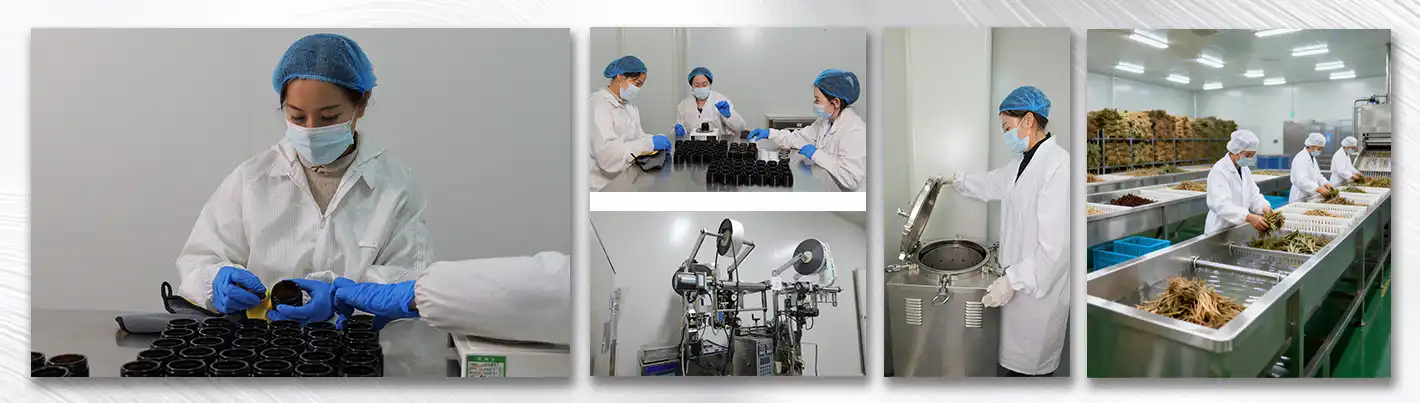
Our multi-stage plant extraction method uses temperature-controlled processes to keep bioactive chemicals that are sensitive safe. First, the roots are carefully chosen and cleaned. Then, they are crushed to make more surface area for extraction. The active ingredients are released by hot water extraction, especially glycyrrhizic acid, which is the main quality indicator. After membrane filtration, impurities and particles are removed, and vacuum concentration raises the concentration of the active compound. Spray drying turns the concentrated liquid into a fine powder with particles ranging from 80 to 120 mesh, which makes it easy to use in manufacturing settings. High-Performance Liquid Chromatography (HPLC) testing confirms that the glycyrrhizic acid content meets our standard requirement of 20%, which gives manufacturers consistent functionality across production batches. This level of analytical rigour helps make formulations more predictable and makes sure they follow the rules.
Chemical Profile and Nutritional Composition
Besides glycyrrhizic acid, the extract has a lot of other bioactive compounds in it. Triterpenoid saponins, such as glycyrrhizin and glycyrrhetinic acid, make the fruit sweet and help it do biological work. Flavonoid compounds, like liquiritin and isoliquiritigenin, protect against free radicals and help keep colours stable in mixtures. This ingredient's wide range of phytochemicals explains why it can be used for many things at once, as a sugar, a flavour enhancer, and a useful addition. The powder's solubility makes it easy to use in many situations. Complete solubility in water makes it easy to add to drinking systems, and small solubility in ethanol helps with alcohol-based formulas. Its light yellow to yellowish-brown colour and sweet liquorice smell are signs of proper processing and real material sources.
Evaluating Liquorice Extract Powder for Procurement Needs
When purchasing plant products for production, procurement managers have to think about a lot of things. Liquorice Extract Powder. By knowing the differences between the different types of products, levels of quality, and suppliers' abilities, you can make smart decisions about where to buy things that balance low costs with high quality.
Organic Versus Conventional Sourcing
Organic certification means that the farming methods used do not use synthetic fertilisers and pesticides. This is appealing to brands that want to reach high-end customers. Conventional production may be cheaper, but it still has to meet strict safety standards by testing for residues and making sure the quality is good. Both choices work well as long as they come from reputable sources with clear ways for tracking them. Many detailed records are kept by BioSpark for both organic and standard materials. This lets clients choose the best choice for their market positioning and legal needs.
Pure Extract Versus Blended Formulations
Pure extracts that are standardised to specific concentrations of glycyrrhizic acid give formulators the most control over how the drug is made and how well it works. For most food and drink applications, our 20% specification is the best balance between concentration and cost-effectiveness. Some companies like lower concentrations for mild sweetness uses and higher concentrations for specific medicine uses. The right specification choice is based on your target sweetness level and dosage needs. Blended formulations that include carriers or other botanical extracts may help with processing in some situations, but they lower the concentration of the active ingredient. When manufacturers want to get the most functionality per unit weight, pure extracts are the best choice.
Powder Format Advantages for Manufacturing
When compared to liquid extracts, powder form is much easier to handle and operate. Longer shelf life makes it easier to handle supplies and cuts down on trash from products going bad. Less heavy packages cost less to ship and leave less of a carbon footprint. The powder doesn't stick to anything and can be easily mixed with dry ingredients without any special tools. For storage, normal room temperature and protection from direct light and moisture are all that's needed. This makes warehouse work easier. Liquid extracts may work for some uses that need ingredients already dissolved, but they usually cost more because they contain more water and are less stable. They also cost more to ship. Our 25 kg drum packaging makes it easier to handle and keeps the quality of the product throughout the supply chain.
Criteria for Selecting the Best Liquorice Extract Powder Supplier
Choosing the right supplier has a big effect on the consistency of product quality, compliance with regulations, and overall operational success. When manufacturers work with qualified, experienced sources, they lower the risks that come with getting ingredients and get access to technical knowledge that helps them make better formulas.
Essential Certifications and Quality Systems
Full certification portfolios show that suppliers are dedicated to quality management and following the rules. With ISO9001 approval, you can be sure that your quality management system covers all of your operations, from buying materials to delivering the finished product. GMP certification makes sure that the factories and processes used to make products meet pharmaceutical-grade standards for preventing contamination, keeping records, and training workers. Religious certifications like Kosher and Halal help products that are aimed at certain groups of people get into more markets. FDA registration shows that a product is in line with U.S. regulations, which makes importing easier and helps new products get into the market. BioSpark keeps all of these certifications up to date with regular checks by a third party. This gives buying workers written proof of their trustworthiness.
Purity Specifications and Testing Protocols
Suppliers you can trust give you detailed Certificates of Analysis (COA) that show the levels of active ingredients, the results of microbial tests, heavy metal screening, pesticide residue analysis, and the product's physical properties. Liquorice Extract Powder This HPLC testing method for measuring glycyrrhizic acid is the standard in the industry because it is more accurate and reliable than other methods. Batch-specific documentation makes it possible to track products and helps with regulatory submissions. Our testing protocols go beyond basic compliance requirements by including extra tests that make sure the products are real and find any possible adulterants. This all-around approach keeps consumers safe and protects the brand's reputation.
Competitive Pricing and Flexible Order Quantities
Strategic buying planning is possible with pricing models that take into account both quality and quantity needs. Our low minimum order number of just 1 kg allows for small-batch product development and test runs, which lowers the financial risk while the recipe is being optimised. Standard packaging in 25 kg drums works well for medium to large production rates, and the price per kilogram is fair. Enough inventory supports quick delivery times, so production doesn't get held up by a lack of ingredients. Different delivery terms, such as FOB, CIF, CFR, EXW, DAP, and DDP, give customers a choice that fits their needs and budgets. Express shipping, air freight, and sea freight are all choices that can be used to meet pressing needs or plan for regular restocking in the most cost-effective way.
Practical Guidance on Using Liquorice Extract Powder in Food & Beverage Production
To make a good product, you need to know the best ways to use ingredients, mix them, and handle them so that the final product works well, is safe and follows all the rules.
Recommended Dosage Levels by Application
Usually, 0.01% to 0.05% by weight is used in beverage applications, which is just enough to add a noticeable sweetness boost without overpowering other flavours. Because it is so sweet, very little is needed to get the taste profiles you want, which supports cost-effective recipe economics. It depends on how sweet the candy is supposed to be and whether the extract is mostly used as a sweetener or to change the flavour. Functional foods and dietary supplements usually use 0.5% to 2% to get therapeutic doses of glycyrrhizic acid, along with the sweetness benefits. Based on clinical effectiveness goals, pharmaceutical uses may need higher amounts. By using varying dosage levels in small-scale tests, the best amount for each recipe can be found.
Integration Techniques for Optimal Performance
The powder dissolves easily in warm water, which makes it easier to make concentrated stock solutions that mix evenly with other liquid ingredients. When thorough mixing makes sure that the powder is spread out evenly, dry blending straight into powder structures works well. Some makers like to make pre-blends with other dry ingredients before adding them to the main recipe. This makes the consistency better across big production batches. Adding ingredients at different times during processing changes how they work. Adding things early lets them dissolve completely and develop flavour, while adding things late might keep heat-sensitive compounds safe in high-temperature processes. Our technical team gives application-specific advice to help with formulation optimisation for a wide range of product types.
Storage Recommendations and Shelf Life
If you store something correctly, it will keep its effectiveness and last longer. Quality can be kept for up to two years after the date of manufacture in sealed containers kept in cool, dry places out of direct sunlight. Once opened, quickly sealing it again and limiting air exposure stops moisture absorption and oxidation. Temperature changes should be avoided because they speed up the breakdown of sensitive chemicals. Warehouse conditions need to be watched carefully when bulk storage is happening. Climate-controlled buildings with systems that control humidity are the best for preserving. Our standards for packing using layered composite drums with plastic covers inside keep dampness out very well while they are being stored and shipped.
Trends and Future Outlook for Liquorice Extract Powder in the Food Industry
As customers read chemical labels more carefully and choose healthier options, the market is moving more toward natural sweeteners. Regulatory pressures on manmade chemicals and fake sugars increase the need for plant options that are known to be safe and have useful benefits.
Growing Market Demand for Clean-Label Sweeteners
Consumer research regularly shows that people want to buy goods that have ingredients that come from plants. The clean-label movement has gone from being a niche idea to something that everyone expects, which forces companies to change the way they make well-known products by using natural ingredients. People want natural sweeteners that come from plants because they make products seem healthier and more honest. Liquorice Extract Powder Glycyrrhiza extract is especially helpful in this trend. People can feel safe using it because it has been used for a long time, and there is a lot of information about its safety. These properties, which include sweetness, antioxidant activity, and flavour enhancement, make them useful for more than just replacing sugar. They support premium positioning and unique marketing claims.
Innovative Extraction Technologies and Product Development
New methods of extraction, such as ultrasonic-assisted extraction, supercritical fluid extraction, and enzyme-assisted processing, promise to be more selective and efficient. These new techniques might make it possible to get more of the chemicals you want while also cutting down on the time and damage they do to the environment. Ongoing research looks into how to optimise the extraction parameters so that the beneficial compounds are retained as much as possible while the unwanted components are kept to a minimum. There are many possibilities for product development that go beyond traditional uses. Beverage formulators try out botanical blends that combine a number of natural sweeteners and functional ingredients. This creates new flavour profiles that are better for you. New product categories like functional shots, plant-based dairy options, and fermented drinks use natural ingredients to make them stand out from the competition.
Strategic Sourcing Considerations for Procurement Professionals
Recently, global problems have made supply chain resilience more important. Diversified buying methods that use a number of qualified sources lower the risk of problems caused by differences in crops grown in different areas, changes in regulations, or problems with logistics. By forming strategic partnerships with suppliers who offer technical support, flexible order quantities, and quick communication, businesses can gain a competitive edge through innovation, collaboration, and supply security. Predicting demand based on market trend analysis lets businesses take charge of their inventory and negotiate better pricing terms. When the need for natural sweeteners increases, businesses that build trusting relationships with their suppliers can easily expand their operations and bring out new products.
Conclusion
Natural botanical extracts are important ingredients for companies that have to deal with changing consumer tastes and rules. Liquorice Extract Powder. This item is great for a lot of different food and drink uses because it is very sweet, can be used for many things, and doesn't have any added chemicals or flavours. To be good at buying, you need to know about quality measures, what suppliers can do, and the best ways to use them. BioSpark offers certified and rigorously tested materials, as well as full technical support, flexible order quantities, and reliable shipping around the world. Our dedication to quality control through ISO9001, GMP, Kosher, Halal, and FDA compliance gives you the confidence to make smart choices about where to buy. As the market for natural sweets grows, forming relationships with experienced sellers helps with new ideas and improving operations.
FAQ
What safety considerations apply to glycyrrhizic acid consumption?
Glycyrrhizic acid demonstrates excellent safety profiles when consumed at typical food-use levels. Regulatory agencies, including the FDA recognize licorice root and its extracts as Generally Recognised As Safe (GRAS) for food applications. Recommended daily intake limits vary by jurisdiction but typically range from 100 to 200 mg glycyrrhizic acid. Product formulations incorporating our 20% extract at standard usage rates remain well below these thresholds. Individuals with hypertension or potassium sensitivity should consult healthcare providers, though food-grade applications rarely present concerns.
How does the sweetness compare with stevia and artificial sweeteners?
The extract delivers 50 to 200 times the sweetness of sucrose, depending on concentration and application conditions. Stevia extracts provide 200 to 400 times the sweetness but may exhibit bitter aftertaste notes requiring flavour masking. Artificial sweeteners like aspartame and sucralose offer 200 to 600 times the sweetness of sucrose with different taste profiles. The botanical extract provides balanced sweetness with flavour-rounding properties that enhance overall taste perception rather than simply adding sweetness intensity. Many formulators combine multiple natural sweeteners to achieve optimal taste and cost profiles.
What certifications should I verify when sourcing licorice root extract?
Essential certifications include ISO9001 for quality management systems, GMP for manufacturing process controls, and relevant food safety certifications like HACCP. Religious certifications such as Kosher and Halal expand market applicability. FDA registration verifies U.S. regulatory compliance. Organic certification applies when sourcing certified organic material. Request current certificates and verify authenticity through issuing bodies. Certificates of Analysis documenting active constituent levels, microbial testing, heavy metals, and pesticide residues should accompany each batch. BioSpark provides comprehensive documentation supporting regulatory submissions and quality assurance requirements.
Partner with BioSpark for Premium Liquorice Extract Powder Supply
BioSpark (Xi'an) Biotechnology Co., Ltd. stands ready to support your product innovation with premium-grade natural sweetener solutions. Our standardised extract featuring 20% glycyrrhizic acid verified through HPLC testing delivers consistent functionality backed by ISO9001, GMP, Kosher, Halal, and FDA certifications. Whether you require small quantities for formulation development or large-scale production volumes, our flexible minimum order quantity of 1 kg and efficient delivery through express, air, and sea freight options accommodate diverse operational needs. As an experienced liquorice extract powder manufacturer, we provide comprehensive OEM and ODM services with full technical support throughout product development. Contact our procurement specialists at leao@biosparkcn.com to discuss your specific requirements, request product samples, or obtain competitive pricing quotations. We deliver reliable quality, transparent documentation, and responsive service supporting your success in the competitive food and beverage marketplace.
References
1. Chen, M., Zhang, L., Wang, Q. (2021). Glycyrrhizic Acid: Extraction Methods, Biological Activities, and Food Applications. Journal of Food Science and Technology, 58(9), 3321-3335.
2. International Food Additives Council. (2022). Natural Sweeteners in Food Manufacturing: Safety, Efficacy, and Regulatory Perspectives. IFAC Technical Monograph Series.
3. Peterson, R., Thompson, J. (2020). Plant-Based Sweetening Agents: Comparative Analysis of Extraction Processes and Commercial Applications. Industrial Crops and Products, 147, 112-126.
4. U.S. Food and Drug Administration. (2021). GRAS Substances (SCOGS) Database: Licorice and Licorice Derivatives. FDA Centre for Food Safety and Applied Nutrition.
5. Williams, D., Foster, K. (2023). Clean Label Ingredient Sourcing: Quality Standards and Supplier Evaluation for Natural Food Additives. Food Quality and Preference, 104, 104-118.
6. Zhang, Y., Liu, X., Sun, H. (2022). Functional Properties of Glycyrrhiza Extract in Beverage Applications: Sweetness, Stability, and Consumer Acceptance. Beverages, 8(2), 45-59.

Send Inquiry
Related Industry Knowledge
- Why Do Nutritionists Call Maqui Berry Powder the Purple Powerhouse?
- Can Maqui Berry Powder Protect Skin from UV-Induced Oxidative Damage?
- Is Coconut Milk Extract Powder More Cost-Effective Than Canned?
- Is Coconut Milk Extract Powder More Cost-Effective Than Canned?
- Is Coconut Milk Extract Powder More Cost-Effective Than Canned?
- Is Coconut Milk Extract Powder More Cost-Effective Than Canned?
- Is Coconut Milk Extract Powder More Cost-Effective Than Canned?
- Is Coconut Milk Extract Powder More Cost-Effective Than Canned?
- Is Coconut Milk Extract Powder More Cost-Effective Than Canned?
- Is Coconut Milk Extract Powder More Cost-Effective Than Canned?
- Is Coconut Milk Extract Powder More Cost-Effective Than Canned?
- Is Coconut Milk Extract Powder More Cost-Effective Than Canned?
- What Is the Market Outlook for Tanshinone Danshen Extract Powder?
- Why Are Manufacturers Choosing Ginseng Fruit Powder Today?
- Why Ilex Leaf Extract Is Trending in Herbal Supplements?
- Mimosa Root Bark Extract: Natural Antimicrobial Agent
- Konjac Flour Extract for High iber Functional Foods
- Can Hydrolyzed Rice Extract Improve Skin Hydration?
- Why Baicalin Extract Is a Premium Functional Ingredient?