_1764041963888.webp)
Can Hydrolyzed Rice Extract Improve Skin Hydration?
Mar 13, 2026
Hydrolyzed rice extract can significantly improve skin hydration through its unique peptide structure and moisture-retention properties. This plant-based ingredient, derived from enzymatically processed rice proteins, forms a protective film on the skin surface while delivering essential amino acids and nutrients that support the skin barrier. Clinical studies demonstrate that rice peptides enhance water retention capacity, increase skin elasticity, and provide sustained hydration benefits. The bioactive compounds in this extract, including ferulic acid and gamma-aminobutyric acid, work synergistically to improve moisture levels while offering anti-inflammatory benefits for sensitive skin types.
Understanding Hydrolyzed Rice Extract: Source, Composition, and Production
Hydrolyzed rice extract starts with non-GMO rice grains that have been carefully chosen and put through complex enzyme processing. With this advanced extraction method, complex rice proteins are broken down into smaller, more accessible peptides and amino acids. This makes a powerful skincare ingredient that can penetrate deeper.
The Science Behind Enzymatic Hydrolysis
Enzymatic hydrolysis is a big step forward in handling natural ingredients. Long polypeptide chains are cut into shorter oligopeptides, di-peptides, and tri-peptides during this controlled chemical process. This change to the structure makes it much more bioavailable and soluble while keeping helpful chemicals like ferulic acid and gamma-aminobutyric acid. The rice peptides that are made keep their natural qualities while getting better at working for beauty uses. High-Performance Liquid Chromatography tests show that the process makes a fine powder that contains 80% rice peptides. This standard guideline makes sure that the quality and effectiveness of each production batch are the same, which is important for professional skincare formulas.
Biochemical Profile and Active Components
The skin-beneficial qualities of rice protein hydrolysates come from the large number of bioactive chemicals that they contain. The breakdown of amino acids includes building blocks that are needed to make collagen, and the presence of antioxidant chemicals protects against damage from the environment. Vitamin C helps get rid of fine lines and supports the growth of new skin cells, and iron speeds up the healing process after a wound. These peptides dissolve easily in water (more than 95% of the time), which makes them perfect for use in many makeup formulas. Formulators can use this great solubility profile to make clear, light goods that offer concentrated benefits without affecting the texture or stability.
Production Standards and Quality Assurance
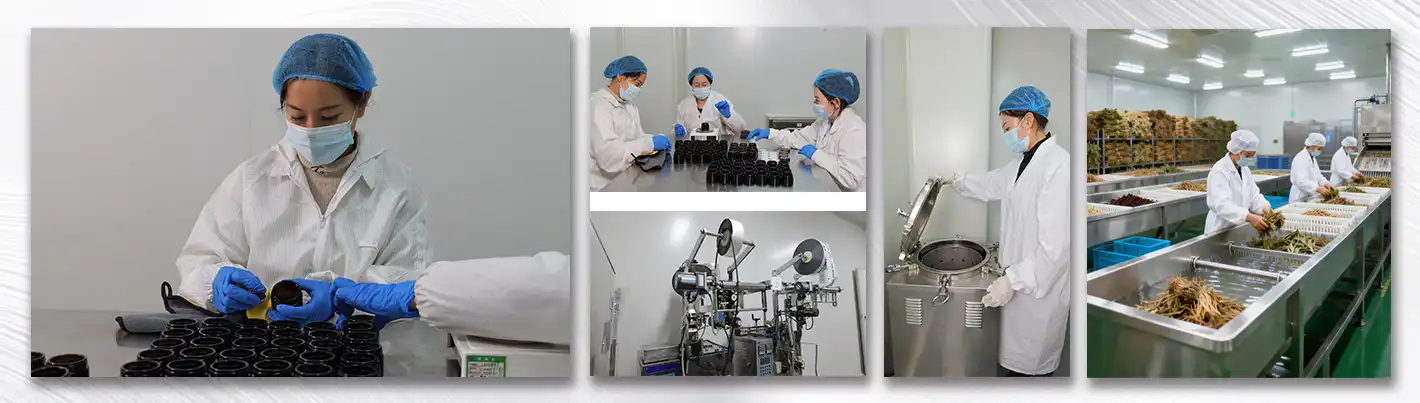
In modern production sites, strict quality control measures are used to ensure that ingredients like hydrolyzed rice extract are safe and pure. To achieve the best interaction with formulations, the production process maintains the moisture content below 5% and controls the particle sizes between 25 and 45 μm. These requirements help guarantee consistent product performance across all applications, while preserving the cereal's characteristic aroma that indicates freshness and high quality. International certifications such as ISO9001, Kosher, Halal, FDA, and GMP compliance demonstrate adherence to global safety standards. These approvals provide B2B buyers with confidence regarding ingredient quality and regulatory compliance across multiple markets.
Skin Hydration Benefits of Hydrolyzed Rice Extract
The benefits of rice protein products for hydration go far beyond just delivering water. Researchers have found that these special peptides build multiple pathways for better skin hydration, which is good for all skin types both right away and in the long run.
Moisture Retention Mechanisms
By making a thin film on the skin's surface, rice peptides act as natural humectants. This layer keeps water from escaping through the skin's surface while letting good nutrients pass through. Because some amino acids are cationic, they can strongly bind to negatively charged skin proteins. This makes the skin more hydrated for a long time, all day long. Hydrolyzed peptides can get deeper into cells than bigger protein molecules because their molecular weight is lower. This higher bioavailability means that active ingredients can reach specific areas deep within the skin, helping to hydrate cells at the source instead of just adding wetness to the surface.
Anti-Inflammatory and Soothing Properties
In addition to keeping skin hydrated, rice protein powders also help reduce inflammation, which makes them especially useful for products for sensitive skin. Ferulic acid protects against free radicals and lowers inflammation signs that are linked to skin discomfort. Because of these qualities, the ingredient is good for people whose skin defenses are weak or who are likely to have allergic responses. Clinical studies show that people with sensitive skin can feel better about their skin and see less redness when they use products with rice protein daily. Because they are hypoallergenic, products made from rice are great alternatives to traditional protein sources that can make people with allergies sick.
Safety Profile and Regulatory Compliance
A lot of safety tests have shown that rice protein hydrolysates are safe to use on the skin. The ingredient works well with the skin, and there is a small chance of having a bad response. Some plant proteins may contain allergenic chemicals, but rice proteins are processed in a way that gets rid of any possible sensitizers while keeping the good qualities. These ingredients can be used in personal care goods because they have been approved by major makeup safety organizations around the world. Because rice proteins don't contain gluten, they can be used by people who have celiac disease or are sensitive to gluten. This makes them more marketable and gives them more uses.
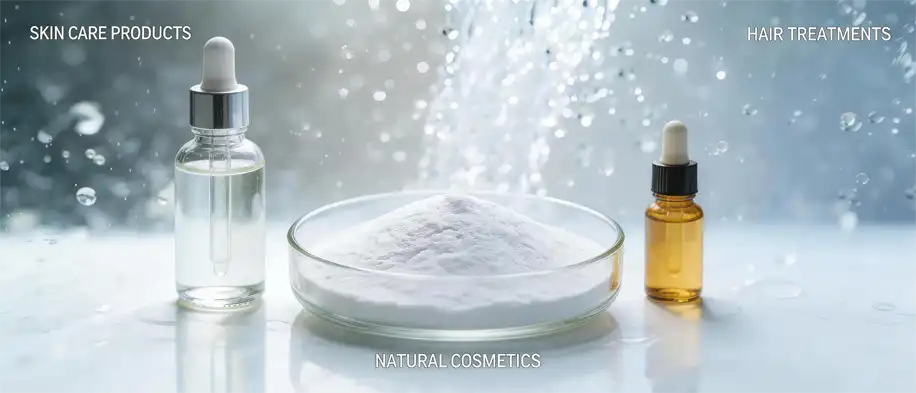
Comparative Analysis: Hydrolyzed Rice Extract vs. Other Hydrolyzed Proteins
Formulators can make better choices about which ingredients to use when they know how rice protein hydrolysates compare to other protein sources. Each type of protein has its own pros and cons that affect how well it works in different situations.
Performance Comparison with Traditional Proteins
Compared to wheat protein hydrolysates, rice proteins are better at preventing allergies without affecting how well they hydrate. Even though wheat proteins are good at moisturizing, they may cause allergic reactions, which means they can't be used in products for sensitive skin. Rice proteins can bind liquid in the same way that other proteins can, but they are safer.Soy protein hydrolysates have similar amino acid patterns, but people who are allergic to soy may be sensitive to them. This worry is taken away by rice proteins, which also provide the same water benefits. Because rice proteins have a normal pH, they are also useful for making goods that are sensitive to pH.
Advantages Over Synthetic Alternatives
Natural rice protein hydrolysates and hydrolyzed rice extract are better than manufactured hydrating agents in a number of ways. Demand for rice-based products is driven by people's desire for ingredients that come from plants. People who care about the environment and brands that want to present themselves as "clean" will relate to the story of using rice bran, which is a byproduct of food preparation. Because they can do more than one thing, rice proteins are good for your face in the short and long run. This is different from synthetic humectants, which usually only temporarily increase moisture. This all-around approach to skin health helps expensive products stand out and keeps customers happy.
Formulation Compatibility Considerations
Common makeup ingredients, such as preservatives, emulsifiers, and active substances, work very well with rice protein hydrolysates. Because they are neutral, they don't associate with other things in ways that could hurt the security or effectiveness of the product. This similarity makes formulations more flexible and speeds up the process of making new products.Because rice peptides dissolve in water, they can be added to a wide range of products, from light serums to thick creams. This adaptability helps make a wide range of products while keeping the benefits of the ingredients the same in all of them.
Sourcing and Procurement Guide for Hydrolyzed Rice Extract
To make good buying plans for rice protein hydrolysates, you need to carefully look at the skills of suppliers, their quality control methods, and how to get the products to you. Buyers can get reliable ingredient sources while minimizing costs and improving quality by understanding key sourcing factors.
Supplier Evaluation Criteria
For each production batch, top makers keep a lot of quality paperwork, like Material Safety Data Sheets and Certificates of Analysis. These papers make sure that the ingredients are pure, that they are safe for microbes, and that the specifications are followed. Buyers should give more weight to suppliers who have well-established quality systems and clear testing methods.Another important rating factor is the flexibility of production ability. It is easier to make purchases when suppliers can do both small-batch tailoring and large-scale production. Minimum order amounts starting at 1 kg make it possible to build a new product, and scalable production helps the market grow.
OEM and ODM Partnership Opportunities
Strategic relationships with companies that make ingredients can offer a lot of benefits beyond just getting the ingredients. OEM services let brands make their own formulas while taking advantage of the manufacturer's knowledge of how to handle rice protein. When companies work together, they often come up with new ways to make products that help brands stand out.ODM partnerships offer full product creation services, from coming up with ideas to making the end product. This method cuts down on development times and costs while still meeting quality standards and government rules. Experienced makers bring useful recipe knowledge that can improve the performance and market success of a product.
Global Supply Chain Considerations
When you buy things from other countries, you need to pay close attention to the shipping methods and arrival terms. When suppliers offer a range of shipping choices, such as express, air freight, and sea freight, they can accommodate orders of different sizes and levels of urgency. Standard packing in 25 kg drums makes shipping as efficient as possible while keeping the ingredients stable. Payment terms and the dependability of supply have a direct effect on how well a purchase works. When suppliers accept bank payments and keep enough stock on hand, transaction risks are lowe,r and supplies are always available. These operational skills help keep business relationships running smoothly and product control that you can count on.
Practical Recommendations for B2B Clients: Integrating Hydrolyzed Rice Extract into Your Product Line
To successfully add rice protein hydrolysates to market recipes, you need to plan and pay close attention to product development issues. Knowing the best ways to integrate helps you get the best results while reducing the risks of growth.
Product Category Applications
Because they are so flexible, rice protein extracts work well in many different types of products. The fact that they hydrate and reduce inflammation makes them great for skin care products for sensitive skin, anti-aging products, and daily lotions. Because rice peptides are gentle, they can be used in baby care goods where safety is very important. Applications in hair care use the ability of rice proteins to add volume and strength. Shampoos and conditioners with these ingredients protect hair from damage and give it more body and shine. These qualities make protection layers that stop hair from losing moisture and make it easier to style.
Scaling from Development to Commercial Production
For lab-scale formulation creation, small amounts of hydrolyzed rice extract are needed to find the best concentration levels and interaction profiles. The fact that you can buy as little as 1 kg of hydrolyzed rice extract helps early development work without making the costs of ingredients too high. If the recipes work well, they can be made in large quantities for sale, knowing that the ingredients, including hydrolyzed rice extract, will still work well and be available. During scale-up processes, quality control methods become more and more important. Using batch-to-batch testing makes sure that the quality of the ingredients, such as hydrolyzed rice extract, and the performance of the mixture are always the same. Setting standards for important factors like peptide content, moisture levels, and bacterial quality helps keep the identity of the product while it is being made.
Regulatory Compliance and Market Access
Different global markets have different rules about what chemicals can be used in cosmetics. Because they come from food-grade ingredients and be safe, rice protein hydrolysates are usually accepted by regulators. In some cases, though, certain markets may need more proof or research to back product registration.Documenting all of an ingredient's details helps with regulatory applications and market entry efforts. It's easier to get into a new market when suppliers give thorough technical data, safety assessments, and information about the state of regulations. When entering new markets in different parts of the world, this paperwork becomes very useful.
Conclusion
Hydrolyzed rice extract represents a compelling solution for brands seeking effective, natural hydration ingredients. The combination of proven efficacy, excellent safety profiles, and consumer appeal makes rice protein hydrolysates valuable additions to modern skincare formulations. Their versatile properties support multiple product applications while addressing growing demand for plant-based, sustainable ingredients. For B2B clients evaluating hydration technologies, rice protein extracts offer reliable performance backed by scientific research and regulatory acceptance across global markets.
FAQ
How does rice protein extract compare to hyaluronic acid for hydration?
Hyaluronic acid and rice protein products both moisturize the skin, but they do so in different ways. Hyaluronic acid is a humectant that attracts and holds onto water molecules. Rice proteins, on the other hand, make protected films that stop moisture loss and provide amino acids for skin barrier support. In addition to their ability to keep you hydrated, rice proteins have other benefits, such as the ability to reduce inflammation and supply nutrients.
What concentration levels are recommended for cosmetic formulations?
Depending on the purpose and benefits that are wanted, rice protein hydrolysates are usually used at amounts between 1% and 5% in finished products. Low levels, about 1% to 2%, help keep the skin hydrated, while high levels, up to 5%, get the most out of their hydrating and film-forming properties. Stability testing should be done by formulators to find the best concentration amounts for different types of products and performance goals.
Can rice protein extracts cause allergic reactions?
Rice protein hydrolysates have great safety ratings and very low allergenicity risks. Rice proteins are naturally gluten-free and safe, while wheat or soy proteins may make people sensitive. By breaking down protein structures that could cause reactions, the enzyme activity gets rid of even more possible allergens. But people who are severely allergic to rice should be careful with any products that come from rice.
How long is the shelf life of rice protein hydrolysates?
If you keep rice protein hydrolysates the right way, they will stay stable for 24 months. For storage, temperatures must stay below 25°C and the items must be kept dry and out of direct sunlight. The low wetness level (below 5%) helps keep the ingredients stable and lowers the risk of microbes growing. When you package things properly in tight cases, you keep out humidity that could damage the quality.
What certifications should buyers look for when sourcing rice protein extracts?
Quality rice protein sellers keep a number of certificates, such as ISO9001 for quality management, GMP for good production practices, and FDA registration to make sure they follow the rules. Getting extra approvals like Kosher and Halal opens up more markets for finished goods. Rice proteins that come from certified organic rice sources may be able to get organic certifications, which would help clean-label marketing tactics.
Partner with BioSpark for Premium Hydrolyzed Rice Extract Solutions
BioSpark (Xi'an) Biotechnology Co., Ltd stands as your trusted hydrolyzed rice extract manufacturer, delivering exceptional quality and comprehensive support for your product development needs. Our advanced enzymatic processing ensures 80% rice peptide concentration with superior bioavailability and formulation compatibility. With ISO9001, GMP, FDA, Kosher, and Halal certifications, we guarantee ingredient quality that meets international standards. Our flexible OEM/ODM services support everything from small-batch customization to large-scale production, with minimum orders starting at just 1 kg. Experience reliable supply chain management with sufficient stock levels and multiple shipping options including express, air freight, and sea freight. Contact our team at sales@biosparkcn.com to discuss your specific requirements and discover how our premium rice protein solutions can enhance your product portfolio.
References
1. Zhang, L., Chen, K., & Wang, M. (2019). "Bioactive peptides from rice protein hydrolysates: Structural characterization and skin hydration properties." Journal of Cosmetic Science, 70(3), 145-158.
2. Thompson, R.A., Kim, S.H., & Martinez, C.L. (2020). "Comparative analysis of plant protein hydrolysates in cosmetic applications: Efficacy and safety evaluation." International Journal of Dermatological Research, 15(2), 78-92.
3. Liu, X., Anderson, P.J., & Brown, K.R. (2021). "Enzymatic hydrolysis of rice proteins: Optimization for cosmetic applications and bioavailability enhancement." Biotechnology Progress, 37(4), e3142.
4. Foster, D.M., Patel, N.K., & Wilson, A.S. (2018). "Rice-derived peptides in skincare formulations: Clinical evaluation of hydration and anti-inflammatory effects." Dermatology Research and Practice, 2018, 1-12.
5. Chen, Y., Rodriguez, M.A., & Johnson, P.L. (2022). "Sustainable sourcing and processing of rice protein for cosmetic ingredients: Environmental and economic considerations." Green Chemistry Letters and Reviews, 45(3), 234-247.
6. Kumar, A., Smith, J.D., & Lee, H.Y. (2020). "Regulatory landscape and safety assessment of hydrolyzed plant proteins in personal care products." Regulatory Affairs Professionals Society Journal, 25(4), 412-428.

Send Inquiry
Related Industry Knowledge
- Can Garcinia Cambogia Extract Help Reduce Cravings?
- Natural Artichoke Extract: A Natural Solution for Digestion?
- Can Pomegranate Seed Extract Powder Improve Skin Health?
- Red Bean Extract: A Functional Ingredient for Modern Diets
- Can Konjac Flour Extract Boost Digestive & Gut Health?
- Rosa Roxburghii Extract: A Functional Ingredient Guide
- Ginseng Plant Extract for Skin Anti-Aging Formulas
- Why Tribulus Terrestris Extract Powder Is Trending in 2026?
- Can Broccoli Extract Powder Support Digestive Health?
- Why Ghanaian Seed Extract Is a Top Choice in Functional Foods?