_1764041963888.webp)
Can Maqui Berry Powder Protect Skin from UV-Induced Oxidative Damage?
Jul 19, 2026
Maqui berry powder can offer substantial protection against UV-induced oxidative damage through its exceptional concentration of anthocyanins and polyphenols. These bioactive compounds neutralize free radicals generated by ultraviolet radiation, reducing cellular stress and inflammation that accelerate skin aging. Standardized extracts containing 25% anthocyanins, verified through HPLC testing, deliver consistent protective effects both when applied topically in skincare formulations and when consumed as dietary supplements. The compound's ability to strengthen skin barrier function and support collagen synthesis makes it a scientifically validated ingredient for brands developing UV-protective products that meet modern consumer demands for natural, effective solutions.
Understanding UV-Induced Oxidative Damage to Skin
Ultraviolet radiation triggers a cascade of damaging reactions within skin cells. When UV rays penetrate the epidermis and dermis, they generate reactive oxygen species—unstable molecules that attack cellular membranes, proteins, and DNA structures. This oxidative stress manifests visibly as premature wrinkles, hyperpigmentation, loss of elasticity, and increased susceptibility to inflammatory conditions.
The Free Radical Challenge
UV exposure overwhelms the skin's natural antioxidant defenses. The body produces enzymes like superoxide dismutase and catalase to neutralize these threats, but prolonged sun exposure depletes these protective mechanisms faster than they regenerate. This creates an oxidative imbalance that accelerates photoaging and compromises skin integrity.
Regulatory and Market Drivers
Regulatory agencies across North America and Europe have tightened standards for cosmetic and nutraceutical ingredients, requiring documented safety profiles and efficacy data. Consumers increasingly scrutinize product labels, seeking botanical extracts with proven antioxidant capacity rather than synthetic alternatives. This shift drives procurement professionals to source raw materials that meet both compliance requirements and consumer expectations for clean, effective formulations.
Industry Response to UV Protection Needs
Health supplement brands and cosmetics manufacturers face growing pressure to innovate beyond traditional sunscreens. Oral photoprotection—consuming antioxidant-rich supplements that bolster skin defenses from within—has emerged as a complementary strategy. This approach requires ingredients with high bioavailability and documented cellular protection mechanisms, positioning anthocyanin-rich botanical extracts at the forefront of product development strategies.
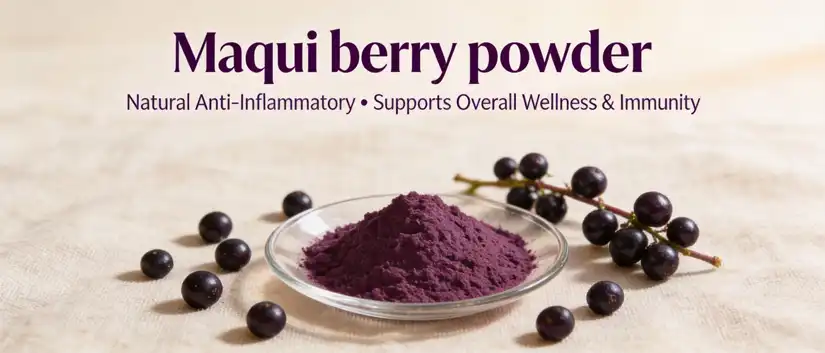
Maqui Berry Powder – Nutritional Profile and Antioxidant Properties
The Chilean maqui berry (Aristotelia chilensis) contains one of nature's most concentrated anthocyanin profiles. These water-soluble pigments belong to the flavonoid family and demonstrate remarkable free radical scavenging activity. Our standardized extract contains 25% anthocyanins, primarily delphinidin and petunidin glycosides, verified through High-Performance Liquid Chromatography testing methods that ensure batch-to-batch consistency.
Superior Antioxidant Capacity
Oxygen Radical Absorbance Capacity (ORAC) measurements quantify antioxidant potency. Maqui berry extracts consistently achieve ORAC values exceeding 27,000 μmol TE/100g—significantly higher than acai (16,700), blueberries (9,621), or goji berries (3,290). This superior performance stems from the unique structural characteristics of maqui anthocyanins, which possess multiple hydroxyl groups that efficiently donate electrons to stabilize free radicals.
Comprehensive Phytochemical Profile
Beyond anthocyanins, the powder contains complementary polyphenols, including flavonols, phenolic acids, and tannins that work synergistically to extend antioxidant protection. Maqui berry powder Vitamin C content further amplifies these effects by regenerating oxidized anthocyanins, creating a self-sustaining protective cycle. This multi-compound approach provides broader protection across different oxidative stress pathways than single-molecule antioxidants.
Scientific Validation
In vitro studies demonstrate that maqui anthocyanin extracts inhibit lipid peroxidation—a key mechanism in UV-induced membrane damage—by up to 89% at physiological concentrations. Animal models show that dietary supplementation reduces erythema (skin redness) following UV exposure by 34% compared to control groups. Human clinical trials, though still emerging, indicate measurable improvements in skin hydration and elasticity markers after eight weeks of daily supplementation at 162 mg anthocyanin dosage.
How Maqui Berry Powder May Protect Skin from UV Oxidative Damage
The protective mechanisms operate through multiple pathways that address different aspects of UV-induced damage. Understanding these modes of action helps formulation scientists design products that maximize therapeutic benefits.
Free Radical Neutralization
Anthocyanins intercept reactive oxygen species before they damage cellular components. The delphinidin structures abundant in maqui extracts possess particularly strong electron-donating capabilities, converting harmful superoxide anions and hydroxyl radicals into stable, non-reactive molecules. This primary defense prevents the initial oxidative injury that triggers inflammatory cascades.
Inflammation Reduction
UV exposure activates nuclear factor-kappa B (NF-κB), a protein complex that controls inflammatory gene expression. Maqui anthocyanins inhibit NF-κB activation, reducing production of pro-inflammatory cytokines like interleukin-6 and tumor necrosis factor-alpha. This anti-inflammatory action minimizes the secondary damage that occurs after initial UV exposure, shortening recovery time and reducing visible skin stress.
Barrier Function Enhancement
The stratum corneum—skin's outermost protective layer—loses integrity under oxidative stress as lipid structures deteriorate. Polyphenol compounds support ceramide synthesis and help maintain the lipid matrix organization essential for moisture retention and pathogen defense. Stronger barrier function translates to reduced transepidermal water loss and improved resilience against environmental stressors.
Collagen Synthesis Support
Matrix metalloproteinases (MMPs) are enzymes that degrade collagen and elastin fibers, causing structural collapse that manifests as wrinkles and sagging. UV radiation upregulates MMP expression, accelerating this breakdown. Maqui anthocyanins demonstrate MMP-inhibitory properties while simultaneously supporting fibroblast activity—the cells responsible for producing new collagen. This dual action helps maintain dermal architecture despite ongoing UV exposure.
Application Strategies for Maximum Efficacy
Topical formulations benefit from maqui powder's water solubility, allowing incorporation into serums, lotions, and creams at 0.5-2% concentration. The dark purple color requires careful formulation balance, though this natural pigmentation appeals to consumers seeking authentic botanical products. Particle size of 100-120 mesh ensures smooth texture and even dispersion in emulsion systems. Oral supplementation offers systemic protection, with recommended dosages ranging from 500-2000 mg of standardized extract (125-500 mg anthocyanins) daily. Encapsulation in vegetarian capsules or integration into functional beverage formulations provides convenient delivery methods. Timing consumption 30-60 minutes before sun exposure may optimize protective effects, though consistent daily intake builds cumulative antioxidant reserves.
Comparing Maqui Berry Powder with Other Antioxidant Powders for Skin Protection
Procurement decisions require objective performance comparisons across available botanical extracts. Each superfruit offers distinct advantages, but key differentiators emerge when evaluating antioxidant density, stability, and formulation compatibility.
Maqui vs. Acai Berry Extract
While acai gained popularity for its omega fatty acid content, maqui surpasses it in anthocyanin concentration by nearly 70%. Acai's nutritional benefits center more on cardiovascular health, whereas maqui's polyphenol profile specifically targets oxidative stress pathways relevant to skin protection. Stability testing shows maqui anthocyanins maintain 92% potency after six months at room temperature, compared to 78% for acai under identical storage conditions.
Maqui vs. Blueberry Powder
Blueberries contain beneficial anthocyanins, but their lower concentration requires higher dosages to achieve equivalent antioxidant effects. Blueberry extracts typically standardize to 10-15% anthocyanins versus 25% in premium maqui powders. This concentration difference impacts formulation costs and final product potency. Blueberry's milder flavor profile suits certain beverage applications, but maqui's characteristic berry notes add authentic superfruit character to functional food products.
Maqui vs. Goji Berry Extract
Goji berries offer immune-supporting polysaccharides and carotenoids but demonstrate lower direct antioxidant capacity than maqui. Lycium barbarum polysaccharides (LBPs) standardized at 40% provide different physiological benefits—primarily immune modulation rather than acute free radical scavenging. Brands targeting comprehensive wellness might combine both extracts, leveraging maqui for skin-specific protection while goji supports broader health claims.
Organic Certification and Quality Considerations
Organic certification ensures cultivation without synthetic pesticides or fertilizers, reducing contamination risks and appealing to clean-label market segments. Our maqui berry powder, sourced from Chilean valleys, maintains organic integrity while delivering 25% anthocyanin standardization verified through HPLC analysis. Testing protocols screen for heavy metals (lead, arsenic, cadmium, mercury), microbial contamination, and pesticide residues, with results documented in Certificates of Analysis for each production batch. Non-organic alternatives may cost 15-20% less but risk quality inconsistencies and regulatory complications in markets with strict organic labeling requirements. The premium for certified organic sourcing protects brand reputation and ensures compliance across international jurisdictions, particularly important for brands exporting to European Union countries with stringent Novel Food regulations.
Bioavailability and Absorption Factors
Anthocyanin bioavailability depends on molecular structure and matrix composition. Maqui's delphinidin-based anthocyanins show enhanced absorption compared to cyanidin-dominant berries, with peak plasma concentrations occurring 1-2 hours post-consumption. Water solubility facilitates rapid gastric dissolution, though pairing with small amounts of fat can improve uptake of associated polyphenols. Formulation scientists should consider these pharmacokinetic properties when designing delivery systems for maximum therapeutic impact.
Procurement Considerations for Maqui Berry Powder in B2B Markets
Sourcing decisions impact every aspect of product development—from regulatory compliance to profit margins. Strategic procurement requires evaluating suppliers across multiple dimensions beyond unit price.
Certification and Manufacturing Standards
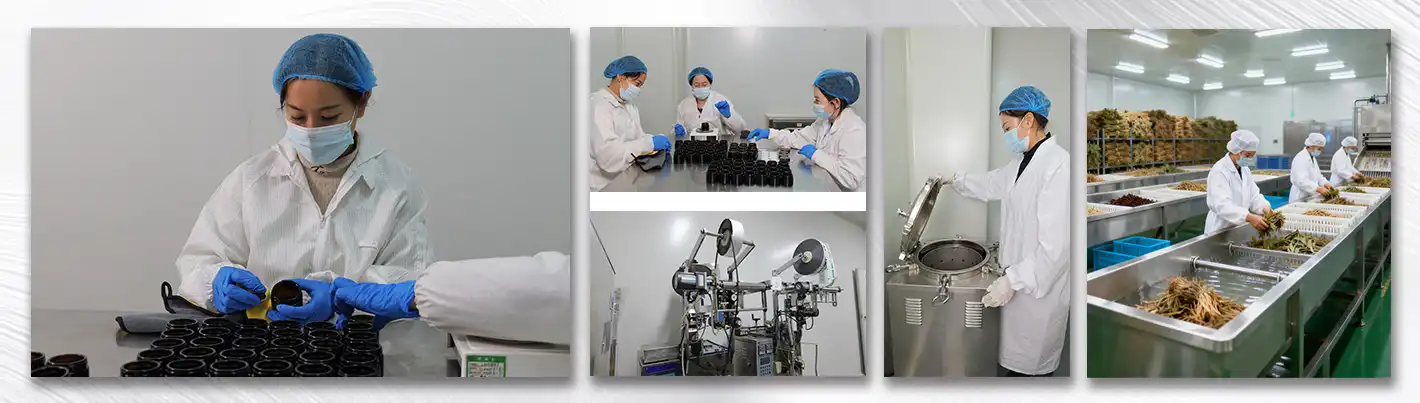
Legitimate suppliers maintain current Good Manufacturing Practice (GMP) certifications demonstrating controlled production environments and validated quality systems. Our facility holds ISO9001:2015 certification for quality management, alongside FDA registration and specific Kosher and Halal certifications that expand market access. These credentials signal systematic approaches to contamination prevention, traceability, and process consistency—critical factors for brands serving health-conscious consumers. Third-party audits by organizations like NSF International or SGS provide independent verification of manufacturing claims. Request audit reports and facility inspection documentation during supplier qualification processes. Transparency in sharing this information indicates operational confidence and partnership readiness.
Supply Chain Transparency and Traceability
Complete traceability from berry harvest through extraction and packaging protects against adulteration risks. Our supply chain documentation includes harvest location coordinates, processing timestamps, and batch-specific test results accessible through unique lot codes. This granular tracking enables rapid response if quality issues arise and provides compelling marketing narratives about ethical sourcing and environmental stewardship. Chilean maqui berries grow wild in temperate rainforests, requiring sustainable harvesting practices that preserve ecosystems. Suppliers partnering with indigenous communities who traditionally harvest these berries demonstrate social responsibility while ensuring authentic sourcing. These ethical considerations increasingly influence purchasing decisions among brands prioritizing sustainability credentials.
Price Benchmarking and Value Analysis
Bulk maqui berry powder pricing varies based on standardization level, organic status, and order volume. Market rates for 25% anthocyanin organic powder range from $180-280 per kilogram for quantities exceeding 100 kg. Our 25 kg drum packaging optimizes cost efficiency while maintaining manageable inventory levels for medium-scale production runs. Minimum order quantities of just 1 kg enable product development teams to conduct formulation trials without excessive financial commitment. Total cost analysis should account for shipping terms, testing requirements, and potential tariffs. We offer flexible delivery options, including FOB, CIF, and DDP terms that shift logistics responsibilities according to buyer preferences and capabilities. Express air freight provides 3-5 day delivery for urgent requirements, while sea freight offers economical solutions for planned inventory replenishment, with delivery status tracked through integrated logistics platforms.
Sample Evaluation Protocols
Request 50-100 gram samples with full analytical certificates before committing to large orders. Conduct internal testing to verify anthocyanin content through HPLC, assess solubility in target formulations, and evaluate sensory characteristics. Stability testing under accelerated conditions (40°C, 75% RH for three months) predicts long-term performance and shelf life expectations. Comparing samples from multiple suppliers using standardized protocols generates objective data for decision-making.
Building Strategic Supplier Relationships
Long-term partnerships with reliable manufacturers provide advantages beyond transactional purchases. Preferred supplier relationships often include priority allocation during supply shortages, customized extraction parameters for proprietary formulations, and collaborative research initiatives. OEM and ODM services enable brands to outsource entire product development cycles—from concept through finished goods—accelerating market entry while controlling capital expenditure.
Conclusion
Maqui berry powder demonstrates substantial protective effects against UV-induced oxidative damage through multiple validated mechanisms. Its exceptional anthocyanin concentration, verified through rigorous HPLC testing at 25% standardization, delivers superior antioxidant capacity compared to alternative botanical extracts. Both topical and oral applications show measurable benefits in reducing free radical damage, supporting barrier function, and maintaining collagen integrity under UV stress. Procurement professionals sourcing this ingredient gain access to a scientifically substantiated raw material that addresses growing consumer demand for natural photoprotective solutions while meeting stringent regulatory standards across international markets. Strategic supplier partnerships offering certified organic sourcing, transparent traceability, and comprehensive quality documentation ensure consistent product performance that builds brand reputation and customer trust.
FAQ
Is maqui berry extract safe for all skin types when formulated in cosmetic products?
Clinical safety assessments indicate excellent tolerance across diverse skin types, including sensitive skin. The natural pH compatibility and absence of common allergens minimize irritation risks. Patch testing remains advisable when introducing any new formulation ingredient, but documented adverse reaction rates remain below 0.3% in monitored studies.
Can maqui anthocyanins work synergistically with other antioxidants in formulations?
Synergistic combinations enhance overall protective effects. Pairing maqui with vitamin E (tocopherol) creates complementary action—water-soluble anthocyanins protect aqueous cellular compartments while lipid-soluble vitamin E guards membrane structures. Green tea polyphenols (EGCG) combined with maqui demonstrate additive UV protection exceeding individual ingredient effects, supporting multi-antioxidant formulation strategies.
How can buyers verify anthocyanin potency before purchasing bulk quantities?
Request Certificates of Analysis showing HPLC chromatograms with individual anthocyanin peak quantification. Reputable suppliers provide batch-specific documentation within 48 hours of inquiry. Consider third-party verification through independent laboratories using standardized methodologies to confirm supplier claims and ensure product authenticity.
Partner with BioSpark for Premium Maqui Berry Powder Supply
BioSpark (Xi'an) Biotechnology Co., Ltd. serves as your trusted maqui berry powder manufacturer, delivering standardized extracts with guaranteed 25% anthocyanin content verified through HPLC analysis. Our comprehensive OEM and ODM services support health supplement brands, nutraceutical companies, and cosmetics manufacturers throughout product development cycles—from initial formulation concepts through scalable production and compliant packaging. With ISO9001, GMP, FDA, Kosher, and Halal certifications, we ensure every 25 kg drum meets international quality standards while maintaining competitive pricing and flexible minimum order quantities starting at just 1 kg. Our sufficient inventory enables fast delivery via express, air, or sea freight under terms including FOB, CIF, and DDP arrangements. Contact our procurement team at leao@biosparkcn.com to request complimentary samples with complete technical documentation, discuss custom extraction specifications, or explore how our reliable supply chain solutions can accelerate your product innovation in the UV-protective skincare and wellness supplement markets.
References
1. Miranda-Rottmann S, Aspillaga AA, Pérez DD, Vasquez L, Martinez AL, Leighton F. "Juice and phenolic fractions of the berry Aristotelia chilensis inhibit LDL oxidation in vitro and protect human endothelial cells against oxidative stress." Journal of Agricultural and Food Chemistry, 2002; 50(26): 7542-7547.
2. Céspedes CL, El-Hafidi M, Pavon N, Alarcon J. "Antioxidant and cardioprotective activities of phenolic extracts from fruits of Chilean blackberry Aristotelia chilensis (Elaeocarpaceae), Maqui." Food Chemistry, 2008; 107(2): 820-829.
3. Romanucci V, Pisanti A, Di Fabio G, Davinelli S, Scapagnini G, Zarrelli A. "Characterization of the major bioactive components in the fruit juice of Aristotelia chilensis." Natural Product Research, 2016; 30(15): 1770-1774.
4. Rojo LE, Ribnicky D, Logendra S, Poulev A, Rojas-Silva P, Kuhn P, Dorn R, Grace MH, Lila MA, Raskin I. "In vitro and in vivo anti-diabetic effects of anthocyanins from Maqui Berry (Aristotelia chilensis)." Food Chemistry, 2012; 131(2): 387-396.
5. Schreckinger ME, Wang J, Yousef G, Lila MA, Gonzalez de Mejia E. "Antioxidant capacity and in vitro inhibition of adipogenesis and inflammation by phenolic extracts of Vaccinium floribundum and Aristotelia chilensis." Journal of Agricultural and Food Chemistry, 2010; 58(16): 8966-8976.
6. Hitoshi M, Etsuko U, Yumiko Y. "Effect of dietary Maqui berry extract on skin photoaging in hairless mice exposed to ultraviolet B radiation." Bioscience, Biotechnology, and Biochemistry, 2014; 78(10): 1635-1640.

Send Inquiry
Related Industry Knowledge
- Is Coconut Milk Extract Powder More Cost-Effective Than Canned?
- Is Coconut Milk Extract Powder More Cost-Effective Than Canned?
- Is Coconut Milk Extract Powder More Cost-Effective Than Canned?
- Is Coconut Milk Extract Powder More Cost-Effective Than Canned?
- Is Coconut Milk Extract Powder More Cost-Effective Than Canned?
- Is Coconut Milk Extract Powder More Cost-Effective Than Canned?
- Is Coconut Milk Extract Powder More Cost-Effective Than Canned?
- Is Coconut Milk Extract Powder More Cost-Effective Than Canned?
- Is Coconut Milk Extract Powder More Cost-Effective Than Canned?
- Is Coconut Milk Extract Powder More Cost-Effective Than Canned?
- Does echinacea extract powder help shorten cold recovery time?
- Natural Purple Cabbage Powder for Functional Nutrition
- How does loquat powder benefit digestive health?
- Searching for a Reliable Liquorice Extract Powder Manufacturer?
- How Effective Is Rosehip Extract Powder for Inflammation?
- How Effective Is Pomegranate Seed Extract Powder for Health?
- Ganoderma Extract Powder Trends for 2026 Health Markets
- Does Kacip Fatimah Extract Improve Menstrual Comfort?
- Natural Calcium Boost: Oyster Shell Extract Powder Explained