_1764041963888.webp)
What Is the Shelf Life of Natural Blueberry Extract Powder Stored Cold?
Jul 11, 2026
When you're looking for good plant ingredients for your products, one of the most important things to think about is how long they will last. It is best to store natural blueberry extract powder between 2°C and 8°C so that it stays at its best for 24 to 36 months. This is especially true for high-quality blends with 25% anthocyanins. Blueberry extract powder is a good choice for nutraceutical and health supplement brands that need stable raw materials because it stays stable for a long time. Keeping the product in the fridge the right way saves the beneficial substances, stops reactive breakdown, and makes sure the product always works the same way.
Understanding Shelf Life of Natural Blueberry Extract Powder Stored Cold
The ingredients in blueberry extract last for different amounts of time depending on what they are made of, how they are processed, and where they are kept. Because it has a lot of water, fresh blueberry juice goes bad fast. But natural blueberry extract powder is made using special ways for extracting and drying blueberries that get rid of the water and concentrate the anthocyanins. This change makes safety a lot better. The ways the plants were extracted, such as supercritical extraction and membrane separation technologies, protect anthocyanins that are sensitive to heat, such as delphinidin-3-glucoside and malvidin-3-galactoside. These anthocyanins are what make the powder so useful for medicine.
Critical Factors Influencing Cold Storage Shelf Life
The most important thing is to keep the temperature in check. When the temperature drops to between 2°C and 8°C, biochemical breakdown processes slow down a lot. When the temperature is this high, enzymes work less efficiently, anthocyanins don't polymerise as well, and bacteria don't grow very much. Researchers have found that dropping the storage temperature by 10°C can make polyphenolic drugs stay stable for twice or three times longer. Technology used for packaging is also very important. A good company that sells blueberry powder will flush nitrogen into drums that are sealed to get rid of air, which is what breaks down anthocyanin. It is impossible for humidity to get inside of vacuum-sealed aluminium foil bags or pharmaceutical-grade HDPE cases with moisture shields. Nitrogen protection is built into our 25 kg drum packing. This creates a neutral atmosphere that keeps the food fresh longer than other packaging methods. A big danger is being exposed to moisture. It is easy for blueberry extract powder to soak up water from the air because it is hygroscopic. This makes it stick together, change colour, and grow germs. When you store and move things, it's very important to keep the relative humidity below 60%. When light, especially UV light, hits anthocyanin, photochemical reactions speed up the breakdown process. The dark purple-red to blue-purple colour that shows the combo is still whole is kept in a dark place.
Industry Benchmarks and Realistic Expectations
HPLC testing has shown that standardised blueberry extract powder with 25% anthocyanins is safe. If you keep it in the fridge, it will usually last for 24 months. The best ones can last up to 36 months. This range changes depending on the purity levels at the start, the chemicals used for extraction, and the processes that were done after the process. The quality of the products is always high when you buy from reputable companies that are certified by ISO9001, GMP, and FDA. When buying teams know these things, they can better change their stock, negotiate better terms based on store space, and make sure that the quality of the ingredients gets to formulation labs without any issues. Express, air freight, or sea freight can all be used to ship goods abroad. The cold chain must keep the temperature stable so that the goods stay true to their specs.
Antioxidant Properties and Nutritional Stability Over Time
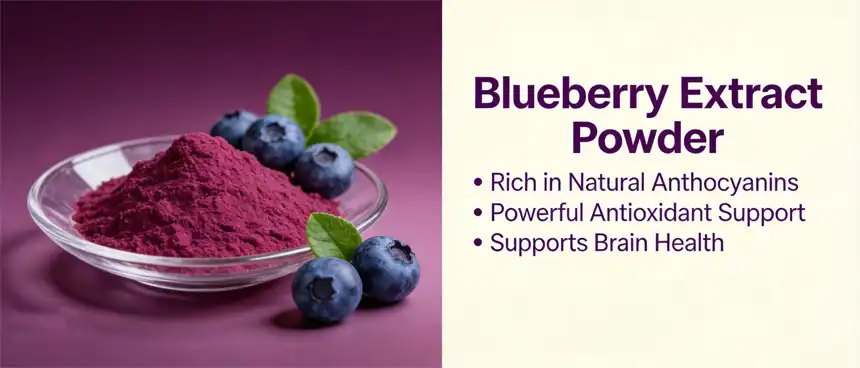
What makes natural blueberry extract powder useful for business is that it has a lot of medicinal substances in it. With High-Performance Liquid Chromatography, we were able to find that the exact 25% amount of anthocyanins that our standard calls for was present. These colours that dissolve in water help fight oxidative stress and are very good at protecting cells from damage. They also keep neurones healthy, which is good for brain health and brain performance. There are also flavonols in the extract, like quercetin and myricetin, phenolic acids, like chlorogenic acid, proanthocyanidins, and vitamin C. All of these help the medicine work better. These weak molecules stay stable when you store the extract in the fridge. When heated, anthocyanins can break down because they are thermolabile. In cold places, the chemicals that break glycosidic bonds work a lot more slowly. This stops the release of anthocyanidin aglycones, which make them less useful to living things. Studies that compare storage temperatures show that after 18 months, anthocyanin stays at 4°C for more than 90% of the time, but it goes away at 25°C outside in the same amount of time.
Preservation of Functional Performance
The number ORAC tells you how strong an antioxidant is. The ORAC values of blueberry powder stay within 5–10% of the baseline data for as long as it is stored in the fridge in the right way. Because they are stable, finished goods will always work the same way, whether they are eye health vitamins that protect the retina, heart health drinks that make you feel better, or anti-aging makeup. To keep ingredients working well, buying managers should make sure that supply deals include standards for cold keeping. The anthocyanin level stays within the allowed ranges as long as there is proof that it was stored and shipped at the right temperature. When you pay attention to how your products are stored, you protect your brand's image and make sure that customers get the healing benefits that are advertised on the packages.
Comparing Natural Blueberry Extract Powder Shelf Life with Related Products
Purchasing managers can make smart choices about where to get things that meet business needs and product development timelines when they know how different blueberry-based ingredients work over time. But fresh blueberry juice doesn't last long. It tastes great and is good for you right away. Food starts to go bad after 7–14 days, even if it is kept cool. This is because of enzymatic browning, fermentation, and microbial spoilage. Pasteurisation makes this a little better, but heat processing breaks down heat-sensitive anthocyanins, which makes them less useful for healing. Juice has a lot of water in it (usually above 0.95) which makes it a good place for bacteria and fungus to grow. To make it last longer, it needs to be frozen or stored with chemicals. The amount of anthocyanin in regular blueberry powder is usually 5–10% less than in standardised extracts. This is because it is made by spray drying or freeze drying blueberries without concentrating them. Since standard powders don't have any water in them, they are more secure than juice. However, they don't have the concentrated bioactivity that makes supplement recipes more expensive. When kept at room temperature, it lasts 12 to 18 months, which is about half as long as when it's kept cold.
Organic Versus Conventional Extract Powders
The ways of growing is something else to think about. Organic blueberry extract powder is allowed by strict growing standards that don't allow man-made fertilisers and pesticides. Brands that want to appeal to health-conscious customers like it. When dealing with organic materials, extra care must be taken to keep them from getting contaminated with other things. If this happens, production could become less efficient. You can keep both regular and organic extracts for about the same amount of time if you store them the same way and make sure they are both pure. Certifications for organic farming, on the other hand, cost 15–30% more. Extract powder usually has less than 5 percent water because it is so concentrated (it is made by carefully removing anthocyanin-rich parts). Without additives, this low water activity stops bacteria from growing. It's easy to get the right amount, keep track of supplies, and use powdered form in many different goods, like vitamin pills, tablets, functional drinks, yoghurt flavouring, and natural food colourings.
Best Practices for Storage and Handling in Procurement & Supply Chain
The money spent on high-quality plant products is kept safe by following strict rules throughout the cold chain. natural blueberry extract powder When working with a lot of products, wholesalers, importers, and OEM/ODM partners need to come up with ways to keep the name of the product safe from the person who made it to the person who buys it.
Temperature Control and Monitoring
Once you get an order, move the crates right away to a cold place that stays between 2°C and 8°C. Set up devices that can keep an eye on the temperature all the time and have alarms that will go off if it changes. Make sure that the coldest parts of the building that are used for plant goods don't get warmer or cooler by more than 2°C. If the unit is overloaded or not well taken care of, these changes happen a lot. They speed up degradation by causing repeated freeze-thaw cycles or the formation of condensation. Temperatures stay stable during transport, whether it's by sea across continents or quickly by air. Insulated containers with gel ice packs or active refrigeration units keep temperatures stable. As proof that the cold chain was kept up, temperature logs should be sent with all shipments. It is important for providers to make it clear who is in charge of the cold chain at each point of handoff when they offer FOB, CIF, CFR, EXW, DAP, or DDP shipping terms.
Packaging Integrity and Contamination Prevention
When drums or packages come in, look for damage that could affect the seals. Water and air can get in through even small holes, quickly lowering the quality. Suppliers you can trust use packaging made for pharmaceuticals that meets international standards. For example, our 25 kg drums are intended to hold sensitive plant materials because they flush with nitrogen and close tightly. You should move smaller amounts for formulation tests or production batches in a place with controlled temperature and humidity. For clean, dry tools or automatic pouring equipment, make sure that water or dirt don't get in. When you open containers to see what's inside, close them back up right away and, if you can, use nitrogen to get rid of any air. Keep opened packages in secondary containment with desiccant packets to soak up any wetness that is still there.
Supplier Verification and Quality Documentation
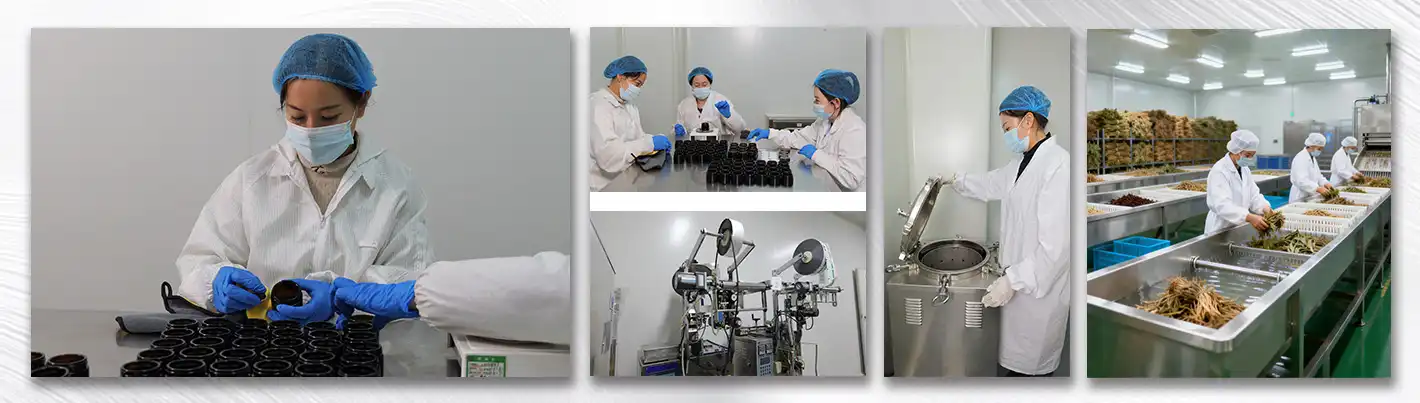
The first thing you should do when doing research is to pick well-known makers. While looking for a partner, make sure that they have ISO9001 quality control systems, follow good manufacturing practices (GMPs) for making food, and have any other standards that are needed, like being registered with the FDA, having Kosher or Halal certification, or being Kosher or Halal certified. Check the anthocyanin content with HPLC, microbial testing, heavy metal screening, and pesticide residue analysis, and ask for Certificates of Analysis for representative batches. Make quality agreements that explain what materials don't meet the standards are, how they will be sampled, and what the acceptance factors are. Look at it and make sure it's the right dark purple colour and sweet-sour blueberry smell when you get it to make sure it's really what it says it is. It might be a good idea to have a third party test important shipments. These steps lower risks, get rid of stock faster, and build trusted relationships with suppliers, which are all important for keeping supplies stable in the long term.
Risks, Side Effects, and Safety Related to Shelf Life Expiry
If you use blueberry extract powder after the expiration dates, it might not work as well and could even be harmful to you. Buying teams can keep low-quality materials from getting into the production stream by spotting signs of wear and tear.
Quality Degradation Markers
Changes in what you see let you know right away what's going on. It is natural for anthocyanins to break down into colourless or brownish compounds through oxidation and polymerisation. If the extract powder goes from bright purple to dull brown or grey over time, it means that a lot of the good ingredients have been lost. The sweet blueberry smell goes away or changes to a bad smell that suggests bacteria or fatty oxidation are present. Less important changes are seen in lab tests. natural blueberry extract powder When HPLC tests are done on old stuff, the anthocyanin spots get smaller. This is especially true for the glycosylated types that people need. It goes down in the same way that ORAC tests do when used to measure antioxidant ability. If the moisture content analysis shows that the amount risen above 5%, it means that the packaging is broken and the air is getting in.
Microbiological and Toxicological Concerns
Because it doesn't hold much water, powder that is stored correctly doesn't let microbes grow. Things that are old or haven't been treated properly, on the other hand, can become dirty. Bacteria can grow in opened packages and make poisons that are bad for people to eat. Mould, especially Aspergillus species, gives off mycotoxins like ochratoxin A when it grows. These are very bad for your health. Authorised sellers regularly do things like counting the plates, yeast, and mould, as well as looking for Salmonella and E. coli to make sure the quality of their goods. coli. Firms with strong quality control systems, as shown by their ISO, GMP, and FDA approvals, make goods that are much less likely to be contaminated. Including these certificates in your requirements for vendors saves your supply chain and your customers in the long run. Using first-in, first-out inventory systems, going over stored materials every three months, and putting batches that show quality differences in quarantine right away are some useful tips. When you work with providers who offer expert help, it's easier to understand test results and pick materials that are on the cutting edge. Being alert keeps safety standards high, makes sure rules are followed, and protects the brand's reputation in busy markets.
Conclusion
When kept in the fridge the right way, natural blueberry extract powder is a useful plant-based ingredient that stays safe for a long time. Good medicines that contain 25% anthocyanins can be stored between 2 and 8°C in nitrogen-protected packaging for 24 to 36 months and will still work. Being aware of the biological factors that affect stability, like temperature, wetness, air, and light exposure, helps people who work in buying make better choices about how to store things and pick sellers. Pure extract powder is better than juice and normal powders because it lasts longer and has more concentrated bioactivity. This is why it is used in high-end supplement recipes. To lower the risk of decline and make sure the product always works the way it should, you can use strict cold chain management, check the cleanliness of the package, and check the quality of the source.
FAQ
How long does blueberry extract powder last when refrigerated?
High-quality natural blueberry extract powder with standardized anthocyanin content maintains optimal potency for 24-36 months when stored continuously at 2-8°C in sealed, nitrogen-flushed containers. This duration assumes proper packaging preventing moisture and oxygen exposure throughout the storage period.
Can freezing extend the shelf life of blueberry powder?
Freezing at -18°C or below can extend storage duration beyond refrigeration alone, potentially reaching 48 months. The primary benefit involves halting enzymatic and chemical degradation pathways. Limitations include potential condensation formation during thawing cycles if containers are opened while cold, introducing moisture that compromises quality. Freezing suits long-term strategic reserves but complicates operational access for regular production needs.
How can we verify freshness upon delivery?
Verification involves multiple checkpoints. Examine packaging integrity for damage or seal breaches. Assess visual appearance, confirming vibrant dark purple coloration without browning. Evaluate the aroma, detecting characteristic blueberry scent without musty or off-odors. Request Certificates of Analysis showing recent HPLC testing confirming anthocyanin content meets specifications. Temperature logs documenting cold chain maintenance during transit provide additional assurance of proper handling.
Partner with BioSpark for Premium Blueberry Extract Powder Supply
BioSpark (Xi'an) Biotechnology Co., Ltd. stands ready to support your natural blueberry extract powder procurement needs with comprehensive OEM and ODM capabilities. As a certified manufacturer maintaining ISO9001, GMP, Kosher, Halal, and FDA compliance, we deliver consistent 25% anthocyanin formulations through advanced plant extraction technology. Our cold storage logistics and nitrogen-protected packaging ensure product integrity from our Chinese production facilities to your formulation laboratories across North America, Europe, and global markets. Whether you require small-batch customization starting at just 1 kg or large-scale orders of our standard 25 kg drums, we offer flexible solutions with expedited shipping via express, air freight, or economical sea freight under FOB, CIF, DDP, or other preferred delivery terms. Contact our procurement team at leao@biosparkcn.com to discuss your specific requirements and receive detailed specifications for this versatile ingredient supporting eye health, antioxidant protection, and cognitive wellness applications.
References
1. Prior, R.L., Wu, X., & Schaich, K. (2005). Standardized methods for the determination of antioxidant capacity and phenolics in foods and dietary supplements. Journal of Agricultural and Food Chemistry, 53(10), 4290-4302.
2. Kalt, W., Cassidy, A., Howard, L.R., Krikorian, R., Stull, A.J., Tremblay, F., & Zamora-Ros, R. (2020). Recent research on the health benefits of blueberries and their anthocyanins. Advances in Nutrition, 11(2), 224-236.
3. Patras, A., Brunton, N.P., O'Donnell, C., & Tiwari, B.K. (2010). Effect of thermal processing on anthocyanin stability in foods: mechanisms and kinetics of degradation. Trends in Food Science & Technology, 21(1), 3-11.
4. Rein, M.J., & Heinonen, M. (2004). Stability and enhancement of berry juice color. Journal of Agricultural and Food Chemistry, 52(10), 3106-3114.
5. Skrovankova, S., Sumczynski, D., Mlcek, J., Jurikova, T., & Sochor, J. (2015). Bioactive compounds and antioxidant activity in different types of berries. International Journal of Molecular Sciences, 16(10), 24673-24706.
6. Wrolstad, R.E., Durst, R.W., & Lee, J. (2005). Tracking color and pigment changes in anthocyanin products. Trends in Food Science & Technology, 16(9), 423-428.

Send Inquiry
Related Industry Knowledge
- What Are the Key Advantages of Barley Sprout Flour?
- Why Are Manufacturers Choosing Ginseng Fruit Powder Today?
- What Makes Kidney Bean Flour a Smart Gluten-Free Choice?
- Could American Ginseng Extract Powder Add Value to Your Brand?
- Saffron Extract Powder 10:1 for Women’s Health: Does It Work?
- Can Pomegranate Peel Extract Powder Boost Your Antioxidant Power?
- Does Hydrolyzed Rice Extract Strengthen Hair Fibers?
- Hydrolyzed Rice Extract Benefits for Skin & Hair Care
- Daily Fulvic Acid Powder: Enhanced Energy & Cellular Support
- Can Broccoli Extract Powder Improve Detoxification?