_1764041963888.webp)
How to Import Blackberry Juice Powder: A Practical Guide
Aug 16, 2026
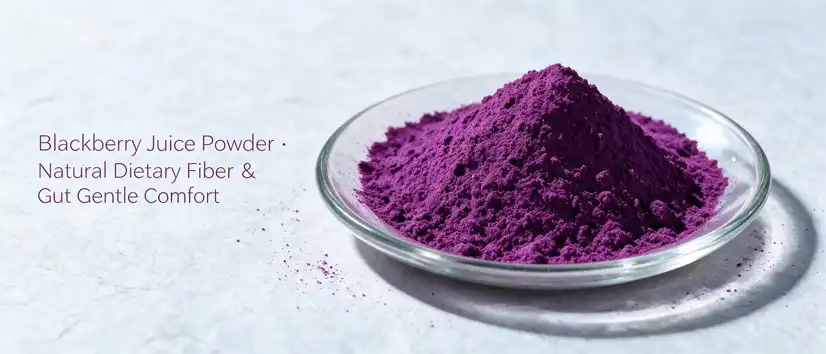
Importing blackberry juice powder starts with understanding your exact requirements—whether you need anthocyanin-standardized extracts, organic certification, or specific mesh sizes. Successful procurement demands identifying suppliers with verified HPLC testing capabilities, comprehensive regulatory compliance, and consistent batch quality. You'll navigate customs regulations, evaluate shipping methods, and establish quality control protocols that protect your investment. This guide walks you through every step, from regulatory preparation to final product verification, helping you source this concentrated natural ingredient efficiently while avoiding common pitfalls that delay shipments or compromise quality standards.
Preparing for Import – Key Considerations and Compliance
Regulatory Framework Navigation
Importers in the United States have to follow the Dietary Supplement Health and Education Act rules for nutraceutical uses or the food additive rules for colorant uses for Blackberry juice powder. The difference is important: different paperwork is needed for supplement-grade products and food-grade colorants. Heavy metal testing with strict lead and arsenic limits is required by California Proposition 65. This is especially important for blackberries because they naturally absorb minerals from the soil.
The requirements for documentation go beyond just listing the features of a product. The base is made up of a Certificate of Analysis with batch-specific HPLC chromatograms, phytosanitary certificates, and GMO-free statements. Kosher and Halal certifications let you sell to certain groups of people, while organic certifications (USDA and EU Organic) put you in a better place, even though they cost more.
Supplier Vetting Criteria
There are a few things that all reliable providers have in common. For proof of organized quality control, look for ISO9001 and GMP certifications. Supplier facilities should keep anthocyanin stable by storing it in a temperature-controlled environment and using nitrogen-flushed packaging to keep it from breaking down during transport.
Third-party lab testing is an important way to make sure. Ask for recent batch reports that show the amount of microbes (Total Plate Count, yeast/mold counts, disease screening), heavy metals (ICP-MS), and pesticide residues that were found. Suppliers who are willing to share these documents on their own usually have better quality systems than those who need to go through a lot of trouble to get basic compliance data.
Transparency in manufacturing adds another dimension to the evaluation process. Technical ability is shown by suppliers who describe their extraction parameters, membrane filtration specs, and spray-drying conditions (if any). If you want to know how stable anthocyanin is in storage, ask your top suppliers for accelerated shelf-life tests that show retention rates of over 95% when stored properly.
Cost Structure Understanding
Prices vary a lot depending on the amount of anthocyanin, the status of the certification, and the size of the order. You can expect to pay 30–50% more for organic-approved powders than regular ones. Higher anthocyanin concentrations (15–25%) may double costs compared to standard 10% requirements. This is because more processing is needed to make the concentration.
Secret fees often catch new importers off guard. 8–15% of the landed cost goes to customs brokerage fees, warehouse storage during delays in clearance, and analytical testing for import verification. When comparing quotes from different suppliers using different Incoterms (FOB, CIF, and DDP terms), keep these things in mind. These terms change who is responsible for these costs in different ways.
Step-by-Step Guide to Importing Blackberry Juice Powder
Defining Your Procurement Specifications
Clear instructions keep expensive misunderstandings from happening. Aside from basic factors like the amount of anthocyanin and the mesh size, you should also think about how the solubility needs to be for your application. For beverage uses, formulations that dissolve in water work best, while tincture or extract formulations need to be able to dissolve in a small amount of ethanol. When describing how something looks, it should say what kind of color differences are okay. For example, variations from deep purple to purplish-black are fine as long as quality standards are met.
Inventory costs and unit prices are balanced by minimum order sizes. For the first try, many providers offer 1 kg samples, and production sales start at 25 kg drums. When bulk buyers negotiate annual contracts for 500 kg or more, they get big price breaks and make sure they always have a supply. Realistically look at your usage rates to find the best order timing and volume.
Supplier Discovery and Evaluation
B2B platforms that have been checked out for Blackberry juice powder allow you to compare suppliers in a structured way, but dealing directly with manufacturers is often the best way to get better pricing and customization support. Ask potential partners about their production schedules when you're looking at them. Standard specifications usually ship within 10 days from stock, but custom formulations need 30 days for special processing.
Sample review methods should check more than just how something looks. Test the stability of your mixture by measuring the time it takes to dissolve and the amount of residue left behind. Testing for pH stability shows how colors change from acidic to neutral settings, which is important for drinking uses. Taste panels judge an ingredient's flavor addition if it's used in goods that people buy.
Responding to communication signals operational professionalism. If a supplier answers all of your technical questions fully within 24 hours, gives you detailed quotes with clear specifications, and helps you with formulation, that shows they want to build partnerships, not just business relationships.
Logistics and Shipping Considerations
When choosing a shipping method, you have to weigh speed against cost. Air freight has transit times of 5–7 days at higher prices, which is good for pressing small-volume sales or product launches that need to happen quickly. When shipping in bulk, sea freight is more cost-effective than air transport. It takes 20–35 days, depending on the route, but the cost per kilogram is 60–80% less.
Packaging technology has a direct effect on how stable a product is. Good providers use metal composite drums with oxygen absorbers and nitrogen cleaning to keep anthocyanin from oxidation in a modified atmosphere. Vacuum-sealed inner bags add extra barriers against moisture, which is very important because fruit-based powders are very porous.
Planning ahead for customs clearance avoids costly delays. Make sure that the Harmonized System code classification you use fits the product standards. If it doesn't, you could face inspections and fines. Clear all of your paperwork with your customs broker ahead of time by giving them all of your certificates, test reports, and business bills.
Post-Receipt Quality Verification
As soon as the package is delivered, it should be visually checked to make sure the seal is intact and that any temperature exposure indicators are still working. As powders settle during transport, causing concentration gradients, it is important to take representative samples from different drum sections to make sure that the quality is always the same.
Key source claims should be backed up by lab tests. The HPLC test confirms that the anthocyanin content meets the requirements, and the moisture test makes sure that the product stays within acceptable ranges (usually below 5%), which stops the growth of microbes. Testing for color stability under your storage conditions gives you a starting point for estimating the shelf life.
Organizing storage spaces better makes them last a lot longer. Keep covered packages below 25°C in places with low humidity and no direct light. Once the food is opened, move the leftovers to smaller containers so that the air oxygen contact is kept to a minimum. Properly stored material stays effective for the usual 24-month shelf life, and regular re-testing confirms that it continues to meet specs.
Comparison Insights for Optimized Procurement Decisions
Powder Format Comparisons
Juice powder is different from freeze-dried options because of how it is processed and what it can do. Freeze-dried powders keep more of the fiber from the whole fruit, which makes them less good for smooth beverage applications because they have a gritty texture. However, they have more dietary fiber for supplement formulations. When juice powders are made by separating membranes, the fiber is removed. This leaves concentrated phytonutrients that dissolve better in water and have cleaner taste profiles.
Another way to compare is with liquid extracts. Liquid forms are useful for some production processes, but they need to be shipped in a cold chain, can be contaminated by additives, and are hard to standardize because the concentration changes as the product is stored. Powders are easier to ship internationally because they don't need to be refrigerated and can be stored for a long time.
Organic Versus Conventional Sourcing
Organic approval affects more than just philosophical views when it comes to buying things. Certified organic materials cost 35–55 percent more than non-certified organic materials because they can't use as many pesticides and the organic soil costs more. Positioning in the market often explains these extra costs; goods aimed at health-conscious people stand out more with organic claims.
The testing needs are also different. Organic goods go through extra testing for pesticide residues to make sure they don't contain any banned substances. On the other hand, normal materials meet safety standards that allow small amounts of manufactured inputs. Both need to be tested for heavy metals and microbes, but organic approval doesn't always mean better results in these areas.
Supplier Brand Evaluation
Established providers show they have a track record by giving customer references and keeping their certifications up to date. Newer companies may have lower prices, but you need to do more research on their quality processes and supply stability. Ask for client examples from companies that use similar applications, and then make sure that the customers are happy with the uniformity of the batches, the quality of the technical support, and how quickly problems are resolved.
Laboratory skills set advanced suppliers apart from commodity traders. Partners who use their own HPLC equipment for batch testing show a commitment to quality that goes above and beyond the minimum requirements for outsourced testing. Companies that offer stability studies, unique formulation creation, and microencapsulation services can help your business as your product line changes.
Best Practices and Case Examples for Successful Import
Common Import Challenges and Solutions
Most customs delays are caused by problems with the paperwork. There must be a perfect match between the product descriptions on business bills, certificates of analysis, and packing lists. Even small mistakes, like writing "blackberry powder" instead of "Blackberry juice powder," result in inspection holds that add 5–10 days to clearance times.
Quality surprises can be avoided by putting in place pre-shipment verification protocols. Third-party inspection services take samples of goods before they are shipped and test them on-site against the agreed-upon standards. This 200–300 USD investment often saves thousands of dollars in costs related to rejected shipments or handling quality complaints.
Changes in temperature during the journey make anthocyanin less stable, especially in the summer or when traveling through humid areas. Set up data loggers to keep track of the temperature during shipping and give you a full thermal history. Some high-value shipments use refrigerated cases or sealed packaging with phase-change materials to keep the temperature stable while the shipment is in transit.
Real-World Success Patterns
A company that makes functional drinks and imports 500 kg every three months set up a framework deal that spelled out pH-stabilized formulas that kept colors better. The seller made microencapsulated forms that keep 95% of the anthocyanin content even after 18 months of storage at room temperature, while regular powders only keep 65%. This customization was worth the 25% price increase because it extended the shelf life and improved color performance.
In a different case, an eye health product brand needed pills with a 25% anthocyanin concentration. Instead of buying ultra-concentrated powder directly, they worked with a source who could help them figure out how to combine 10% powder with complementary extracts (bilberry, lutein). This way, they were able to reach their goal of strength while cutting the cost of raw materials by 40% compared to methods that only used one ingredient.
These examples show that technical partnerships are more than just buying things; they create value for both parties by working together to solve problems.
Building Resilient Supply Relationships
For long-term supply security, you need to invest in relationships beyond just doing business. When it's possible, visiting source sites helps everyone understand what can and can't be done. Talking to your sellers about capacity planning helps them predict your growth and set aside production slots for busy times.
Frameworks that spell out clear requirements, price, and quality standards make it easier for customers to place orders again and again. Including clauses for force majeure, quality dispute resolution, and flexibility in contracts protects both sides and encourages loyalty to the relationship.
Conclusion
Technical know-how, regulatory awareness, and strategic supplier partnerships are all necessary for the successful import of Blackberry juice powder. By learning about anthocyanin standards, extraction methods, and application-specific needs, you can make smart choices about what to buy. Following the rules, like the FDA's rules or heavy metal tests, keeps the market open and keeps people safe. Shipping, clearing customs, and making sure the quality is right all require careful planning to avoid delays that cost a lot of money.
When partners give expert formulation support, the ability to customize, and regular quality delivery, supplier partnerships go beyond price negotiations. Procurement professionals can confidently handle the challenges of international sourcing by following the steps outlined here for systematic evaluation, documentation, and testing verification. Blackberry anthocyanin ingredients will continue to be strategically important in food, drinks, supplements, and cosmetics because of the growing demand for natural colorants and clean labels. Spending time on properly screening suppliers and setting up processes lays the groundwork for dependable, low-cost sourcing that helps you reach your goals for product growth and market placement.
FAQ
Is blackberry juice powder safe for all consumer groups?
Products that are of high quality and meet FDA, GMP, and ISO9001 standards are very safe for most people. Certified powders are good for most diet plans because they come from natural sources and don't have any man-made ingredients added to them. Allergen statements should confirm that common triggers are not present, but blackberries rarely cause reactions on their own. Children can safely use goods made for their age groups as long as the doses are changed correctly. People who are pregnant or nursing should talk to their doctors before starting any new supplement routine.
How should I store imported powder to maintain anthocyanin potency?
Bioactive compounds have a 24-month shelf life if they are stored properly. Keep containers that are tightly closed in cool, dry places that are below 25°C and out of direct sunlight, which breaks down anthocyanins through photochemical reactions. Once it's opened, move leftover parts to smaller containers to keep them from coming into contact with air. This will stop oxidation from headspace oxygen. Flushing with nitrogen before resealing also helps keep the strength longer. Some facilities use cold storage to provide extra protection, but if the goods are properly packed, this isn't necessary and can be skipped if desired. By keeping an eye on the wetness level, you can make sure that the powder stays free-flowing and doesn't get hard. This way, the dosing and absorption properties stay the same during storage.
Which certifications matter most when sourcing bulk quantities?
ISO9001 is a standard for reliable suppliers that shows how to manage quality in a planned way. Good manufacturing practices are confirmed by GMP certification, which is especially important for supplement use. FDA approval gives goods going to the U.S. even more security. For some groups of people, Kosher and Halal certificates are very important. Organic approvals from the USDA and the EU command higher prices. In addition to documents, you should ask for heavy metal analysis (ICP-MS), microbial testing, pesticide residue screening, and HPLC testing that is specific to the batch to confirm the anthocyanin content. Without strong testing records that show real compliance, certificates don't mean much. Suppliers who are willing to share full test results usually have better quality systems than those who only offer certificates without any supporting analysis data.
Partner with BioSpark for Reliable Blackberry Juice Powder Supply
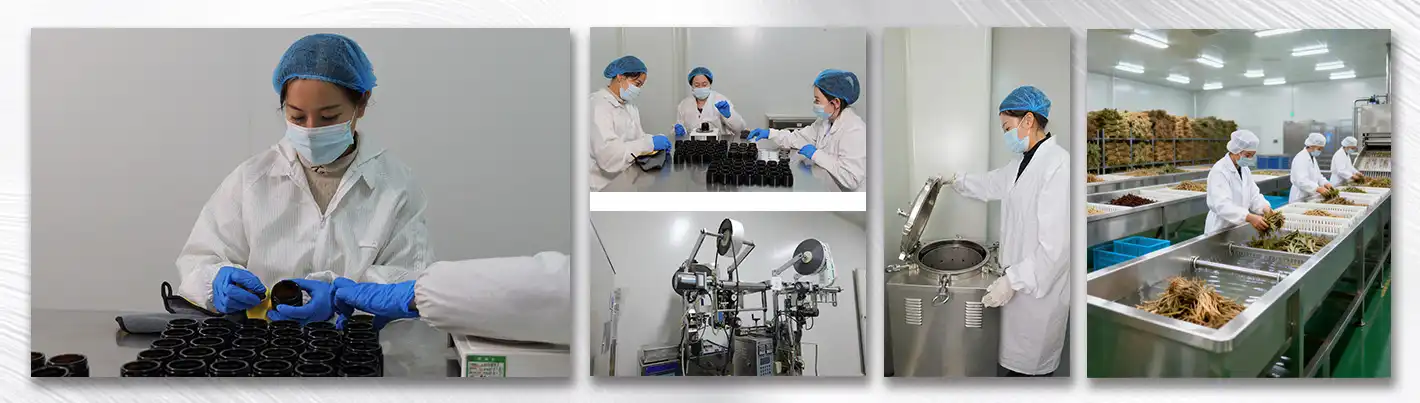
In order to meet the strict standards covered in this guide, BioSpark (Xi'an) Biotechnology Co., Ltd. focuses on selling high-quality Blackberry juice powder. Our supercritical CO2 extraction and membrane separation technology gives you a standard 10% anthocyanin content that has been checked by HPLC. You can also get concentrations that are different from 10% to 25% upon request. We keep a lot of certificates, like ISO9001, FDA, GMP, Kosher, and Halal, to make sure that you follow all the rules in all global markets.
We know how hard it is to buy things, from getting the paperwork ready to clearing customs. Our team can help you make a COA, file with the government, and come up with technical specs that meet the needs of your particular application. Our 10-day standard turnaround (30 days for custom) helps you meet your project deadlines, whether you need standard food-grade material or unique OEM formulas.
Get in touch with us right away at leao@biosparkcn.com to talk about your unique needs. We'll give you detailed quotes, set up samples for you to look over, and show you how our technical skills and quality systems can help your product succeed.
References
1. Johnson, M.R., & Thompson, K.L. (2022). Anthocyanin Stability in Food Systems: Processing Parameters and Storage Optimization. Journal of Food Science and Technology, 59(8), 3156-3168.
2. Chen, W., Zhang, H., & Liu, Y. (2021). Supercritical CO2 Extraction of Bioactive Compounds from Berries: Technical Parameters and Commercial Applications. Food Engineering Reviews, 13(4), 892-910.
3. United States Food and Drug Administration. (2023). Guidance for Industry: Dietary Supplements – New Dietary Ingredient Notifications and Related Issues. Washington, DC: FDA Center for Food Safety and Applied Nutrition.
4. Martinez, A., Rodriguez, P., & Sanchez, J. (2023). Natural Colorants in Food Manufacturing: Regulatory Frameworks and Market Trends in North America and Europe. International Food Research Journal, 30(2), 445-462.
5. Kim, S.H., Park, J.Y., & Lee, D.H. (2022). Anthocyanins and Visual Health: Clinical Evidence and Supplement Formulation Strategies. Nutrients and Nutritional Supplements, 14(9), 1876-1894.
6. Global Trade Compliance Association. (2023). Botanical Ingredient Import Requirements: Documentation, Testing, and Customs Procedures for Major Markets. New York: International Trade Publications.

Send Inquiry
Related Industry Knowledge
- Is Coconut Milk Extract Powder More Cost-Effective Than Canned?
- Is Coconut Milk Extract Powder More Cost-Effective Than Canned?
- Is Coconut Milk Extract Powder More Cost-Effective Than Canned?
- Is Coconut Milk Extract Powder More Cost-Effective Than Canned?
- Is Coconut Milk Extract Powder More Cost-Effective Than Canned?
- Is Coconut Milk Extract Powder More Cost-Effective Than Canned?
- Is Coconut Milk Extract Powder More Cost-Effective Than Canned?
- Is Coconut Milk Extract Powder More Cost-Effective Than Canned?
- Is Coconut Milk Extract Powder More Cost-Effective Than Canned?
- Is Coconut Milk Extract Powder More Cost-Effective Than Canned?
- What makes gotu kola extract powder a premium herbal nootropic?
- Can Ghanaian Seed Extract Boost Immune Health Naturally?
- Why Are Brands Using Cape Gooseberry Powder in Desserts?
- How does loquat powder benefit digestive health?
- Gotu Kola Extract Powder: What Makes It So Popular?
- Can Garcinia Cambogia Extract Help Reduce Cravings?
- Why Choose Coconut Milk Extract Powder for Food Formulation?
- What Is Apple Peel Extract Powder Used For?
- Why Broccoli Extract Powder Boosts Cellular Health Naturally?