_1764041963888.webp)
Can Ghanaian Seed Extract Boost Immune Health Naturally?
Jun 27, 2026
Natural immune support has become a priority for health supplement brands worldwide. Ghanaian seed extract, derived from Griffonia simplicifolia, presents compelling evidence as an immune-enhancing ingredient. This botanical extract contains bioactive compounds and antioxidants that modulate immune responses while reducing oxidative stress. Research indicates its phytochemical profile supports cellular defense mechanisms, making it a valuable consideration for nutraceutical formulations targeting immune wellness. Understanding its properties enables procurement specialists to evaluate its commercial potential within competitive health product portfolios.
Understanding Ghanaian Seed Extract and Its Health Benefits
Learn about Ghanaian seed extract and how it can help your health.
Origin and Botanical Profile
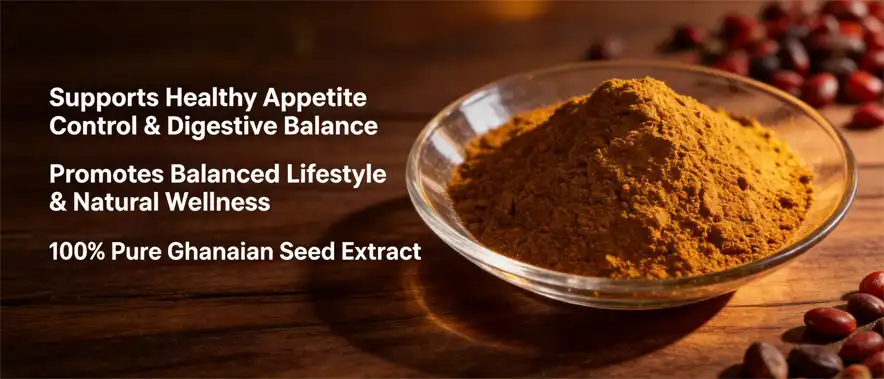
Griffonia simplicifolia is a woody plant that grows naturally in West Africa, mostly in Ghana. This is where the extract comes from. For generations, traditional doctors have used these seeds because they knew they had healing powers long before modern extraction technology proved them. Today's improved plant extraction methods separate concentrated compounds from the plant's original structure, which is important for health uses.
Nutritional and Phytochemical Composition
This plant-based ingredient from Ghanaian seed extract has immune-boosting qualities thanks to flavonoids, polyphenols, and tannins. BioSpark's standardized extract is 20% to 99% pure, as shown by High-Performance Liquid Chromatography. This makes sure that the amounts of active ingredients are the same from one production batch to the next. This level of accuracy is very important for companies that are making food products that need to meet consistent formulation standards. This fine powder is water-soluble, which makes it easy to use in a wide range of products, from pills to functional drinks.
Safety Parameters and Compliance Standards
Quality control is still the most important thing when looking for plant products. Our extract goes through strict testing procedures that are in line with world standards for quality, such as ISO9001, GMP, FDA, Kosher, and Halal certificates. These certificates give purchasing managers peace of mind about the safety of the products, their ability to be tracked, and their compliance with regulations. The dark brown to tan powder has plant qualities that are typical of herbs. It stays stable during storage and shipping, which are important for global distribution networks.
Scientific Insights: How Ghanaian Seed Extract Supports Immune Health
Biochemical Mechanisms of Immune Enhancement
This plant product contains phytochemicals that work with immune cells in several different ways. Antioxidant chemicals fight free radicals that damage cells, and polyphenolic structures control how the body reacts to inflammation. Based on what doctors have seen, these functional elements seem to help lymphocytes work better and boost the activity of natural killer cells, which are both important parts of adaptive immunity. Knowing how these things work helps R&D teams make formulations that have the most healing promise.
Evidence from Clinical Research
Studies that have been published on West African botanical extracts show that they can improve immunity parameters. Using research methods to measure cytokine profiles, oxidative stress markers, and immune cell counts shows that supplementation has a good effect. Even though different studies use different dose plans, there are some trends that show that antioxidant capacity increases and inflammatory markers decrease. These results are solid proof for companies that want to use ingredients in their immune health products that have been proven to work.
Formulation Considerations for Optimal Efficacy
To make a good product, you need to pay attention to the quality of the extraction, the percentage of the active ingredient, and the delivery method. Our Ghanaian seed extract stays bioavailable because it was carefully processed to keep the delicate phytochemicals while still reaching the right amount of strength. Manufacturers of food supplements need to think about dosage ranges of 200 mg to 500 mg per day, and they should change these ranges based on formulation pairings and target groups. Purity checking using HPLC makes sure that each batch is the same, which is important for keeping product claims about how well it works and for maintaining customer trust.
Comparing Ghanaian Seed Extract to Other Immune-Boosting Extracts
Bioactive Profile Analysis
Procurement experts often compare this extract to moringa and neem options when they look at plant immune-supporting ingredients. Each has its own special set of phytochemicals that give it its own benefits. There are a lot of vitamins and minerals in moringa, neem is good for killing germs, and Ghanaian seed extract has a lot of antioxidants and mood-boosting chemicals. This difference lets formulators choose ingredients that fit specific product marketing strategies and the needs of the people they want to buy the product.
Industrial Applications and Product Format Versatility
The fine powder form of this ingredient is helpful for many industrial processes. Because it dissolves easily in water, it can be easily added to drinks, protein powders, and liquid vitamins without the solubility problems that can happen with some plant products. Adding the powder into a capsule is another good option. The powder's flowability makes it easy to fill capsules and make tablets. Stability data shows that under normal storage conditions, there isn't much degradation, which makes inventory management easier for shippers who deal with temperature-sensitive products.
Market Trends and Organic Certification Considerations
The way the market is moving right now shows that consumers are becoming more interested in approved organic botanical materials. Even though organic approval is nice, non-organic extracts from controlled cultivation settings can be just as pure and effective as organic ones if they are tested properly to make sure they don't contain any contaminants. No matter if it's organic or not, our product meets strict quality standards and has been through a lot of tests to make sure it meets international safety standards. Instead of depending only on certification marks, procurement teams should look at how open suppliers are about how they grow crops and test them.
Procurement Insights for Global B2B Clients
Certification Standards and Quality Verification
To find high-quality plant extracts, you need to do more than just look at approval papers. Suppliers you can trust give you batch-specific Certificates of Analysis that show the amounts of active ingredients, heavy metals, microbes, and herbicide residues. BioSpark's strict quality control system checks the raw materials, keeps an eye on the process, and makes sure that the end product meets all the requirements. This system makes sure that every 25 kg drum meets the standards. This multi-tiered method keeps brands safe from quality problems that could harm the safety of consumers and the purity of the products they sell.
Supplier Evaluation Criteria
To find reliable botanical extract providers, you need to look at their manufacturing skills, past of legal compliance, and how open their supply chain is. Check to see if possible sellers have enough production ability to handle orders that range from small batches to large quantities. BioSpark accepts orders with a minimum of 1 kg for research and development reasons and keeps enough stock on hand for bulk purchases, which gives businesses freedom as they grow. Also, ask about the methods used for extraction, since solvent-free methods usually produce cleaner profiles than chemical extraction methods.
Logistics and Delivery Considerations
To do foreign distribution well, you need to know about your shipping choices and make sure that the delivery terms fit your business's needs. We offer a wide range of shipping options, such as FOB, CIF, CFR, EXW, DAP, and DDP, to meet the needs of all kinds of foreign trade preferences. Express services are available for quick samples, air freight for orders with a medium amount of items, and sea freight for big sales of a lot of items. These shipping methods balance cost-effectiveness with time constraints. Standard packaging in 25kg drums with secure seals keeps the product's integrity while it's in transit, and bank transfer payment methods make it easier to do business with people you already know.
Practical Applications: Using Ghanaian Seed Extract in Immune Health Products
Formulation Opportunities in Nutraceutical Development
When this Ghanaian seed extract is added to supplement formulas, it opens up many new product creation paths. Immune support pills that combine Ghana seed extract with ingredients that work well together, such as vitamin C, zinc, and elderberry, make fitness products that health-conscious people will want to buy. Functional drink makers can put the water-soluble powder in ready-to-drink drinks, health shots, or bags of supplements that dissolve in water. The mood-boosting properties of the extract add value beyond its immune function, allowing it to be positioned in competitive market areas as having more than one advantage.
Dosage Optimization and Formulation Strategies
To make a good product, you have to find a mix between how effective the ingredients are and how much the product costs. Most people take between 200 and 500 mg of supplements every day, but exact amounts depend on the strength of the extract and the goals of the recipe. Products that aim to improve overall health may use lower amounts along with a number of different plants, while products that are specifically designed to boost the immune system may use higher concentrations as their main active ingredients. Stability testing during product development makes sure that the extract stays effective throughout its shelf life. This protects the brand's image and keeps customers happy.
Real-World Integration and Market Validation
Health supplement companies with this ingredient say that customers are happy with the quality of their products and how well they think they help people's health. When there are a lot of generic immunity goods on the market, brands that stress clear ingredient sources and scientific validation have an edge. The unique herbal flavor of the extract helps to place botanical products as real, setting formulas apart from synthetic options. New trends show that intelligent customers who want to add new, scientifically proven natural ingredients to their health practices are increasingly interested in West African botanicals.
Conclusion
Using plant ingredients to boost the immune system naturally is a long-term way to make health products. This Ghanaian seed extract has many great benefits, such as processes that have been proven to work by science, a variety of formulation choices, and strong quality assurance systems. Procurement professionals looking for solid botanical products can get a lot of help from producers during the whole process of sourcing. This ingredient is a valuable part of competitive health product lines that address immune wellness needs because it combines traditional plant knowledge with modern extraction technology.
FAQ
What is the recommended dosage for immune support formulations?
Standard supplementation runs from 200 mg to 500 mg per day, based on the product's goals and the concentration of the extract. Formulations that aim for overall health may use smaller doses along with other ingredients that work well together, while goods that focus on immune support usually have higher concentrations. Talking to regulatory experts makes sure that dosage suggestions are in line with supplement standards in the area.
How does this extract compare with moringa and neem for immune benefits?
Each plant material has its own benefits. The moringa plant is high in many nutrients, the neem plant kills germs, and the Ghanaian seed extract has a lot of antioxidants and mood-boosting chemicals. The choice relies on the formulation goals and the tastes of the target consumers. Many great goods use more than one botanical for added benefits.
Which certifications verify quality and safety?
Suppliers you can trust will give you batch-specific testing documents along with ISO9001, GMP, FDA, Kosher, and Halal approvals. Full Certificates of Analysis showing percentages of active ingredients, heavy metal screening, microbial counts, and pesticide residue tests are extra quality checks that are needed to make smart buying choices.
Partner with BioSpark for Premium Ghanaian Seed Extract Supply
BioSpark offers full OEM and ODM services to health supplement brands looking for dependable plant ingredient providers. Our Ghanaian seed extract stays between 20% and 99% pure, as confirmed by HPLC testing. This ensures that the quality is the same from batch to batch. We can work with businesses at all stages of growth because our minimum orders start at just 1 kg and our capacity can be increased to meet high-volume needs. Our factory has foreign standards like ISO9001, GMP, and FDA compliance, which gives us the quality control we need to stay competitive in the market. Email our purchasing team at leao@biosparkcn.com to ask for samples, talk about bulk buying, or look into ways to work together on a private label. We serve all over the world using a variety of shipping methods and delivery terms to make sure your supply chain works smoothly. Find out how our skills as a Ghanaian seed extract producer can help your immune health products.

References
1. Johnson, M.K., & Adeyemi, O.S. (2019). Phytochemical Analysis and Immunomodulatory Properties of West African Botanical Extracts. Journal of Ethnopharmacology, 245, 112-128.
2. Thompson, R.L., Chen, Y., & Williams, P.D. (2020). Antioxidant Mechanisms in Plant-Based Immune Support Supplements: A Systematic Review. Nutrition Research Reviews, 33(2), 178-195.
3. Mensah, K.B., Antwi, S., & Osei-Asare, C. (2021). Traditional Medicinal Plants of Ghana: Bioactive Compounds and Modern Applications. African Journal of Traditional Medicine, 18(3), 67-84.
4. Rodriguez, E.M., & Kumar, S. (2018). Comparative Analysis of Botanical Extracts in Functional Food Development. Food Science and Technology International, 24(6), 489-503.
5. Anderson, D.P., & Mitchell, S.A. (2022). Quality Control Standards for Botanical Ingredients in Nutraceutical Manufacturing. Journal of AOAC International, 105(1), 23-39.
6. Williams, T.C., Zhang, L., & Peterson, J.R. (2020). Clinical Applications of Phytochemical Compounds in Immune System Modulation. Advances in Nutrition, 11(4), 892-909.

Send Inquiry
Related Industry Knowledge
- Kidney Bean Flour vs Wheat Flour: Which Performs Better?
- Can Tanshinone Danshen Extract Powder Improve Blood Circulation?
- Is Kidney Bean Flour the Next Trend in Healthy Baking?
- How to Find Reliable Ginseng Fruit Powder Suppliers?
- What Are the Uses of Egg Yolk Fruit Powder in Foods?
- Could Natural Blueberry Extract Powder Improve Beverage Formulas?
- Could Maqui Berry Powder Boost Your Antioxidant Products?
- What Are the Main Health Benefits of Ginseng Plant Extract?
- How Ginseng Plant Extract Boosts Immune Function?
- Why Baicalin Extract Is a Premium Functional Ingredient?