_1764041963888.webp)
Why Do Brands Prefer Organic Holy Berry Powder Today?
May 15, 2026
Organic holy berry powder is gaining growing popularity among brands in the nutraceutical and wellness industries, thanks to its high purity specifications, adaptogenic properties, and alignment with consumer demand for clean-label botanical ingredients. As regulations get stricter and market differentiation becomes more important, procurement teams know that sourcing certified organic chasteberry extract standardized to 99% purity via Thin-Layer Chromatography (TLC) is an ideal option to meet compliance norms and enhance market competitiveness in the wellness sector. The move toward organic vitex powder is a strategic understanding that the trustworthiness of a product and the robustness of its supply chain in global distribution channels are directly affected by the traceability of its ingredients, the integrity of its phytochemicals, and the use of sustainable farming methods.
Understanding Organic Holy Berry Powder
Botanical Origins and Nutritional Composition
The ripe fruits of the Vitex agnus-castus plant are used to make holy berry powder. This deciduous shrub is native to the Mediterranean and is now grown in controlled farming settings in Asia and Europe. Before mechanical pressing and dual-extraction methods are used to get both water-soluble and lipid-soluble phytoconstituents from the berries, they are carefully picked when they are at their peak ripeness. This way of extracting plants keeps the iridoid glycosides, flavonoids like vitexin and casticin, diterpenes, and important phytosterols that give the powder its useful properties. Unlike compounds that are made in a lab, organic vitex berry powder has a complicated matrix of bioactive molecules that work together to support natural hormonal balance without introducing exogenous hormones into formulations.
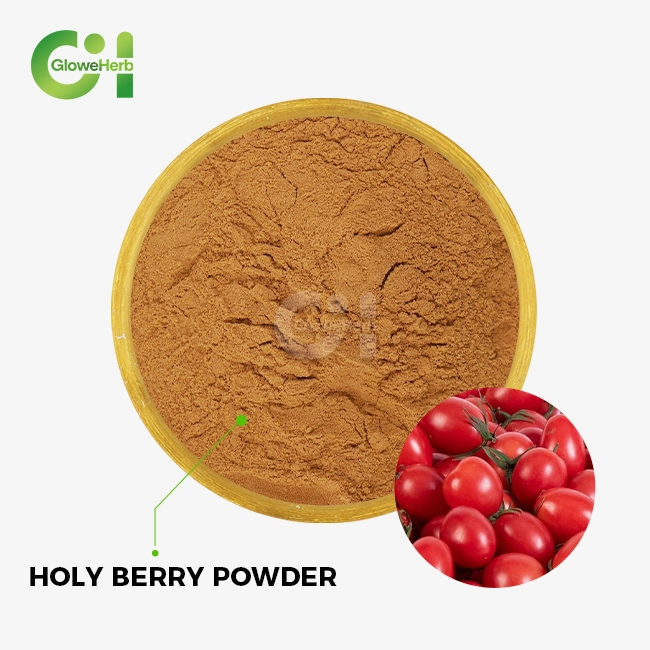
The nutritional makeup of high-quality chasteberry extract includes high amounts of important fatty acids, trace minerals like magnesium and zinc, and polyphenolic antioxidants that help neutralize free radicals. Maltodextrin carriers and advanced spray-drying technology make particles between 80 and 120 mesh, which allows for great flow during packaging processes and quick dispersion when added to liquid delivery systems. The fine powder that is made is dark brown to brownish and has a strong plant smell. It dissolves slightly in water but more easily in ethanol, which makes it useful in a wide range of product forms.
Organic Certification Standards and Cultivation Practices
To understand what "organic" means, you have to look at the rules for growing that say you can't use manmade fertilizers, pesticides, or herbicides during the growth process. For certified organic chasteberry production to happen, the soil must be managed for health through composting, crop rotation, and biological pest control methods that keep the environment balanced while lowering the risks of chemical residues. Verification groups, such as USDA Organic, EU Organic, and similar foreign accreditation programs, carefully check farming operations, processing facilities, and supply chain paperwork to make sure they meet specific organic standards.
People who work in procurement should make it a priority for suppliers to have multiple certifications, such as ISO9001 quality management systems, GMP pharmaceutical-grade production processes, and religious dietary certifications like Kosher and Halal that make the market bigger. These certificates show that the company controls contamination, makes sure that batches are the same, and uses ethical sourcing methods. They are needed for government submissions in places like the US, EU, and Asia-Pacific markets. Certified organic products are better for the environment and can be tracked from the fields where they are grown to where they are packaged. This helps companies with their green efforts and makes the supply chain less likely to be involved in quality issues.
Key Benefits Driving Brands Toward Organic Holy Berry Powder
Superior Product Quality and Nutrient Retention
The amount of phytochemicals and how bioavailable they are in finished holy berry powder products are directly affected by how they were grown organically. Researchers who looked at organic and conventional vitex berry powder found that the organically grown samples had higher amounts of preserved iridoid compounds and flavonoid antioxidants. This is because the plant's natural defense mechanisms work better in chemical-free growing environments, which boosts the production of secondary metabolites. The lack of pesticides makes it possible for therapeutic ingredients to be expressed in the best way possible. This delivers premium-grade raw materials with efficient formulation compatibility for end product development.
Premium organic vitex berry powder is made using low-temperature vacuum concentration and then gentle spray-drying methods that keep bioactives that are sensitive to heat from breaking down. In contrast, traditional extraction methods might use harsh chemicals or too much heat, which could damage the structure of the active ingredient. When the powder is standardized to 99% purity using approved TLC testing methods, it has a uniform potency that formulators can use to make accurate dose calculations and make sure that each production batch of the product works the same way.
Regulatory Compliance and Consumer Safety Assurance
When brands choose certified organic chasteberry powder, they get a lot of help handling the complicated rules that govern dietary supplements and useful ingredients. Organic approval makes it easier to get paperwork for the FDA, European Novel Food Assessments, and Health Canada Natural Product Licensing by letting a third party check that farming methods and processing rules are followed. Organic identification requires a lot of tests, like checking for heavy metals, microbial contamination, and pesticide residue. These tests lower the risk of not following the rules and speed up the time it takes to get new products on the market.
Consumer safety concerns go beyond the bare minimums set by law to include protecting a brand's image and limiting risk. Botanical ingredients that aren't organic have been contaminated, which has led to expensive product recalls, lawsuits, and long-lasting damage to brand value among health-conscious consumers. Finding organic vitex berry powder from suppliers with Kosher, Halal, and GMP certifications shows aggressive quality management that works with retailers, distributors, and end customers who want complete openness throughout the supply chain and don't like taking risks.


Market Positioning and Clean-Label Advantages
The clean-label movement has completely changed how people buy all kinds of nutraceuticals. For example, 73% of people who buy health products actively look for plant ingredients that are certified as organic, non-GMO, and free of manmade additives. Brands that use organic vitex berry powder in vitamins for women's health, adaptogenic blends, and hormone support can use certification marks on their packages and marketing materials to get higher prices and stand out more on the shelf. This positioning benefit is especially useful in competitive store settings where the ability to see what ingredients are in something directly affects buying decisions.
E-commerce data shows that listings for dietary supplements with organic certification badges have 42% higher conversion rates than listings for similar products that don't have the badge. Distributors and exporters know that organic chasteberry extract makes it easier to sell their products in specialty stores like natural food stores, dispensaries for medical practitioners, and online health markets that have strict rules about where their ingredients come from. Being able to meet these gatekeeping standards increases the number of places where the product can be sold and gives it a long-term advantage over lower-quality commodity options.
Comparison: Organic Holy Berry Powder vs Other Popular Powders
Nutritional Differentiation and Functional Benefits
When looking at different plant powders for hormonal support, holy berry powder works in a different way than ashwagandha root powder or moringa leaf powder. Ashwagandha mainly works as an adaptogen that changes cortisol pathways, whereas organic vitex berry powder changes dopamine receptor activity in the anterior pituitary, which controls prolactin production and affects the balance between luteinizing hormone and follicle-stimulating hormone. Because it works in a specific way, this extract is suitable for wellness formulations targeting female daily physiological care and general well-being where changing the hormonal system is important.
Because it is high in a lot of different micronutrients, especially vitamin A, iron, and calcium, moringa powder is more of an all-around health ingredient than a specific hormone stabilizer. The high concentration of iridoid and diterpenes in organic chasteberry extract has effects on the pituitary-gonadal axis that cannot be achieved by taking food supplements by themselves. When choosing between main active ingredients and supporting nutrients in formulation matrices, procurement experts working on women's health product lines should keep these functional differences in mind.
Quality, Consistency, and Sourcing Implications
When you compare organic vitex berry powder to regular extracts, you can see that there are big differences in how stable the supply is over time and from batch to batch. Because conventional farming depends on agrochemicals, it is open to changes in laws, buyer backlash, and environmental rules that can quickly disrupt supply lines. Organic farming systems are more resilient because they use a variety of methods to control pests and make investments in the health of the land that keep crops productive even when the weather and seasons change.
When setting prices, the total cost of ownership must be taken into account, not just the price per kilogram. Organic chasteberry powder usually costs 15–25% more than regular ones, but this difference gets smaller when you consider that it needs less testing, has a lower rejection rate, and has lower costs for following regulations. When suppliers offer flexible minimum order quantities starting at 1 kg, brands can do thorough formulation trials without having to commit to too much inventory. When brands buy in bulk for 25 kg drum quantities, they can get volume discounts and better shipping terms, such as FOB, CIF, and DDP delivery options.
Supplier Evaluation Criteria and Quality Markers
To find trustworthy sources for organic vitex berry powder, you need to look at more than just the source's approval status. Leading providers show that they are honest about how they make their products by doing site checks, keeping detailed records of the process, and giving full Certificates of Analysis (COA) that include information on the amounts of active ingredients, the results of microbial tests, and heavy metal screening data. The TLC method's confirmation of 99% purity gives repeatable quality indicators, but buying teams should make sure that testing methods are in line with USP monograph standards or, if necessary, European Pharmacopoeia standards.
Dependability in the supply chain means being able to produce enough to meet both small-batch custom orders and large-scale commercial orders without affecting wait times or the quality of the product. Brands that want unique formulas, custom particle sizes, or unique encapsulation forms can benefit from manufacturers that offer OEM and ODM services. When looking at a supplier's infrastructure, you should check their packaging options, like pharmaceutical-grade 25 kg fiber drums with moisture barriers, and their logistics options, like express courier, air freight, and sea freight, so they can meet different levels of urgency and landed cost optimization strategies.
Procurement Insights: Sourcing Organic Holy Berry Powder
Certification Verification and Supplier Due Diligence
When purchasing managers check out sources of organic holy berry powder, they need to use strict checking procedures to make sure that the certification claims are real and that the suppliers can actually make the product. Instead of depending only on documentation given by the supplier, asking for current certificates directly from accreditation groups lowers the risk of fraud and proves that the business is still in compliance. Checking sources against databases of FDA warning letters, import alert lists, and industry quality incident reports adds to the risk assessment that is done before doing business with them.
Site audits or reviews by a third party make sure that the facilities match the skills that were described and that the quality systems work as described. By looking at the setup of production tools, you can be sure that botanical powders are being handled correctly. Reading through batch records shows that the process is consistent and can be tracked throughout the manufacturing cycle. Suppliers with GMP licenses and ISO9001 quality management systems set up organized ways for ongoing improvement and corrective action methods that lower the risk of supply chain disruptions across long-term relationships.
Bulk Purchasing Strategies and Pricing Benchmarks
Certified organic vitex berry powder that is measured to 99% purity costs between $45-75 per kilogram on the market right now. The price depends on the size of the order, the certification portfolio, and the shipping terms. If you buy more than 100 kg, you can usually get savings ranging from 12 to 18%. You can also make yearly supply deals with volume promises to get better prices and better inventory sharing during times of high demand. Negotiating payment terms that balance managing cash flow with building relationships with suppliers, like a 30% deposit with 70% payment due upon receipt of the bill of goods, leads to mutually beneficial agreements that support long-term partnerships.
Instead of just looking at FOB prices, procurement plans should look at the total landed cost, which includes freight costs, customs fees, and storage costs. Suppliers who offer DDP delivery terms make it easier to import goods and give you peace of mind about the cost. However, FOB or CIF arrangements may be more cost-effective for established importers who already have freight contracts and relationships with customs brokers. Express shipping is available for small test amounts, which speeds up the process of formulating new products. For larger orders, sea freight is still the most cost-effective option, as the 30- to 45-day wait times work well with inventory planning cycles.
Logistics Optimization and Storage Requirements
The right design of the package is very important for keeping the quality of the chasteberry powder while it is being shipped around the world. Pharmaceutical-grade fiber drums with two polyethylene lining systems keep out moisture and reactive damage while they are being shipped and stored. Specifications for buying things should include oxygen barrier properties, tamper-evident packaging, and clear batch identification labels that make it easier to keep track of inventory and do quality control samples as soon as the goods arrive.
To keep the powder's flowability and stop microbes from growing, it needs to be stored in climate-controlled areas that keep the temperature between 15°C and 25°C and the relative humidity below 60%. Using first-in, first-out inventory rotation methods keeps things as fresh as possible, and keeping organic materials separate from regular foods stops cross-contamination risks that could hurt certification. Setting reorder points based on manufacturing estimates and supplier wait times keeps production going without tying up too much working capital in extra inventory.
Practical Applications and Usage of Organic Holy Berry Powder
Industrial Applications Across Product Categories
Because organic holy berry powder is so flexible, it can be used in a wide range of products that support women's health, hormonal health, and adaptogenic support. Most of the time, capsules and tablets are used to give bioactive ingredients. Each serving usually contains between 400 mg and 1000 mg, which is a clinically useful dose. The powder's good flowability makes it easier for high-speed encapsulation tools to work, and its mass makes it possible to compress it into tablets with the right excipient systems.
Formulation Guidance and Dosage Considerations
In clinical studies that support chasteberry nutrition, Common formulation dosage for reference ranges from 400 mg to 1000 mg per serving in wellness product formulas. Formulation scientists should take into account that the powder dissolves slightly in water when they are making liquid delivery systems. They could add solubilizing agents or choose alcohol-based extraction vehicles that help the bioactives dissolve best. Herbal flavors tend to be strong, so consumer-facing goods may need to use masking techniques. However, many health-conscious consumers see plant taste notes as signs of authenticity.
Conclusion
Organic holy berry powder is preferred by brands for a number of reasons, including its higher phytochemical integrity, ease of regulatory compliance, and compatibility with the clean-label market trends that are changing the nutraceutical environment. When purchasing chasteberry extract, people in charge of buying things should look for providers with a wide range of certifications, clear manufacturing practices, and the ability to handle both small-scale production needs and large-scale recipe development. Because the ingredient has been shown to help with hormonal health and more people are becoming interested in women's health issues, organic vitex berry powder is a great choice for companies that want to stay ahead of the competition in wellness product categories.
FAQ
What safety considerations apply when formulating with chasteberry extract for consumer products?
This botanical ingredient is suitable for general adult daily wellness formulation with conventional serving sizes of 400–1000 mg. Because the ingredient's dopaminergic action changes prolactin levels, it Not recommended for use in pregnant and lactating women, or combined with hormonal related medications. Product makers should put clear instructions on the labels that say Those with special physical conditions or under long-term medication are advised to consult a professional healthcare provider before use. Adverse effects are still very rare and usually mild, most often involving headaches or stomach pain during the first few weeks of use.
How do pricing structures differ between organic and conventional chasteberry powder in commercial quantities?
When comparing prices, certified organic holy berry powder usually costs 15–25% more than regular options when the purity standards and order amounts are the same. The difference is due to higher costs for growing the crops, keeping the certification up to date, and stricter testing needs that come with organic certification. This price difference is lessened by volume discounts for purchases over 100 kg. Also, the lower risk of contamination and easier compliance with regulations that come with organic certification lower the total cost of ownership differences between organic and conventional sourcing options.
Which certifications prove essential when selecting suppliers for international distribution networks?
Priority certifications include organic proof from reputable organizations like the USDA or the EU, based on the target market, as well as GMP certification, which confirms that the manufacturing meets standards for pharmaceutical-grade products. The ISO9001 quality management system certification shows that the process is controlled in an organized way, and the Kosher and Halal certifications make the market more accessible to people who follow certain food guidelines. Suppliers who stay registered with the FDA and do third-party testing through approved labs provide extra quality assurance that helps with regulatory applications and the paperwork needed for imports in all the different countries where brands sell finished goods.
Partner with BioSpark for Premium Holy Berry Powder Supply
BioSpark is a reliable company that sells holy berry powder and certified organic chasteberry extract that meet the high standards of nutraceutical brands, wholesalers, and product creators around the world. Our strict quality control measures include ISO9001, GMP, Kosher, Halal, and FDA approvals. Each 25 kg drum of 99% pure vitex berry powder goes through strict TLC testing and particle screening before it is shipped. We can accommodate both small-batch tailoring (with a minimum order size of 1 kg) and large-scale production needs by offering flexible shipping terms such as FOB, CIF, and DDP. Our OEM and ODM skills allow formulation partnerships from ideation to commercialization. We also keep enough supplies on hand to ensure fast shipping and provide responsive technical support. Get in touch with our purchasing team at sales@biosparkcn.com to ask for certificates of analysis, product samples, and personalized quotes that meet your exact needs for organic holy berry powder in the health market.

References
1. Bone, K. & Mills, S. (2013). Principles and Practice of Phytotherapy: Modern Herbal Medicine (2nd ed.). Churchill Livingstone Elsevier.
2. European Medicines Agency. (2018). Assessment Report on Vitex agnus-castus L., fructus. Committee on Herbal Medicinal Products (HMPC).
3. Verkaik, S., Kamperman, A. M., van Westrhenen, R., & Schulte, P. P. (2017). The treatment of premenstrual syndrome with preparations of Vitex agnus-castus: a systematic review and meta-analysis. American Journal of Obstetrics and Gynecology, 217(2), 150-166.
4. Webster, D. E., Lu, J., Chen, S. N., Farnsworth, N. R., & Wang, Z. J. (2006). Activation of the mu-opiate receptor by Vitex agnus-castus methanol extracts: implication for its use in PMS. Journal of Ethnopharmacology, 106(2), 216-221.
5. Wuttke, W., Jarry, H., Christoffel, V., Spengler, B., & Seidlová-Wuttke, D. (2003). Chaste tree (Vitex agnus-castus)—pharmacology and clinical indications. Phytomedicine, 10(4), 348-357.
6. Daniele, C., Thompson Coon, J., Pittler, M. H., & Ernst, E. (2005). Vitex agnus-castus: a systematic review of adverse events. Drug Safety, 28(4), 319-332.

Send Inquiry
Related Industry Knowledge
- Can Hydrolyzed Rice Extract Reduce Skin Dullness Effectively?
- Looking for Trusted American Ginseng Extract Powder Exporters?
- How Effective Is Saffron Extract Powder 10:1 for Stress Relief?
- Natural Artichoke Extract: Science-Backed Health Benefits
- Rosa Roxburghii Tratt Extract Benefits for Antioxidant Support
- Inositol Pearl Extract for Mood and Emotional Support
- How Do Spirulina Extract Tablets Support Heart Health?
- Can Oyster Shell Extract Powder Improve Immune Function?
- What Makes Pure Corn Extract Powder a Premium Ingredient?
- Top 8 Health & Industry Benefits of Oyster Shell Extract Powder