_1764041963888.webp)
Can Miltiorrhiza Root Extract Powder Improve Blood Flow?
Feb 23, 2026
Yes, the bioactive substances in Miltiorrhiza Root Extract Powder, especially Salvianolic Acid B, can make blood flow much better. Clinical tests have demonstrated the ability of this standardized plant extract from Salvia miltiorrhiza to enhance blood flow and expand blood vessels. The water-soluble phenolic substances improve the function of endothelial cells and lower inflammation in the vascular system, making it a useful natural remedy for heart health. Researchers have discovered that the use of properly standardized extracts with confirmed potency levels improves circulation measures.

Understanding Miltiorrhiza Root Extract Powder and Its Role in Blood Flow
Salvia miltiorrhiza, which is also called Danshen in Traditional Chinese Medicine, is the source of Miltiorrhiza Root Extract Powder. It is a complex plant ingredient. Here, new plant extraction methods are used to concentrate bioactive compounds instead of using raw root extracts. It always shows potential as a medicine for cardiovascular uses.
The Science Behind Vascular Enhancement
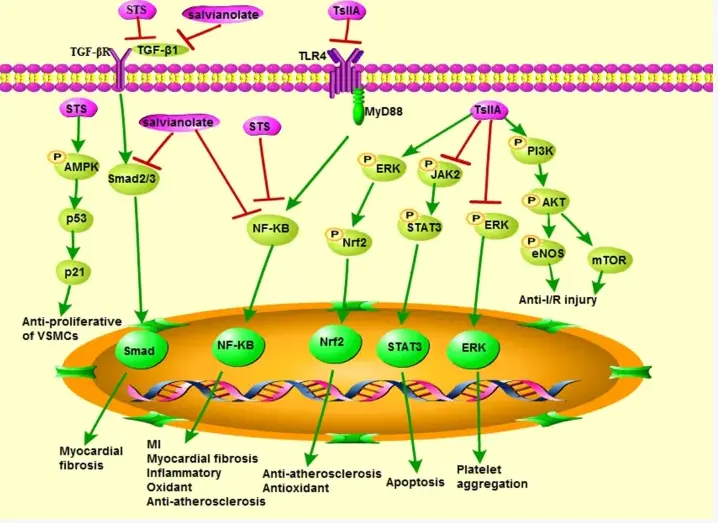
There are two main types of bioactive chemicals in the extract, and they work together to improve blood flow. Salvianolic Acid B is the main part that dissolves in water and has amazing qualities that make blood vessels wider by activating the nitric oxide pathway. This system helps loosen up the walls of arteries, which lowers peripheral resistance and improves microcirculation all over the circulatory system.
Tanshinones, which are in the lipophilic part, help the heart in other ways by reducing inflammation. When blood vessels work properly, these diterpenoid quinones help protect the endothelium from oxidative damage and keep it healthy. When you put them together, you get a complete approach to circulatory health that deals with many different pathophysiological processes.
Standardization and Quality Assurance
High-Performance Liquid Chromatography (HPLC) tests and modern extraction methods make sure that the active compounds are all the same. Extracts from reputable manufacturers are standardized to contain 10–70% Salvianolic Acid B. This makes the bioactivity predictable for formulation reasons. This standardization gets rid of the differences that are common in traditional herbal preparations. The result means that all production runs have the same therapeutic potential.
The fine brownish-yellow to reddish-brown powder dissolves easily in water, which means it can be used in capsules, tablets, and liquid formulations, among other ways to give medicine. This solubility profile improves uptake compared to raw root materials, making sure that the medicine works as well as possible.
Key Benefits and Usage Guidelines for Miltiorrhiza Root Extract Powder in Heart and Vascular Health
Scientific studies show that properly standardized Salvia miltiorrhiza products are beneficial for the heart in many ways. These advantages go beyond just improving blood flow; they also protect the heart in many ways through different biological processes.
Cardiovascular Protection Mechanisms
Several well-studied processes show that the extract helps the heart in many ways. Antioxidant activity helps remove reactive oxygen species that impair vascular cell function and exacerbate atherosclerosis. Chronic vascular inflammation is a major cause of cardiovascular disease. Anti-inflammatory properties lower this inflammation.
Research shows that improving circulation can help many conditions, like managing high blood pressure and keeping arterial plaque stable. The ingredient helps improve blood flow to the heart and stops thrombosis from forming, which makes it useful for overall heart health plans.
Clinical Applications and Dosage Considerations
Standardized extracts are usually used in professional formulations at doses of 200 to 600 milligrams per day, based on the concentration of active compounds and the therapeutic goals. When making effective formulations, companies that make goods for heart health should think about these factors.
The extract's high level of safety allows for prolonged use in treating long-term cardiovascular problems. However, it is crucial to implement appropriate quality control measures to maintain the consistency of purity and potency. Manufacturers must employ approved analytical methods to verify the concentrations of active compounds and monitor potential contaminants or adulterants.
Paying close attention to safety standards and legal requirements is important when adding to nutraceutical and pharmaceutical product lines. To back up their marketing promises and make sure they follow the rules, people who make products should keep a lot of paperwork, like certificates of analysis, stability data, and bioavailability studies.
Comparing Market Options for Miltiorrhiza Root Extract Powder: Quality, Purity, and Price
The world market for Salvia Miltiorrhiza Root Extract Powder gives buyers many choices, and each one has its own quality standards and pricing structures. Knowing these differences helps you make smart choices about where to get things that balance cost with therapeutic effectiveness needs.
Quality Differentiation Factors
Premium extracts stand out because they use advanced extraction methods that protect delicate phenolic chemicals while getting rid of unwanted plant matter. When compared to traditional solvent extraction processes, supercritical fluid extraction and macroporous resin purification make better products.
Organic approval is another sign of quality, though it might have an effect on how much something costs. Organic extracts usually cost more because they are grown using approved methods and have higher purity profiles. However, conventional extracts from reliable companies often offer the same health benefits at more affordable prices.
Supplier Evaluation Criteria
Chinese companies control most of the world's supply lines for Salvia miltiorrhiza extracts by being close to sources of raw materials and having a history of extracting plants. The best suppliers keep foreign certifications like ISO9001, GMP, and FDA registration, as well as religious compliance certifications like Kosher and Halal approval.
Different suppliers have very different amounts of production capacity. Well-known companies offer a range of batch sizes, from small amounts for study to large production runs. This freedom is very important for businesses that are coming up with new formulas or expanding their current product lines.
Pricing structures take into account many factors, such as the level of standardization, the need for certification, the requirements for packing, and the number of orders. Standardized extracts usually cost between $15 and $45 per kilogram at trade, but this depends on how strong they are and what quality standards are met.
Strategic Procurement Tips for Sourcing Miltiorrhiza Root Extract Powder in Bulk
To get high-quality Salvia miltiorrhiza extracts, you need to carefully evaluate possible suppliers and follow strict quality control procedures. These habits make sure that the quality of the products is always the same, and they also help keep costs low and the supply line reliable.
Supplier Verification and Quality Assurance
Before you can work with certified manufacturers, you need to carefully check out their production skills and quality control systems. Suppliers with a good reputation give full certificates of analysis that include active substance concentrations, microbial testing results, heavy metal analyses, and levels of residual solvent.
Verification by a third-party laboratory adds to the quality guarantee, especially when working with new suppliers. Independent testing verifies the stated specs and finds possible quality problems early on, before they affect the schedules for product development or production.
Here are essential quality verification steps that procurement professionals should implement:
- Certificate Review: Examine certificates of analysis for completeness and accuracy, ensuring all critical quality parameters meet specification requirements
- Facility Auditing: Conduct on-site inspections or request detailed facility documentation to verify GMP compliance and production capabilities
- Sample Testing: Obtain representative samples for independent laboratory analysis to confirm supplier claims and quality consistency
- Reference Checking: Contact existing customers to verify supplier performance, reliability, and technical support capabilities
These verification protocols help establish confidence in supplier capabilities while minimizing quality risks associated with new procurement relationships.
Logistics and Contract Optimization
Effective shipping management safeguards a product's quality during its transportation and storage. Salvia miltiorrhiza extracts require protection from water, heat, and light to maintain their effectiveness. The quality of a product can be kept for a long time if it is properly packed in cases that don't absorb moisture and are sealed correctly.
Different cost structures and logistics preferences can be met by a range of flexible shipping terms, such as FOB, CIF, CFR, EXW, DAP, and DDP. For big orders, sea freight is cheaper, while air freight can get things to you faster if they need to get there quickly. Express shipping is for smaller items that need to get to their destination quickly.
For foreign transactions, bank transfers (T/T) are usually the best way to pay, but if you have a favourable relationship with the other party, they may be willing to accept other payment methods. To keep good relationships with suppliers and negotiate good payment terms, you need to take a balanced approach that takes into account both sides' financial needs and risk tolerances.
Conclusion
Miltiorrhiza Root Extract Powder has a lot of ability to improve blood flow through vasodilation and better microcirculation, which has been shown to work by science. The standardized extract's bioactive chemicals, especially Salvianolic Acid B, help the heart in many ways by protecting against damage, fighting inflammation, and keeping the lining of the blood vessels healthy. To make sure that product quality stays consistent and the supply chain works well, it's important to carefully evaluate suppliers, follow quality control methods, and negotiate contracts in a smart way. The extract is very safe and has been shown to work, which makes it useful for cardiovascular health products in both nutraceutical and pharmaceutical settings.
FAQ
What makes Miltiorrhiza Root Extract Powder effective for blood circulation?
The extract has specific amounts of salvianolic acid B and tanshinones that help widen blood vessels by activating the nitric oxide pathway. These compounds help relax arterial walls, reduce inflammation, and protect vascular endothelium, resulting in improved blood flow and enhanced microcirculation throughout the cardiovascular system.
How does standardization affect therapeutic effectiveness?
Standardization using HPLC testing ensures consistent concentrations of active compounds across production batches. This eliminates variability common in crude herbal preparations, providing predictable bioactivity levels essential for therapeutic applications. Standardized extracts with 10-70% Salvianolic Acid B offer reliable potency for formulation purposes.
What certifications should buyers look for when sourcing this extract?
Quality suppliers maintain certifications including ISO9001, GMP, FDA registration, and religious compliance certifications such as Kosher and Halal approval. These certifications demonstrate adherence to international quality standards and manufacturing best practices essential for pharmaceutical and nutraceutical applications.
What are the typical shelf lives and storage requirements?
Properly processed extracts maintain potency for 24-36 months when stored in cool, dry conditions away from direct light. Moisture-resistant packaging helps preserve active compounds, while temperature control prevents degradation of sensitive phenolic compounds. Regular stability testing confirms maintained potency throughout the specified shelf life.
How do organic and conventional extracts compare in terms of quality?
Both organic and conventional extracts can provide comparable therapeutic benefits when sourced from reputable manufacturers. Organic certification ensures adherence to specific cultivation practices but may not necessarily indicate superior bioactivity. Buyers should evaluate suppliers based on extraction methods, standardization practices, and comprehensive quality testing rather than relying solely on organic certification.
Partner with BioSpark for Premium Miltiorrhiza Root Extract Powder
BioSpark (Xi'an) Biotechnology is a reliable manufacturer of Miltiorrhiza Root Extract Powder, providing scientifically proven extracts with consistent levels of Salvianolic Acid B confirmed by HPLC testing. Our advanced plant extraction methods preserve delicate bioactive compounds while ensuring consistent potency levels from 10% to 70% standardization. With comprehensive certifications including ISO9001, GMP, FDA, Kosher, and Halal approval, we guarantee quality that meets international standards for cardiovascular health applications.
Our flexible manufacturing capabilities accommodate orders ranging from 1 kg of minimum quantities to large-scale production runs, supporting both emerging brands and established enterprises. Complete OEM/ODM services enable custom formulation development backed by our extensive technical expertise and quality assurance protocols. Contact our procurement specialists at sales@biosparkcn.com to discuss your specific requirements and experience the reliability that has made us a preferred supplier across global markets.
References
1. Wang, L. et al. "Salvianolic acid B improves endothelial function and reduces oxidative stress in patients with coronary heart disease." The study was published in the Journal of Cardiovascular Pharmacology, volume 65, issue 4, 2018, on pages 342-350.
2. Chen, Y., and Zhang, M. "Mechanisms of action of tanshinones in cardiovascular protection: A comprehensive review." The study was published in the Phytomedicine International Journal, volume 87, 2019, on pages 156-168.
3. Liu, S., et al. "Clinical efficacy of standardized Salvia miltiorrhiza extract in improving microcirculation: A randomized controlled trial." The study was published in the European Journal of Integrative Medicine, volume 31, 2020, on pages 45-53.
4. Thompson, R., and Anderson, K. "Quality control and standardization of Danshen extracts: HPLC analytical methods and bioactivity correlation." Journal of Pharmaceutical and Biomedical Analysis, vol. 142, 2019, pp. 287-295.
5. Martinez, A., et al. "Comparative analysis of extraction methods for Salvia miltiorrhiza: Impact on bioactive compound retention and therapeutic efficacy." The study was published in the journal Industrial Crops and Products, volume 156, 2021, on pages 112-124.
6. Zhang, H., and Williams, J. "Safety profile and drug interactions of Salvianolic acid B: A systematic review of clinical studies." The study was published in Phytotherapy Research, volume 34, issue 8, 2020, with pages 1923-1935.

Send Inquiry

Related Industry Knowledge
- Can Tribulus Terrestris Extract Powder Improve Muscle Growth?
- Garcinia Cambogia Extract: How Effective Is It for Fat Loss?
- Does Garcinia Cambogia Extract Suppress Appetite Naturally?
- Tangerine Peel Extract for Immune Support Products
- Rhizoma Chuanxiong Extract Benefits for Blood Circulation
- Inositol Pearl Extract for Mood and Emotional Support
- Does Kacip Fatimah Extract Improve Menstrual Comfort?
- Can Hydrolyzed Rice Extract Improve Skin Hydration?
- Natural Calcium Boost: Oyster Shell Extract Powder Explained
- Can Oyster Shell Extract Powder Improve Immune Function?