_1764041963888.webp)
How Do Fish Collagen Peptides Compare With Bovine Collagen?
Oct 05, 2026
When brands and formulators choose between marine and land-animal collagen sources, the decision carries real consequences for product performance, consumer acceptance, and regulatory compliance. Fish collagen peptides, derived from deep-sea fish skin and scales via enzymatic hydrolysis, carry a molecular weight below 2,000 Daltons, which drives faster intestinal absorption compared to bovine collagen. Bovine collagen, extracted from cattle hides and bones, delivers a broad amino acid range suited to muscle and connective tissue support. Understanding these differences helps procurement teams match the right ingredient to the right application.
Understanding Collagen Peptides: Fish vs. Bovine
What Are Fish Collagen Peptides?
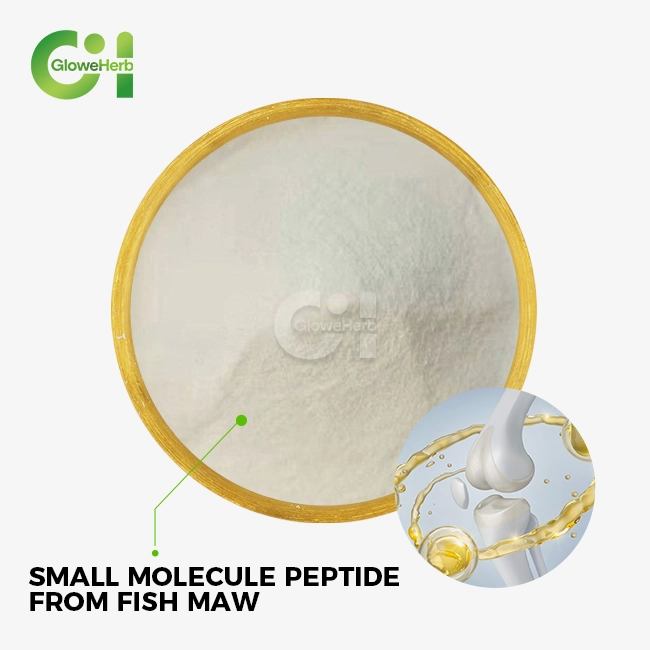
Fish collagen peptides are functional protein pieces made from the skin and scales of saltwater fish. Enzymes are used to break down proteins in a particular way. Native collagen chains are split up into peptides with a molecular weight of less than 2,000 Daltons. In cold water, this turns into a fine powder that is white to off-white and goes away completely. These peptides have a lot of glycine, proline, and hydroxyproline, which are amino acids that are found in high amounts in human skin collagen. This makes them great for functional drinks and vitamins that are meant to help the skin.
What Is Bovine Collagen?
Beef skin, bones, and other body parts are used to make bovine collagen. A lot of Type I and Type III collagen is in it. Collagen helps keep skin structure, muscles healed, and muscles strong in general. In general, hydrolyzed collagen from cows has a molecular weight of around 3,000 to 6,000 Daltons, which is higher than that of peptides from marine sources. Bovine collagen is still the most common type of bulk collagen in the world, and it costs less per kilogram than marine collagen most of the time.
How Do Their Sources Affect Quality?
How clean, allergen-free, and spiritually okay something is depends on where it came from. Fish collagen peptides are safe for both Halal and Kosher diets, and they don't increase the chance of BSE in cattle. It is important to make sure that the source of the bovine collagen you buy is clean. Also, people who are Muslim or Jewish and have to follow certain dietary rules might not be able to use it. Fish collagen peptides come from the ocean, which is great for North American brands that want to appeal to people who care about their health and just want to buy clean products.

Key Benefits and Limitations of Fish and Bovine Collagen
Skin, Hair, and Anti-Aging Performance
A study in 2018 in the journal Marine Drugs found that low-molecular-weight marine collagen peptides make skin much more hydrated and stretchy after eight weeks of oral treatment. Proteins from fish get into the bloodstream without being broken down very much first, which speeds up the activation of fibroblasts. They work so quickly that they are the best choice for collagen drinks, anti-aging sweets, beauty-from-within products, and skin serums that need to show results quickly to keep people coming back.
Muscle Repair and Connective Tissue Support
When making things that help muscles heal, bovine collagen is better. It's often found in sports nutrition products that are meant to help you heal after a workout because it has more collagen Type III, which helps fix tendons and ligaments. Bovine hydrolyzed collagen is still a cheap option for businesses that want to make products for busy people's joints. Marine collagen peptides, on the other hand, work well in joint medicine too, especially when mixed with Vitamin C, which helps cells make collagen.
Safety Considerations and Allergenicity
People who are known to be allergic to fish or seafood are somewhat likely to be allergic to fish collagen peptides. FDA rules say that this must be made clear on product labels. In general, bovine collagen is less likely to make people allergic, but it needs to come from a clear source to avoid BSE issues. Most people think that both types are safe in normal daily amounts of 2.5 to 10 grams. Procurement teams should get full proof of where the raw materials came from and testing papers before placing big orders.
Comparing Product Types and Quality: What B2B Buyers Need to Know
Hydrolyzed Peptides vs. Gelatin
Everything made from collagen is not the same. Gelatin and hydrolyzed collagen peptides are both made from the same thing, but when you mix them, they respond in different ways. Cold water can't break down gelatin because it's already set when it's hot. Hydrolyzed fish collagen peptides don't change form at all when the temperature changes, and they don't get cloudy in drinks with a pH of 3.0 to 4.0. This means they have to be used in RTD (ready-to-drink) beauty shots and clear protein drinks that need to be clear.
Certifications That Matter in B2B Procurement
Files for quality control let you know which sources are safe and which ones aren't. When purchasing big amounts of marine collagen peptides, purchasing managers should choose sellers who are certified by ISO9001, GMP, FDA, Halal, and Kosher. All five of BioSpark's licenses are in place, and High-Performance Liquid Chromatography (HPLC) tests confirm that they are 90% pure. Branded supplement businesses need this level of scientific testing to make sure that each batch is the same and that they can keep track of them so that they can pass third-party checks and meet U.S. market entry standards.
Evaluating Supplier Reliability
There are more things than just licenses that should be used to judge a company. It is also important to think about how easy it is to find raw materials, how much can be made, how flexible the minimum order is, and how long it takes to turn around an order. A reputable seller of fish collagen peptides will give you full Certificates of Analysis (COAs), be clear about how long it will take to make the product, and let you try samples before you buy a lot. It's easy for BioSpark to ship fast because they keep enough in stock, take orders as low as 1 kg, and package finished goods in 25 kg/drum units. This works for both small R&D orders and big production runs.
Procurement Insights: Sourcing Fish vs. Bovine Collagen Peptides for Your Business
Pricing Trends and Cost Comparison
Fish collagen peptides usually cost 15–30% more than similar bovine collagen grades because they have to go through more steps to get the marine raw materials out. But the higher bioavailability at lower doses per serving may be enough to make up for the higher recipe costs. There is a normal price range for nutraceuticals in the U.S. between $40 and $80. Brands that make high-end anti-aging vitamins or functional drinks often decide that the performance is worth the money.
Purchasing Channels and Contract Models
Businesses that buy things in bulk can get fish collagen peptides from companies, specialized ingredient platforms, or trade shows like SupplySide West. You can save money by working directly with Chinese companies like BioSpark as a factory partner. These companies can also help you with OEM and ODM projects and offer different shipping options, such as FOB, CIF, CFR, EXW, DAP, and DDP. Prices stay the same with long-term supply contracts, and when the prices of raw materials change, some materials are given more attention. For businesses to do business with each other, bank transfer (T/T) is best. BioSpark can ship via express courier, air freight, and sea freight, so they can handle both long-term production plans and urgent development orders. There are many shipping lines to North America, and there is always enough stock on hand, so buying teams don't have to worry about making plans for when deliveries will happen.
Logistics and Lead Times
BioSpark ships via express courier, air freight, and sea freight, accommodating both urgent development orders and planned production cycles. With sufficient stock maintained at all times and multiple shipping routes to North America, procurement teams can count on timely delivery without compromising formulation schedules.
Making the Right Choice: Which Collagen Peptide Fits Your Business Needs?
Matching Ingredient to Application
What kind of product it is that decides which collagen peptide works best. For skin health supplements, functional beauty drinks, nutricosmetics, and any other mixture that needs to be clear and work quickly in the body, fish collagen peptides are the best option. In low-cost health drinks, protein bars, and sports recovery products, bovine collagen works better. People don't have to watch what they eat because of products made from cattle.
OEM and Private Label Considerations
By making OEM and ODM deals with a qualified fish collagen peptides maker, brands can completely change their recipes' particle size, how they mask tastes, and how they are dosed. BioSpark does everything, from coming up with the mix to packing it up. This helps brands get their goods to stores faster while still making sure they meet quality standards. Planners who can be flexible with their capacity can help both new and experienced wholesalers, whether they need a test batch of 1 kg or a full production run.
Long-Term Supplier Partnerships
Having a steady connection with a qualified collagen peptides provider helps make sure that the product's quality stays the same from batch to batch and lowers the chance of issues happening in the supply chain. You can't just choose a source based on price. Along with that, you should look for ones that have clear instructions, quick expert support, and output capacities that can be changed.
Conclusion
There are different ways that bovine collagen and fish collagen peptides are used in products. Phytopeptides from marine sources are better for skin health and functional drinks because they are absorbed faster, look better on labels, and can be sold in both Kosher and Halal markets. If you need cheap sports nutrition, bovine collagen is still a good choice. People who buy supplements in bulk in the U.S. should base their choice on how well the chemicals work with the type of customer they want to reach, the needs of the application, and the government's rules. If you buy from a company that has verified certifications, raw materials that can be tracked, and flexible production capacity, you can buy something with less risk and faster.

FAQ
1. Is fish collagen safer than bovine collagen?
In small amounts, both are safe as long as they come from a good source. Because they don't pose a BSE risk and are also Halal and Kosher, fish collagen peptides are better for brands that want to appeal to a wide range of customers. That being said, the FDA says they have to label allergens for people who are allergic to fish. To show that cow collagen does not contain BSE, its source must be able to be found.
2. What is the typical dosage in supplement formulations?
Clinical tests have shown that taking 2.5 to 10 grams of hydrolyzed collagen peptides every day can make your hair better, your joints feel better, and your skin stay hydrated. While most functional drinks have between 2.5 and 5 grams per bottle, most B2B mouth vitamins are aimed at 5 grams per dose.
3. Can fish collagen peptides replace bovine collagen directly?
Most of the time, yes. Both are broken-down Type I collagen proteins that have the same pattern of amino acids. Fish collagen peptides can replace the original ingredient in drinks because they dissolve better in clear liquids and function well in acidic environments. Before switching products that work on muscles or joints and have Type III collagen in them, the list should be looked at once more.
4. What certifications should I require from a supplier?
Make sure they have at least ISO9001, GMP, FDA registration, Halal, and Kosher certifications. For the U.S. market, it's important to have purity records that have been checked by HPLC, batch certificates of analysis, and paperwork that shows how raw materials can be tracked.
Partner With BioSpark for Premium Fish Collagen Peptides
Supplement brands and drug companies all over North America depend on BioSpark (Xi'an) Biotechnology Co., Ltd. as a dependable source for fish collagen peptides. The HPLC test shows that our marine collagen powder is 90% pure. It comes with full certification coverage and can be made to order in amounts ranging from 1 kg to full production scale. Get in touch with our team right away to get samples, prices, or advice on how to make your own formula. Send us your question at leao@biosparkcn.com to begin.
References
1. Zhuang, Y., & Hou, H. (2018). Marine Collagen Peptides and Their Bioactivities. Marine Drugs, 16(12), 487.
2. León-López, A., et al. (2019). Hydrolyzed Collagen—Sources and Applications. Molecules, 24(22), 4031.
3. Asserin, J., et al. (2015). The Effect of Oral Collagen Peptide Supplementation on Skin Moisture and the Dermal Collagen Network. Journal of Cosmetic Dermatology, 14(4), 291–301.
4. Shaw, G., et al. (2017). Vitamin C–Enriched Gelatin Supplementation Before Intermittent Activity Augments Collagen Synthesis. American Journal of Clinical Nutrition, 105(1), 136–143.
5. Sibilla, S., et al. (2015). An Overview of the Beneficial Effects of Hydrolyzed Collagen as a Nutraceutical on Skin Properties. The Open Nutraceuticals Journal, 8(1), 29–42.
6. Proksch, E., et al. (2014). Oral Supplementation of Specific Collagen Peptides Has Beneficial Effects on Human Skin Physiology. Skin Pharmacology and Physiology, 27(1), 47–55.

Send Inquiry






Related Industry Knowledge
- How Do Fish Collagen Peptides Compare With Bovine Collagen?
- What Molecular Weight Do Fish Collagen Peptides Need?
- What Should Buyers Know Before Sourcing Wolfberry Peptide?
- How to Use Coconut Milk Extract Powder in Hot and Cold Drinks?
- Why Is Broad Bean Powder Trending in Plant-Based Markets?
- Why Are Manufacturers Choosing Ginseng Fruit Powder Today?
- Can gardenia fruit powder be used as a natural food coloring?
- Does Hydrolyzed Rice Extract Enhance Product Absorption?
- How to Use Tribulus Terrestris Extract Powder Safely?
- Konjac Flour Extract for High iber Functional Foods
