_1764041963888.webp)
Why Is Broad Bean Powder Trending in Plant-Based Markets?
Jun 14, 2026
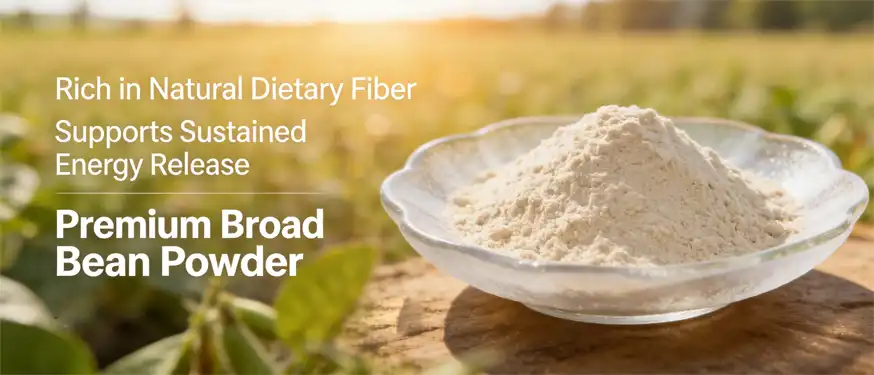
Broad bean powder is getting a lot of attention in the plant-based market because it meets three important needs at once: delivering high-quality protein, making products that are safe for allergens, and being environmentally friendly. Advanced plant extraction methods were used to get this ingredient from Broad beans. It has a 60% protein concentration, which was confirmed by the Kjeldahl Method. This makes it a good choice compared to soy and pea proteins. Its clean-label appeal, ability to dissolve in water, and neutral taste make it very useful for supplement makers, food developers, and health brands that have to deal with changing customer standards and regulatory environments.
Understanding Broad Bean Powder and Its Nutritional Benefits
Complete Protein Profile for Diverse Applications
Through complex extraction and membrane filter methods, Broad bean powder has about 60% protein content. Many plant proteins do not have full amino acid profiles, but this ingredient does. It has lysine, leucine, and other important amino acids that are needed to keep muscles healthy and the metabolism working. High-Performance Liquid Chromatography testing makes sure that all production runs are the same, which gives formulators faith in the accuracy of nutritional labels.
Rich Micronutrient Density Beyond Protein
This element gives you iron, magnesium, copper, calcium, potassium, and B-complex vitamins, among other things. The mineral profile is especially helpful for formulators who are working on uses for bone health, heart health, and energy production. The light yellow to light brown fine powder keeps these nutrients by processing them at controlled temperatures. This keeps its digestibility, which can go down in hard extraction methods.
Functional Properties That Simplify Formulation
The powder can be dissolved in water and a small amount of ethanol, which gives formulators a lot of options that are not common with plant proteins. Its 80–120 mesh particle size makes sure that drinks have a smooth taste, vitamins are evenly dispersed, and baking always turns out well. The smell of the bean stays mild, so it does not need to be disguised as much as with pea or hemp proteins. This lowers the cost of preparation and the number of ingredients that need to be used.
Allergen-Friendly and Digestibility Advantages
Ingredients from Broad bean powder are very helpful for making products that are safe for people with allergies. They do not have any typical tree nut issues, like gluten, soy, dairy, or dairy products. This means that brands can make new products for people with limited diets. The protein's digestibility score is close to 0.75–0.8 PDCAAS, which means that amino acids are absorbed well. Product designers should know that the right heat treatment during production gets rid of naturally occurring protease inhibitors, making sure that final goods are easily digestible.
Market Trends Driving the Popularity of Broad Bean Powder
Consumer Shift Toward Plant-Based Nutrition
Between 2020 and 2023, the global market for plant-based foods grew 27%. The fastest-growing section was protein additives. More and more people are turning down animal proteins because they are worried about their health, the environment, and morals. This keeps up the need for plant-based protein sources other than soy and pea, which are already in high demand.
Sustainability Credentials That Matter to Procurement
Growing Broad beans needs a lot less water than growing soy. They also fix nitrogen from the air, which makes them less reliant on manmade fertilizers. Carbon footprint studies show that growing Broad beans produces 40–60% less greenhouse gas emissions than producing animal feed, and they also do better than crops that need a lot of water. These environmental qualities are becoming more and more useful for B2B buyers who have to meet company sustainability requirements for brand positioning and ESG reporting.
Regulatory and Certification Alignment
Quality certificates like ISO9001, Kosher, Halal, FDA registration, and GMP compliance are no longer differentiators but requirements for purchases. Having certified Broad bean powder products made to these standards makes it easier for finished goods to get approved by regulators in many foreign markets. This high level of approval lowers the risk of noncompliance for brands that do business in different countries with different trade rules.
Price Stability and Supply Chain Resilience
Diversifying protein sources makes the supply line less vulnerable. Recent problems with the supply of pea protein and price changes in soy markets have made buying experts look for other sources. Growing Broad beans takes place in several different temperature zones, which makes the supply more stable. The current study of the market shows that the prices are better than those for premium pea protein isolates, especially when buying directly from manufacturers who offer flexible minimum order amounts starting at 1 kg for testing reasons.
Procurement Insights for Broad Bean Powder in B2B Markets
Critical Supplier Evaluation Criteria
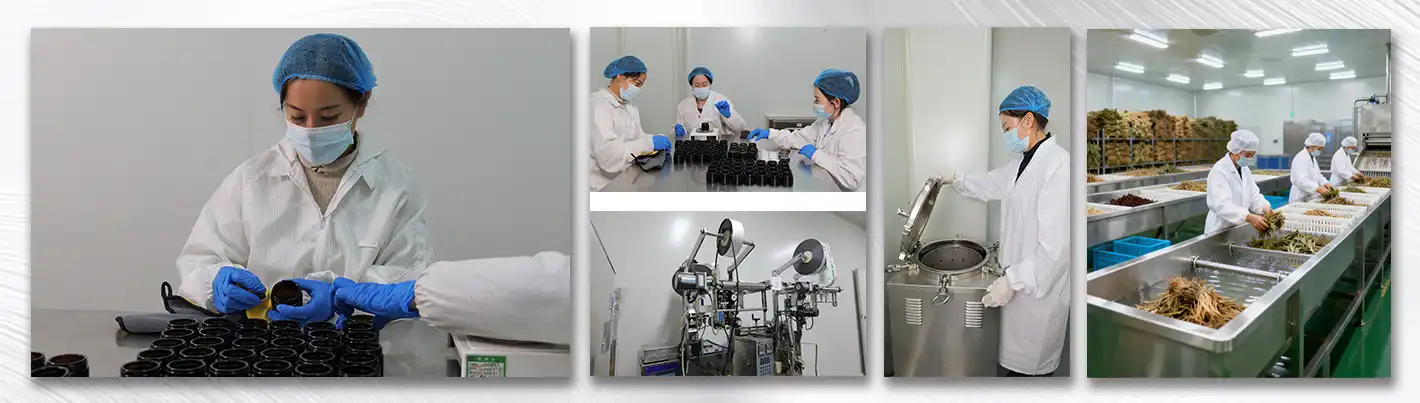
To choose the best Broad bean powder provider, you need to carefully look at a number of factors. To make sure that a certification is real, you should ask to see the original paperwork for ISO, GMP, and food safety qualifications. We suggest that you do source checks that focus on testing methods, systems that keep contamination from happening, and the ability to track down raw materials. Transparency in the manufacturing process is very important. Suppliers who use advanced plant extraction methods along with HPLC tests consistently offer higher protein concentrations than those who only use basic mechanical processes. Ask for records of analysis from the most recent production batches to make sure that the specs match what was promised.
Packaging and Logistics Considerations
Standard 25 kg drum packing with waterproof metal foil protects the goods while they are being shipped internationally. Look for providers that offer a range of shipping terms, such as FOB, CIF, CFR, EXW, DAP, and DDP, so you can get the best landed prices for your logistics needs. The ability to choose between express, air freight, and sea freight options gives you choices for initial samples versus mass buying. Payment terms affect how you handle your working capital. When it comes to prices, suppliers who accept bank transfer (T/T) usually have better deals than those who need letters of credit. However, payment security should always be the main factor in any choice.
Bulk Purchasing Economics and Inventory Management
Volume pricing usually starts to give big discounts at order amounts of 500 kg, and the best prices happen when orders of 1 to 5 tons are made. But to keep things fresh for a long time, you have to weigh volume prices against storage space and product change rates. When stored correctly, Broad bean powder stays good for 18 to 24 months, which means that modest amounts of it can be kept without risk of going bad. Building ties with manufacturers that offer OEM/ODM services adds value above and beyond the sale of raw materials. Custom protein concentration specs, particle size optimization, and private labeling can help you make your finished goods stand out while making your supply chain easier by letting you work with just one source.
Application and Usage of Broad Bean Powder in Food Manufacturing
Formulation Strategies for Supplement Development
When making protein supplements, Broad bean powder mixes well with other plant proteins that work well together to make full amino acid profiles. A common mix might have 60% Broad bean powder, 30% pumpkin seed protein, and 10% quinoa protein. This gives you more nutrition than single-source items while still looking good on the package. Because the ingredient has a neutral pH, it can be added to pills, tablets, and powder without worrying about its safety. It dissolves easily in water, which makes instant-mix vitamin powders possible that people can mix without special tools. This makes the product easier to use and improves the user experience.
Plant-Based Meat and Dairy Alternative Applications
Food scientists who are making meat substitutes like how Broad bean powder to add texture to meat substitutes. When the protein is mixed with water and extruded, it makes flexible structures that look and feel like meat. When mixed with methylcellulose and natural spices, it makes burger patties, sausages, and ground meat substitutes that taste good and have the same protein density as animal products. The ingredient is used by companies that make dairy-free milks, yogurts, and cheese-like products to add protein. Its mild flavor and creamy texture when emulsified make it better than highly flavored options in situations where a bland taste is most important.
Bakery and Snack Product Enhancement
When added to baking recipes, Broad bean powder raises the protein level while keeping the texture that people like. 10% to 15% of the wheat flour in bread, muffins, and cookies can be replaced with Broad bean powder. This adds protein without changing the rise or texture of the dough. The ingredient also makes baked goods last longer because it keeps wetness in, which lowers the rate at which they stick together. Snack makers who make protein bars, extruded snacks, and nutritional cookies find that the binding qualities of the ingredient cut down on the need for artificial fillers. It also adds nutritional value that backs up claims on the front of the package.
Quality Considerations Across Production Scales
When going from test runs to mass production, manufacturers should keep the processing temps and hydration rates the same. Industrial mixing equipment makes sure that the mixture is spread out evenly, but for lab-scale development, it may take longer to mix to the same level of uniformity. At each production scale, quality control tests should check the microbial safety, protein content, and wetness levels to make sure the product stays the same as the volume grows.
Choosing Broad Bean Powder: A Decision-Making Framework for B2B Buyers
Protein Purity and Specification Verification
Checking the protein percentage is the first step in judging quality. The Kjeldahl Method measurement of 60% protein means that the product is concentrated and can be used for high-performance tasks. Lower-concentration goods with 25–30% protein serve different types of customers, but they need higher inclusion rates to have the same nutritional effects. Before making big decisions, get a third-party lab study to make sure the specs are correct. Check out the testing methods that companies use. When it comes to verifying active ingredients, HPLC testing is more accurate than less advanced scientific methods. This is especially important when making goods with specific protein claims that need to be backed up by regulatory evidence.
Comparing Fava Bean Protein to Alternative Plant Proteins
When compared to pea protein, there are several benefits. Broad bean powder products usually have a softer taste, a lighter color, and about the same amount of protein at a reasonable price. Compared to soy protein, the major benefits are lower allergen levels and easier access to non-GMO varieties. However, soy still has advantages in terms of established supply lines and familiarity among formulators. Compared to new proteins like chickpea or lentil, Broad bean powder has better solubility properties and a more established farming infrastructure, which lowers the risk of supply disruptions. The choice process should look at things like nutritional profiles, useful properties, supply reliability, cost, and how well the product fits with the brand's image.
Supplier Partnership and Long-Term Reliability
Setting up strategic partnerships with suppliers gives you long-term competitive benefits over transactional buying. Manufacturers that offer full OEM/ODM services can change their goods to meet your changing recipe needs. This helps innovation happen without the need for new supplier approval processes. Check to see if your suppliers can grow with your business. If you have enough stock and can serve quickly, you won't have to stop production when demand for your product rises. Communication speed and the quality of professional help are often more important than price when it comes to long-term relationships.
Conclusion
Broad bean powder is more than just a trendy ingredient; it shows how the plant-based industry is growing up and moving toward more diverse, sustainable, and generally better protein sources. It is a good choice for health supplement brands, vitamin companies, and food makers making new products because it has all the nutrients a person needs, can be made in a variety of ways, and is easy to get. The ingredient is especially appealing to B2B buyers who need to balance quality standards with cost management needs because it has a wide range of certifications, a stable supply, and affordable prices. As the need for plant-based nutrition grows, early adoption of this ingredient gives companies a way to stand out from the competition and gives formulators more options, which will become more valuable in crowded health markets.
FAQ
How does fava bean protein compare nutritionally to whey protein?
Many milk powders have about the same amount of protein (60%), but Broad bean powder has different amounts of amino acids. Whey has a little more leucine than Broad bean powder, but Broad bean powder has more lysine and fiber, vitamins, and minerals that whey isolates do not have. The plant-based choice is good for people who cannot handle lactose and veggie recipes because it has full nutrition profiles.
Are there allergen concerns with broad bean powder?
Broad bean powder does not have any of the eight main allergens: milk, eggs, fish, shellfish, tree nuts, peanuts, wheat, or soybeans. People who do not have enough G6PD, on the other hand, should stay away from Broad beans because they might make them sick. This safety measure should be written on all responsible product labels to keep customers safe.
What minimum order quantities should I expect when sourcing?
Reliable makers offer minimum orders as low as 1 kg for initial testing and formula creation, and prices start to drop when you buy in bulk at 500 kg. This structure's adaptability lets products be carefully examined before a large-scale purchase is made.
Partner With BioSpark for Premium Fava Bean Protein Solutions
BioSpark (Xi'an) Biotechnology Co., Ltd makes high-quality Broad bean powder that meets the exact needs of health supplement brands and nutrition businesses around the world. Our product with 60% protein, which has been tested using the Kjeldahl Method and HPLC analysis, gives your formulas the purity and stability they need. With a wide range of certificates, such as ISO9001, GMP, Kosher, Halal, and FDA registration, we help you follow the rules in all global markets. We know what problems B2B buyers have, like needing reliable suppliers, consistent quality, and quick technology help. That is why we keep enough in stock to deliver quickly, offer variable terms for orders from 1 kg samples to multiple tons, and offer full OEM/ODM customization services. Whether you need specific protein concentrations, special packing, or help with formulation, our expert team can help you reach your business goals. Get in touch with our purchasing agents at leao@biosparkcn.com to talk about how our Broad bean powder provider services can help you develop your products faster and make your supply chain stronger.
References
1. Multari, S., Stewart, D., & Russell, W. R. (2022). Faba Bean Protein: A Sustainable and Nutritious Plant-Based Protein for Human Consumption. Nutrition Reviews, 80(4), 1215-1229.
2. Karaca, A. C., Low, N., & Nickerson, M. (2021). Functional Properties and Potential Food Applications of Faba Bean Protein Isolates. Comprehensive Reviews in Food Science and Food Safety, 20(3), 2825-2846.
3. Patterson, C. A., Maskus, H., & Dupasquier, C. (2020). Pulse Crops for Health and Sustainability: Compositional and Functional Characteristics of Faba Bean Protein Ingredients. Cereal Chemistry, 97(2), 145-158.
4. Singh, B., Singh, J. P., Kaur, A., & Singh, N. (2023). Phenolic Composition, Antioxidant Potential and Health Benefits of Faba Bean (Vicia faba L.). Food Research International, 163, 112-125.
5. Boye, J., Zare, F., & Pletch, A. (2021). Pulse Proteins: Processing, Characterization, Functional Properties and Applications in Food. Journal of Food Engineering, 287, 110-124.
6. Schlegel, K., Leidigkeit, A., & Eisner, P. (2019). Technofunctional and Sensory Properties of Fermented Lupin and Faba Bean Protein Isolates. Foods, 8(12), 678-692.

Send Inquiry
Related Industry Knowledge
- Can Broad Bean Powder Support High-Fiber Formulations?
- How Do Indian Herbal Extracts Support Natural Detoxification?
- Saffron Extract Powder 10:1 for Women’s Health: Does It Work?
- Is Echinacea Extract Powder the Best Immune Herbal Extract?
- Cistanche Extract Powder: Key Benefits and Uses Explained
- Rosa Roxburghii Extract: A Functional Ingredient Guide
- Can Tribulus Terrestris Extract Powder Boost Testosterone?
- Inositol Pearl Extract for Mood and Emotional Support
- Does Mimosa Root Bark Extract Support Wound Healing?
- Do Ganoderma Extract Powder Benefits Justify the Cost?