_1764041963888.webp)
Why Is Purple cabbage powder Popular in Superfood Products?
Aug 05, 2026
Purple cabbage powder has become a cornerstone ingredient in superfood formulations, driven by consumer demand for natural, antioxidant-rich products and the ingredient's exceptional versatility across multiple applications. Derived from Brassica oleracea var. capitata, this concentrated botanical extract offers manufacturers a reliable solution for clean-label formulation challenges while delivering measurable health benefits. B2B procurement professionals recognize this ingredient's value in addressing market trends toward plant-based nutrition, natural colorants, and functional wellness products. Understanding the technical specifications, application potential, and sourcing considerations helps brands make informed decisions when incorporating this powerful ingredient into their product portfolios.
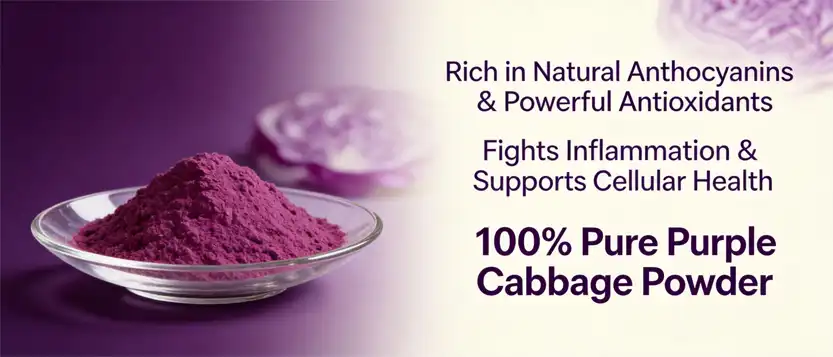
Understanding Purple Cabbage Powder: Nutritional Profile and Health Benefits
Concentrated cabbage extract formulas are very useful for manufacturers who want to use ingredients that are high in nutrients. Advanced plant extraction methods are used to carefully process this herbal element. This keeps its bioactive chemicals while making the product more stable and extending its shelf life.
Rich Anthocyanin Content and Antioxidant Properties
Anthocyanins, potent antioxidants responsible for the unique dark purple to purplish-black colour of high-quality Purple cabbage powder, are the main active ingredients. The flavonoid family includes these compounds, which have been studied a lot for their ability to protect cells. A common 10:1 concentration ratio means that 10 kg of raw veggie material makes 1 kg of powder. This means that powder is much more powerful than whole food sources. This concentration gives people who make products a cheap way to get meaningful antioxidant amounts into smaller doses. Anthocyanins are good for your heart health, your brain, and your cells' defences against oxidative stress, according to research. This makes them useful for nutritional products aimed at health-conscious people.
Comprehensive Nutritional Composition
Along with anthocyanins, this ingredient has vitamins C and K, which help the immune system and keep blood clotting properly. The concentrated version keeps the fibre, which backs up claims that finished products are good for gut health. Minerals like potassium, calcium, and iron are present, but the amounts depend on how the minerals were extracted. When it comes to antioxidant power, as measured by ORAC values, Purple cabbage powder is better than other vegetable powders like kale or beetroot extract. The smell of fresh vegetables is a sign that they were processed properly, which keeps the volatile beneficial compounds intact instead of breaking them down through too much heat.
Testing and Quality Verification Standards
Thin-Layer Chromatography (TLC), which confirms the presence and concentration of target compounds, is one of the strictest tests that professional-grade ingredients go through. When procurement teams compare source choices, this analytical method gives them quality measures that can be checked. Products that meet foreign qualifications like ISO9001, Kosher, Halal, FDA compliance, and GMP standards show that the company is dedicated to making the best products possible. These credentials are very important when making products for global markets with different rules and regulations. They lower the risk of not following the rules for importers and distributors.
Application and Usage of Purple Cabbage Powder in B2B Markets
Due to its flexibility, concentrated cabbage extract can be used in many different industries, from useful foods to cosmetics. Knowing the best conditions for using an item helps people who make products get the most out of it while keeping costs low.
Dietary Supplements and Functional Foods
To use its natural antioxidant properties, formulators put this ingredient into capsules, tablets, and powder blends. Dietary supplements usually have between 200 and 500 mg of an ingredient per dose, but exact amounts depend on the health claims they are trying to make and the goals of their preparation. Anthocyanins are water-soluble, which makes them very bioavailable when they are eaten. This increases the useful value for end users. Product designers who make meal replacements or nutritional bars use this element because it adds the vegetable-based nutrients that people want. The clean-label appeal addresses the growing market resistance to synthetic additives, putting products in a good position with health-conscious consumers. This botanical extract fits well with evidence-based marketing strategies for brands that want to boost the immune system, provide antioxidants, or promote overall health.
Beverage Industry Applications
Purple cabbage powder has both practical and aesthetic benefits in the beverage industry, which is a rapidly expanding application area. This natural colourant is used to make smoothie mixes, protein shakes, and healthy drinks that look great. Because the element reacts to pH, its colour changes depending on the manufacturing environment. It looks redder in acidic conditions and bluer-purple in neutral to alkaline ones. This trait makes it possible for creative products to stand out in the highly competitive drinking market. The recommended amounts are usually between 0.1 and 0.5% of the total weight of the formulation. This gives the formulation an obvious colour change without overpowering the flavour profiles. The mild vegetable note goes especially well with fruit-based drinks, mixing easily into mixed berry or tropical drinks.
Natural Colorant for Food Manufacturing
Manufacturers are more interested in plant-based options than synthetic colours because of regulatory pressure against them. If you're in Europe, purple cabbage extract, which is called E163, is a safe and heat-resistant way to colour pasta, candy, baked goods, and snacks. Some natural colourants break down quickly when they are processed, but anthocyanins from cabbage stay mostly stable when they are made in the usual way. The dark purple to purplish-black powder lets makers make a wide range of colours, from light lavender to deep purple, based on how much they use. When there are a lot of products in a category, this flexibility helps brands stand out because visual appeal is what makes people buy.
Cosmetics and Personal Care Formulations
To meet customer demand for naturally produced cosmetics, more and more skincare products are using antioxidant-rich plant extracts. As anthocyanins have anti-inflammatory properties, this ingredient can be used in products that aim to improve skin health and look younger. In cosmetics, the usual absorption rates are between 0.5 and 2%, but this depends on the type of product and where it is applied. The fact that it dissolves in water makes it easier to mix into serums, lotions, and masks. Brands that focus on plant-based beauty routines find that cabbage extract fits with their clean beauty and sustainable sourcing strategies.
Storage and Quality Maintenance Protocols
The security and shelf life of ingredients are directly affected by how they are stored. Purple cabbage powder needs to be kept cool and dry, and out of the way of sunlight, which can break down the anthocyanins over time. When kept at temperatures below 25°C and relative humidity below 60%, sealed 25 kg drums offer the best protection. When these things happen, good makers promise that the product will last for 24 months after it was made. Purchasing teams should set up methods for rotating inventory so that the oldest stock moves through production processes before it goes bad. Checking the quality of stored materials on a regular basis helps find any damage before it affects the performance of the finished product.
Comparing Purple Cabbage Powder Options for Procurement Decisions
For strategic sourcing to work, many things that affect the long-term performance of the supply chain must be carefully considered. The people who work in procurement have to find a mix between quality standards and price limits while also making sure that suppliers can be trusted.
Organic Certification Considerations
The higher price of organic Purple cabbage powder is usually due to the higher costs of production and keeping the certification up to date. Brands that sell their products in natural and organic stores often need certified organic ingredients to keep the integrity of their products. The approval helps with marketing, and stores that prioritise organic products may make it easier to find a spot on the shelf. Non-organic options are cheaper, which makes them good for standard product lines or uses where being organic doesn't add much value for the customer. When figuring out what certifications their supply standards need, procurement teams should think about what the target market wants and how sensitive they are to price.
Quality Differentiation Factors
Several technical factors show that different provider choices have different levels of quality. The concentration ratio, which can be checked with TLC, is an objective way to measure quality. For example, a 10:1 extract has a lot more active chemicals than options with lower concentrations. Proper manufacturing controls can be seen in things like uniform colour and the right spread of particle sizes. The smell of fresh vegetables suggests that they were processed gently, which keeps the flammable chemicals. The ease of formulation is affected by how well the material dissolves in water. High-quality materials dissolve easily in water without leaving behind too much sediment. Full certification files show how well the products are made and that they follow all the rules that are needed for foreign shipping.
Powder Format Advantages Over Fresh Material
When compared to fresh cabbage, the concentrated powder form has many practical and transportation benefits. Longer shelf life keeps food from going bad, which is important for global supply chains with long travel times. Less weight and bulk mean less storage room and less money spent on shipping. Standardised composition makes it possible for formulations to work the same way every time, but the nutrients in fresh produce change a lot depending on how it was grown and when it was picked. The ease factor makes planning production easier because it gets rid of the need for preparation steps when processing fresh veggies.
Pricing Evaluation and Bulk Purchase Terms
Depending on certification status, order amount, and seller terms, the price of quality Purple cabbage powder with a 10:1 concentration on the market currently runs from $15 to $35 per kilogram. When you buy in bulk, you can often get big discounts on the price per unit. But buying teams have to weigh the volume promises against the costs of keeping stockpiles and the products' shelf life. Different suppliers have different minimum order amounts. Some high-end makers may be able to work with as little as 1 kg for testing reasons, but production orders usually start at 25 kg increments to match standard drum packing. Private label services are useful for brands that want to customise their packaging but don't want to invest in their own manufacturing facilities.
Sourcing Purple Cabbage Powder for Global B2B Procurement
To build trusting relationships with suppliers, you need to carefully evaluate them and make sure they understand your technology needs. Professional methods to buying cut down on supply problems and improve the total cost of ownership.
Supplier Certification and Production Capacity Assessment
Qualified providers keep a full set of certifications that show they follow quality systems and know how to make things. ISO9001 certification means that quality management systems have been in place for a while and have clear procedures and ways to keep improving. Food safety certifications like GMP and HACCP show organised ways to stop contamination and manage risks. Religious licenses, like Kosher and Halal, make it easier for finished goods that are aimed at certain groups of people to get into markets. By checking the production ability, suppliers can make sure they can meet present needs while also being able to grow with the business. Manufacturers who keep enough stock on hand and can deliver quickly can avoid supply chain problems that mess up production schedules.
Bulk Purchasing and Logistics Management
Procurement strategies that work well match order numbers with expected production levels and keep the right amount of safety stock on hand. Standard 25 kg drum packaging strikes a mix between ease of handling and space-saving storage. During negotiations, procurement teams should be clear about delivery terms. FOB (Free on Board), CIF (Cost, Insurance, and Freight), and DDP (Delivered Duty Paid) terms all have different effects on how to figure out the total landing cost. Misunderstandings that cost a lot of money can be avoided by knowing who is responsible for shipping, insurance, and clearing customs. Express shipping is best for pressing small-volume needs, air freight is the best mix of speed and cost for medium-volume needs, and sea freight is the best value for big container shipments, even though it takes longer to get there.
Transit Condition Management and Quality Preservation
To keep the quality of a product while it's being shipped internationally, everyone in the supply chain needs to pay attention to the environment. Extreme temperatures and high or low humidity during transport can lower the anthocyanin content and change the properties of the powder. Asking for the right packing materials and asking for desiccant to be included helps protect the purity of the product. Setting clear standards for quality acceptance and checking materials during incoming inspection makes sure they meet specs before they go into production. Creating backup suppliers gives you options in case your main sources go down, which makes the whole supply chain more resilient.
Sourcing Channel Comparison
B2B procurement teams can get in touch with suppliers in several different ways, each of which has its own benefits. Online B2B platforms let buyers see a lot of suppliers and make it easier to compare prices, but it takes work to make sure the quality of the products. When you work directly with a manufacturer, you can usually get better prices and more customisation options. You can also get expert help more quickly. Trading companies offer consolidation services that are useful when you need to get a lot of different ingredients. However, they charge fees for being an intermediary. When judging providers based in China, where there is a lot of production capacity, you need to look at their quality processes and how well they can communicate. Consistent ordering patterns, clear sharing of specifications, and a shared commitment to quality standards are all important for long-term relationships to work.

Future Trends and Market Outlook for Purple Cabbage Powder in Superfoods
When procurement workers understand how markets work, they can make decisions that will help their companies stay competitive as shoppers' tastes change.
Plant-Based and Vegan Product Expansion
More and more people are switching to plant-based diets, which increases the need for ingredients that come from vegetables in food, drinks, and supplements. With a 100% plant origin and no animal-derived processing aids, Purple cabbage powder is a perfect fit for this movement. Vegan people actively look for products that contain whole foods instead of synthetic isolates. Market studies show that this group of people is very loyal to brands that share their values and is willing to pay more for goods that meet ethical standards. This growing group of customers is worth more to suppliers who offer organic approval and clear buying practices.
Innovation in Personalized Nutrition
New approaches to personalised nutrition make it possible to make special formulas that target specific health problems or genetic profiles. Anthocyanin-rich ingredients help with brain health, heart health, and reducing inflammation, all of which are important in precision wellness programs. Product designers who are making targeted supplement protocols, like how concentrated botanical extracts let them change the nutrient profiles to fit their needs. This trend favours sellers who sell ingredients and also offer technical help and formulation consultation services.
Research and Development Driving Novel Applications
Scientists are still finding out more about the functions of anthocyanins and other phytonutrients found in purple cabbage. New formulation ideas come from recent research that looks into how gut bacteria interact with metabolic health effects and skin protection processes. As new studies come out to back up new health claims, suppliers who keep up with them can place their ingredients in a way that benefits them. Suppliers who share technical literature and application ideas based on the newest scientific results are good for product developers.
Sustainability and Supply Chain Transparency
Environmental sustainability is important to both consumers and regulators, and this affects how the health business buys things. Suppliers who use responsible farming methods, resources efficiently, and implement trash reduction programs have an edge over their competitors. Traceability systems that let brands tell consumers where their ingredients come from build trust with customers and help with expensive branding. Along with traditional quality and cost criteria, procurement teams should look at a potential partner's sustainability credentials.
Conclusion
For companies making superfood products for health-conscious customers, Purple cabbage powder is a valuable ingredient from a strategic standpoint. The strong anthocyanin content, clean-label appeal, natural colouring properties, and wide range of possible uses make this ingredient very valuable in many different types of products. To do a good job of procurement, you need to find a balance between quality standards that can be proven through proper testing methods and cost and source reliability factors. Building partnerships with licensed producers who offer full technical support, flexible order sizes, and dependable operations makes it possible for brands to take advantage of the growing market for plant-based nutrition and natural health goods.
FAQ
1. What is the typical shelf life of concentrated cabbage extract powder?
High-quality purple cabbage powder of high quality usually stays effective for 24 months after it is made if it is kept in the right conditions. Keeping powder in sealed containers below 25°C with controlled humidity protects the anthocyanin content and stops moisture from absorbing and changing the powder's properties. First-in, first-out inventory management should be used by procurement teams to make sure that materials move through production before their quality starts to decline.
2. How can buyers verify organic certification authenticity?
Real organic suppliers give copies of certificates given by well-known certification groups that can be linked to specific production batches. Verification includes checking the state of the certifier's accreditation and comparing the details of the certificate with the package paperwork. Reputable manufacturers are open to audits and keep clear records to back up their certification claims. This gives procurement teams confidence that the regulations are being followed.
3. What dosage levels work effectively in supplement formulations?
In dietary supplements, the recommended inclusion rates are usually between 200 mg and 500 mg per dose. However, the best amounts rely on the health claims being made and the general formulation context. When making premium supplement lines, people who make the products should look at legal advice that is specific to their markets and think about doing bioavailability studies to back up claims of effectiveness.
Partner with BioSpark for Premium Purple Cabbage Powder Supply
For health supplement brands, nutraceutical companies, and wellness product distributors worldwide, BioSpark (Xi'an) Biotechnology Co., Ltd. specialises in producing high-quality Purple cabbage powder. Our high-tech plant extraction method consistently creates 10:1 concentration ratios that are confirmed by thorough TLC testing. This ensures that every batch gives your products the anthocyanin content they need. We offer the quality assurance that international markets need with a wide range of certifications, such as ISO9001, Kosher, Halal, FDA, and GMP. Our flexible OEM/ODM services can meet your needs, whether you need to customise a small amount or make a lot of products. We offer low wholesale prices and reliable global delivery. Get in touch with our purchasing team at leao@biosparkcn.com to talk about how our services as a Purple cabbage powder seller can help your line of superfoods.
References
1. Wallace, T.C., & Giusti, M.M. (2019). Anthocyanins in Health and Disease. CRC Press, Taylor & Francis Group.
2. Khoo, H.E., Azlan, A., Tang, S.T., & Lim, S.M. (2017). Anthocyanidins and anthocyanins: colored pigments as food, pharmaceutical ingredients, and the potential health benefits. Food & Nutrition Research, 61(1), 1361779.
3. Pojer, E., Mattivi, F., Johnson, D., & Stockley, C.S. (2013). The case for anthocyanin consumption to promote human health: A review. Comprehensive Reviews in Food Science and Food Safety, 12(5), 483-508.
4. Wrolstad, R.E., & Culver, C.A. (2012). Alternatives to those artificial FD&C food colorants. Annual Review of Food Science and Technology, 3, 59-77.
5. Mattioli, R., Francioso, A., Mosca, L., & Silva, P. (2020). Anthocyanins: A comprehensive review of their chemical properties and health effects on cardiovascular and neurodegenerative diseases. Molecules, 25(17), 3809.
6. Sigurdson, G.T., Tang, P., & Giusti, M.M. (2017). Natural colorants: Food colorants from natural sources. Annual Review of Food Science and Technology, 8, 261-280.

Send Inquiry
Related Industry Knowledge
- Is Snow Lotus Powder Suitable for Dietary Supplement Products?
- Is Coconut Milk Extract Powder More Cost-Effective Than Canned?
- Coconut Milk Extract Powder: The Ultimate Plant-Based Dairy Swap
- Coconut Milk Extract Powder: The Ultimate Plant-Based Dairy Swap
- Is Coconut Milk Extract Powder More Cost-Effective Than Canned?
- Is Coconut Milk Extract Powder More Cost-Effective Than Canned?
- Coconut Milk Extract Powder: The Ultimate Plant-Based Dairy Swap
- Is Coconut Milk Extract Powder More Cost-Effective Than Canned?
- Coconut Milk Extract Powder: The Ultimate Plant-Based Dairy Swap
- Is Coconut Milk Extract Powder More Cost-Effective Than Canned?
- Coconut Milk Extract Powder: The Ultimate Plant-Based Dairy Swap
- Coconut Milk Extract Powder: The Ultimate Plant-Based Dairy Swap
- Is Coconut Milk Extract Powder More Cost-Effective Than Canned?
- Coconut Milk Extract Powder: The Ultimate Plant-Based Dairy Swap
- Is Coconut Milk Extract Powder More Cost-Effective Than Canned?
- Is Coconut Milk Extract Powder More Cost-Effective Than Canned?
- Coconut Milk Extract Powder: The Ultimate Plant-Based Dairy Swap
- Is Coconut Milk Extract Powder More Cost-Effective Than Canned?
- Is Coconut Milk Extract Powder More Cost-Effective Than Canned?
- Coconut Milk Extract Powder: The Ultimate Plant-Based Dairy Swap
- What Makes Egg Yolk Fruit Powder So Popular in 2026?
- Could American Ginseng Extract Powder Boost Energy Naturally?
- Can Hydrolyzed Rice Extract Reduce Skin Dullness Effectively?
- Why Is Red Bean Extract Used in Traditional Medicine?
- How Effective Is Pomegranate Seed Extract Powder for Health?
- How Rhizoma Chuanxiong Extract Relieves Headaches?
- Does Konjac Flour Extract Reduce Cholesterol Levels?