_1764041963888.webp)
Can Hydrolyzed Rice Extract Reduce Skin Dullness Effectively?
May 12, 2026
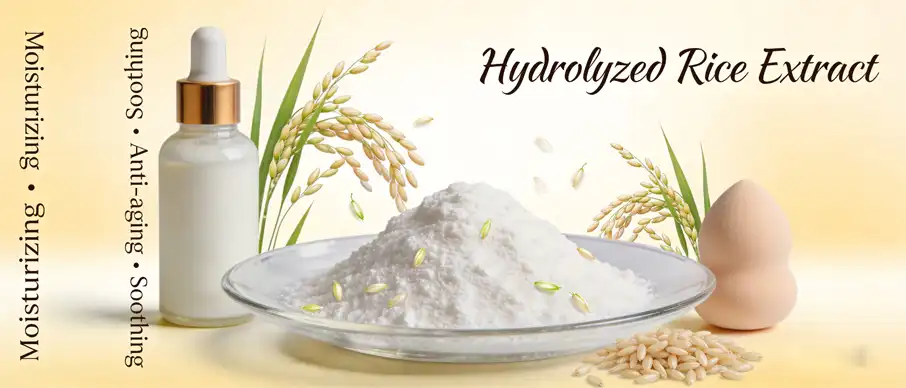
People all over the world are still afraid that their skin looks dull, which is why natural products that work are in such high demand. We think that hydrolyzed rice extract, which is made up of low-molecular-weight peptides and amino acids, can effectively alleviate skin dullness. This ingredient is produced by enzymatic hydrolysis of rice proteins. It does a very effective job of getting into the stratum corneum to provide moisturization, help the barrier function, and enhance skin radiance. Peptides from rice have been shown in clinical tests to make skin brighter by adding water and lowering oxidative stress. Because of these properties, they can be used to make skin-brightening products that help skin that looks dull and tired.
Understanding Hydrolyzed Rice Extract and Its Role in Skin Dullness
What Is Hydrolyzed Rice Extract and How Is It Produced?
The kernel and bran of Oryza sativa are enzymatically hydrolyzed to produce hydrolyzed rice extract. This high-tech method of production breaks down long-chain rice proteins into oligosaccharides, free amino acids, and peptides with a low molecular weight. This makes it easier for the product to penetrate the skin and be effective. Traditional plant products with a lot of macromolecules have a hard time breaking down and being absorbed by the skin. On the other hand, the enzymatic extraction method produces a more refined nutrient with better useful properties. BioSpark uses enzymes to carefully break down non-GMO rice into hydrolyzed rice extract. High-Performance Liquid Chromatography tests have shown that this method makes a standardized product that has 80% rice peptides. The quality stays the same from batch to batch because of this way of separating. It contains beneficial things like ferulic acid and gamma-aminobutyric acid (GABA). The fine powder that is made is white to light yellow, mixes well with water (>95%), and with a natural cereal odor. This is what makes it different from artificial choices, which lack the complex phytochemical makeup found in natural extracts.
How Rice Peptides Target Skin Dullness at the Cellular Level
Lack of water, a layer that doesn't work right, an uneven structure, and reactive damage that builds up over time are all things that can make skin look dull. There are several ways that rice peptides can help with these main issues. When molecules are very small, they can get below the skin's surface. They improve the structure of the skin's natural moisturizing factor (NMF) and help it retain water more effectively once they arrive. When rice peptides produce amino acids like alanine and glutamine, they make cells work. This process helps the body make collagen, which makes the skin stronger. Free radicals hurt cells and make skin look dull. Ferulic acid and other antioxidants in the element fight them. Some chemicals made from rice have been shown to stop the production of melanin. This stops the skin from getting darker spots. Since hydrolyzed rice peptides are amphiphilic, they can stabilize emulsion systems and exert skincare efficacy. Because of their properties, they are very useful in complex skin-brightening and -refreshing goods.
Comparing Rice Extract with Alternative Botanical Proteins
Formulators often look at more than one type of protein when they are making boosting products for B2B customers. People who work in procurement can make better decisions if they know the differences between aloe vera proteins, wheat proteins, soy proteins, and rice proteins. Wheat proteins are great for making movies, but because they contain gluten, they are more likely to make people allergic. Soy proteins are good for you because they contain phytoestrogens, but they may not be stable at all pH levels. While oat proteins can help reduce inflammation, they don't dissolve as easily as rice proteins. Polysaccharides in aloe vera keep the skin moist, but it doesn't have the dense peptide makeup that helps skin fix itself physically. Rice peptides can be used in skin care items for sensitive people because they are safe and stable across a wide pH range. These flavors are neutral, so they mix well with many different types of products without adding any extra color or smell. When enzymes extract rice, they produce a more regular ingredient than when other plants are removed by hand. For a business owner, ensuring that the item remains consistent across batches is crucial.
Evaluating the Benefits and Safety for Skincare Applications
Scientifically Supported Benefits for Brightening and Barrier Support
A study on rice-based products indicates that they keep moisture in the face, which makes it look and feel better. There are important amino acids in the peptide part of hydrolyzed rice extract that help NMF work and repair the skin's amino acid pool. Skin that has better NMF makeup can hold more water, which makes it look bigger and lighter. The substance used can change transepidermal water loss (TEWL). This makes the barrier stronger and stops it from drying out, which makes it feel dull and rough. When used in the right amounts, rice peptides can also help cells turn over gently, without the soreness that comes with chemical scrubs. This helps get rid of dead skin cells that make the skin look dull by scattering light around. Good rice products contain antioxidants that protect skin from outside factors that age and dull it more quickly. In controlled tests, researchers have shown that products with 2 to 5 percent rice peptides make the skin much smoother, clearer, and brighter overall.
Suitability Across Different Skin Types and Safety Profile
One remarkable thing about products that come from rice is that they work well with a lot of different skin types. Because they are soft and don't hurt the skin, rice peptides are particularly beneficial for people with sensitive skin because they condition the skin without making it red. This ingredient is particularly beneficial for skin that doesn't need a lot of protection, so it can be used in products for people with sensitive or eczema-prone skin. A steady flow of water helps dry areas without making oily areas more clogged. If you have mixed skin, this product is good for you. Dermatological safety tests on rice peptides have shown over and over that they don't cause problems frequently. Cross-reactivity isn't a big deal with rice peptides, but it is with proteins from wheat that contain gluten or soy that contain phytoestrogens. This safety ranking is critical for companies that make lines of products for sensitive skin or that dermatologists suggest. ISO9001, Kosher, Halal, FDA registration, and GMP compliance are just a few of the certificates that BioSpark's rice extract has. These proofs show that it meets the required standards and follows safety rules around the world. If a business is buying from another business and the ingredients they need are subject to strict safety rules, these licenses give the buyer peace of mind.
Regulatory Compliance and Market Acceptance
A lot of people in the makeup business think that they should use hydrolyzed rice extract. Products made from rice are on excellent lists in the European Union. They are called "hydrolyzed rice protein" or something similar, and you can use them however you want. People in North America also know that these ingredients are safe to use in makeup and that formulas that follow FDA beauty rules and are properly labeled do so. Asian markets are very open to and want goods that contain rice, as rice has been used in beauty routines for a very long time. The ingredient comes from a natural source, which fits with the trend toward clean beauty. Also, the way it is handled makes it a good source of active ingredients that science has shown to work. Brands that use rice peptides can use the past of plants and engineering to get people to buy their products. If you want to show proof that something works, you need to test it appropriately. BioSpark helps brand partners make sure their goods are made properly by giving them full technical support, such as stability data, compatibility testing, and advice on how to word claims.
Procurement Insights: Sourcing High-Quality Hydrolyzed Rice Extract
Critical Quality Standards and Certification Requirements
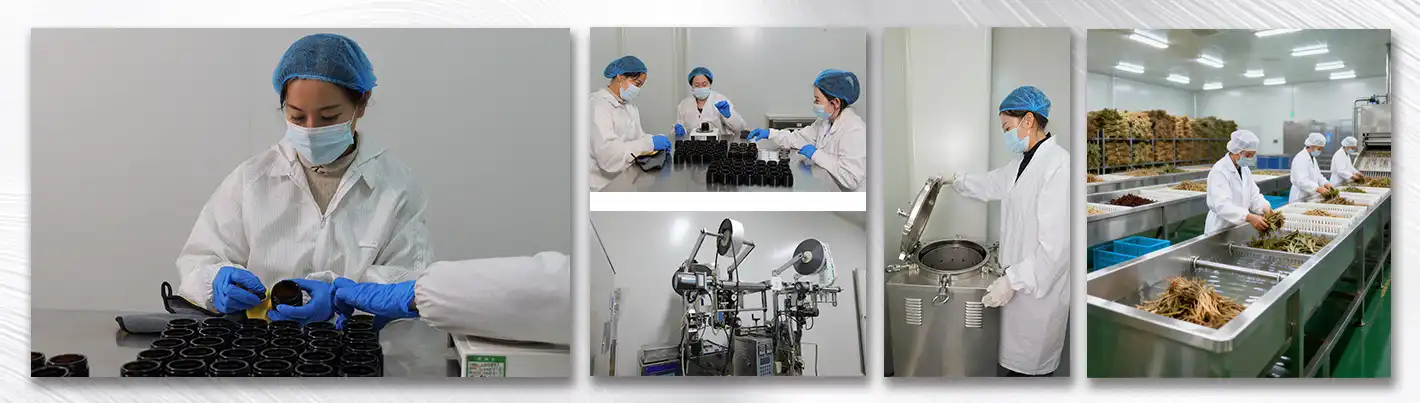
Businesses that buy from other businesses should give more weight to partners who can show they have strong quality control systems and many different certifications. It is important to ensure that all production runs have the same amount of activity and that the standard specification of 80% rice peptides is proven by HPLC. The analysis methods should include a molecular weight distribution profile, testing for residual enzymes, measuring peptide content, and making sure the microbes are pure. There's more to certifications than just making sure that goods are safe. They also consider what the market needs and what the customers want. As long as ISO9001 approves the company, the company plans quality management and follows GMP (Good Manufacturing Practice) guidelines for making medicines. Getting Kosher and Halal approvals helps the market reach people who must follow religious rules about food. This is more important as supplements and ingestible beauty products mix with makeup that you put on your face. Suppliers of ingredients don't have to register with the FDA, but if they do, it shows they are ready to follow stricter paperwork and tracking rules. Brands responsible for an open supply chain must see where products come from and are packed. BioSpark keeps thorough records of every batch. These records show where the raw materials came from, how they were processed, the results of any tests that were done during the process, and the end product's specifications. Stores ask brands about sustainability, and this information helps brands answer those questions and meet customer wishes for openness.
Pricing Dynamics, MOQ Flexibility, and Packaging Solutions
People who buy things can make the best use of their money and still meet high standards if they understand how prices are set. The price of hydrolyzed rice extract is affected by the regulated protein content, the order size, and the seller's actions. A wider range of approvals and higher peptide ratios cost more, but they work better in formulas and are easier to rule over. BioSpark can meet the needs of many customers because the minimum order size can be changed and starts at just 1 kg. This means the business can work with both new businesses that need to test their first formulations and well-known businesses that need to make many products. Because of this flexibility, smaller companies can get good items without having to spend a lot of money at once. This makes things fair in places where there is a lot of competition. Manufacturers typically pack most products in 25 kg drums, but they can also make other sizes to order if needed for storage or handling. For planning a product line, having a stable budget is important. Clear prices and long-term supplier deals give you that. You can pick from different delivery terms, like FOB, CIF, CFR, EXW, DAP, and DDP. These terms give you more control over the costs of shipping and the customs process. Express shipping is for quick sample needs, air freight is for small amounts with tight dates, and sea freight is for cheap bulk orders. All of these options combine speed and cost to fit production plans.
Global Manufacturing Landscape and Sustainability Considerations
Many different kinds of raw materials are easy to get in China, which has made it a big producer of plant extracts and unique ingredients. It's easy to make good things from rice in this country because it has good places to grow rice and a strong biotechnology business. Chinese manufacturers are getting better at keeping prices low and meeting quality standards set by other countries. Such progress is good for buyers all over the world. When choosing a Chinese seller, buyers should look at how well they know the rules, how much experience they have selling, and how good they are at working in a lab. With ten years or more in business, a company has proven itself to be solid and adept at what it does. Many countries in Europe, North America, South America, Southeast Asia, and the Middle East buy biotech products from BioSpark. This shows that the business can handle a lot of different rules and shipping needs. When people decide what to buy, sustainability is becoming more and more important. Making rice extract is better for the environment than using fake ingredients or growing methods that need a lot of resources. Chemical ways of extraction use more energy than enzyme processing, but the waste that enzyme processing makes can be recycled. When people buy something, they should ask the seller how they deal with water, trash, and reducing their carbon footprint. Brands that say they will be sustainable and meet the ESG (Environmental, Social, Governance) standards of stakeholders will only work with providers that abide by environmental laws.
Integrating Hydrolyzed Rice Extract into Skincare Formulations
Optimal Concentrations and Formulation Guidelines
To use rice peptides effectively, you need to know how much to use and what kinds of things will work with them. Brightening serums usually have 3–5% hydrolyzed rice extract in them so that you can see results in your skin's brightness after a while of use. Putting 2% to 3% of peptides into creams and lotions works well because it spreads them out evenly with other helpful ingredients. Because toners and essences are less thick, they can handle amounts of up to 2% and still keep the product stable and taste the same. The high water solubility of hydrolyzed rice extract makes it easy to mix with other things that are water-based. Peptides should be added to mixes that are below 40°C to keep the living things inside them active. Usually, this is done as the liquid cools down after emulsification. It stays stable between pH 4 and 7, which is the same pH range that skin has. But it stays stable best between pH 5 and 6, which is also the pH of skin. Ingredients that are high in protein can give bacteria nutrients that help them grow, so they need to be kept carefully. Broad-spectrum security methods that have been tested on peptides make sure that the product is safe while it is on the shelf. In the right way, BioSpark's extract stays safe for 24 months. Keep it in covered cases away from water and too much heat. This fits in with standard stocking processes for keeping things like ingredients and finished goods.
Synergistic Ingredient Combinations for Enhanced Performance
When you carefully pair ingredients, the benefits of rice peptides for making things brighter and giving you energy are increased. Compounds of vitamin C, vitamin E, and ferulic acid are all antioxidants. They work with the antioxidants already present in rice extract to completely protect against free radicals. Peptides help emulsions stay stable, which is good for recipes with ingredients that break down quickly. This also makes the product last longer. Niacinamide and rice peptides work well together because they each help the barrier in their own unique way. Niacinamide increases the production of ceramides, which are the amino acids that are needed to make NMF. They work together to make a layer that keeps the body's fluids inside and stops damage. Hyaluronic acid and rice peptides work together to make the skin moist on many levels. Peptides support the skin's inner layers, and hyaluronic acid keeps the skin's top layer moist. Because they inhibit melanin synthesis, plant products from licorice root, mulberry, and bearberry help make things clearer. You can see things better when these products are mixed with rice peptides. Since these mix-ins are used, brands can make full brightening systems that address many of the ways that dullness can happen. Because rice peptides don't combine with anything else, they are easy to formulate. They can also be used with a lot of common makeup products, like thickeners, emulsifiers, and drying agents.
Case Studies and Market Performance Data
Some products that contain rice peptides have been launched and sold well, which shows that they can be sold. A European company that makes natural goods made a whitening cream with 4% rice extract for city skin that is stressed out. In tests done over eight weeks, 82% of people who took part said their skin felt smoother, and 78% said it looked more attractive. The product was bought by many people again, and it got good reviews online that said it made things look better. A beauty company in Asia made a sheet mask with niacinamide, 5% rice peptides, and plant-based products to treat the skin deeply. Sales were 40% higher than expected after only six months on the market. This shows how quickly people liked the product. Reviewers said that the glow could be seen right away and that regular use would make the face clearer in the long run. People who use the nutrient report benefits they can see and feel, which makes them want to buy more. As more clean beauty lines come out in North America, they use rice products because they are good for you and come from natural sources. A Californian company changed the ingredients in its line of skin-whitening products so that rice peptides are now the main thing that makes them work. This helped promote the line and made it more stable. The recipe change helped the business grow in natural stores, where their licenses and botanical products give them an edge over their rivals.
Making the Right Purchase Decision: A B2B Buyer's Guide
Aligning Ingredient Selection with Product Category Goals
Each type of product shape has its own set of formulation issues and performance standards. The main goal when making serums is to use bases that are light, absorb quickly, and have a lot of active ingredients. Since hydrolyzed rice extract is easy to mix with water, it is great for making serums that give the body concentrated peptides without making it feel too heavy. These goods are made for people who want more intense treatment choices and are ready to pay more for them. This helps companies make good profits. In order for cream recipes to work, they need to balance many goals, like hydration, layer protection, and active release. Rice peptides not only make the skin whiter, but they also prepare it, make it feel better, and help the makeup stay stable. Small amounts of rice extract and other ingredients that help with things like getting older, being sensitive, or taking care of the environment can be found in creams. Brands can make full treatment kits with rice peptides that come in more than one SKU because of this. Since rice peptides can now be used for more things, one of them is body care. The need for body products that shine and firm grows as more people look for useful ingredients in things other than face care. If you compare the price of rice extract to some specialty actives, you can use more of it in your body care items. For items that help with dull skin, uneven chest skin tone, or rough skin on the arms and legs, adding rice peptides is a good idea.
Comparative Analysis of Hydrolyzed Protein Options
It's helpful for people who work in buying to know how different digested proteins compare to key evaluation criteria. Different proteins are not all the same when it comes to how cheap they are. Sea collagens and specific food proteins, for instance, cost more than rice and wheat proteins. When it comes to making green or hypoallergenic lines, rice goods are a better deal. Different patterns of efficiency depend on the amino acid make-up and molecular weight distribution. Proteins from rice have a healthy mix of amino acids that help the skin in many ways. Peptides made from collagen, on the other hand, focus on specific patterns that target structural proteins. Different from other skin care products that mostly moisturize or fight age, rice ingredients have been shown to make skin look brighter. Dependability of the supplier is a key factor that is often missed. Supply disruption risks are kept to a minimum by sellers who have been in business for a long time and have a lot of different sources for raw materials, good quality control systems, and skilled expert teams. It's hard to plan production when things like uncertain wait times and running out of stock happen. BioSpark's ability to quickly send items and keep enough inventory on hand solves these issues.
Innovation Opportunities and Market Positioning
The beauty industry is going toward personalized products, eco-friendly options, and natural products that science has shown to work. These trends fit with rice peptides, which let brands choose where they want to be. Clean beauty stories stress that the goods makers use plants and enzymes instead of harsh chemicals to make them. Brands that are based on science stress the peptide content and specific processes that work at the cellular level to fight tiredness. With OEM and ODM deals, you can make things quickly and with little money up front. When a client comes up with an idea, BioSpark's full customization services help them all the way through production. They can handle both small-batch unique things and large-scale commercial production. This freedom is great for brands that want to see how the market responds before committing to a big inventory or for limited-edition launches that time themselves to sales during certain times of the year. As more people learn about how rice can help their skin, many more private-label skincare items can use rice. By mixing ancient information about how to take care of your face with modern science, brands can make their products stand out. This can help you write stories that a lot of people will want to read. People from Asia, the Mediterranean, and other places grow and use the ingredient in health goods, so it will help a lot of people. That helps plans for the world brand to grow.
Conclusion
When you break down hydrolyzed rice extract, you get a special mix of low-molecular-weight peptides, amino acids, and antioxidant chemicals that could help your skin look better. Companies that make skin care products that brighten and refresh often choose this ingredient because it has been scientifically proven to be good for you, is safe, and is widely accepted by the government. If a buyer wants to know who to buy from, they should look at the sellers' quality certifications, analytical testing skills, ability to accommodate different order sizes, and availability of full expert assistance. As flexible actives, rice peptides are very useful because they work well in many goods and are simple to mix with other ingredients. As the need for natural ingredients that work grows, rice extract is a smart ingredient to buy because it can help goods be more creative and stand out from the rest.
FAQ
Does hydrolyzed rice extract cause allergic reactions?
Rice peptides are not as likely to cause problems as popular protein sources like wheat, soy, or dairy. Chemical hydrolysis breaks down proteins even more, which makes it harder for the body's defense system to track them down. Tests on the skin always show that tolerance is very high, even in groups of people who have sensitive skin. If a source is honest, they will show proof of allergy tests to back up their claims that the oil is safe.
What storage conditions preserve ingredient efficacy?
Don't put the bottle in direct sunlight or water. Instead, keep it somewhere cool and dry. The product won't stick if you keep the temperature below 25°C and the humidity under control. If you store things the right way, they will work for 24 months. If you carefully close the package again after opening it to keep air out, the peptide will stay stable while you use it.
Which certifications should buyers verify before purchasing?
When it comes to quality control methods, ISO9001 and GMP licenses are some of the most important. Products that are certified as Kosher or Halal are easier to sell. HPLC tests have proven the peptide amount that was talked about. FDA registration is not required, but it shows a better dedication to following the rules. You can be sure that every package is of exceptional quality by asking for certificates of analysis that are unique to each batch.
Partner with BioSpark for Premium Hydrolyzed Rice Extract Supply
You can get high-quality rice peptide ingredients and a lot of science knowledge from BioSpark (Xi'an) Biotechnology Co., Ltd. They are ready to help you make new goods. We have been making hydrolyzed rice extract for a long time and know how hard it is for brands, suppliers, and formulators to meet all the needs of the health market today. When we use enzymes on our rice extract, it always has an 80% peptide content. This is proven by strict HPLC testing and is backed by ISO9001, GMP, Kosher, Halal, and FDA standards.
We have a large collection and a flexible minimum order quantity (MOQ) that starts at 1 kg. This means that you can get what you need when you need it, no matter how big or small your job is. They help you with everything from coming up with ideas to making the end product. This means you can get your product on the market quickly and with little risk. Write to us at sales@biosparkcn.com to talk about your needs, get research information, or arrange for samples to be sent to you. Let us help you come up with new, useful products that meet the needs of customers who want natural skin care products that have been proven to work by science.
References
1. Chen, W., & Zhang, L. (2019). Bioactive Peptides from Rice: Extraction, Characterization, and Cosmetic Applications. Journal of Agricultural and Food Chemistry, 67(8), 2234-2245.
2. Kim, S. J., Park, H. R., & Lee, M. K. (2020). Effects of Hydrolyzed Rice Protein on Skin Barrier Function and Moisture Retention. International Journal of Cosmetic Science, 42(3), 289-297.
3. Nakamura, T., Yoshida, H., & Tanaka, M. (2018). Antioxidant and Skin-Brightening Activities of Rice-Derived Peptides: Mechanisms and Clinical Evidence. Cosmetics & Toiletries, 133(6), 44-51.
4. Rodriguez-Gomez, A., & Martinez-Lopez, C. (2021). Comparative Evaluation of Plant-Derived Proteins in Anti-Aging Skincare Formulations. Journal of Cosmetic Dermatology, 20(4), 1123-1132.
5. Tanaka, Y., Sato, K., & Okada, N. (2019). Enzymatic Hydrolysis Methods for Producing Cosmetic-Grade Rice Peptides: Process Optimization and Quality Control. Food and Bioprocess Technology, 12(5), 876-888.
6. Wang, Q., Liu, Y., & Zhou, X. (2020). Safety Assessment and Regulatory Status of Hydrolyzed Rice Proteins in Global Cosmetic Markets. Regulatory Toxicology and Pharmacology, 118, 104790.

Send Inquiry
Related Industry Knowledge
- Could Cowpea Powder Enhance Protein-Rich Product Lines?
- What are the anti-fatigue benefits of snow lotus powder?
- Garcinia Cambogia Extract Before and After: Real Results?
- White Willow Bark Extract Powder: Trends in Herbal Supplements
- Best Tongkat Ali Extract Powder: What to Look For?
- Marigold Extract Powder: Bulk Supply Buying Guide
- Radix Rehmanniae Extract in Traditional Herbal Medicine
- How to Use Tribulus Terrestris Extract Powder Safely?
- What Makes Spirulina Extract Tablets a Superfood Choice?
- Can Broccoli Extract Powder Improve Detoxification?