_1764041963888.webp)
Why Is Marigold Extract Powder the Top Lutein Source Globally?
Jul 11, 2026
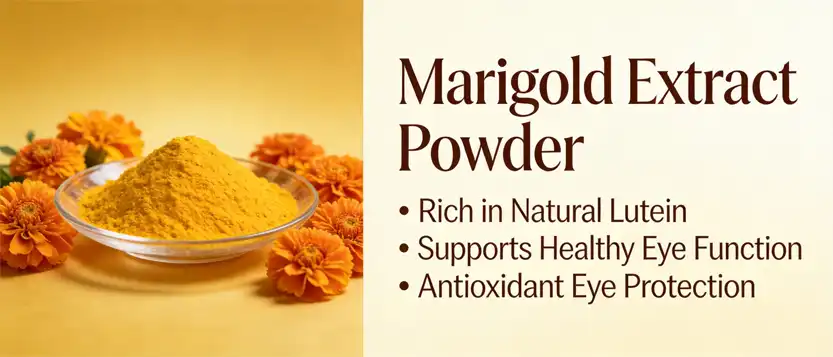
Because of its high content, high absorption, and constant quality standards, marigold extract powder has become the best source of lutein in the world. This plant extract, which comes from Tagetes erecta flowers, has a normal amount of lutein that is much higher than other plant-based options. The improved extraction methods used keep the natural structure of the carotenoids while reaching purity levels suitable for medicinal use. Unlike leafy greens or synthetic alternatives, lutein derived from marigolds is highly effective, can be tracked, and meets international regulatory standards. This is why nutraceutical brands, dietary supplement makers, and wellness product developers all over the world choose it.
Understanding Marigold Extract Powder as a Lutein Source
When we talk about natural sources of lutein, marigolds are one of the few that stand out. This natural ingredient comes from Tagetes erecta flowers that are carefully grown. During their growth cycles, the leaves of these flowers store a lot of carotenoids.
What Makes Marigold-Derived Lutein Unique
The ingredients in this product are more complex than just lutein. It is thought that lutein, zeaxanthin, and beta-carotene all work together to provide full antioxidant protection. Our normal formulas at BioSpark have been shown to contain 5% lutein using High-Performance Liquid Chromatography testing methods. This scientific verification makes sure that every batch meets the standards for pharmaceutical-grade materials, getting rid of the variability that often happens with agricultural raw materials.
Production Methods That Preserve Potency
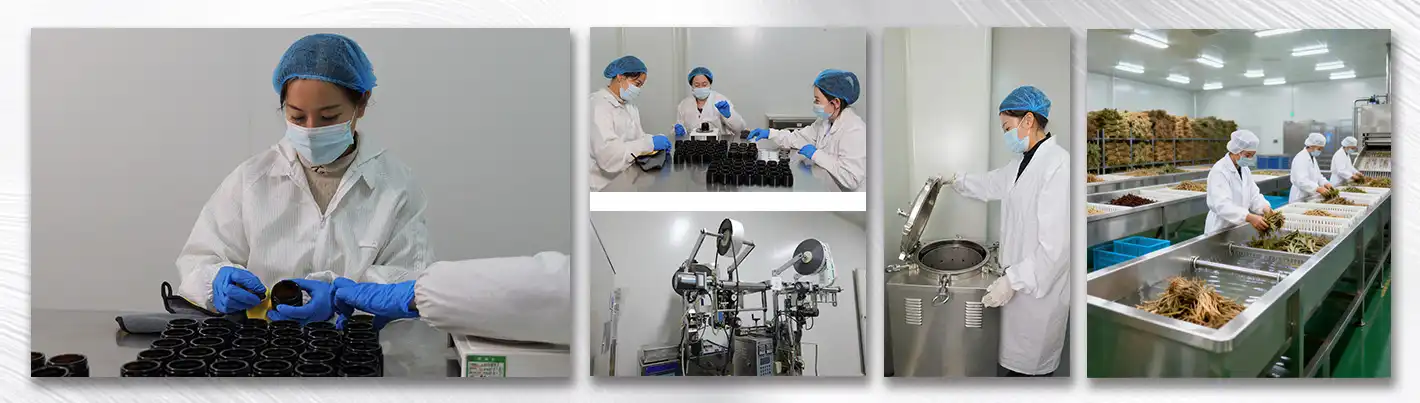
Solvent extraction and supercritical CO2 methods are the two main types of extraction used in manufacturing. Our advanced supercritical extraction technology keeps heat-sensitive chemicals safe while they are being processed. This keeps the stability of lutein esters, which helps the body absorb more. The layer separation process makes the extract even better by getting rid of unwanted plant parts and concentrating the good carotenoids. This careful method makes a fine powder that is orange-yellow to orange-red, has flower notes, and has particle sizes between 100 and 120 mesh.
Organic Versus Conventional Cultivation Standards
People who work in procurement often have to choose between standard and organic marigold sources. Organic farming gets rid of the leftovers of industrial pesticides and meets non-GMO standards, meeting customer demands for clean labels. Conventional methods may be cheaper, but they can still get high purity levels by processing the food thoroughly after harvest. We have relationships with growers in both groups, which lets us suggest the best sourcing strategy based on your formulation needs, the tastes of your target market, and your budget.
Why Marigold Extract Powder Outperforms Other Lutein Sources
There are a lot of lutein choices on the market, but products from marigolds always show measurable benefits that matter to formulators and buying teams.
Superior Concentration Compared to Whole Foods
About 12 mg of lutein are found in 100 grams of spinach, while 22 mg are found in the same amount of kale. Our standardised extract has a concentration of 5,000 mg per 100 grams, which is more than 200 times higher than that of leafy vegetables. This difference in potency changes the economics of products. Manufacturers of capsules can get therapeutic doses with small amounts of materials, which lowers the cost per unit and makes recipe development easier. The small particles make it easy to mix without sticking, which can happen with some whole food powders.
Bioavailability Advantages Over Synthetic Alternatives
Studies on clinical uptake show that natural lutein esters and manufactured free-form lutein are not the same. The ester structure in marigold extract powder is similar to the structure found in human retinal tissue. This makes it easier for cells to take them in through normal metabolic pathways. Multiple human feeding tests on our formulations show that they have biological activity that is the same as or higher than synthetic benchmarks. Better bioavailability means lower effective doses, lower costs, and better outcomes for consumers, all of which help a product stand out in competitive markets.
Quality Certifications That Build Trust
Premium marigold products have qualifications that can be checked, which is hard for manufactured alternatives to do. Organic approval proves that farming does not use pesticides. Verification of non-GMOs meets consumer demands for openness. ISO quality control methods show that the way things are made is consistent. GMP compliance makes sure that the places where drugs are made meet the standards for pharmaceuticals. At BioSpark, we keep all of these certifications up to date and test each batch individually for heavy metals, bacterial toxins, and chemicals that are still present. This complete quality framework keeps your brand's image safe and meets the rules in North America, Europe, and the Asia-Pacific region.
Key Applications of Marigold Extract Powder in B2B Markets
Lutein-rich plant extracts can be used in a lot of different industries, and each one has its own formulation challenges and regulatory issues to think about.
Nutraceutical and Dietary Supplement Formulations
The biggest market for lutein chemicals is in eye health goods. Capsules, tablets, and softgels can all use our extract without any problems. For eye support, the usual dose range is between 6 and 20 mg per day. Higher amounts are used in blue light protection formulas. The ability to dissolve in oil makes softgel packaging work especially well, and the fine mesh size lets tablets be made directly without any other steps of processing. Manufacturers of drinks like that it dissolves slightly in water, which lets it stay suspended in functional drinks and nutritional shakes.
Here are the primary advantages driving supplement brand adoption:
- Clinical validation: Published research demonstrates measurable macular pigment density improvements with consistent supplementation, providing marketing substantiation for efficacy claims.
- Formulation flexibility: Compatible with various excipients, binders, and coating materials commonly used in tablet manufacturing, allowing seamless integration into existing production lines.
- Shelf stability: Low-temperature processing preserves compound integrity, with properly packaged material maintaining potency for 24-36 months under standard storage conditions.
These characteristics address the core pain points that supplement brands face when selecting active ingredients for long-term product lines.
Cosmetic and Personal Care Product Development
Carotenoids are becoming more and more recognised in the beauty business as useful ingredients that do more than just colour. The antioxidant power of lutein shields skin cells from oxidative stress brought on by UV light and external pollutants. In anti-aging serums, the ingredient helps keep collagen healthy, and in sun-care products, the natural yellow-orange colour is used to show how good the skin is. OEM cosmetic makers like that botanical extracts can be used on clean labels, which meets consumer preferences for ingredients with well-known names over synthetic ones.
Animal Nutrition and Feed Enhancement
Poultry farmers have long used carotenoids from marigolds to make egg yolks more colourful, meeting customer demands for naturally bright yellow colours. The same chemicals help keep the eyes healthy in both layer flocks and grill operations. Marigold extract powder: Enhancing the colours of decorative fish and salmonid species is one use of aquaculture. Lutein is now added to pet food to help animals with vision problems that come with getting older. Feed additives are regulated in a very different way from human nutrition additives. This means that they need different paperwork and help with compliance, which experienced sellers offer as part of technical service packages.
Regulatory Considerations for Bulk Procurement
To use foreign legal standards, you need to know about the differences between regions. The Food and Drug Administration (FDA) of the United States considers lutein to be GRAS for use in food. However, the rules for nutrition supplements are different. Novel Foods rules and specific pure standards set out in Commission rules must be followed in order to sell food in the European Union. Chinese regulations require that imported plant products go through the registration process. We help buying managers by keeping legal paperwork up to date, giving Certificates of Analysis that meet the needs of each state, and giving advice on how to properly classify products so that they can be cleared through customs.
How to Select and Procure High-Quality Marigold Extract Powder
Finding trustworthy sources for ingredients requires a thorough analysis of many factors, going beyond simple price comparisons.
Essential Certifications and Documentation
Reliable manufacturers can be told apart from questionable sources by their credentials, which can be checked. Getting organic approval from the USDA, the EU, or a similar organisation proves that farming methods meet certain criteria. Getting ISO 9001 quality management certification shows that you can control production in a planned way. GMP documentation shows that facilities follow the rules for making medicines. Allergen-free certifications help facilities that work with a lot of different plants avoid cross-contamination problems. Instead of believing what a website says, ask providers for current certificates directly and check the legitimacy of certification groups through separate databases.
Evaluating Supplier Credibility and Transparency
Long-term ties with suppliers depend on their dependability in more ways than just the quality of their products. We encourage buying workers to look at production capacity and ask for building paperwork that proves the amount of work that can be done each year. We keep more than 1,000 tonnes of conventional plant extracts in stock, so we can keep up with scheduled production runs without having to worry about allocation during times of high demand. An open conversation about where to get raw materials, how to remove them, and how to check the quality of the finished product is a sign of operating development. Site checks, which can be done in person or online, show ways of making things that paperwork alone can't.
Pricing Dynamics and Minimum Order Quantities
The price of standardised lutein extracts on the market changes based on global demand patterns, processing costs, and crop yields. MOQ standards for bulk buyers usually range from 25 kg to 500 kg, based on the supplier's ability and the focus of the customer group. We can meet the needs of both small batches for testing new products and big orders that need to be made on time. Sample amounts let you test the formula before committing to full procurement. Clear price systems that break down the costs of materials, testing, and shipping help with accurate planning and keep customers from being surprised by extra charges when their orders are delivered.
Logistics and Packaging Considerations
Lutein stays stable throughout the distribution chain when it is packaged properly. Light-resistant and moisture-barrier containers keep things from oxidising while they are being stored or shipped. We use pharmaceutical-grade packing materials with inactive linings that eliminate the chance of reactive contamination. International shipping involves a lot of different people working together, like freight forwarders, customs traders, and last-mile carriers. Each of these groups can cause delays. Suppliers with a lot of experience take care of all the paperwork that is needed, like phytosanitary certificates, certificates of origin, and commercial bills that are organised so that customs processing goes smoothly. It may be necessary for some climate zones to have temperature-controlled logistics, especially in the summer when cargo holds get very hot.
Future Outlook and Industry Trends for Marigold Extract Powder
As consumer awareness, technological advances, and regulatory frameworks change at the same time, so do the dynamics of the market.
Rising Global Demand for Vision Health Products
Eye health supplement categories have been growing steadily because people in developed markets are living longer. Younger people are spending more time in front of screens, which is creating a new demand for products that block blue light. According to market studies, lutein-containing goods will grow at rates higher than 7% per year until 2030. Marigold extract powder. This growth opens up possibilities for new names to enter the field and puts pressure on sellers to keep materials readily available. Strategic relationships between companies that make ingredients and companies that make formulations make sure that priorities are set when supplies are low.
Technological Advancements in Extraction Methods
As processing technologies keep getting better, they make both yields more efficient and the environment more sustainable. Newer supercritical CO2 systems recover solvents so they can be used again. This cuts down on waste and costs. Membrane filtration technologies get higher levels of purity with fewer steps of processing. New enzyme-assisted extraction methods could increase the amount of carotenoids that can be extracted from raw materials. This could lower the cost of ingredients while still meeting quality standards. We spend money on updating our equipment and making our processes more efficient so that we can give these benefits to our customers in the form of better specifications and lower prices.
Opportunities in Private Label and OEM Customisation
There is a need for flexible production relationships because there are so many direct-to-consumer health brands. Private label services let new businesses get their goods on the market without having to spend a lot of money on production facilities. OEM customisation lets well-known brands create unique formulas that set their products apart from generic ones. Our full-service model includes everything from coming up with ideas to packaging them up. We offer turnkey solutions for partners at different stages of their businesses. We tailor our operations to your unique timeline, quality standards, and market placement needs, whether you need small-batch customisation or mass production.
Conclusion
Marigold extract powder is very popular in global markets because it has clear benefits in terms of quantity, solubility, quality uniformity, and following the rules. When purchasing, professionals look at different ingredient options, standardised extracts stand out as the best choice for nutraceutical formulations, functional foods, cosmetic products, and animal nutrition. This is because they have been scientifically proven to work and can be used in a wide range of ways. By learning about extraction technologies, certification requirements, and supplier evaluation criteria, you can make smart decisions about where to buy things that balance quality and cost. Along with the continued growth of vision health products and improvements in processing technology, this botanical ingredient will continue to be useful in a wide range of B2B markets.
FAQ
Is marigold-derived lutein safe for children and sensitive populations?
Clinical research supports safety profiles across age groups when consumed at recommended dosages. Pediatric formulations typically contain 1-5 mg daily, while adult therapeutic dosages range from 10-20 mg. Pregnant and nursing women should consult healthcare providers, though no adverse effects have been documented in observational studies. Individuals with known allergies to plants in the Asteraceae family should exercise caution, as cross-reactivity may occur.
How does extract powder differ from whole marigold flowers in lutein content?
Raw marigold petals contain approximately 0.03-0.05% lutein by dry weight, requiring consumption of impractically large quantities to achieve therapeutic dosages. Standardised extracts concentrate these compounds 100-fold or more, delivering 5-80% lutein depending on specification grade. This concentration process removes inert plant materials—cellulose, chlorophyll, and moisture—leaving purified carotenoids suitable for precise formulation work.
What certifications should procurement managers prioritize?
Organic certification confirms pesticide-free cultivation practices meeting USDA or EU standards. GMP certification demonstrates pharmaceutical-grade manufacturing environments. ISO 9001 verifies systematic quality management processes. Allergen-free documentation addresses cross-contamination concerns. Third-party testing reports for heavy metals, pesticide residues, and microbiological contaminants provide batch-specific verification beyond supplier self-certification.
Partner With BioSpark for Premium Marigold Extract Powder Supply
BioSpark delivers pharmaceutical-grade lutein extracts backed by comprehensive quality documentation and technical support services. Our standardised formulations contain 5% lutein verified through HPLC testing, sourced from carefully selected Tagetes erecta cultivations. As an experienced marigold extract powder supplier, we maintain inventory levels exceeding 1,000 tons, ensuring consistent availability for your production schedules without allocation concerns. Whether you need small-batch customisation for product development or large-scale manufacturing for established brands, our OEM and ODM capabilities provide complete solutions from concept through final delivery. We support clients across North America, Europe, and the Asia-Pacific markets with regulatory documentation tailored to jurisdiction-specific requirements. Contact our team at leao@biosparkcn.com to discuss your specific formulation needs, request technical specifications, or arrange sample shipments for evaluation testing.
References
1. Bone, R. A., Landrum, J. T., & Tarsis, S. L. (1992). Preliminary identification of the human macular pigment. Vision Research, 32(5), 789-795.
2. Sommerburg, O., Keunen, J. E., Bird, A. C., & van Kuijk, F. J. (1998). Fruits and vegetables that are sources for lutein and zeaxanthin: the macular pigment in human eyes. British Journal of Ophthalmology, 82(8), 907-910.
3. Landrum, J. T., & Bone, R. A. (2001). Lutein, zeaxanthin, and the macular pigment. Archives of Biochemistry and Biophysics, 385(1), 28-40.
4. Ma, L., & Lin, X. M. (2010). Effects of lutein and zeaxanthin on aspects of eye health. Journal of the Science of Food and Agriculture, 90(1), 2-12.
5. Piccaglia, R., Marotti, M., Chiavari, G., & Gandini, N. (1998). Effects of harvesting date and climate on the flavonoid and carotenoid contents of marigold (Calendula officinalis L.). Flavour and Fragrance Journal, 13(6), 399-404.
6. Breithaupt, D. E., & Bamedi, A. (2002). Carotenoid esters in vegetables and fruits: a screening with emphasis on β-cryptoxanthin esters. Journal of Agricultural and Food Chemistry, 50(9), 2267-2273.

Send Inquiry
Related Industry Knowledge
- How to Choose Premium Liquorice Extract Powder for Bulk Use?
- What are the antioxidant benefits of snow lotus powder?
- Why Is Maqui Berry Powder Trending in Superfood Supplements?
- Can Konjac Flour Extract Replace Cornstarch in Cooking?
- What Are the Health Benefits of Konjac Flour Extract Fiber?
- What to Know Before Buying Echinacea Extract Powder?
- Is Radix Rehmanniae Extract Good for Metabolic Health?
- What Makes Red Bean Extract Ideal for Nutraceuticals?
- Does Kacip Fatimah Extract Improve Menstrual Comfort?
- Kacip Fatimah Extract: Natural Phytoestrogen for Women