Why Choose Sophora Japonica Flower Extract for Skincare?
Oct 28, 2026
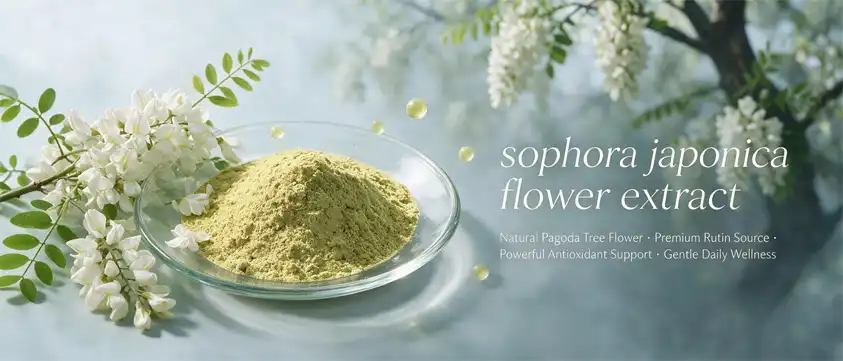
If you're sourcing botanical actives for skincare formulations, Sophora japonica flower extract deserves a serious look. Derived from the dried buds and flowers of the Styphnolobium japonicum tree, this extract is standardized for high concentrations of rutin (quercetin-3-rutinoside) — a bioflavonoid recognized as "Vitamin P" in industrial manufacturing. Its antioxidant, anti-inflammatory, and UV-protective properties make it a strong candidate for anti-aging serums, brightening creams, and sensitive-skin products. For B2B procurement teams evaluating plant-based actives, this guide breaks down what matters most.
Understanding Sophora Japonica Flower Extract and Its Skincare Benefits
What Makes This Extract Biochemically Unique
Sophora japonica flower extract mostly has rutin and quercetin, which is an aglycone of rutin. Both are flavonoids. When collagenase and elastase work together, they break down the muscles that hold the skin together. Because rutin stops them, they don't work. In controlled tests, a 2018 study in the Journal of Cosmetic Dermatology found that skin creams with rutin greatly decreased skin damage from UV light. Since it makes sense from a scientific point of view, they can now add it.
Antioxidant and Anti-Inflammatory Activity
Free radicals can be made by UV light, smoke, and organic wastes that break down. They are taken care of by the extract. Hyaluronidase, an enzyme, can't do its job either. It is found in the skin and breaks down hyaluronic acid. Antioxidants are kept safe, and hyaluronic acid stays in the skin. These two parts work together to keep the skin moist and flexible over time.
Skin Barrier and Tone Benefits
By stopping the production of melanin, rutin has been shown in tests to lighten dark spots. Sophora japonica flower extract also makes the skin's capillaries stronger. This makes the skin less red and more even in tone overall. Since the clean beauty market is growing, OEM skin care brands need to do a better job. These features meet those standards right away.
How Sophora Japonica Flower Extract Addresses Common Skincare Challenges
Formulation teams often tell procurement staff about the same problems over and over: reactions that are too sensitive, a dull tone, loss of hardness, and UV light aging. Through well-known molecular processes, Sophora japonica flower extract addresses all of these issues.
This extract can be bought and used to help with these four main problems: UV-B light breaks down fats in the skin, which is a major cause of photoaging. Rutin can protect keratinocytes from this damage. It has been shown that rutin can stop more than 85% of DPPH radicals when used in the amounts that are common in beauty treatments.- Skin that is red and sensitive all the time: The item stops pro-inflammatory proteins like IL-6 and TNF-α, which makes sensitive skin feel better. It does this without the bad effects that come with hydrocortisone and other chemicals made in a lab.
Skin that isn't even-toned and dark spots: The quercetin in the extract stops tyrosinase activity, which controls who makes melanin. So, it's a good choice for things that make teeth whiter.- Less firm skin: Rutin helps protect the extracellular matrix by stopping collagenase and elastase from working. This smooths out the skin and makes it feel better.
- Oxidative skin damage: Rutin's radical-scavenging activity protects keratinocytes from UV-B-induced lipid peroxidation, a primary driver of photoaging. Studies show rutin's DPPH radical inhibition rate exceeds 85% at standard concentrations used in topical products.
- Chronic skin sensitivity and redness: By inhibiting pro-inflammatory cytokines including IL-6 and TNF-α, the extract calms reactive skin without the side effects associated with synthetic actives like hydrocortisone.
- Uneven skin tone and hyperpigmentation: The extract's quercetin content interferes with tyrosinase activity, which controls melanin production, making it a strong candidate for brightening formulations.
- Loss of skin firmness: Because rutin inhibits collagenase and elastase, regular topical application helps preserve the extracellular matrix, improving skin texture and reducing the appearance of fine lines.
Because of these traits, formulators can make an active ingredient that can do more than one thing at the same time. This means that mixes with more ingredients need less of each. That means the product is made with better materials and costs less to make, which is great for private-label skin care brands.
Comparing Sophora Japonica Flower Extract with Other Botanical Ingredients
Sophora Japonica Extract vs. Isolated Rutin
Quite a few people only use rutin, but the Sophora japonica flower extract has more flavonoids that these people are not getting. The whole flower product has some small flavonoids that work with rutin to make the anti-inflammatory effects last longer in creams and gels. Also, rutin that has been separated is hard to mix with water. This makes it harder to make toners and serums.
Extract Powder vs. Water-Soluble Derivatives
Masks and creams that are oil-based work well with raw extract powder. But troxerutin and other forms of rutin that dissolve in water work better for clear formulations that are based on water. BioSpark has both types so that formulators can choose the best grade for their product without giving up how clear or stable it is.
Blended Botanical Formulas vs. Single-Source Extract
It is easier for quality control teams to keep track of and guess what will happen with sophora japonica flower extract from a single source, even though mixing recipes are more bioactive. When you use HPLC to find an extract from the same source, each batch gives you the same set of chemicals. This is very important for brands that need to follow EU or FDA over-the-counter (OTC) beauty rules.
Quality, Sourcing, and Procurement Considerations for B2B Buyers
Certifications and Testing Standards
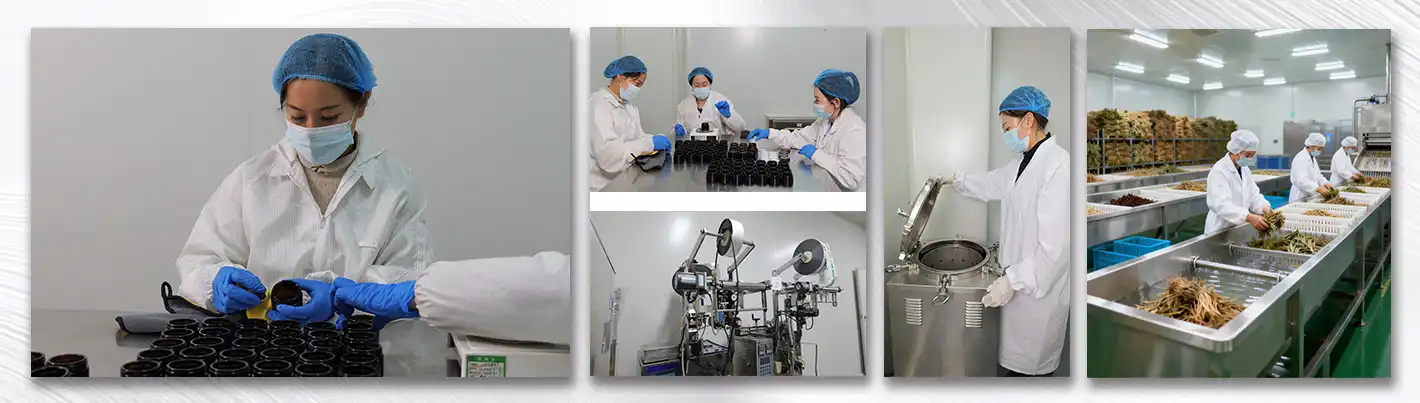
Do some research on the company before you buy sophora japonica flower extract. Make sure they follow GMP, ISO 9001, and have HPLC tests to show that their rutin content is correct. The UV-VIS test finds all the flavonoids, but the results are not as accurate as those from the HPLC test. When the HPLC test is done, it gives the extract a unique chemical fingerprint. Each package should come with an HPLC proof of analysis. BioSpark checks each batch of sophora japonica flower extract using HPLC to make sure the rutin is pure, and the quercetin is at the right amount for medicine.
Storage and Shelf Life Requirements
It doesn't like water or light. Food-grade PE bags should be kept somewhere cool, dark, and dry, and they should be stacked twice inside fiber drums. It can be kept for 24 months the way it is now. Before placing a large order, procurement teams should make sure that all suppliers can meet these storage needs.
Pricing and Volume Flexibility
BioSpark can handle both small-batch customization and large-scale production runs, which makes it useful for both new and old brands. Prices for large orders and contract terms can be found if you ask for them. Get in touch with us to talk about how to meet your business needs while buying in bulk.
Practical Guidelines on Using Sophora Japonica Flower Extract in Skincare Products
Recommended Usage Concentrations
Skincare products can have anywhere from 0.1% to 2.0% by weight of Sophora japonica flower extract added to them, depending on what effect they want to have. Low concentrations are used in soaps and other things that you wash off, but high concentrations are used in serums that fight aging. Always check that the extract works before adding it to a new matrix.
Regulatory Compliance Notes
The FDA and the EU (EC) No. 1223/2009 and its rules both say it can be used in cosmetics. It's not GMO because it comes from traditional farming of plants and doesn't contain any allergens. To separate things, ethanol is used, which is safe for food and clean water. There are no legal problems that would come up during tests of the end product because there are no solvents left over.
Expanded Application Possibilities
Sophora japonica flower extract is useful, too, along with creams and serums. It could be used in products that treat the scalp and make hair grow because it reduces swelling and helps hair grow. It also works well in face masks and eye creams because it strengthens capillaries, which hides dark circles and puffiness under the eyes.
Conclusion
A lot of research has been done on a plant part called Sophora japonica flower extract, which can be used in many ways. It works well in skin care items that make skin look younger, fight aging, and soothe sensitive skin. There are measurable ways that it is good for you because it has a lot of rutin. It's also safe to use as a beauty product around the world. If your business buys from other businesses, this extract lets you make your own formulas and make sure they work well, whether you're making a private-label serum or adding it to an OEM product line. You can be sure that the finished products will do what they say they will do if you choose a service that has been checked out, is GMP-approved, and has been tested in public. Over time, this will also help people trust your brand more.
FAQ
1. What is the difference between rutin and quercetin in this extract?
Rutin is a glycoside form that breaks down more easily in water and works better on the skin to protect blood vessels and arteries. The sugar part is rutin. It is better at lowering inflammation all over the body, but it is more difficult to break down. Most of the time, rutin is better for skin care because it stays firm even when mixed with other things.
2. How do I verify the purity of sophora japonica flower extract?
Your service provider should give you HPLC proof of analysis. The amount of rutin present is the only thing that can be used to make a chemical fingerprint. This chemical mark lets you know if rutin has been changed into quercetin. You can't just use UV-VIS to check if something is safe for use in medicine or makeup.
3. Can this extract be used in water-based formulations?
Water and raw rutin don't mix well. For clear solutions, straxerutin and other rutin derivatives that break down in water are good options. An encapsulation method based on nanotechnology can also be used to make water-based serums and toners easier to get to.
4. Is Sophora japonica flower extract compatible with other actives like niacinamide or vitamin C?
Yes, safe amounts of vitamin C are added. Vitamin C is an antioxidant. To be sure of safety, compatibility tests should be done before acids or peptide combinations are mixed.
5. What solvents are used in the extraction process?
We use food-safe ethanol mixed with clean water to make our products. This method is safe because it meets international safety standards for cosmetics and nutraceuticals. The solvent residues are also safe.
Partner With BioSpark for Certified Sophora Japonica Flower Extract
The BioSpark (Xi'an) Biotechnology Co., Ltd. sells flower extract from the Sophora japonica plant that has been checked for quality by GMP and HPLC. It comes in both powder and water-soluble forms. If you need sophora japonica flower extract, we can ship it on time to the US and other countries around the world, and we accept a variety of order sizes. You can email leao@biosparkcn.com right now to get a sample or find out more.
References
1. Boots, A. W., Haenen, G. R. M. M., & Bast, A. — European Journal of Pharmacology, 2008.
2. Ganeshpurkar, A., & Saluja, A. K. — Saudi Pharmaceutical Journal, 2017.
3. Guardia, T., et al. — Il Farmaco, 2001.
4. Masaki, H. — Journal of Dermatological Science, 2010.
5. Middleton, E., Kandaswami, C., & Theoharides, T. C. — Pharmacological Reviews, 2000.
6. Rodrigues, H. G., et al. — Journal of Cosmetic Dermatology, 2018.

Send Inquiry

Related Industry Knowledge
- Why Choose Liposomal Ferrous Glycinate for Iron Supplements?
- Can Liposomal Zinc Glycinate Improve Zinc Absorption?
- Can Purslane Saponins Support Antioxidant-Focused Products?
- Why Choose Organic Barley Sprout Flour for Healthy Nutrition?
- Maqui Berry Powder for Eye Health: Dry Eye & Retinal Protection
- Maqui Berry Powder for Eye Health: Dry Eye & Retinal Protection
- Maqui Berry Powder for Eye Health: Dry Eye & Retinal Protection
- Maqui Berry Powder for Eye Health: Dry Eye & Retinal Protection
- Maqui Berry Powder for Eye Health: Dry Eye & Retinal Protection
- Maqui Berry Powder for Eye Health: Dry Eye & Retinal Protection
- Maqui Berry Powder for Eye Health: Dry Eye & Retinal Protection
- Maqui Berry Powder for Eye Health: Dry Eye & Retinal Protection
- Maqui Berry Powder for Eye Health: Dry Eye & Retinal Protection
- Maqui Berry Powder for Eye Health: Dry Eye & Retinal Protection
- How does gardenia fruit powder work as a natural sedative?
- Can Mimosa Root Bark Extract Calm Irritated Skin?
- Does Kacip Fatimah Extract Improve Menstrual Comfort?
- Marketing Spirulina Extract Tablets to Health-Focused Consumers
- Is Spirulina Extract Tablet Effective for Weight Support?