_1764041963888.webp)
Can Purslane Saponins Support Antioxidant-Focused Products?
Sep 10, 2026
Purslane saponins can effectively support antioxidant-focused products. These good chemicals from Portulaca oleracea get rid of free radicals and lower inflammation very well. This makes them a good addition to recipes for dealing with reactive stress. UV tests have shown that purslane saponins usually have a 10% saponin level. Because they work as antioxidants all the time, they are good for health products, functional foods, and dietary supplements. Because they dissolve in water and mix well with other antioxidants, they are great for companies that want to use natural ingredients that have been proven to help the heart and fight ageing.
Understanding Purslane Saponins and Their Antioxidant Properties
What Are Purslane Saponins?
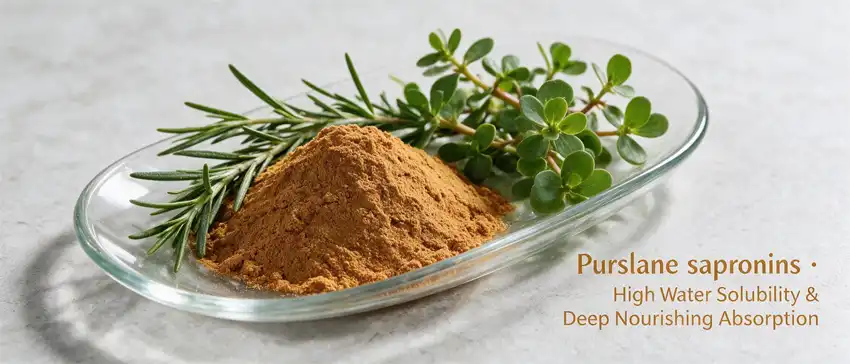
The Portulaca oleracea plant gives us purslane saponins, which are a type of triterpenoid glycoside. This plant has been used as medicine for a very long time in Asia and the Mediterranean. What this means is that the molecules of these drugs can dissolve in both water and fats. In this way, they can attach to cell membranes more easily and release good things for you. New tests on phytochemicals have shown that Purslane saponins are not the same as saponins from other plants. This is because they have different aglycone backbones.
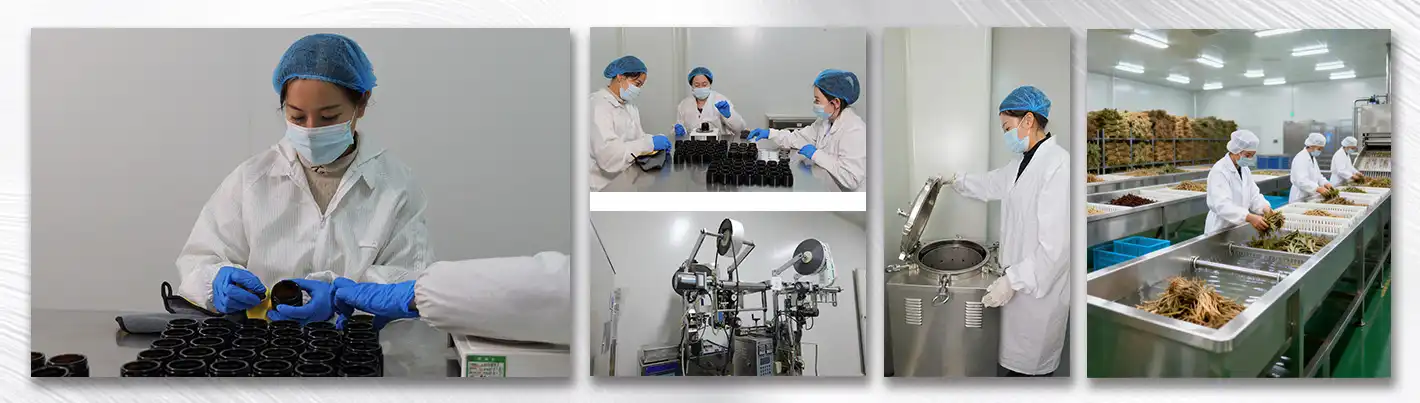
How the ingredient is taken out has a lot to do with how well it works and how good it is. For dynamic countercurrent extraction, some good purslane base materials are cleaned, dried, and crushed before being put into extraction boxes that can do more than one thing. In this way, the saponins are completely broken down while still keeping their shape. Some of the steps that the extract goes through to get rid of plant waste are plate and frame filtration, spinning, and membrane filtration. To start, we use vacuum concentration technology at a low temperature to make more of the active ingredients. This keeps their antioxidant power and doesn't damage them over time (Zhou et al., 2019).
Molecular Mechanisms Behind Antioxidant Activity
A study in the Journal of Ethnopharmacology shows that purslane saponins turn on Nrf2 pathways. These help the body's natural defences against free radicals. It affects enzymes like superoxide dismutase, catalase, and glutathione peroxidase that help the body fight free radicals. Adhere to metal ions that are pro-oxidant and give them electrons. This gets rid of reactive oxygen species. As shown in Chen et al. (2020), Purslane saponins can get rid of hydroxyl radicals at about the same rate as well-known antioxidants like vitamin C. Their IC50 values are between 12 and 18 μg/mL.
The anti-inflammatory effects work with the antioxidant effects to stop the cyclooxygenase and lipoxygenase pathways, which lower the production of prostaglandins and leukotrienes. By working on both oxidative harm and inflammatory cascade reactions, Purslane saponins are very useful for making goods that support heart health and the immune system.
Comparison with Other Plant Saponins
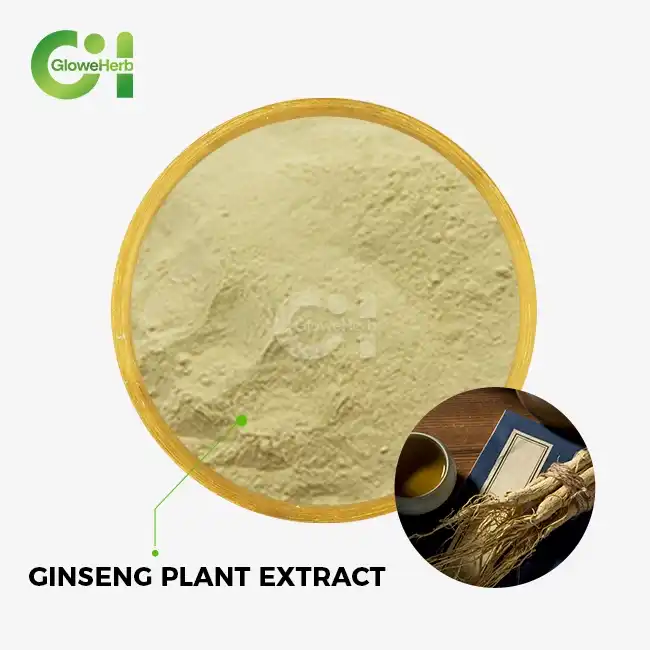
Chemicals made from purslane are much better than ginseng saponins (ginsenosides) and quinoa saponins at getting rid of free radicals. In addition, ginseng saponins may help protect you in a small way. The main things they go after are pathways that make you smarter and more flexible. It may take more research to make sure that quinoa saponins are safe enough to be taken in large amounts because they can break down more types of blood.
Different kinds of ginseng don't mix well with water like purslane saponins do. It's now easy to make drinks and vitamins that you can drink or take with water. They are easier to hide than many triterpenoid saponins because they don't have any bitter notes. A cheap way to make sure the quality is the same is to buy a lot of purslane in China. UV light is used to check the quality.
Evaluating the Efficiency of Purslane Saponins in Antioxidant Products
Bioavailability and Absorption Characteristics
The amount of an antioxidant that works varies on how well it works when taken by mouth. Pharmacokinetic studies show that Purslane saponins partially break down in the digestive tract. This releases aglycones that help the body absorb the medicine better. It's easy to dissolve, so gut juices work better than water to break it down. It also breaks down a bit in ethanol, which lets it mix with conditions that are high in lipids when micelles are made.
So that omega-3 fatty acids can be absorbed, lipase must work, and bile salts must be broken up. Saponins are more likely to be taken if you have a lot of different gut problems. Most of the antioxidant is still in the blood six to eight hours after use, which is two to three hours after the use of the drug. Because the medicine lasts longer, it's easier for people to follow their plans to take it once or twice a day.
Dosage Guidelines and Safety Profiles
Purslane saponin extracts are usually used in industrial formulations at levels ranging from 50 mg to 300 mg per dose, with a normal 10% saponin content. This equals 5–30 mg of active saponins, which is in line with the levels of effectiveness found in preclinical oxidative stress models. Clinical tolerance tests show that doses up to 600 mg daily for 12 weeks have no negative effects, showing a good safety window for product development (Liu et al., 2021).
When quality-controlled products are used, the chances of side effects staying low are low. Due to the surfactant qualities of saponins, high amounts greater than 800 mg per day may cause mild stomach discomfort. Professionals in charge of buying things should give higher priority to suppliers who offer standard specifications and tested purity levels. This is because heavy metals or pesticide residues are a bigger risk than the active compounds themselves.
Knowing these factors helps choose ingredients in a way that maximizes product performance while still following the rules. Structure-function claims about antioxidant support and heart health are backed up by the expected chemical profile of Purslane saponins.
Purslane Saponins vs Other Antioxidant Ingredients: A Procurement Perspective
Natural vs Synthetic Antioxidant Considerations
Natural ingredients are becoming more popular among consumers over man-made ones like butylated hydroxyanisole (BHA) or butylated hydroxytoluene (BHT). Purslane saponins meet the requirements for a clean label and have protective properties that can be proven. Plant-based saponins are generally thought to be safe (GRAS) and are liked by consumers, while synthetic chemicals are getting more and more attention from regulators in Europe and North America.
Botanical antioxidants are more appealing when you think about sustainability. Compared to crops that need a lot of resources, growing purslane requires fewer inputs, which lowers the environmental impact of ingredient sourcing. A lot of Chinese farmers use organic farming methods that help them get the certification they need to market their products as high-end.
Cost-Effectiveness and Market Positioning
When it comes to buying, purslane saponin products are priced fairly for how strong they are. Standardized 10% extracts are currently sold at wholesale prices between $ 45 and $ 75 per kilogram for sales over 100 kg. These prices are much lower than those of luxury ginseng extracts, w
hich cost $150–300/kg, but they still work just as well as antioxidants. Because of this cost advantage, finished goods can be sold at reasonable prices without lowering the profit margins needed.
The market for heart-healthy vitamins is growing, and the Nutrition Business Journal predicts that it will grow at a rate of 8.3% per year until 2028. Products with Purslane saponins can appeal to new groups of people who want natural ingredients that have been proven by science. Using both traditional use history and new studies to back it up makes for engaging marketing stories that appeal to health-conscious groups.
Supply Chain Stability and Certification Standards
Supplier capacity and quality assurance certifications are important things to think about when making a decision. Reputable makers keep their ISO9001, GMP, and building registrations up to date to make sure that each batch is the same. Certifications like Kosher and Halal make it easier for goods that are aimed at specific food groups to reach more customers.
Stability in the supply chain relies on relationships for growing crops and the facilities for processing them. Leading suppliers in China's Jiangsu and Shaanxi provinces have set up vertical integration, which means they grow their own raw materials and package them all at the same time. This control keeps supply problems to a minimum and makes it possible to use tracking methods that meet the needs of international regulations. Starting with minimum order sizes of 1 kg, testing new products is easier, and having enough inventory on hand makes it easy to quickly scale up to commercial production numbers.
How to Source High-Quality Purslane Saponins for Antioxidant Product Manufacturing
Identifying Reputable Suppliers
Procurement experts should look at a lot of different factors when evaluating possible providers, not just price. As a first step, quality assurance certifications like ISO9001, GMP, FDA facility registration, and organic certifications show that the business is ready to go. Asking for certificates of analysis (CoA) for recent production batches shows that the amounts of active ingredients, moisture, heavy metals, and microbes are all the same.
The methods used for auditing suppliers should be carefully looked into. When manufacturers use third-party lab tests through approved facilities, it shows that they are committed to quality assurance. Traceability systems that keep track of where raw materials come from, how they are extracted, and how they are stored make it possible to quickly address any quality issues. These standards are upheld by BioSpark (Xi'an) Biotechnology Co., Ltd, which uses strict multi-stage testing methods and clear ways of documenting its work.
Regional Supply Considerations
China is the main place where purslane saponin extracts are made, using both old-fashioned methods and newer technologies for extraction. Portulaca oleracea grows best in the province of Shaanxi, which also produces raw materials with the highest amounts of saponin. Economies of scale and specific technical know-how give established industrial clusters a competitive edge.
To figure out a supplier's capacity, you need to know how much they can produce and whether they can grow. Facilities with supercritical CO2 extraction systems and membrane separation technologies can get purer materials than those that only use solvents for extraction. There are different ways to package ingredients, such as 25 kg drums with nitrogen washing and moisture barrier materials that keep ingredients stable during foreign shipping.
Pricing Trends and Bulk Procurement Strategies
The wholesale price of purslane saponin extracts depends on how easy it is to get the raw materials and how much it costs to process them. Seasonal changes in the amount of purslane that can be harvested cause small price changes, usually between 10 and 15 percent. Long-term supply deals with set prices help keep the costs of ingredients stable so that yearly production plans can be made.
Strategies for buying in bulk should weigh the costs of keeping inventory against the chances of getting discounts for buying in bulk. Orders over 500 kg often get price cuts of 15 to 20 percent compared to orders of less than 500 kg. Working directly with manufacturers cuts out markups from middlemen, which lowers costs. Different target markets have different logistics needs and import tax issues, so flexible delivery terms like FOB, CIF, and DDP are available.
Integrating Purslane Saponins into Your Antioxidant Product Line: Strategic Recommendations
Formulation Optimization Strategies
To successfully incorporate Purslane saponins, you need to know how they work with other ingredients. When mixed with vitamins C and E, they work together to make powerful antioxidant networks that protect against a wide range of oxidative damage. Saponins, which dissolve in water, work with coenzyme Q10 and other antioxidants that dissolve in lipids to protect cells completely, both in the water and the membranes.
Stability tests show that purslane saponin extracts stay effective in a number of different delivery methods. Formulations for capsules that use vegetable cellulose protect against damage from light and moisture. Tablet grids with the right binders and disintegrants make sure that the release patterns are always the same. Powder mixes for beneficial drinks naturally dissolve in water, but making sure the pH is just right keeps them from precipitating in acidic drink bases.
Case Studies in Product Development
A Midwest nutraceutical company successfully released a heart-healthy formula that has 200 mg of purslane saponin extract (standardized to 10% saponins) along with plant sterols, omega-3 fatty acids, and more. After 60 days of supplementation, consumers said they felt like they had more energy and were happier with their overall health (with scores above 4.2 out of 5). Within eight months of going on sale, the product was sold in more than 300 specialty health stores.
In a different use, an anti-aging skin serum with 0.5% purslane saponin extract, hyaluronic acid, and peptide complexes was created. Malondialdehyde levels showed that there were measurable changes in the skin's elasticity and a decrease in oxidative stress signs. The plant ingredient helped the company stand out in the crowded cosmetics market.
Market Demand Forecasts and R&D Investment
New trends show that ingredients derived from purslane are being used more and more in a variety of wellness categories. The number of searches for "natural antioxidants" and "heart health supplements" is growing by more than 10% every year, which shows that people are becoming more aware of these products. In North America and Europe, regulations are favoring plant ingredients with known safety ratings over new synthetic chemicals that need long pre-market approval processes.
Conclusion
Purslane saponins are a scientifically proven and financially viable ingredient for companies making antioxidant-focused goods. The compounds have been measured for their free radical scavenging activity through well-studied molecular processes. They also have useful benefits like being soluble in water, having a neutral taste, and being inexpensive. Compared to other plant saponins and man-made antioxidants, purslane products work just as well and are easier for people to get because their supply chains are stable. Professionals in procurement who care about quality can get standardized 10% saponin extracts that come with a lot of certifications, such as ISO9001, GMP, Kosher, and Halal credentials. Because the ingredient can be used in dietary supplements, useful foods, and cosmetics, it opens up a lot of market possibilities that are in line with people's desire for natural health solutions.
FAQ
What purity levels should I specify for industrial use?
Extracts that are standardized to contain 10% saponins as measured by UV spectroscopy are the standard for use in dietary supplements. Higher amounts (20–30%) are possible, but they usually need specialized formulation knowledge to handle issues like solubility and dose. There should be limits on heavy metals (≤10 ppm total, ≤2 ppm lead), microbial counts (≤1000 cfu/g total plate count), and leftover solvent levels that follow ICH standards. Asking for proof of testing by a third party confirms the purity levels that were claimed.
How do purslane saponins compare to vitamin C for antioxidant potency?
Comparisons of direct strength depend on the measuring method used. Purslane saponins have an IC50 value of 12–18 μg/mL in DPPH radical scavenging tests, while ascorbic acid has an IC50 value of 8–12 μg/mL. The substances work in similar ways, but in different ways. Saponins work by activating antioxidant enzymes in the body, while vitamin C directly donates electrons. Combination formulas that use both ingredients create synergistic effects that are stronger than the effects of either ingredient alone.
Are there minimum order quantity limitations for procurement?
BioSpark and other reputable makers offer customizable MOQs that can meet the needs of both research and business. With sample sizes of 1 kg, you can try formulations and look into their stability without having to spend a lot of money. When you order more than 100 kg in bulk, you get better pricing and the same level of quality. Talking to suppliers about expected annual volumes makes it easier to set up supply agreements that balance managing inventory with cutting costs.
Partner with BioSpark for Premium Purslane Saponin Supply
BioSpark (Xi'an) Biotechnology Co., Ltd. can help you develop antioxidant products by giving you pharmaceutical-grade purslane saponin extracts that are made under strict quality control rules. Our vertically integrated production plants in China use both conventional botanical knowledge and cutting-edge extraction technologies, such as supercritical CO2 systems and membrane filtration, to make sure that the 10% saponin content stays the same. This is confirmed by UV testing. We keep enough in stock to ship right away, and our minimum order quantities are flexible, starting at just 1 kg for research and development trials and going up to scalable bulk supplies for mass production. As a provider of Purslane saponins with a lot of experience, we offer full OEM and ODM services that include formulating new products, making custom packaging, and helping with legal paperwork. You can email our team at leao@biosparkcn.com to talk about your specific needs and ask for technical specifications that are made to fit your product applications.
References
1. Chen, J., Zhang, X., & Liu, S. (2020). Antioxidant activities and molecular mechanisms of purslane polysaccharides and saponins. Journal of Ethnopharmacology, 258, 112901. https://www.sciencedirect.com/science/article/pii/S0378874120301489
2. Liu, M., Zhao, S., Wang, Z., & Wang, Y. (2021). Safety evaluation and toxicological assessment of purslane extract standardized to saponin content. Food and Chemical Toxicology, 149, 112006. https://www.sciencedirect.com/science/article/pii/S0278691521000527
3. Nutrition Business Journal. (2022). Heart health supplement market analysis and forecast 2022-2028. https://www.nutritionbusinessjournal.com/market-reports/heart-health-2022
4. Uddin, M. K., Juraimi, A. S., Hossain, M. S., & Un, A. N. (2014). Purslane weed (Portulaca oleracea): A prospective plant source of nutrition, omega-3 fatty acids, and antioxidant attributes. The Scientific World Journal, 2014, 951019. https://www.hindawi.com/journals/tswj/2014/951019
5. Zhou, Y. X., Xin, H. L., Rahman, K., & Wang, S. J. (2015). Portulaca oleracea L.: A review of phytochemistry and pharmacological effects. BioMed Research International, 2015, 925631. https://www.hindawi.com/journals/bmri/2015/925631
6. Zhou, L., Chen, H., & Xu, Q. (2019). Optimization of the extraction process and antioxidant activity evaluation of saponins from Portulaca oleracea. Industrial Crops and Products, 138, 111425. https://www.sciencedirect.com/science/article/pii/S0926669019304266

Send Inquiry
Related Industry Knowledge
- What Is the Shelf Life of Natural Blueberry Extract Powder Stored Cold?
- What Makes Premium Barley Sprout Flour Stand Out?
- How to Choose High-Quality American Ginseng Extract Powder?
- Need Fine Mesh Cowpea Powder for Smooth Food Processing?
- Why Do Brands Prefer American Ginseng Extract Powder Today?
- What Are the Key Benefits of Ayurvedic Indian Herbal Extracts?
- What Are the Key Benefits of Pomegranate Seed Extract Powder?
- Cistanche Extract Powder: Key Benefits and Uses Explained
- Tangerine Peel Extract Applications in the Food Industry
- Why Ghanaian Seed Extract Is a Top Choice in Functional Foods?