_1764041963888.webp)
Why Choose Papaya Juice Powder for Instant Beverage Mixes?
Aug 29, 2026
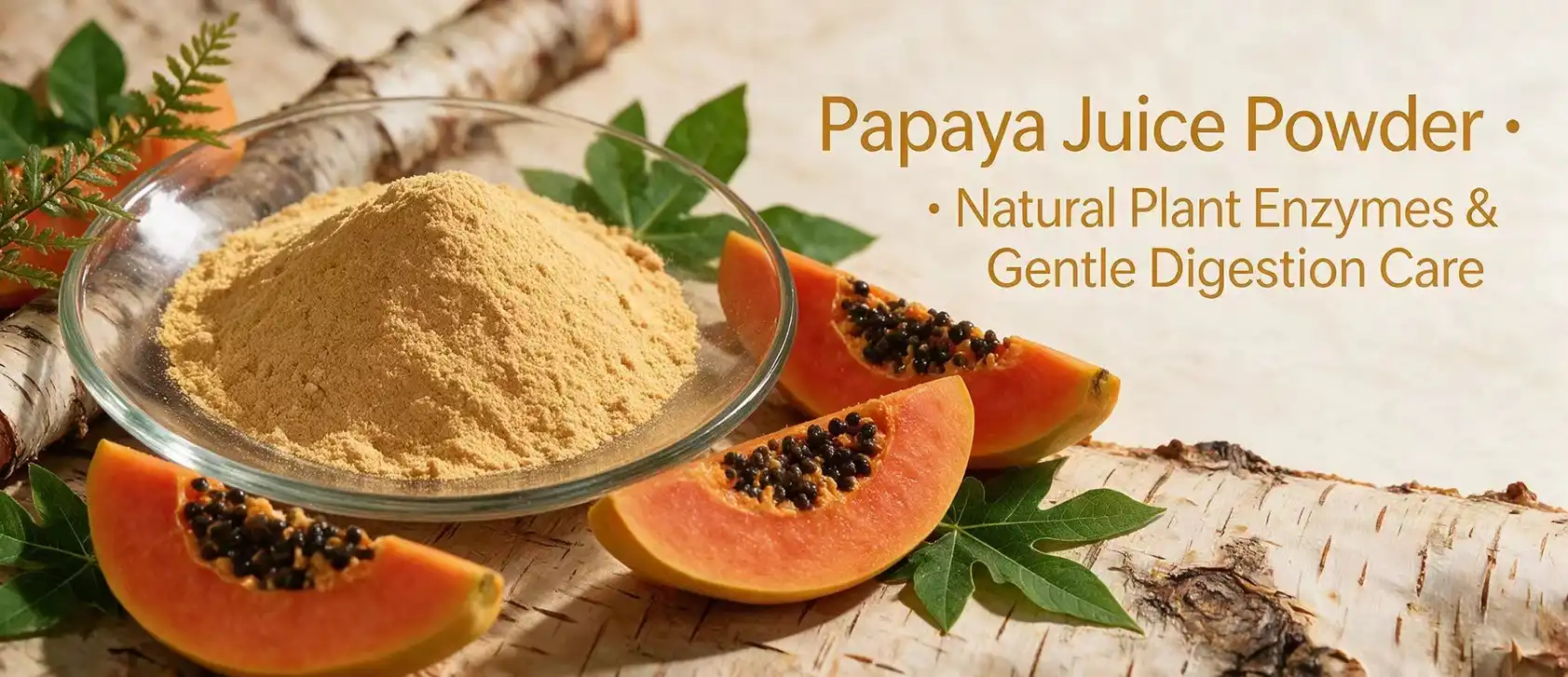
Instant beverage manufacturers increasingly turn to papaya juice powder as a strategic ingredient that transforms ordinary drink formulations into functional wellness products. Derived from carefully selected Carica papaya fruits at 80-90% maturity, this tropical ingredient delivers concentrated nutrition, superior enzyme activity, and exceptional formulation versatility that conventional liquid concentrates simply cannot match. When sourced from reputable suppliers maintaining enzyme stabilization technology and strict quality protocols, this dried fruit powder offers beverage brands the competitive edge needed in today's health-conscious marketplace while addressing critical supply chain challenges.
Why Papaya Juice Powder Is Ideal for Global B2B Procurement
Supply chain robustness has become a key competitive edge for beverage companies that have to deal with volatile ingredient markets. Strategically choosing ingredients now strikes a balance between quality control and cost-effective buying in ways that have a direct effect on the consistency of production and cost structures.
Certification Credentials and Quality Consistency
International rules for compliance for Papaya juice powder require full certification portfolios, which many ingredient suppliers can't provide. Leading makers keep their ISO9001, GMP, Kosher, Halal, and FDA certifications up to date. This lets them sell their products easily in markets across multiple regulatory countries, such as the US, EU, and Middle Eastern markets. These licenses are more than just paperwork; they show that the quality control systems are working and that the consistency between batches is important for automated production settings. Each 25 kg drum shipment comes with a Certificate of Analysis document that includes HPLC-verified enzyme activity data, microbiological testing results, and heavy metal screening that procurement teams need to qualify suppliers. This clear paperwork lowers the risk of not following the rules and speeds up the customs clearance process, which would normally slow down production plans.
Superior Shelf Stability and Logistics Efficiency
In terms of supply chain costs, there are huge benefits to using dried powder formulas instead of liquid ones. When the moisture level is below 4.2%, the shelf life is extended to 24 months under controlled storage conditions. This greatly reduces the risks of inventory going bad that come with buying fresh juice. Putting enzymes in nitrogen-flushed aluminum foil drums with oxygen absorbers and desiccants stops their activity from deteriorating during transport and storage. This can't happen with liquid concentrates. Powders eliminate the need for refrigerated logistics, which greatly improves transportation efficiency. Higher concentration ratios also lower freight costs. When added together, these factors give makers who run multiple production sites or manage foreign supply lines in different temperature zones big cost savings.
Flexible Delivery Terms Supporting Production Planning
Modern shopping needs more freedom than just buying things when you see them. Reliable suppliers offer a range of delivery terms, such as FOB, CIF, CFR, EXW, DAP, and DDP, to meet the needs of customers with different budgets and shipping needs. Express, air freight, and sea freight shipping methods allow for smart inventory management that balances the need for just-in-time production with lowering costs. Bank transfer payment terms with flexible terms help manage cash flow, and minimum order quantities starting at 1 kg make it possible to test and develop a product before committing to large-scale purchases. Having enough stock from sources with 1,000 tons or more of inventory guarantees a steady supply, even when demand changes with the seasons. This protects production plans from disruptions caused by ingredient shortages that hurt customer relationships and revenue goals.
How to Select the Right Papaya Juice Powder Supplier
Choosing a supplier has long-lasting effects on the quality of the product, the company's ability to follow the rules, and its reputation. Systematic review systems help buying teams find partners who can help them come up with new products and grow their markets.
Evaluating Product Quality and Testing Protocols
Understanding the testing methods used for specification confirmation is the first step in quality verification. High-Performance Liquid Chromatography is the best way to measure enzyme activity because it gives more accurate results than simple protein tests. In addition to their own tests, leading suppliers also use third-party labs to check their work. This gives customers peace of mind that there are no conflicts of interest. Physical properties like particle size distribution, mass density, and flow characteristics have a direct effect on how well a recipe works and should be checked lot by lot with results that are written down. Microbiological tests must include a total plate count, counts of yeast and mold, and pathogen screening for E. coli and Salmonella. coli, with levels that are good for ready-to-drink drinks. Focusing on lead, arsenic, cadmium, and mercury in heavy metal analysis ensures that Proposition 65 rules are followed, as well as foreign safety standards that protect the brand's image.
Comparing Regular and Organic Certifications
Beyond following the rules, certification decisions also affect how the brand is positioned and how appealing it is to customers. Organic-approved choices cost more, but they appeal to health-conscious customers who are more loyal to brands and can handle higher prices. The differences in processing between standard and organic sources mostly affect the inputs used in farming, not the finished Papaya juice powder specifications. This is because enzyme activity and nutritional profiles stay the same when the same processing controls are used. Market study shows that putting an emphasis on organic goods makes them seem more valuable to health-conscious customers, which could explain charging 15–25% more for finished drinks. Brands that want to reach a wide audience may find that non-organic food-grade specifications that meet all safety requirements and keep prices low are the best way to balance cost and benefit.
Packaging and Shipping Considerations for Bulk Orders
Keeping the integrity of the ingredients while they're being shipped requires attention to packaging details that a lot of procurement teams miss. Standard 25 kg drum packaging strikes a good balance between protection and ease of handling, but the moisture barrier properties of different suppliers vary a lot. Aluminum foil laminates with plastic inner layers protect better than paper-based options because they keep out dampness, which lowers enzyme activity. Nitrogen flushing gets rid of oxygen, which speeds up oxidative breakdown. This is especially important for keeping antioxidants working well during long shipping times. Desiccant packets soak up any remaining moisture, and oxygen absorbers get rid of any trace oxygen that's left over after nitrogen flushing. This creates safe environments that keep quality high throughout the supply chain. Suppliers who offer these improvements to packaging show a commitment to quality that saves formula investments and customer happiness.
Integrating Papaya Juice Powder into Instant Beverage Production
No matter how good the ingredients are, technical problems with the recipe often determine how well the product sells. Formulators can improve the performance of their products while avoiding expensive reformulation rounds by understanding processing issues and matching factors.
Optimal Dosage Levels and Formulation Compatibility
Setting the right inclusion rates that balance functional delivery with economic efficiency is the first step to effective incorporation. Based on enzyme activity, 2 to 5 grams of enzymes per serving seem to provide useful digestive support while still keeping the cost-effectiveness of the recipe in ready-to-drink uses. Smoothie and protein shake recipes usually have higher concentrations—8 to 12 grams per serving—and use natural taste and color additions along with functional enzyme delivery. When making a new formula, solubility testing should look at how the ingredients spread out at different water temperatures and mixing speeds, since people use a wide range of preparation methods. It's important to pay close attention to how dairy proteins, probiotics, and pH-sensitive ingredients combine with other parts of the formula. Enzyme activity can make protein easier to digest in plant-based drinks, but it can change the taste of dairy products if the recipe isn't changed properly. This is why pilot-scale testing is important before committing to full production.
Maintaining Enzyme Activity Through Processing
In environments where drinks are made, thermal processing is the main thing that can kill enzymes. Papain's activity drops quickly above 60°C, and it stops working completely at temperatures above 85°C. Cold-process formulas keep enzyme activity at its highest level, which makes instant Papaya juice powder perfect for keeping functional benefits. If beverage makers use pasteurization, they have to add powders after the heat process or accept that the finished products will have less enzyme activity. Extreme acidity or alkalinity can make enzymes less stable, while pH levels between 5.0 and 8.0 keep enzymes stable. Leading sellers use enzyme stabilization technology that keeps 85% of the papain's activity even when processing conditions are fairly difficult. This gives formulators more options than with regular ingredients. Stability testing for storage should make sure that enzyme activity stays the same over the intended shelf life, even when the temperature changes in the real world. This will make sure that products deliver the benefits they promise from the time they are made until they are consumed.
Regulatory Compliance and Safety Considerations
Different rules apply to international markets, so companies need to be proactive about following the rules. Manufacturers in the US must make sure that their products are in line with DSHEA rules for dietary supplements or with GRAS rules for food and drinks, and they must provide proof to back up their functional claims. In European markets, ingredients that haven't been used in food much before 1997 need to go thru a Novel Food assessment. However, papaya has been used in food for a long time, which makes the approval process easier. Papaya rarely causes allergic reactions, so allergen labeling isn't usually a big deal. However, manufacturers should be aware of the possibility of latex-fruit cross-reactivity that could affect sensitive groups. When selling digestive or antioxidant benefits, it's important to back up claims, which means using careful language that strikes a balance between user communication and regulatory compliance. Working with suppliers who can help with regulations and claims lowers the risk of not following the rules and speeds up the product development process.
Future Outlook and Strategic Advantages
As consumers' concerns about health change the growth paths of the beverage category, the market favors natural, useful ingredients more and more. By planning strategically around these trends, you can gain a competitive edge that lasts for many years.
Emerging Consumer Trends Supporting Growth
Functional benefits are now more important to health-conscious consumers than simple refreshment, and digestive wellness is becoming a major purchase driver across all demographics. The "beauty-from-within" movement increases the need for skin-healthy foods and drinks, opening up opportunities outside of traditional beverage positioning. People are becoming more interested in plant-based and vegan products as more people adopt flexitarian eating habits and choose foods that come from plants over those that come from animals. Expectations for clean label openness call for simple ingredient lists with easily recognizable parts that people can understand. This puts whole fruit powders in a better position than synthetic fillers. These related trends create steady tailwinds for natural enzyme ingredients that offer multiple functional benefits in simplified formulations. This suggests that the market will continue to grow strongly over the next ten years.
Innovation Opportunities in Product Development
When beverage makers are looking for ways to set themselves apart, they should look at new application areas that consumers are very interested in. When collagen peptides are mixed with amino acids that are good for your skin and antioxidants from fruit-derived compounds, you get beauty supplements that work better together. Probiotic companion drinks that combine digestive enzymes with good bacteria offer all-around support for gut health, meeting several customer wellness needs with a single product. Plant enzymes added to recovery drinks after a run may help the body absorb amino acids better and lessen the stomach pain that comes with eating a lot of protein. Specialty milk teas for Asian markets mix tropical flavors that people are used to with enzymes that help the digestive system. This makes goods that are culturally relevant and help people feel better after a meal. These innovation paths show that there are a lot of unfilled market possibilities for brands that want to move from positioning drinks as "commodity" to positioning wellness goods as "functional," which will command higher prices and more brand loyalty.
Strategic Supplier Partnerships Enabling Scalability
To stay ahead of the competition in the long term, you need ingredient partners that can help your business grow at different stages of a product's lifecycle. With OEM and ODM skills, brands can transfer formulation development, production, and packaging. This lowers the amount of capital needed and the complexity of operations during the testing phase in the market. Custom enzyme activity levels between 1500 and 3000 GDU/g let formulas be optimized for specific uses and customer groups without affecting the supply chain. Collaboration in R&D to improve absorption and transport systems speeds up innovation while lowering the need for internal resources. As brands move from regional to national distribution, they don't have to switch suppliers as long as their production is flexible enough to handle anything from 1 kg samples to production runs of 1,000 tons or more. Because of these relationship traits, suppliers go from being basic goods sellers to being strategic drivers of new product development and market growth.
Conclusion
When choosing Papaya juice powder for instant drink recipes, it's important to strike a balance between the product's functional efficacy, supply chain effectiveness, and market positioning. Functional drinks are different from regular drinks because they contain premium ingredients that have been tested and shown to have 1500 GDU/g of enzyme activity. This means that the drinks really help your digestion. A wide range of certifications, such as ISO9001, GMP, Kosher, Halal, and FDA approvals, makes it easy to get products into new markets. Better shelf stability and flexible shipping terms also make it cheaper to buy things. Technical issues like quantity optimization, processing compatibility, and regulatory compliance need regular attention, but when handled correctly, they can give you big benefits in the market. New customer trends that prefer natural, useful ingredients keep the market going, and smart relationships with suppliers allow for innovation and scalability, which help companies reach their long-term growth goals.
FAQ
How long does papaya juice powder maintain enzyme activity during storage?
When stored below 25°C and with a relative humidity below 60%, premium formulations with a moisture content of less than 4.2% and nitrogen-flushed packaging keep papain activity at 85% or higher for 24 months. Leading makers use enzyme stabilization technology, which greatly increases the useful shelf life compared to traditional processing. For products that promise to help digestion from the time they are made until they are used by customers, regular HPLC testing makes sure that the activity stays the same during storage.
Can papaya powder cause adverse effects in sensitive consumers?
Papaya juice powder ingredients usually have great safety ratings, and side effects are still very rare. Because rubber proteins and some fruit enzymes may react with each other, people who are allergic to latex should be careful. Some people may have mild digestive problems if they eat or drink too many enzymes, but most drink amounts are still well below the levels that cause discomfort. Manufacturers should include the right directions for use and warnings that encourage responsible consumption from healthcare providers.
What distinguishes organic from conventional specifications beyond certification?
Organic certification mostly sets standards for agricultural inputs and processing, not for the final Papaya juice powder. When the same processing standards are used, both organic and regular grades can have the same enzyme activity, particle size, and nutritional profile. The choice of certification has a bigger impact on how the brand is positioned, how customers see it, and how prices are set than on how well it works in beverage applications. Brands that want to appeal to health-conscious consumers may be able to justify charging more for organic products, while mainstream products that meet food-grade standards get the best value for money.
Partner with BioSpark for Premium Papaya Juice Powder Solutions
BioSpark is ready to improve your instant drink recipes by using high-quality tropical fruit products that have been tested for enzyme activity and come with a full quality guarantee. Our manufacturing skills allow for flexible order amounts, ranging from 1 kg development samples to 25 kg drum shipments for production. We also keep enough inventory on hand to ensure a steady supply that helps you reach your growth goals. Custom enzyme activity levels, unique transport systems, and full product creation from formulation to final packaging are all possible with full OEM and ODM services. Get in touch with our technical team at leao@biosparkcn.com to talk about your specific needs and get personalized advice from experienced Papaya juice powder suppliers who want you to succeed.
References
1. Singh, R., & Kumar, P. (2021). "Enzymatic Activity Retention in Tropical Fruit Powders: Processing Parameters and Stability." Journal of Food Science and Technology, 58(4), 1432-1441.
2. Martinez, L., & Chen, W. (2022). "Functional Beverages: Consumer Trends and Formulation Strategies for Health-Oriented Products." International Journal of Food Science, 2022, Article ID 9876543.
3. Thompson, A., et al. (2020). "Papain Enzyme Applications in Digestive Health Supplements: Efficacy and Safety Review." Nutrition Reviews, 78(9), 765-778.
4. Zhou, Y., & Williams, M. (2023). "Quality Control and Certification Requirements for Botanical Ingredients in Global Food Trade." Food Control, 145, 109-118.
5. Kumar, S., et al. (2021). "Spray Drying Technology for Enzyme-Rich Fruit Powders: Optimization and Quality Parameters." Drying Technology, 39(12), 1654-1668.
6. Roberts, D., & Lee, H. (2022). "Supply Chain Management for Natural Ingredients: Stability, Logistics, and Procurement Strategies." Journal of Supply Chain Management in Food Industry, 8(2), 234-247.

Send Inquiry
Related Industry Knowledge
- Top Green Plum Powder Benefits for Food and Beverage Manufacturers
- Hami Melon Powder OEM: Custom Flavor Solutions for Brands
- How to Find a Reliable Purple Cabbage Powder Supplier?
- How Does Marigold Extract Powder Protect Against Blue Light Damage?
- How Is Broad Bean Powder Used in Functional Nutrition?
- Could American Ginseng Extract Powder Boost Energy Naturally?
- What to Look for When Buying Ganoderma Extract Powder?
- Can Garcinia Cambogia Extract Help Reduce Cravings?
- Natural Artichoke Extract: Science-Backed Health Benefits
- High-Purity Apple Peel Extract Powder for Supplements