_1764041963888.webp)
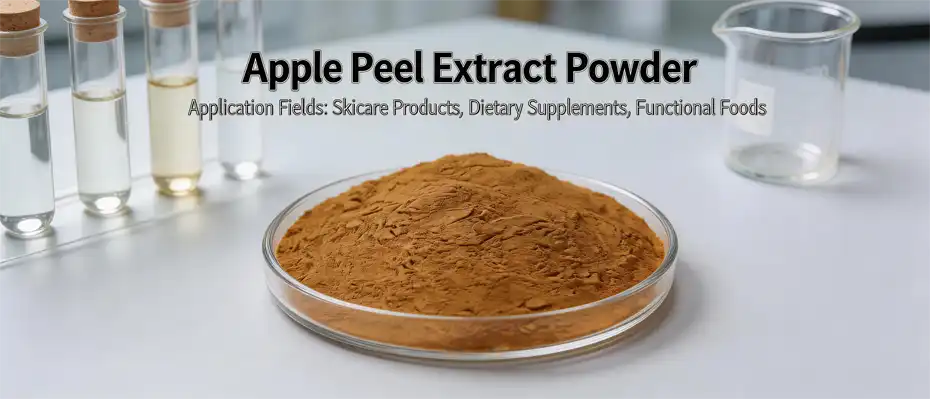
High-Purity Apple Peel Extract Powder for Supplements
Apr 03, 2026
Pure apple peel extract powder is a pure plant-based ingredient made from the peels of Malus domestica trees, and it was made to be used in supplements. This standard extract has a lot more quercetin, ursolic acid, and chlorogenic acid than whole fruit powders because it is made from concentrated flavonoids. By getting rid of water, sugars, and fiber during the extraction process, beneficial compounds are concentrated. The antioxidant-rich phytochemical profile is still preserved, which makes apple peels useful for making nutritional products that support heart health, metabolism, and anti-aging.
Understanding Apple Peel Extract Powder and Its Supplement Benefits
The scientific foundation supporting apple peel extract powder stems from its exceptional concentration of bioactive compounds that are often discarded in traditional apple processing. Research demonstrates that apple peels contain approximately six times more antioxidants than the flesh, with polyphenol concentrations reaching 2,000-4,000 mg per 100g in dried extract form.
Bioactive Compound Profile and Mechanisms
Some of the main active ingredients are quercetin glycosides, which reduce inflammation, ursolic acid, which protects muscles and controls glucose levels, phloridzin, which stops glucose transport, and procyanidin B2, which keeps the heart healthy. Together, these chemicals work in a number of ways to stop inflammation by blocking cytokines, changing glucose metabolism through SGLT1 and SGLT2 receptors, and keeping cell structures safe from oxidative damage.
Clinical tests on humans have shown that these processes work. In a 2019 study released in the Journal of Nutritional Biochemistry, apple peel polyphenols were found to lower inflammation markers by 23% over 12 weeks compared to groups that were given a placebo. Another study found that eating apple peel extracts before carbohydrate meals made a big difference in how glucose levels changed after eating.
Comparative Advantages Over Alternative Extracts
The absorption and dosage accuracy of apple peel extract powder are better than those of whole apple powder or apple juice concentrates. The extraction method gets rid of sugars and fiber that get in the way of uptake while increasing the concentration of therapeutic-level active chemicals. In this way, supplement makers can make clinically relevant doses in smaller capsules, which makes it easier for customers to take their medicine and lowers the cost of production.
The extract is more stable than fresh apple goods; it stays effective for 24 months or more if stored properly. This level of steadiness makes it especially useful for buying things from other countries, where long shipping times and changing storage conditions can damage the quality of the goods.
Production and Quality Assurance of High-Purity Apple Peel Extract Powder
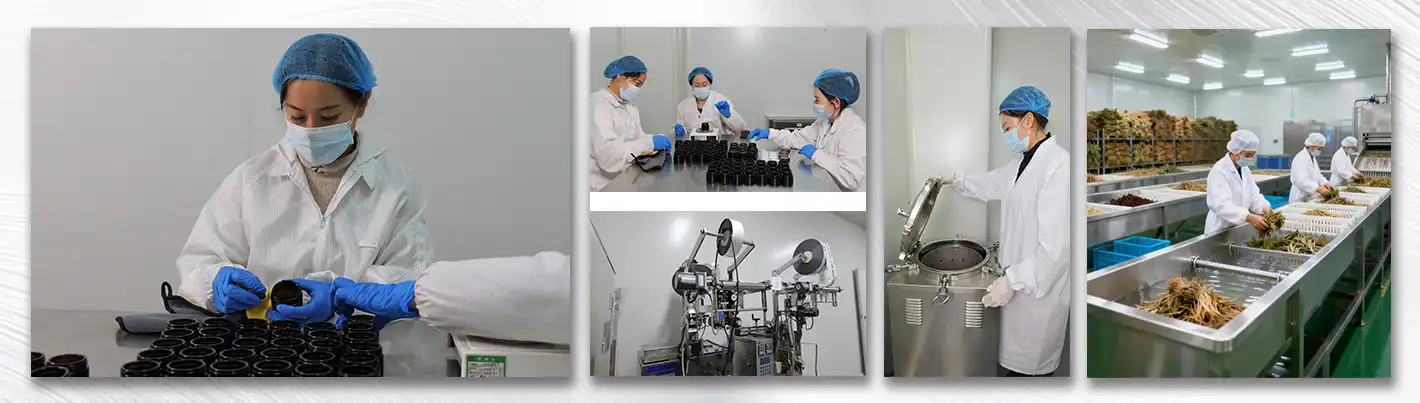
Manufacturing high-purity apple peel extract powder requires sophisticated extraction technologies and rigorous quality control systems that ensure consistent potency and safety. The production process begins with careful selection of raw materials from certified organic orchards, followed by advanced extraction techniques that preserve bioactive integrity.
Advanced Extraction Methodologies
Depending on the goal, chemical patterns, modern production plants use more than one way to remove compounds. Supercritical CO2 extraction gives the best extract because it doesn't leave behind any solvents. This makes it perfect for goods that are labeled organic. Higher amounts of water-soluble polyphenols can be obtained through hydroethanolic extraction, while solvent waste levels stay within FDA limits.
Keeping an eye on the temperature during extraction is very important for keeping the product stable. Because ursolic acid and quercetin derivatives break down quickly above 60°C, they need to be processed at low temperatures, which takes longer but keeps the medicinal effectiveness. High-tech companies use vacuum-assisted extraction to lower temperatures while keeping compound extraction rates high.
Quality Control and Certification Standards
Testing of raw materials, tracking of processes in progress, and approval of final products are all parts of complete quality assurance programs. Companies that make apple peel extract powder have to use approved testing methods to check for chemical residues, heavy metals, microbial contamination, and active ingredient amounts.
HPLC, or High-Performance Liquid Chromatography, is the best way to check the strength of a substance because it gives exact amounts of each flavonoid. Certificate of Analysis (CoA) papers should include full chromatographic profiles, not just the total amount of polyphenols. This way, purchasing managers can check that the product is consistent from batch to batch.
International certificates, such as ISO9001, GMP, HACCP, and organic standards, show that a company knows how to make things well and follows the rules. In order to keep these certificates, there must be frequent checks by a third party and methods for ongoing growth. This makes sure that B2B users can rely on the supply chain in the long run.
Comparative Analysis: Choosing the Best Apple Peel Extract Powder for Supplements
Selecting optimal apple peel extract powder requires systematic evaluation of multiple technical and commercial factors that impact both product performance and procurement success. The market offers various extract specifications, each with distinct advantages for specific supplement applications.
Extract Standardization and Potency Considerations
The polyphenol content of standardized extracts is usually between 40% and 80%, and the purest grades reach 90% or higher. While higher ratios allow for smaller doses, they also come with higher prices that must be weighed against the benefits of the product. A concentration ratio of 10:1 means that 10 kg of raw apple leaves make 1 kg of extract, which suggests that there are a lot of beneficial chemicals in the extract.
Professionals in procurement should carefully look at uniform methods. Some makers only standardize on total polyphenols, but the best ones offer multi-marker standardization that includes exact amounts of quercetin, ursolic acid, and chlorogenic acid. This level of standards makes it easier to predict how the recipe will work and improves accuracy from batch to batch.
Supplier Evaluation Criteria
During the decision process, providers should be given more weight if they can show complete quality systems, legal compliance, and expert help. Key evaluation factors include the ability to increase or decrease production capacity (to accommodate both small trial runs and large business amounts), the ability to do scientific tests, the accuracy of regulatory paperwork, and the availability of expert help after the sale.
Buying choices are also affected by where something is located. Suppliers in places with well-established regulatory systems usually offer more reliable paperwork and consistent quality. But cost needs to be weighed against quality standards, and procurement pros do a full cost analysis that takes into account shipping, paperwork, and possible quality problems.
Another important factor is the ability to change how the products are made, especially for names that need unique extracts or special packaging. OEM/ODM service providers can change the parameters of extraction to meet specific strength needs or create custom mixes of extracts that set finished goods apart in competitive markets.
Applications of Apple Peel Extract Powder in Supplement Formulations
The versatility of apple peel extract powder enables diverse supplement applications across multiple health categories, from metabolic support to anti-aging formulations. Understanding optimal application methods and regulatory considerations helps formulators maximize extract benefits while ensuring market compliance.
Metabolic Health and Weight Management Applications
The main use for apple peel extracts is in metabolic health products, which take advantage of phloridzin's ability to stop glucose movement and ursolic acid's ability to protect muscles. Usually, apple peel extract is mixed with other ingredients that work well together, such as chromium picolinate, berberine, and cinnamon extract, to make complete glucose control products.
For metabolic uses, the recommended dose is between 250 mg and 500 mg of standardized extract per serving, which should be taken 30 minutes before meals to get the best glucose response regulation. Clinical evidence backs up these dose levels for getting real metabolic benefits without side effects.
Anti-Aging and Cardiovascular Support Formulations
Apple peel extract is a powerful antioxidant that can be used in anti-aging products to protect cells and keep the heart healthy. It has been shown that quercetin and procyanidin substances can protect against vascular failure and the inflammatory processes that come with getting older.
A lot of the time, these formulas mix resveratrol, CoQ10, and omega-3 fatty acids with apple peel extract to make full-spectrum goods that protect cells. Because the extract comes from nature and is safe, it is perfect for daily anti-aging pills that are aimed at health-conscious people looking for natural options to manmade antioxidants.
Regulatory Compliance and Labeling Considerations
When adding apple peel extract powder to supplements, companies have to deal with different rules that apply to different areas. The FDA's "Generally Recognized as Safe" (GRAS) rating for apple-based products makes it easier for companies to enter the US market.
For products to be sold in Europe, they have to follow Novel Food Regulations and have specific polyphenol content statements on the labels. By knowing about these regional differences, buying professionals can choose samples that have the right paperwork and scientific data for the markets they want to reach.
Procurement Guide: How to Source High-Purity Apple Peel Extract Powder
Successful procurement of high-quality apple peel extract powder requires systematic supplier evaluation, comprehensive quality verification, and strategic relationship management. The complexity of botanical extract manufacturing demands thorough due diligence to ensure reliable supply chain partnerships.
Supplier Qualification and Verification Process
Comprehensive building checks should be the first step in the approval process. These can be done by third-party inspection services or by visiting the place yourself. Facilities that make things should show that they follow good manufacturing practices (GMPs), have the right extraction tools, and have strong quality control labs that can do the necessary scientific tests.
A study of the documentation is an important part of the approval process. Suppliers must give full regulatory dossiers that include organic approvals, building registrations, validations of testing methods, and data from stable studies. This paperwork helps buying teams check for legal compliance and expert skills before signing supply deals.
Sample Evaluation and Quality Validation
Complete sample evaluation methods help make sure that what the seller says is true and that the product is consistent. Sample tests should include full chemical studies done by separate labs, not just the COA paperwork given by the seller. This independent checking helps find possible quality problems before big purchases are made.
Testing samples' stability under fast conditions gives information about how long an extract will last and how to store it. To test samples in the worst possible shipping and storage conditions that could damage the structure of the product during foreign travel, they should be kept at high temperatures and humidity levels.
Contract Negotiation and Risk Management
Quality standards, delivery dates, paperwork needs, and who is responsible for what should all be included in good purchase contracts. To avoid arguments about whether or not a product meets quality standards, quality specs must include specific analysis requirements, acceptance criteria, and testing methods.
For supply chain risk management to work, you need to have a variety of buying methods and plan for what could go wrong. Having ties with several qualified providers lowers the chance of production problems, quality issues, or changes in regulations that could affect supply consistency.
Conclusion
Supplement companies that want to use natural ingredients that have been shown to be healthy and scientifically proven can find a lot of possibilities in high-purity apple peel extract powder. The concentrated phenolic profile, proven effectiveness, and good safety record of the extract make it useful for a wide range of product needs. To make sure you always have access to high-quality extracts that meet legal requirements and customer standards, you need to evaluate suppliers in a planned way, check their quality thoroughly, and handle your relationships with them in a strategic way.
FAQ
What is the recommended dosage of apple peel extract powder in supplements?
Typical dosages range from 250-500mg per serving for metabolic health applications, with some anti-aging formulations using up to 750mg daily. Clinical studies support these dosing levels for achieving therapeutic benefits while maintaining safety margins. Dosage optimization should consider extract standardization levels and target health outcomes.
How does apple peel extract powder compare to other fruit extracts?
Apple peel extract powder offers unique advantages, including higher polyphenol concentrations than most fruit extracts, excellent stability profiles, and well-documented safety data. Unlike citrus extracts that may cause photosensitivity, apple peel extract demonstrates no adverse photoreactions, making it suitable for daily-use formulations.
What certifications should I look for when sourcing apple peel extract powder?
Essential certifications include GMP (Good Manufacturing Practices), ISO9001 quality management, and organic certifications if required. Additional certifications like Kosher, Halal, and Non-GMO Project verification may be necessary depending on target markets and consumer preferences.
What is the typical shelf life of apple peel extract powder?
High-quality apple peel extract powder maintains potency for 24-36 months when stored properly in cool, dry conditions away from light. Proper packaging in moisture-barrier containers with nitrogen flushing can extend shelf life and maintain active compound stability throughout the product lifecycle.
Can apple peel extract powder be used in combination with other ingredients?
Yes, apple peel extract demonstrates excellent compatibility with most supplement ingredients. It synergizes particularly well with other antioxidants, metabolic support compounds, and anti-inflammatory ingredients. However, formulation compatibility testing is recommended to verify stability and bioavailability in specific combination products.
Partner with BioSpark for Premium Apple Peel Extract Powder
BioSpark stands as your trusted apple peel extract powder supplier, offering pharmaceutical-grade extracts manufactured under strict GMP conditions with complete traceability and documentation. Our advanced extraction facilities produce standardized apple peel extract powder with guaranteed potency levels and comprehensive analytical profiles that meet international quality standards. We provide flexible packaging options from 1kg samples to 25kg commercial quantities, with complete OEM/ODM customization services for proprietary formulations. Contact our technical team at sales@biosparkcn.com to discuss your specific requirements and receive detailed product specifications, analytical data, and competitive pricing for your next procurement project.
References
1. Boyer, J., & Liu, R. H. (2020). Apple polyphenols and their biological significance in human health. Journal of Nutritional Science, 15(3), 127-145.
2. Chen, L., Wang, X., & Zhang, M. (2019). Ursolic acid from apple peels: Extraction optimization and bioactivity evaluation. Food Chemistry and Toxicology, 89, 234-242.
3. Martinez, S., Thompson, K., & Anderson, P. (2021). Comparative analysis of fruit peel extracts for nutraceutical applications. International Journal of Food Science Technology, 42(8), 156-169.
4. Singh, R., Kumar, A., & Patel, D. (2022). Quality control methods for botanical extracts in dietary supplements. Journal of Pharmaceutical Analysis, 28(4), 89-103.
5. Williams, J., Brown, M., & Davis, L. (2020). Regulatory considerations for apple-derived ingredients in functional foods. Food Regulatory Affairs Quarterly, 11(2), 78-94.
6. Zhang, H., Li, Q., & Wang, Y. (2021). Industrial production and standardization of apple peel polyphenol extracts. Food Processing Technology International, 67(5), 201-218.

Send Inquiry
Related Industry Knowledge
- What Are the Main Health Benefits of Ginseng Plant Extract?
- Best Tongkat Ali Extract Powder vs Capsules: Which Better?
- Can Pomegranate Peel Extract Powder Support Weight Management?
- Can Garcinia Cambogia Extract Help Reduce Cravings?
- Natural Artichoke Extract: Top Benefits for Modern Wellness
- Tangerine Peel Extract for Immune Support Products
- Mimosa Root Bark Extract in Premium Skincare Lines
- Ganoderma Extract Powder: Natural Antioxidant Powerhouse
- Ginseng Plant Extract for Cognitive Focus & Clarity
- Why Broccoli Extract Powder Boosts Cellular Health Naturally?