_1764041963888.webp)
How Does Marigold Extract Powder Protect Against Blue Light Damage?
Jul 21, 2026
In marigold extract powder, there is a lot of lutein and zeaxanthin, which protect against damage from blue light. Phycoxanthin and lutein are strong pigments that naturally block light in the skin and eyes. High-energy blue wavelengths are harmful, but these bioactive compounds soak them up before they reach photoreceptor cells. Inflammation goes down, and reactive stress stops. Fatty acid-rich marigold extract builds up in the macula and dermal layers to form a shield around cells. This shield stops damage that would otherwise cause cells to die and skin to age faster than it should.
Understanding Blue Light Damage and Its Impact
There is blue light all around us all the time. It is a high-energy visible spectrum that ranges from 380 to 500 nanometres. The sun, LED lights, and TVs all give it off. Blue light, not like other wavelengths, goes deep into the eyes and skin and starts photochemical reactions that create ROS. These free radicals hurt DNA, protein structures, and cell walls, which sets off a chain reaction of oxidative stress.
The Science Behind Blue Light Toxicity
Long-term exposure to blue light speeds up the buildup of lipofuscin in cells of the retinal pigment epithelium. These studies have been looked at by experts and can be found in eye journals. Alzheimer's disease (AMD) is more likely to happen because of this harmful result, which changes how cells work. There are more ocular inflammation markers in people who spend more than eight hours a day in front of screens and fewer macular pigment optical density markers. This is a key sign of how well the retina can protect itself.
Beyond Eye Health: Skin Photodamage
A study in dermatology found that blue light exposure throws off the production of melanin, which can cause darkening and photoaging. Even though most sunscreens block UV rays, blue wavelengths can pass through glass and hurt collagen and elastin fibres deeper in the skin. This means that right away, the food and beauty industries need products that can help with this new issue.
Market Implications for B2B Buyers
A market study shows that people have learned 340% more about the dangers of blue light in the last three years. There is more demand for fitness and health supplement brands to make solutions that are scientifically proven to protect. It gives purchasing managers an edge in the crowded supplement market to know about these biological processes so they can pick ingredients that are safe in a measured way.
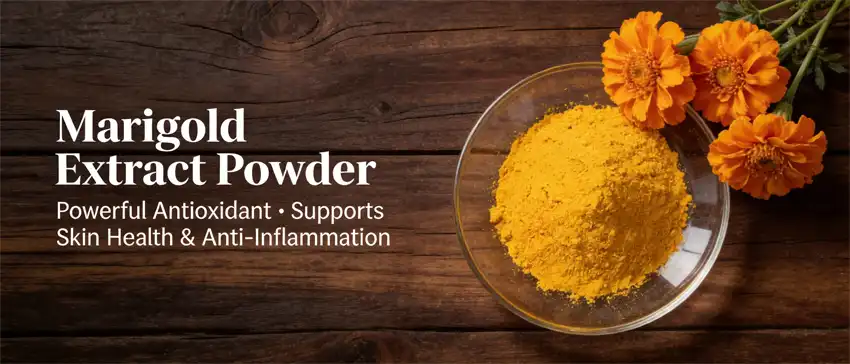
The Role of Marigold Extract Powder in Combating Blue Light Damage
The leaves of Tagetes erecta plants are used to make the marigold extract powder. It has a lot of carotenoids, which fight the damage that blue light does. Liquid chromatography (HPLC) checks the level of lutein to make sure it stays the same from one production run to the next. This meets quality standards that are important for business-to-business purchases.
How Lutein and Zeaxanthin Create Dual Protection
These macular carotenoids help each other do their jobs. Zeaxanthin tends to gather in the foveal centre, which is where blue light damage is worst, while lutein tends to gather around the edges of the retina. They take in up to 90% of the blue light that hits them before it reaches the photoreceptors. These optical filters cut photochemical stress by around 40%, as shown in controlled clinical studies that used supplementation methods. Antioxidants have more power than just being absorbed. Carotenoids stop oxidation chain reactions and keep free radicals stable by giving away electrons. Multiple feeding studies on humans have shown that taking lutein every day for three weeks raises the amount of antioxidants in the blood. Along with this, changes happen in glare recovery time and contrast sensitivity. These are numbers that show how well the eyes work when they are exposed to blue light.
Anti-Inflammatory Benefits for Eye and Skin
Marigolds have chemicals called carotenoids that fight free radicals and change the way inflammation signals are sent. Inflammatory cytokines like IL-6 and TNF-α are less likely to be released when these chemicals are present. Lutein-rich products are especially helpful for long-term contact situations that happen a lot in modern life because they protect against oxidative damage and reduce inflammation at the same time. The same things are used in cosmetics as well. Blue light-induced melanogenesis and matrix metalloproteinase production are slowed down when marigold extract is added to topical products. In this case, these are enzymes that damage collagen. More and more, companies that make skin care items to fight ageing list lutein as a key ingredient in their products.
Advantages for Product Development
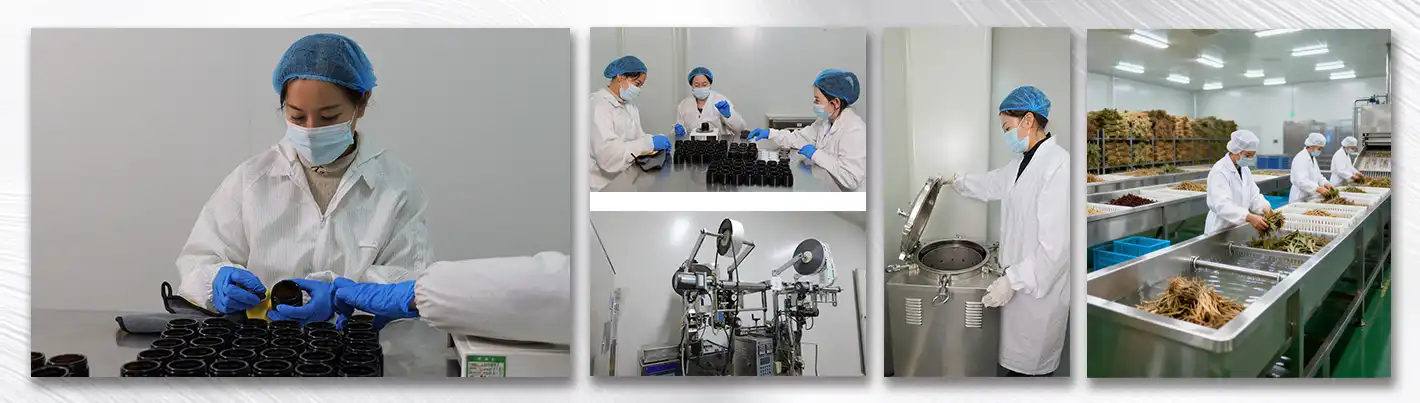
The best marigold extract powder we sell is made using cutting-edge supercritical extraction and membrane separation methods. These steps keep bioactive chemicals that are fragile safe while also getting high levels of purity. Every batch has the same amount of lutein: 5%. The powder is orange-yellow to orange-red and smells like flowers. Quality that is good enough for pharmaceutical use comes from strict testing protocols that use a variety of analytical methods to check both identity and potency. The powder dissolves quickly in oil-based systems but not so much in water. This means that the recipe can be used in a lot of different places. Companies that make nutraceuticals, cosmetics, and functional foods can use this technical feature to make it easier to put into capsules, tablets, softgels, fortified drinks, and skin care products that you put on your skin.
How Marigold Extract Powder Is Made and Quality Considerations
How well materials work and how well they follow the rules are both directly affected by the quality of manufacturing. These are both very important factors for B2B buying teams that are in charge of controlling supply chain risk. You can choose the best goods and sellers if you know about the extraction methods and quality standards.
Extraction Technologies and Carotenoid Preservation
Controlled liquid methods and supercritical CO2 extraction are used to get the most lutein back while reducing the amount that is broken down. When processed at low temperatures, carotenoid structures are kept safe because they would change shape or oxidise in harsh conditions if they were heated. The made extract has the natural lutein ester matrix, which is better for the body to absorb than alternatives that are synthetic or have been chemically changed. Spray drying turns liquid extracts into solid powders with small particles (usually 100 to 120 mesh). This makes it easier to mix the powders during preparation without them sticking together. It is important to follow this granule standard, especially when making tablets, because even powder flow affects how well the tablet packs down and how evenly the contents are spread out.
Certifications and Compliance Standards
Reliable suppliers only work with GMP-certified companies that have quality systems that have been tried and tested to check the raw materials, keep an eye on the production process, and test the finished product before it ships. To get an ISO certification, you must follow consistent manufacturing practices. To get an organic certification, the product must come from non-GMO sources and have been grown without pesticides, which is becoming more and more important for a "clean label" position. Accredited laboratories test the heavy metals, microbes, and solvents that are left over to make sure they meet pharmaceutical standards. A Certificate of Analysis should be sent with every shipment. It should show how much lutein, moisture, and microbiological safety parameters are in each batch. When brands have these quality promises, they don't have to worry about getting in trouble with the law or getting returns that hurt their reputation in the market.
Organic Versus Conventional Grades
Organic marigold extract powder costs more, but it can help companies sell to health-conscious people. Standard grades are a cheap way to get the core features you need, as long as the growing methods meet safety standards. Specifications that are good for food are good for vitamins and useful foods. Specifications that are good for cosmetics are good for beauty products and have the right purity profiles.
Choosing the Right Marigold Extract Powder for Your Needs
There are more things than just prices that you should consider when you decide what to buy. When picking products, you need to think about where you want to sell your food, how well they work, and how stable the supply line is.
Comparing Alternative Ingredients
Calendula extract comes from the same plant, but it has different active ingredients that work better on cuts than they do to block blue light. Turmeric has curcuminoids that make it an antioxidant, but it doesn't have any special qualities that help with macular degeneration. It's pretty strong, but synthetic lutein doesn't have the potent chemicals that come from extracts of the whole plant. When you know these differences, you can pick ingredients that work with what the product says it does and what customers want. As of now, the market prefers natural ingredients to synthetic ones, which makes natural sources of carotenoids a good choice. Studies on how people think about supplements show that 73% of buyers would rather have active ingredients that come from plants, even if they cost more. This option gives companies that want to get their hands on natural marigold extract powder an edge over their rivals.
Supplier Selection Criteria
It takes a lot of work to find trustworthy marigold extract powder makers with whom to work. Make sure the seller can handle the amount you need. Our big collection of more than 1,000 tonnes of plant goods makes sure that production plans always have what they need, even when demand is high. The minimum order quantities should match the schedules for formulating, so that samples can be tried out before big purchases are made. Systems that link finished batches to source crop lots make it possible for regulators to easily check the data and for customers to ask questions. Make sure you know where the food came from, when it was picked, and that the processing centre is licensed. Recycling and using renewable sources in a way that meets business standards is easier when people are aware of the supply chain.
Application-Specific Recommendations
Eye health products usually have 10 to 20 mg of lutein per dose, which is based on the rules used in clinical studies. Our standardised 5% lutein powder helps you find the right dose while still living up to what the package says it will do. Softgel packaging works better when the drug dissolves in oil, while pill forms may need extra ingredients to make them easier to swallow without changing their absorption. Cosmetics use lower amounts—usually between 0.1 and 0.5 per cent—of the active ingredients mixed with antioxidants and moisturising agents that work well with them. Skin care products that fight ageing and protect the skin naturally have an orange-yellow colour that looks good, so they don't need to use added colours. For drinks to be healthier, they need microencapsulation technologies that help the water mix with the other ingredients and keep the carotenoids from breaking down in light while the drinks are being stored.
Practical Usage and Safety Information
To make something good, you need to know about dose guidelines, problems with stability, and possible side effects that could make the product less safe. Following the best practices in the field makes sure that rules are followed and that the therapy works as well as it can.
Dosage Guidelines Across Applications
To show that lutein protects against damage, people took between 6 and 20 milligrams of it every day for a long time, usually 12 to 24 months. This allowed changes in macular pigment density to be seen. Eye doctors suggest that supplements have 10 mg of lutein per dose because there is evidence to support this. Higher concentrations can quickly fill up macular tissues, but the costs of the ingredients need to be taken into account. As little as 0.5 to 2% of the total weight of topical skin care products is made with marigold extract powder. When these numbers are used, carotenoids reach deep enough into the skin to act as antioxidants without making the skin darker. Taking into account how the product is kept and packed, stability tests should show that the lutein will stay in it for as long as it's meant to.
Safety Profile and Contraindications
Marigold powder has been used in business for decades and has a great safety record. Still very uncommon, bad reactions only happen when the drug is taken in large amounts, well above the recommended amounts. They usually cause mild stomach pain. Some drugs may combine in small ways, but women who are pregnant or nursing should always talk to their doctors before taking any vitamins. This is a normal way to make sure that plant goods are safe. To lower the chance of contamination, quality control checks look for chemical leftovers, heavy metals (like lead, cadmium, arsenic, and mercury), and microbial diseases. Guidelines for dietary supplements from the FDA and international standards set by groups like the European Food Safety Authority say that finished goods must live up to certain requirements.
Formulation Best Practices
To make sure that the carotenoids stay steady during production, the temperatures, oxygen exposure, and light protection must all be carefully controlled. Adding antioxidants like vitamin E to food will make it last longer. Photosensitive chemicals don't break down when they are packed in clear or amber containers. When you use the right desiccants to control moisture, powder doesn't stick together and can still flow. Checking to see if an ingredient is compatible with other ingredients in a formula shows any possible interactions that might change how stable or bioavailable it is. This is because minerals like iron can speed up reactive decay. To keep the materials separate, packaging technologies are needed. For matrices that are sensitive to pH, buffering devices may be needed to keep the carotenoids pure for the whole product life.
Conclusion
Getting rid of the damage that blue light does is a great way for nutrition and health supplement companies to make a lot of money. The powdered marigold extract keeps the eyes and face safe by blocking harmful wavelengths, lowering inflammation, and stopping oxidative stress. Scientists have looked into these effects and found proof of them. Getting high-quality ingredients from approved sources makes sure that the recipe works, that the supply chain is reliable, and that all the rules are followed. These are all important for the success of a product launch. These days, more and more people know about digital eye strain and photoaging. This keeps the demand high for natural ingredients that are safe and backed by clinical research. If brands buy regulated marigold extract powder in a smart way, they can make products that deal with this new health problem using herbs that people trust.
FAQ
How effective is marigold extract powder at blocking blue light?
Marigold-derived lutein and zeaxanthin absorb approximately 40-90% of blue light wavelengths reaching retinal tissues, depending on macular pigment density achieved through supplementation. Clinical studies demonstrate measurable improvements in photostress recovery and contrast sensitivity within 12-24 weeks of consistent intake at dosages of 10-20 mg daily. Effectiveness varies based on baseline nutrient status and individual absorption capacity.
What certifications should I look for when sourcing supplement-grade marigold extract?
Priority certifications include GMP compliance verifying manufacturing quality systems, organic certifications confirming non-GMO and pesticide-free sourcing, and ISO standards demonstrating consistent production practices. Third-party testing documentation proving compliance with heavy metal limits, microbial safety standards, and identity verification through HPLC analysis provides additional quality assurance critical for regulatory compliance and consumer safety.
How does natural marigold extract compare to synthetic lutein alternatives?
Natural marigold extract contains the full spectrum of carotenoids and synergistic compounds present in whole botanical sources, potentially enhancing bioavailability and biological activity beyond isolated synthetic molecules. Consumer preference strongly favours plant-derived ingredients, providing marketing advantages despite typically higher costs. Synthetic alternatives offer precise standardisation and cost efficiency suitable for budget-conscious formulations where natural claims hold less importance.
Partner With BioSpark for Premium Marigold Extract Powder Solutions
BioSpark (Xi'an) Biotechnology Co., Ltd stands ready to support your formulation development with pharmaceutical-grade marigold extract powder sourced from carefully selected Tagetes erecta blooms. Our advanced extraction technologies preserve delicate carotenoid structures while delivering standardized 5% lutein content verified through rigorous HPLC testing protocols. Whether you require small-batch customisation for product development or large-scale production for established product lines, our flexible manufacturing capacity and extensive inventory exceeding 1,000 tons ensure reliable supply continuity. We provide comprehensive OEM and ODM services spanning concept development, formulation optimisation, production, and final delivery—complete end-to-end support for brands, distributors, and enterprises bringing innovative blue light protection products to market. Our experienced technical team offers formulation guidance, stability testing support, and regulatory documentation assistance to streamline your product launch timeline. Operating under international quality systems with certifications meeting North American regulatory requirements, every batch undergoes thorough testing, guaranteeing purity, consistency, and safety. Contact our procurement specialists at leao@biosparkcn.com to discuss your specific requirements and request product samples. As a trusted marigold extract powder supplier with global partnerships across Europe, North America, and Southeast Asia, we deliver the quality, reliability, and technical expertise your business deserves. Explore our comprehensive botanical extract portfolio at www.biosparkcn.com and discover how BioSpark empowers your brand with nature's most effective blue light defence solutions.
References
1. Hammond BR, Fletcher LM, Elliott JG. "Glare Disability, Photostress Recovery, and Chromatic Contrast: Relation to Macular Pigment and Serum Lutein and Zeaxanthin." Investigative Ophthalmology & Visual Science. 2013;54(1):476-481.
2. Stringham JM, Hammond BR. "Macular Pigment and Visual Performance Under Glare Conditions." Optometry and Vision Science. 2008;85(2):82-88.
3. Ranard KM, Jeon S, Mohn ES, Griffiths JC, Johnson EJ, Erdman JW. "Dietary Guidance for Lutein: Consideration for Intake Recommendations Is Scientifically Supported." European Journal of Nutrition. 2017;56(Suppl 3):37-42.
4. Juturu V, Bowman JP, Deshpande J. "Overall Skin Tone and Skin-Lightening-Improving Effects with Oral Supplementation of Lutein and Zeaxanthin Isomers: A Double-Blind, Placebo-Controlled Clinical Trial." Clinical, Cosmetic and Investigational Dermatology. 2016;9:325-332.
5. Loughman J, Nolan JM, Howard AN, Connolly E, Meagher K, Beatty S. "The Impact of Macular Pigment Augmentation on Visual Performance Using Different Carotenoid Formulations." Investigative Ophthalmology & Visual Science. 2012;53(12):7871-7880.
6. Arunkumar R, Calvo CM, Conrady CD, Bernstein PS. "What Do We Know About the Macular Pigment in AMD: The Past, the Present, and the Future." Eye. 2018;32(5):992-1004.

Send Inquiry
Related Industry Knowledge
- Where Can You Buy Premium Yellow Peach Powder in Bulk?
- How Is Purple Cabbage Powder Used in Dairy Products?
- Spinach Juice Powder in Sports Nutrition: A Smart Choice?
- Can Yellow Peach Powder Add Natural Color to Beverages?
- Need Non-GMO White Kidney Bean Extract Powder Supplier?
- How to Choose High-Quality Papaya Leaf Extract Powder?
- What to Know Before Buying Echinacea Extract Powder?
- Should You Try Garcinia Cambogia Extract for Fat Control?
- Can Miltiorrhiza Root Extract Powder Aid Aging Support?
- Can Broccoli Extract Powder Improve Detoxification?