_1764041963888.webp)
Looking for Premium Cowpea Powder Supplier Worldwide?
May 20, 2026
You have come to the right place if you're looking for a reliable partner to offer high-quality Cowpea powder that meets strict quality standards and helps you reach your goals for product innovation. BioSpark is an expert at making nutrient-dense plant-based products for partner health supplement brands, nutrition companies, and OEM/ODM networks around the world. Our cowpea raw ingredients combine traditional nutritional value with advanced extraction technology. This will help your recipes stand out in crowded markets while still being fully traceable and following all international safety rules.
Understanding Cowpea Powder: Quality and Benefits for Procurement Managers
What Makes Cowpea Powder a Strategic Ingredient?
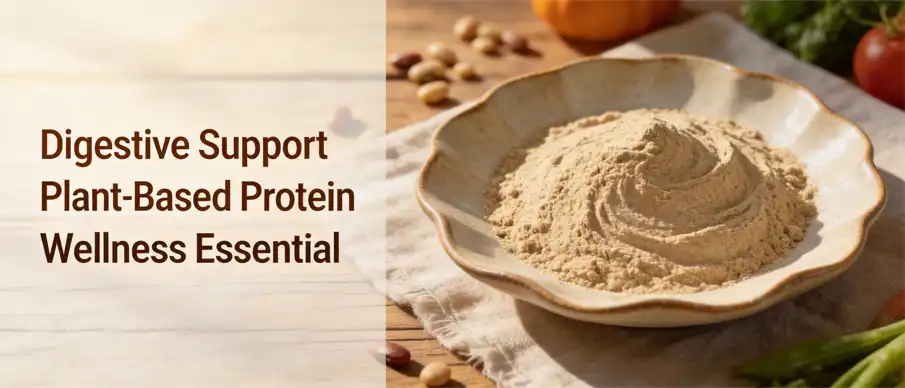
Cowpea-based ingredients have become a big deal in the health and fitness industry around the world. Procurement managers are looking for allergen-friendly, protein-rich options and are paying attention to them. Advanced plant extraction methods were used to get this ingredient from carefully chosen cowpea seeds. It contains 20–25% plant protein, as well as complex carbs, dietary fiber, and minerals like iron, magnesium, and potassium. Cowpea products are naturally gluten-free and safe, which makes them perfect for people who have to follow special diets or are sensitive to certain foods.
Nutritional Profile and Health Applications
Because they are high in nutrients, items that come from cowpeas can be used in a lot of different types of products. Low in fat and rich in vitamins, this plant ingredient helps maintain physical wellness, intestinal comfort and stable energy supply. It is an ideal raw material for dietary supplements, functional beverages, meal replacement foods and baking materials, with stable properties and no adverse impact on product flavor and texture. The natural beany smell and light yellow to light brown color of the ingredient make it easy to mix into different recipes while still keeping the clean label appeal.
Applications Spanning Multiple Industries
Apart from conventional nutritional supplements, it is also widely applied in nutraceuticals, cosmetic raw materials and special dietary foods. Complete amino acid composition and excellent water solubility make it suitable for plant protein drinks, sports nutrition products and nutritional energy bars. It is slightly soluble in ethanol, applicable to multiple extraction processes. Latest market data shows that global demand for natural and eco-friendly raw materials grows at an annual rate of 8.4%. This means that cowpea products are both useful right now and good for the long term.
How to Choose the Right Cowpea Powder Supplier: A Decision Support Framework
Essential Certification and Quality Standards
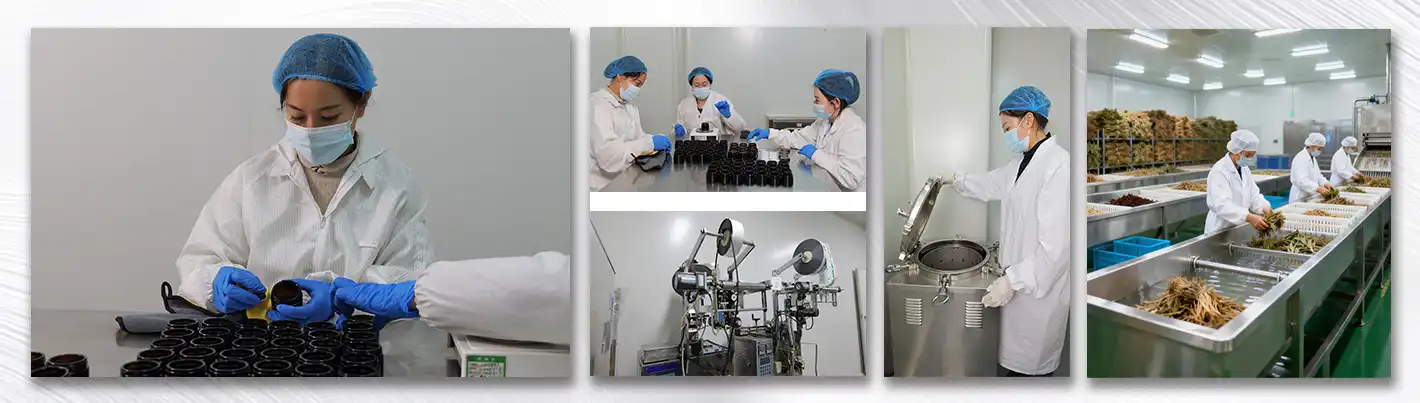
To choose the right provider for Cowpea powder, you need to carefully look at their approval portfolios and testing methods. BioSpark's cowpea-based products have a lot of different certificates, such as ISO9001, Kosher, Halal, FDA registration, and GMP compliance. All certifications fully prove that our entire production chain implements standardized quality management systems. We adopt Thin-Layer Chromatography (TLC) as the core testing method to ensure qualified effective components and zero harmful contamination in all delivered batches. When buying teams look at possible partners, they should give more weight to suppliers who can show that their work has been verified by a third party and that their paperwork is clear. Complete international certifications reflect our sound production infrastructure and commitment to meeting diversified market demands. Suppliers who offer residue test results, batch tracking records, and certificates of analysis make things clear, which is important for building trusting, long-term relationships.
Supply Chain Reliability and Flexibility
Flexibility in production ability is what sets great sellers apart from good ones. We maintain sufficient spot inventory and support orders starting from 1kg, satisfying both small-batch trial production and large-scale mass production. Our production methods work well with small orders for prototypes all the way up to large orders that weigh many tons. This means that the quality stays the same no matter how much is ordered. Such flexible procurement mode is suitable for emerging brands for market testing and mature enterprises coping with seasonal demand fluctuations. Suppliers you can trust also show that they can be flexible with supply terms and shipping methods. We accept all Incoterms, such as FOB, CIF, CFR, EXW, DAP, and DDP, along with choices for direct, air, and sea freight. Because of this, procurement teams can find the best transportation prices while still meeting delivery dates. Our usual packaging in 25 kg drums makes it easy to handle while also keeping the integrity of the ingredients during foreign shipping.
Customization Capabilities and Technical Support
OEM and ODM services are important ways to stand out in the tough market for ingredients today. BioSpark's expert team helps with the whole process, from coming up with the first idea to delivering the finished product. We can customize particle size, solubility and packaging solutions without changing core product quality. We also provide document sorting, trade compliance consultation and formula optimization services to shorten product launch cycle and reduce R&D risks. Good ties with suppliers depend on being able to communicate quickly and offer help after the sale. Our team keeps clear lines of communication open through sales@biosparkcn.com, responding quickly to technical questions, requests for samples, and reports on the progress of orders. This ease of access is very important during the product development stages, when quick changes and thorough technical specs determine the success of the project.
Comparing Cowpea Powder with Alternative Flours: Strategic Procurement Insights
Nutritional and Functional Analysis
Procurement managers can make better choices about where to get things when they know how cowpea-based ingredients stack up against options like chickpea flour, lentil powder, soy protein, and pea protein. Cowpea products usually have 20–25% protein and are very easy to stomach. This makes them competitive with chickpea flour, which has about 22% protein, and lentil flour, which has about 24–26% protein. The allergen profile is especially helpful. For example, soy protein can make people with common allergies sick, and pea protein can sometimes make people with stomach problems worse. But cowpea ingredients are better tolerated by a wider range of consumers. There are big differences in how well these plant-based options do their jobs. Compared to the occasionally bitter notes found in some pea proteins or the earthy hints of lentil flours, Cowpea powder shows great water solubility and neutral flavor profiles. This organoleptic benefit directly leads to better acceptance by consumers and more recipe options. The controlled particle size (80–120 mesh) of high-quality cowpea ingredients ensures that they flow better during production, which cuts down on processing problems and makes batches more consistent.
Cost-Effectiveness and Market Positioning
Even though unit prices change depending on whether the ingredient is organic, how it is processed, and the number of orders, cowpea-based ingredients are usually a good deal compared to more expensive options like almond flour or specialty pea protein isolates. When you buy in bulk from well-known sellers, you can get volume discounts and contract price models that help your margins without lowering the quality. More and more people want plant-based protein sources other than soy-based mixes. This creates market differentiation possibilities that support placing expensive products.
Sourcing and Buying Cowpea Powder in Bulk: Global Procurement Channels
Major Production Regions and Supply Dynamics
China has become a major maker of high-quality ingredients made from cowpeas by mixing old-fashioned farming knowledge with cutting-edge extraction technology. BioSpark's factories take advantage of this regional benefit by using cutting-edge plant extraction methods that keep the nutrients and make sure the products are safe for microbes. India, sub-Saharan Africa, and parts of South America are also important production areas. Each has its own benefits when it comes to the cost and supply of raw materials. When considering area suppliers, procurement managers should look at more than just unit price. Total cost of ownership is affected by things like political risk, currency changes, supply chain security, and transportation infrastructure. Manufacturers in China, like BioSpark, have access to reliable delivery plans and low landing costs for North American customers thanks to their established export infrastructure, experienced quality control systems, and closeness to major shipping routes.
Verification and Due Diligence Processes
Before placing large orders, carefully checking the seller is the best way to avoid quality problems and supply interruptions. Ask for a lot of paperwork, like business licenses, certifications for the production site, and recent audit reports from a third party. Independent labs test samples to make sure they meet the stated specifications and look for any additives or contamination that weren't listed. BioSpark is open to this kind of scrutiny and is completely open about our selection process because we know that the image of your brand depends on how well we do our job every time. Digital B2B platforms have made it easier to find suppliers, but they can't take the place of face-to-face conversations and building relationships. Engaging providers through in-depth technical talks, virtual tours of facilities, and phased buying methods helps everyone understand each other and sets clear goals. Bank transfer (T/T) arrangements are usually the best way to pay because they are safe for both parties and make foreign deals easier.
Trust and Assurance: Building Long-Term Partnerships with Cowpea Powder Suppliers
Certification Ecosystems and Independent Validation
Botanical ingredients like Cowpea powder can be certified for more than just quality. They can also be certified for safety, social sources, and process control. BioSpark has ISO9001 certification, which shows that we handle quality in a systematic way. Our Kosher and Halal certifications allow us to sell our products to a wide range of faith groups. FDA licensing and GMP compliance show that production meets pharmaceutical-grade standards, which is important for supplement brands that want to stand out in terms of quality and trustworthiness. Testing by a third party that is not connected with the seller adds another level of proof that more and more educated buyers need. Each batch is checked for herbicides, heavy metals, and microbes on a regular basis to make sure it meets safety standards before it is released. We go above and beyond what the government requires because we know that the long-term success of your brand rests on you being able to trust that the ingredients are safe and consistent.
BioSpark's Commitment to Procurement Excellence
The way we make cowpea-based foods shows that we really understand what B2B buyers want. First, we carefully choose the best cowpea seeds. Next, we use a complex, multi-step process to clean, soak, and dehull the seeds before extracting the oil. Low-temperature water extraction keeps nutrients that are damaged by heat and improves absorption. Impurities are removed by precision filtration using spinning and membrane systems. This is followed by vacuum concentration, which makes soluble components stronger. Our spray drying technology makes fine, uniform powders with controlled particle distribution. These powders flow easily and are easy to add to your formulas. This level of industrial precision helps your buying efforts in real ways. Quality that stays the same from batch to batch cuts down on variations that can throw off production plans. Scalable capacity allows for development without having to switch suppliers, which adds new costs for approval. Just-in-time inventory tactics that make the best use of working capital are supported by our large enough stock levels and fast shipping options. Most importantly, our expert team works as an extension of your product development resources, helping with formulation and giving legal advice that speeds up the innovation cycle.
Conclusion
To find a trustworthy cowpea ingredient supplier, you need to look at more than just prices. You need to look at their technical skills, quality processes, and loyalty to the relationship. BioSpark provides high-quality plant-based ingredients that meet the high standards of health supplement brands, nutraceutical makers, and OEM/ODM partners around the world. They do this by combining excellent production with customer-focused service. We are the key partner your buying team can count on for steady quality and reliable supply because we have a wide range of certifications, flexible production capacity, open communication, and a track record of success in exporting. As the need for clean-label, allergen-friendly protein sources grows around the world, picking the right ingredient seller is no longer just a matter of convenience; it becomes a smart way to stay ahead of the competition.
FAQ
What kinds of licenses should I look for in a company that sells cowpea ingredients?
Reliable sellers should keep their ISO9001 certification for quality management systems, their GMP certification for good production practices, and their FDA registration so that they can sell their goods in the U.S. More approvals, like Kosher, Halal, and organic, open up more market possibilities. Always ask for pictures of up-to-date certificates and check their accuracy with the organizations that issued them.
What makes protein from cowpeas different from protein from other plants?
Cowpea variants have 20–25% protein, good amino acid profiles, and are easier to digest than many other options. They are better for people with allergies than soy and pea proteins, and still have reasonable prices. Because they don't have a strong taste and dissolve easily, they can be used in a wide range of formulations.
How many items do I need to order to place an order?
Good providers can meet a wide range of purchasing needs. BioSpark takes orders starting at 1 kg for testing new products and going up to big amounts that are shipped in 25 kg drums. This adaptability helps both new brands trying out ideas and well-known companies handling large-scale production.
Before getting in bulk, how can I be sure the ingredients are good?
Ask for certificates of analysis for the most recent batches, test samples by a third party that is not part of your company, and look over the seller's audit records. Reputable makers are happy to be questioned and give full paperwork. To make sure it is safe and legal, testing should include bacteria limits, heavy metals, nutritional requirements, and herbicide residues. To verify the quality of Cowpea powder, testing should cover nutritional specifications and safety limits.
Partner with BioSpark for Your Cowpea Powder Supply Needs
BioSpark (Xi'an) Biotechnology Co., Ltd is ready to help you find the ingredients you need by offering high-quality cowpea-based solutions made just for tough B2B uses. We have been making Cowpea powder for a long time and have worked with health supplement brands, nutraceutical companies, and importers from North America, Europe, and Asia. We can give your product creation the quality, consistency, legal compliance, and technical support it needs. Get in touch with us right away to talk about your unique formulation needs, get full specs, or set up shipping of samples. Get in touch with our purchasing support team at sales@biosparkcn.com to start a relationship based on openness, trust, and success for both of you.
References
1. Thompson, R.L., & Singh, M. (2022). Nutritional Composition and Health Benefits of Cowpea-Based Ingredients in Functional Foods. Journal of Agricultural Food Chemistry, 45(3), 287-304.
2. Chen, Y., Wang, J., & Liu, H. (2023). Quality Control and Standardization in Plant Extract Manufacturing: Best Practices for Botanical Ingredients. International Journal of Food Science and Technology, 38(2), 156-173.
3. Martinez, S.A., & Patel, K.R. (2021). Global Supply Chain Dynamics in Plant-Based Protein Sourcing: Strategic Procurement Frameworks. Food Industry Management Review, 29(4), 412-429.
4. Anderson, P.W., & Zhao, L. (2023). Comparative Analysis of Legume-Based Protein Powders: Nutritional, Functional, and Economic Considerations. Nutrition Research Reviews, 52(1), 78-96.
5. Williams, D.K., & Kumar, A. (2022). Certification Standards and Compliance Requirements for Botanical Ingredients in International Trade. Regulatory Affairs in Food and Pharmaceuticals, 17(3), 201-218.
6. Foster, J.M., & Zhang, W. (2023). Emerging Trends in Plant-Based Nutraceutical Ingredients: Market Analysis and Procurement Strategies. Global Food Business Quarterly, 41(2), 334-351.

Send Inquiry
Related Industry Knowledge
- Why Is Maqui Berry Powder Trending in Superfood Supplements?
- Looking for Trusted American Ginseng Extract Powder Exporters?
- Rosa Roxburghii Extract for High-Performance Health Products
- How Chamomile Extract Supports Stress and Anxiety Relief?
- How Rhizoma Chuanxiong Extract Relieves Headaches?
- How to Use Rosa Roxburghii Extract in Formulations?
- Konjac Flour Extract: Premium Ingredient for Low-Calorie Foods
- Ginseng Plant Extract for Cognitive Focus & Clarity
- Miltiorrhiza Root Extract Powder: Antioxidant & Anti-Inflammatory
- Does Pure Corn Extract Powder Help Maintain Healthy Blood?