_1764041963888.webp)
How to Use Red Bean Extract in Food and Cosmetics?
Apr 07, 2026
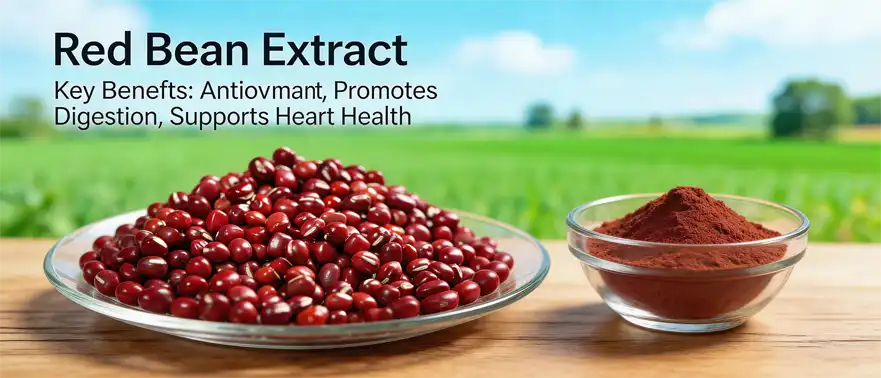
Red bean extract is a new and exciting plant ingredient that is bringing value to the food and beauty industries with its beneficial bioactive components and wide range of uses. This concentrated extract comes from Vigna angularis and is made using special methods. Not only is it a useful functional ingredient, but it has also been shown to help support body management and overall health. When used as a concentrated red bean powder, it maintains consistent activity and is easy to use in a lot of different recipes. This makes it a great tool for companies that need clean-label choices to meet customer needs for natural products that work.
Understanding Red Bean Extract: Composition and Benefits
Bioactive Composition and Extraction Methods
Different from regular red bean powder, red bean extract is made using complex extraction methods that focus on key beneficial chemicals while getting rid of unwanted parts. Advanced plant extraction methods are used to keep the important alkaloids, flavonoids, and phenolic substances that give the food its skin-soothing and health-supporting properties. Because this extract is very concentrated, it comes in normal strength levels (10:1), which means that the effects will be the same from one production batch to the next. Using Thin‑Layer Chromatography (TLC) tests to confirm the presence and quantity of active substances gives makers accurate quality assurance data that is needed for legal compliance and product development.
Health Benefits and Scientific Evidence
Red bean extract is good for your metabolism because it helps support healthy blood sugar levels already within normal range and supports healthy weight management, according to research. Since there are a lot of them, the polyphenols and flavonoids protect cells from oxidative stress and make health better in general. The ingredient can stop alpha-amylase enzymes from doing their job, which helps the body use glucose better after a meal, as shown in experimental studies. For this reason, it provides reliable supportive effects for functional food uses that want to supports metabolic health. Its natural properties support healthy fluid balance keep a healthy fluid balance without taking away important nutrients, which calms people's fears about man-made choices.
Quality Standards and Certifications
To be considered premium, red bean extract has to meet strict quality standards. These include ISO9001, GMP, FDA compliance, and other certifications like Kosher and Halal approvals. These certificates make sure that the item meets the needs of a wide range of markets while keeping the same level of quality and safety. The fine, dark brown to brownish powder looks, smells, and dissolves easily in water, all of which are signs of good processing and quality. Microbiological tests, heavy metal analysis, and residue analysis are the last parts of the full quality review that are needed for B2B purchasing choices.
How to Use Red Bean Extract in Food Products
Beverage Applications and Formulation Strategies
Careful attention needs to be paid to how well red bean extract dissolves and how it tastes when it is added to drinks. Because the extract dissolves easily in water, it's perfect for ready-to-drink drinks, functional waters, and quick drink mixes that are aimed at health-conscious customers. Depending on the targeted functional benefit and taste strength, the recommended dose ranges are usually between 100 mg and 500 mg per serve. The extract mixes well with other plant-based ingredients, making the product more effective and appealing to customers. Manufacturers of drinks like that the extract stays stable during heating, so it keeps its bioactivity throughout the shelf life.
Functional Food Integration
There are many ways to use red bean extract, not just in drinks. It can also be used in a wide range of useful foods. The extract is thermally stable, which means it keeps its antioxidant qualities even when it's processed at high temperatures. Because the protein has a low glycemic effect, it can be used in health-focused goods without adding too many carbs. The concentrated bioactivity of the extract is used by companies that make dietary supplements to make specific formulas for metabolic support, weight control, and general health. Because the extract works well with proteins, vitamins, and minerals, it can be used in complicated formulas that support multiple aspects of health.
Regulatory Compliance and Market Readiness
When adding red bean extract to food items, B2B clients have to deal with complicated legal settings. Labeling rules, checking for GRAS (Generally Recognized as Safe) status, and country-specific rules all need close attention to make sure the product is ready for the market. Product launches that go well show how important it is to have a lot of paperwork, like safety studies, food analyses, and proof that the manufacturing process works. These parts help with governmental filings and give customers more faith in the safety and effectiveness of the product.
Applying Red Bean Extract in Cosmetics and Personal Care
Anti-Aging and Skin Health Applications
The concentrated anti-inflammatory and antioxidant qualities of red bean extract make it a great ingredient for cosmetics. Because it can protect skin cells from oxidative stress, the extract provides reliable supportive effects in anti-aging creams, serums, and focused treatment products. Cosmetic makers like the extract because it has mild skin-friendly properties that come from the saponin content. These qualities make the appearance of the product better while also providing useful benefits. Because the ingredient has been shown to mild skin-friendly properties and improve circulation, it can be used to make goods that are unique and address specific customer concerns.
Formulation Considerations and Stability
For cosmetics to work best, they need to be used in exact amounts, which can be anywhere from 0.5% to 3%, based on the result you want and the type of product. The extract is stable across a range of pH levels and works well with common cosmetics ingredients. This makes it easier to make new formulations that work well every time. Spray-drying and other advanced processing methods make hygroscopicity problems with polysaccharide-rich extracts less of a problem. This new technology makes sure that the product stays stable and doesn't clump while it's being stored or used.
Competitive Advantages in Personal Care
When compared to other plant extracts, red bean extract has special benefits that set cosmetics apart in a market full of competition. The extract works as both an active ingredient and a gentle botanical component, which makes the recipe simpler while also improving the performance of the product. Case studies of successful relationships between OEMs and suppliers show how important they are for getting the best results. Protocols for quality assurance, such as group testing and stability studies, make sure that products always work the way that customers expect them to and meet government standards.
Procurement Guide for Red Bean Extract: Choosing the Right Supplier
Supplier Evaluation Criteria
Many important factors for B2B success must be carefully considered when choosing a trusted source for red bean extract. Third-party tests to make sure of purity, extensive certification files, and clear production methods are what source review is based on. When thinking about costs, you need to weigh the original investment against the long-term value, which includes things like stability, dependability, and expert help. Suppliers who offer a range of packing choices, from small 1 kg samples to big 25 kg drums, show that they can grow with your business while still meeting quality standards.
Due Diligence and Quality Verification
Doing your due diligence right means looking at the certifications of your suppliers, auditing your facilities when you can, and making sure they meet foreign standards. Reports on HPLC tests, paperwork for certificates of analysis, and data on batch-to-batch uniformity give important information about a supplier's skills. When people first ask for information, they should focus on talking about technical details, the ability to customize, and the stability of the supply chain. When suppliers give OEM/ODM services, private marking choices, and recipe help show that they add more value.
Supply Chain Optimization
To get the best transportation prices and delivery times, modern buying calls for flexible delivery terms like FOB, CIF, CFR, EXW, DAP, and DDP. Express, air freight, and sea freight are all shipping ways that can be used for different levels of urgency and order sizes. Payment options that are easy to use, especially bank transfer (T/T) options with good terms, help build stronger relationships with suppliers and keep cash flow under control. Supply chain risks that could affect production plans are lower when there is enough stock and fast delivery.
Summary and Best Practices for Utilizing Red Bean Extract
Dosage Optimization and Quality Control
For red bean extract to work well in food and beauty products, it needs to be used according to established dosage rules and strict quality control measures. 100 to 500 mg per serving is usually used in food uses, while 0.5 to 3% inclusion rates work best in cosmetic formulas. To make sure uniform performance and customer happiness, quality control methods must include checking the raw materials, keeping an eye on the work in progress, and trying the final product. Quality standards are kept up by regular source checks and batch testing methods, which also find problems before they affect production.
Future Market Opportunities
For example, a new study is finding more uses for red bean extract, especially in the beauty and health goods industries. Market growth is driven by consumers' growing desire for natural materials backed by science. This also opens up possibilities for new product creation. Companies can do well in changing markets if they have strategic buying relationships that focus on quality, dependability, and technical support. Continuous improvement of extraction methods and preparation strategies helps businesses stay ahead of the competition and meet the needs of customers whose standards are becoming more complex.
Conclusion
Red bean extract is a flexible ingredient that has been backed by science and provides consistent functional benefits in both food and beauty products. Its high concentration of bioactive components, proven effectiveness, and excellent manufacturing properties make it a great choice for companies that want to make natural products that meet the needs of customers who want safe and effective products. To use this element successfully, you need to build smart relationships with suppliers, follow quality standards, and fully understand the needs of each application. As the market for natural, useful ingredients grows, red bean extract can be a great addition to products aimed at health-conscious people around the world.
FAQ
What is the recommended dosage for red bean extract in food products?
The optimal dosage for red bean extract in food applications typically ranges from 100-500mg per serving, depending on the intended functional benefit and product type. Beverage formulations generally utilize the lower end of this range to maintain palatability, while dietary supplements may incorporate higher concentrations for enhanced functional benefits.
How does red bean extract compare to other botanical extracts in cosmetics?
Red bean extract offers unique advantages over other botanical extracts through its dual functionality as both an active ingredient and a natural emulsifier. The concentrated antioxidant content and mild skin-friendly properties derived from saponins create formulation efficiencies while delivering proven anti-aging and anti-inflammatory benefits.
What certifications should I look for when sourcing red bean extract?
Essential certifications include ISO9001, GMP, FDA compliance, and specialized approvals like Kosher and Halal, depending on your target markets. HPLC testing verification and comprehensive certificate of analysis documentation ensure quality and regulatory compliance across international markets.
Can red bean extract be used in both organic and conventional products?
Yes, red bean extract availability in both organic and conventional forms provides flexibility for different product positioning strategies. Organic certification adds premium positioning opportunities while conventional options offer cost-effective solutions for broader market applications.
Partner with BioSpark for Premium Red Bean Extract Solutions
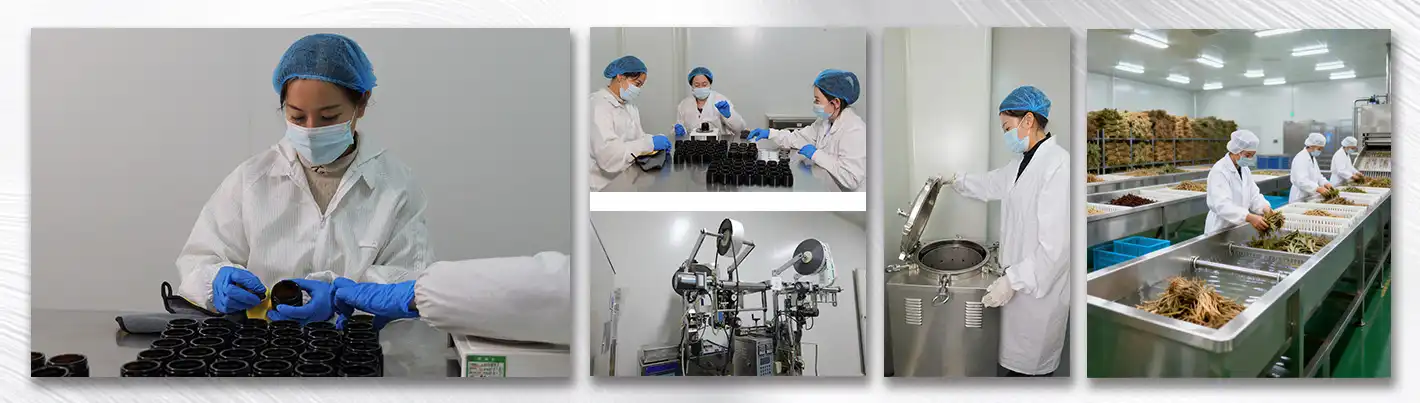
BioSpark stands as your trusted red bean extract supplier, delivering uncompromising quality and comprehensive OEM/ODM services tailored to your specific requirements. Our advanced plant extraction methods preserve critical bioactive compounds while ensuring consistent potency and purity across every batch. With ISO9001, GMP, FDA, Kosher, and Halal certifications, we guarantee compliance with international standards while offering flexible delivery terms and competitive pricing structures. Our expertise spans dietary supplements, functional foods, and cosmetic applications, providing technical support throughout your product development journey. Contact our team at sales@biosparkcn.com to discuss your red bean extract procurement needs and discover how our reliable supply chain, rigorous quality control, and customer-focused approach can enhance your product portfolio and market success.
References
1. Journal of Functional Foods, "Bioactive compounds and health benefits of red bean extracts: A comprehensive review of phytochemical composition and functional applications," 2023.
2. International Journal of Cosmetic Science, "Antioxidant and anti-inflammatory properties of Vigna angularis extract in skincare formulations: skin-friendly efficacy and safety evaluation," 2022.
3. Food Chemistry and Toxicology, "Alpha-amylase inhibitory activity and postprandial glucose response of concentrated red bean extracts in metabolic health applications," 2023.
4. Phytotherapy Research, "Polyphenolic compounds in red bean extract: Extraction optimization, stability analysis, and bioavailability studies," 2022.
5. Cosmetics and Toiletries Magazine, "Natural emulsifiers in personal care: Evaluating saponin-rich botanical extracts for cosmetic formulation applications," 2023.
6. Nutraceuticals and Functional Foods Quarterly, "Quality standards and regulatory considerations for botanical extracts in dietary supplement manufacturing," 2022.

Send Inquiry
Related Industry Knowledge
- Can gardenia fruit powder be used in skincare products?
- Gotu Kola Extract Powder: Benefits for Stress and Anxiety?
- What Are the Key Benefits of Pomegranate Seed Extract Powder?
- Natural Artichoke Extract: Top Benefits for Modern Wellness
- Bulk Ilex Leaf Extract Supplier for Industry Use
- Red Bean Extract: A Functional Ingredient for Modern Diets
- Apple Peel Extract Powder Benefits for Skin & Health
- Does Konjac Flour Extract Reduce Cholesterol Levels?
- Ganoderma Extract Powder: Natural Antioxidant Powerhouse
- Oyster Shell Extract Powder: Zinc, Taurine & Vital Trace Minerals