_1764041963888.webp)
Which Banana Juice Powder Specifications Matter Most to Buyers?
Oct 06, 2026
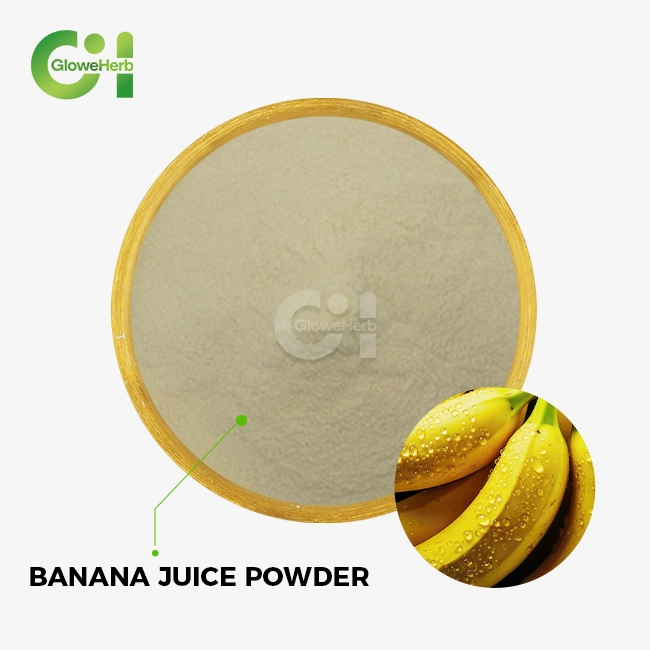
When acquiring banana juice powder for commercial purposes, specification details are key to product performance, regulatory compliance, and end-consumer satisfaction. Be it purity, concentration, moisture content, certificates, or solubility, each attribute has genuine weight in buying decisions. Buyers across dietary supplement brands, nutraceutical firms, and food makers need a clear framework for understanding what distinguishes a dependable banana juice powder from one that causes formulation difficulties. This guide covers all the specifications that matter.
Understanding Banana Juice Powder: Key Specifications Explained
The concentrated extract is the starting material. Banana juice powder is obtained by processing ripe banana pulp through chemical hydrolysis and low-temperature spray drying. Whole fruit drying sometimes loses heat-sensitive compounds and the particular scent of the fruit. This method retains these things.
Purity and Active Ingredient Concentration
So banana juice powder works because of the banana pulp solids. So let’s say 95% by weight is the benchmark. With HPLC testing, you can confirm that. Buyers get a highly concentrated, homogeneous substance, not a filler product that’s not as powerful. The higher the quality, the more effective the supplement formulas will be in giving the proper dosage, and the stronger the food will taste.
Moisture Content and Particle Size
Banana fruit powder is stable on the shelf with a water content of 3.5% or less and does not clump during storage or mixing. The fine particle size also contributes to its uniform dissolution, an essential factor in beverages and sports nutrition where a smooth texture is desired.
Certifications and Compliance Standards
BioSpark’s banana juice powder is ISO9001, GMP, FDA, Kosher, and Halal approved. These certificates prove the manufacturing meets safety and quality requirements around the globe. Verified certification documentation reduces clearance timeframes and labeling risks for importers targeting regulated markets in North America or Europe.

Critical Buyer Criteria: How to Choose the Right Banana Juice Powder
There's more to choosing the right banana juice powder than just looking at price lists. Buyers must make sure that the product's specs match how it will be used, whether it's for protein shakes, baby food, or baked goods.
Application-Specific Requirements
A sports nutrition brand is all about having a lot of potassium (at least 1500 mg per 100g), natural carbohydrates to give you energy, and something that dissolves rapidly. A bakery provider might concentrate on uniformity of taste and compatibility with reduced sugar items. Infant formula manufacturers choose a low-allergen product with clear, traceable labeling. It is contingent upon what you want to produce in the end, which standard deserves more attention.
Ingredient Transparency and Traceability
People are demanding clear labeling more and more in the U.S. market. Buyers want to know more and more about where the raw material comes from and where the completed batch originated. BioSpark carefully selects its raw material suppliers for bananas and tests each manufacturing batch using HPLC. This ensures that each drum of banana pulp powder fits the stipulated criteria and is not adulterated.
Volume Flexibility and MOQ
You don't have to purchase an entire pallet at launch. BioSpark has a minimum order quantity of 1 kilogram. This makes it a great option for startups testing out novel formulae as well as large distributors needing to scale up production. It offers greater flexibility with less financial risk and yet allows you to utilize the same grade banana juice powder used to produce huge amounts.
Comparing Banana Juice Powder Options in the Market
There are so many banana-based products out there. Knowing the distinctions enables procurement teams to make smarter sourcing selections.
Banana Juice Powder vs. Banana Powder
Banana juice powder, in comparison to whole-fruit banana powder with higher fiber and starch content, is produced from extracted juice or pulp solids and has a cleaner taste and quicker solubility. Banana juice powder dissolves better and blends better with liquids when used in beverages and supplements. Banana powder is ideal in denser forms like baked products or meal replacement bars if the texture is fine.
Organic vs. Standard Grade
The banana fruit extract that is certified organic is more expensive, but it is more popular with individuals who prefer to purchase items that do not contain pesticides. So, the standard-grade banana juice powder (like BioSpark’s) still needs to be tested for quality and meet all the licensing requirements. Buyers should weigh the necessity for approval against the market pricing thresholds they want to hit before picking a provider.
Origin and Processing Technology
Country of origin might affect cost, flavor consistency, and legal paperwork. BioSpark banana juice powder is created in China using a plant extraction process in a GMP-certified facility. Health supplement consumers generally search for two vital ingredients, vitamin B6 and potassium, which are kept safe by the low-temperature processing technique.
Packaging, Storage, and Shelf Life: Specifications That Affect Product Viability
If you don't store and package banana juice powder properly, even the purest powder will lose value over time. These useful features affect how the product can be used from the warehouse to the factory floor.
Packaging Format and Barrier Protection
BioSpark puts banana juice powder in 25 kg drums with bags made of metal and plastic. This shape makes it hard for moisture and light to get in, which are the two main things that make fruit-based powders lose their quality. Drum packaging is also good for business-to-business dealing because it lowers the risk of contamination during warehouse moves.
Storage Conditions for Maximum Shelf Life
Keep banana pulp powder somewhere cool and dry, away from direct light and heat sources. Controlled temperature storage (below 25°C) and a moisture content of ≤3.5% at production give banana juice powder a shelf life that works for global supply chains. Buyers who are in charge of big product cycles should plan their warehouses with these conditions in mind.
Shipping and Delivery Terms
BioSpark offers a range of shipping types, such as FOB, CIF, CFR, EXW, DAP, and DDP. This gives buyers in the US complete freedom when it comes to setting up logistics. Depending on the size and necessity of the order, shipping can be done by fast air freight or sea freight. As long as enough stock is kept on hand, delivery times will stay consistent across all markets.
Supplier Selection: Ensuring Trust, Quality, and Service
Reliable suppliers don’t only deliver items on schedule. They assist with product production for a long time, provide documentation, answer expert queries, etc.
Credential Verification
BioSpark’s banana juice powder is ISO9001, GMP, FDA, Kosher, and Halal approved. These credentials have been verified by a third party and are directly linked to compliance in the U.S. and foreign markets. Procurement teams should get batch-specific certificates of analysis (COA) and third-party test results prior to entering into a supply arrangement.
OEM and ODM Capabilities
BioSpark offers comprehensive OEM and ODM services for companies who want to have formulae that are exclusively theirs. The production team can manage small-batch customized and large-scale manufacturing runs from the same quality-controlled facility. This is true whether a client needs a unique banana extract mix, customized packaging, or a finished product with their own label.
Conclusion
Buyers who use banana juice powder as a commodity typically run into formulation mistakes, delays in compliance, and supply concerns. The most significant criteria – purity, certificates, moisture content, the integrity of the packaging, and the credentials of the provider – all function as a system. BioSpark's banana juice powder, 95% banana pulp solids, HPLC quality-checked and completely certified, immediately meets these standards. “When procurement teams are clear on the specification from the outset, products will perform better, and there will be fewer shocks in the supply chain.

FAQ
1. What is the standard purity level for high-quality banana juice powder?
Premium banana juice powder should contain at least 90–95% banana pulp solids by weight. BioSpark's product is specified at 95%, verified by HPLC testing, which confirms both concentration accuracy and batch-to-batch consistency.
2. How does banana juice powder differ from banana powder in supplement formulas?
Banana juice powder comes from extracted juice or pulp solids and dissolves faster in water, making it better suited for liquid supplements and beverages. Banana powder retains more whole-fruit fiber and is more common in solid formats like bars and baked goods.
3. What certifications should buyers require from a banana fruit powder supplier?
At minimum, buyers should look for GMP, ISO9001, and FDA compliance documentation. Kosher and Halal certifications matter for specific market segments. BioSpark carries all five of these credentials for its banana juice powder.
4. What is the minimum order quantity for BioSpark's banana juice powder?
The MOQ is 1 kg, which allows brands at the formulation stage to test the product before committing to larger volumes. Full production batches are available in 25 kg drums.
5. How should banana juice powder be stored to maintain quality?
Store in a sealed container below 25°C, away from moisture and direct light. Maintaining ≤3.5% moisture is key for preserving flavor, solubility, and nutritional potency across the shelf life period.
Partner with BioSpark for Premium Banana Juice Powder Supply
BioSpark (Xi'an) Biotechnology Co., Ltd. is a reliable company that makes banana juice powder and offers full certification compliance, verified quality, and OEM/ODM freedom for health supplement brands and wholesalers. We have a minimum order quantity of 1 kg, 25 kg drum packing, and a number of shipping choices, so we can perfectly fit your needs. To get a sample or start a talk about sourcing, email our team at leao@biosparkcn.com right now.
References
1. Craig, W. J., & Mangels, A. R. (2009). Journal of the American Dietetic Association — Position of the American Dietetic Association: Vegetarian Diets.
2. Lim, T. K. (2012). Edible Medicinal and Non-Medicinal Plants: Volume 1, Fruits — Springer Science & Business Media.
3. Marriott, J., & Lancaster, P. A. (1983). Bananas and Plantains — FAO Plant Production and Protection Paper No. 47.
4. Parfitt, J., Barthel, M., & Macnaughton, S. (2010). Philosophical Transactions of the Royal Society B — Food waste within food supply chains: quantification and potential for change.
5. Singh, B., Singh, J. P., Kaur, A., & Singh, N. (2016). Food Chemistry — Bioactive compounds in banana and their associated health benefits.
6. Someya, S., Yoshiki, Y., & Okubo, K. (2002). Food Chemistry — Antioxidant compounds from bananas.

Send Inquiry

Related Industry Knowledge
- Why Is Wolfberry Peptide Gaining Market Demand?
- Why Choose Purslane Saponins for Premium Plant Extracts?
- How to Find a Reliable Purple Cabbage Powder Supplier?
- White Kidney Bean Extract Powder: Appetite Control & Satiety Science
- Can pomegranate seed extract powder improve blood circulation naturally?
- How Does Pure Corn Extract Powder Support Daily Nutrition?
- What to Look for When Buying Ganoderma Extract Powder?
- Radix Rehmanniae Extract in Traditional Herbal Medicine
- Are Spirulina Extract Tablets Good for Detoxification?
- Can Fulvic Acid Powder Help Improve Energy and Mood?
