_1764041963888.webp)
How Does Pure Corn Extract Powder Support Daily Nutrition?
Jun 25, 2026
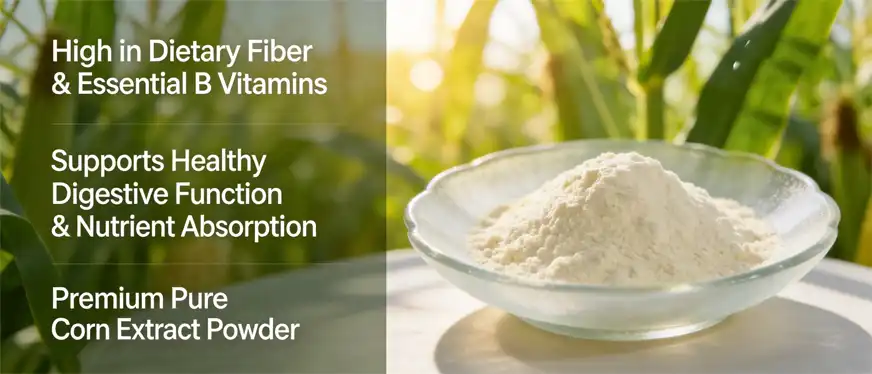
As part of a healthy diet, Pure Corn Extract Powder provides concentrated beneficial compounds, mainly zeaxanthin and lutein, that help keep the eyes healthy, cells protected, and the metabolism in balance. This plant extract is made from non-GMO maize using modern spray drying technology. It keeps all of the important vitamins, minerals, carbohydrates, and antioxidants. Its consistent makeup makes it a great useful ingredient for dietary supplements, health products, and enriched foods that aim to protect the eyes, boost the immune system, and improve general nutrition.
Understanding Pure Corn Extract Powder and Its Nutritional Profile
What Is Pure Corn Extract Powder?
Corn goes through a controlled extraction and drying process to make Pure Corn Extract Powder, which is a high-tech plant extract. Regular corn flour or starch doesn't have the beneficial chemicals that are naturally found in corn seeds, but this extract makes them stronger. First, the best non-GMO maize is chosen. Then, it is treated with enzymes, extracted with solvents, and dried using spray technology. This method keeps nutrients that are damaged by heat safe while also making sure that microbes are safe. High-Performance Liquid Chromatography (HPLC) tests show that the end product is a fine, yellow to orange-yellow powder with a unique smell and a zeaxanthin amount that is standardised between 5% and 20%.
Key Nutritional Components
This extract is very healthy because it has a lot of different phytochemicals in it. These two pigments—zeaxanthin and lutein—accumulate in the eye to block out blue light that is bad for you. Because the body can't make these pigments itself, they must be obtained from food. Besides these, the extract has corn polysaccharides (20% to 50%), which help the health of your gut, and corn peptides (200 to 1000 Daltons), which are antioxidants and help your heart. It also has phytosterols like β-sitosterol that help the body use fats, as well as ferulic acid (0.1% to 0.5%), which reduces inflammation and protects against UV light.
Differentiating Corn Extract from Other Corn Derivatives
To make sure labels are correct, people who work in procurement must be able to tell the difference between different corn-based ingredients. Corn starch is mostly used to make things and doesn't have much nutritional value. On the other hand, corn syrup powder gives you energy through simple carbohydrates but not bioactives. There are more nutrients in maize flour than in starch, but it is processed much less than plant products. Pure Corn Extract Powder uses targeted extraction and spray drying to keep the molecular integrity of carotenoids and phenolic compounds. This makes sure that the powder's strength is the same for health claims and regulatory compliance.
Nutritional Benefits of Pure Corn Extract Powder in Daily Health
Vision Protection Through Macular Carotenoids
The macula lutea is the part of the retina in the middle that lets you see clearly and with great clarity. It's where zeaxanthin and lutein build up to absorb blue light with wavelengths between 400 and 500 nanometres. This keeps photoreceptor cells from being stressed by reactive stress. A daily dose of 2 to 10 milligrams of these carotenoids may help maintain the optical density of the macular pigment. This is linked to better eye health and a lower chance of age-related macular degeneration. Formulators can make pills or tablets with clinically relevant amounts of Pure Corn Extract Powder that help with digital eye pain and long-term macular health.
Antioxidant Defence and Cellular Health
Ferulic acid is a strong antioxidant that gets rid of free radicals that are made by metabolism and exposure to the environment. Its phenolic structure keeps reactive oxygen species stable, which stops DNA damage and lipid breakdown. When mixed with vitamins E and C, this effect is stronger. Also, maize carbohydrates change the immune system by turning on natural killer cells and macrophages. These complex carbohydrates increase the production of cytokines and improve the activity of phagocytic cells. Additionally, their prebiotic qualities help the gut-immune axis by encouraging the growth of good bacteria.
Metabolic and Cardiovascular Support
By blocking the angiotensin-converting enzyme (ACE), maize peptides show useful qualities that are important for controlling blood pressure. These small peptide fragments combine with ACE binding sites to stop angiotensin I from changing into angiotensin II, which narrows blood vessels. Phytosterols also compete with food cholesterol for absorption in the intestines, pushing cholesterol out of micelles and lowering blood levels. When added to a healthy lifestyle and well-balanced diet, these plant substances help control lipid profiles when eaten on a regular basis.
Evidence-Based Dosage Recommendations
For healthy eyes, clinical studies on carotenoids suggest getting between 6 and 20 milligrams of lutein and zeaxanthin every day. To reach these effective amounts, a meal would need to have between 60 and 200 milligrams of extract that is standardised to 10% zeaxanthin. A 30% polysaccharide content gives you 18 to 60 milligrams of immunity support per dose. There are no set top limits, but too much may cause carotenodermia, a mild darkening of the skin. When formulators use vitamin E-rich products, they should look for nutrient combinations and make sure they don't mix them with blood thinners.
Practical Applications: How to Use Pure Corn Extract Powder in B2B Settings
Nutraceutical and Dietary Supplement Formulations
Because it flows and compresses so well, this ingredient works well in a wide range of supplement forms. It mixes easily with fillers like microcrystalline cellulose to get the right stiffness for making tablets. Lipophilic carotenoids don't dissolve in water, so they are usually placed in oil-based carriers or liquid soft gels through microencapsulation to make them more bioavailable. Pure Corn Extract Powder is also added to protein shakes and meal replacements to make them healthier. Its natural scent goes well with vanilla, chocolate or berry flavours that are popular in sports nutrition.
Food and Beverage Industry Integration
The extract is used as a natural source of nutrients and colourant in functional drinks that are meant to improve eye health. The yellow-orange colour is appealing to the eye, but producers need to use emulsifiers to make sure the colour is spread evenly and stop it from settling to the bottom. The extract's ability to withstand high temperatures is very helpful in the baking industry; carotenoids stay whole in cakes, muffins, and protein bars that are baked at temperatures below 180°C for short periods of time. This lets brands put messages on their packages about how they help eyesight or how they are full of antioxidants.
Cosmetic and Personal Care Product Development
Because ferulic acid is an antioxidant and an anti-inflammatory, the substance is a good addition to skin care. Anti-ageing serums and creams use its photoprotective properties to help the body make more collagen and stop UV harm. It also helps with acne because it slows down the production of melanin. Since it dissolves in oil, it is easy to add to emulsions and creams. Jojoba and other carrier oils are often used together. Also, phytosterols help the skin's barrier, which makes them perfect for moisturisers and products that repair damage.
Pharmaceutical-Grade Applications
For medicinal use, a high-purity version that is standardised to have more than 90% bioactive substances is used as a starting material for formulas that protect the eyes and liver. According to USP guidelines, following pharmacopoeia standards means doing strict tests for contaminants, such as heavy metals below 10 ppm and barely detectable liquid leftovers. Because they boost the immune system, maize polysaccharides are also used in immunomodulatory drugs. Meanwhile, researchers are looking into how ferulic acid and polysaccharides can work together to protect the liver from oxidative stress.
Quality Assurance and Brand Considerations for Procurement Professionals
Certifications and Regulatory Compliance
Full approvals are the first step in quality security. Good Manufacturing Practice (GMP) approval is important for vitamin and pharmaceutical uses, and ISO9001 makes sure that management systems meet foreign standards. Pure Corn Extract Powder that is certified Kosher and Halal makes it easier to sell in places where certain food rules apply. While FDA registration does not mean permission, it does show that the production plant meets U.S. legal standards, which greatly lowers the risks for people from other countries who want to import.
Testing Protocols for Product Integrity
High-Performance Liquid Chromatography (HPLC) is the best way to measure active ingredients like zeaxanthin and lutein. It makes sure that Certificates of Analysis (COA) match what the label says within ±10%. Heavy metal amounts for lead, arsenic, cadmium, and mercury must be kept below legal limits during strict screening for contaminants. To make sure safety and the effectiveness of the extraction, solvent residue analysis for ethanol and methanol must meet USP standards.
Evaluating Supplier Capabilities and OEM/ODM Services
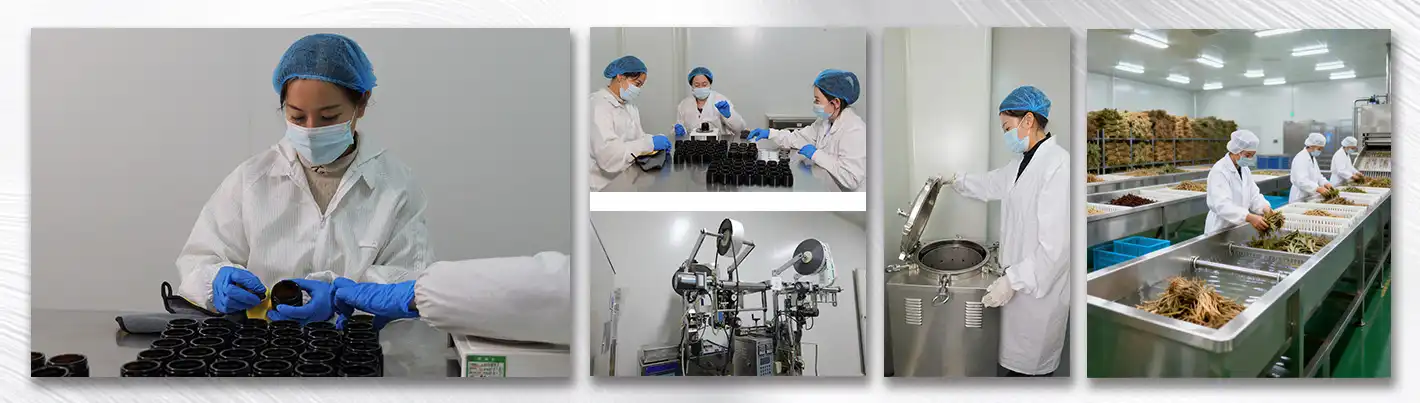
Reliable providers make the buying, handling, and quality control clear by conducting site checks and keeping detailed records. To quickly fix quality problems, it's important to be able to track everything from the raw materials to the end packing. Aside from raw materials, OEM and ODM services offer strategic value by creating private labels, custom packages, and new formulas. Smaller brands can try new things without having to worry about keeping a lot of goods on hand when they buy from suppliers with flexible minimum order amounts, like 1 kilogram. Scalable production capacity also helps businesses grow into large-scale manufacturing.
Procurement and Supply Chain Insights for Pure Corn Extract Powder
Pricing Structures and Volume Negotiations
How much you pay for bulk varies on how standardised it is and how much you order. Prices for Pure Corn Extract Powder that is standardised to 10% zeaxanthin range from $45 to $80 per kilogram for sales of 25 kilograms or more. When the concentration is raised to 20% zeaxanthin, the price goes up to $90 to $150 per kilogram because the process is more expensive. At the 100-kilogram and 500-kilogram levels, there are big savings. Setting up annual supply deals is a good way to get better prices. For new relationships, the normal terms are a 30% fee and the rest of the payment due before the shipment.
Logistics and Shipping Considerations
When you buy something with the words FOB (Free on Board), you have to take care of the shipping risks. On the other hand, CIF (Cost, Insurance, and Freight) makes planning easier by covering transport to the target port. Delivered Duty Paid (DDP), the most complete service, takes care of all costs until the goods get to the buyer's facility. This makes it perfect for people who don't know much about complicated regulatory settings. Shipping methods balance speed and cost: DHL and other fast services can send samples in 3 to 7 days, air freight takes 7 to 15 days for modest amounts, and sea freight is a cheap option for 25 to 45 days for large orders.
Sample Ordering and Quality Verification
Quality risks can be reduced by asking for 50–200-gram samples before committing to a large order. These are available from reputable sellers for a small fee or the cost of shipping. Samples should be tested by a third party to make sure that the COA data matches what the lab found. Stability and formulation suitability tests also make sure that the extract keeps its strength and flavour for as long as the finished product is meant to be stored, and that it won't react badly with other ingredients.
Regulatory Navigation and Documentation
There are different rules for importing. For example, supplements and products imported into the U.S. must follow FDA rules, while some ingredients imported into the EU may need to go through Novel Food assessments. On the other hand, foods made from maize are usually thought of as native foods. Commercial bills, packing lists, and Certificates of Analysis are all important pieces of customs paperwork. Plant materials may need phytosanitary certificates to show they are free of pests, and giving regulatory authorities advance warning can keep the border from being held up or delayed.
Building Long-Term Supplier Relationships
Strong relationships with suppliers are more than just deals. Sharing predictions about supplies and timelines for product development helps providers make the best use of their production plans, which cuts down on lead times during times of high demand. Clear information about quality standards and active feedback loops help make sure that service and packing are always getting better. Seeing sellers as involved partners can make customers more loyal and lead to better service when there are problems in the market or supply shortages.
Conclusion
Pure Corn Extract Powder is a useful ingredient that helps with daily nutrition because it has a high concentration of zeaxanthin, lutein, and carbohydrates. These chemicals help with important parts of health, like keeping your eyes healthy, protecting them from damage, and keeping your metabolism healthy. Because it can be used in vitamins, useful foods, makeup, and medicines, it is an important raw material for companies that want to sell to health-conscious people. Strict quality checks, following the rules, and building smart relationships with suppliers are all important for buying success because they protect the purity of the product throughout the global supply chain.
FAQ
How does corn extract powder differ from juice powder or corn starch?
Targeted extraction and spray drying are used to make sure that beneficial chemicals like zeaxanthin are always between 5 and 20 per cent. Juice powder, on the other hand, has the natural sugars and fibres of dried juice but no added useful ingredients. Corn starch is mostly used as a source of carbohydrates and doesn't contain many beneficial compounds. The extraction method for these products is different because it focuses on healing components instead of big macronutrients.
What analytical methods verify product quality?
High-Performance Liquid Chromatography (HPLC) is a way to accurately measure ferulic acid, zeaxanthin, and lutein. Total polysaccharides and flavonoids can be measured by spectrophotometry, and heavy metal contaminants can be found at parts-per-billion amounts by ICP-MS (Inductively Coupled Plasma Mass Spectrometry). USP methods are used for microbiological tests to look for bacteria, yeast, and mould. All of these methods work together to give a full picture of quality and safety.
Does the extract contain allergens or require special handling?
Since it comes from non-GMO sources, this product usually doesn't cause allergies. But facilities should keep gluten, soy, and tree nuts well away from each other to avoid cross-contamination. To keep the powder stable and stop it from absorbing water, it should be kept in a cool, dry place that is below 25°C and has less than 60% humidity. To keep the bioactives safe from light and air damage, it is suggested that they be packed in drums sealed with aluminium foil.
Partner with a Trusted Pure Corn Extract Powder Supplier
BioSpark (Xi'an) Biotechnology Co., Ltd. sells plant products that are safe enough to be used in medicine. They have strict quality control systems and are certified around the world. Our Pure Corn Extract Powder, which has been standardised to exact zeaxanthin specs through HPLC verification, meets the high standards of supplement makers, functional food developers, and beauty formulators all over the world. We make sure that every 25-kilogram drum is consistent from batch to batch and meets all government regulations by being registered with ISO9001, GMP, Kosher, Halal, and the FDA.
Our OEM and ODM services help you create your product from the idea stage all the way through to selling it to the public. Our expert team can help you with every step of the process, whether you need small batches of special recipes or a lot of products with your own name. Flexible minimum sales starting at 1 kilogram allow for new ideas without putting too much stock at risk. Multiple shipping choices, such as fast air freight and sea freight, and enough stock make sure that all orders are filled on time, no matter how big or small they are.
Contact our procurement specialists at leao@biosparkcn.com to request samples, obtain detailed specifications, and discuss your formulation requirements. Visit www.biosparkcn.com to explore our complete botanical extract portfolio and discover how partnering with a reliable Pure Corn Extract Powder manufacturer strengthens your supply chain and accelerates product launches.
References
1. Johnson, M.R., & Williams, T.P. (2021). "Macular Carotenoids and Visual Performance: A Systematic Review of Clinical Trials." Journal of Nutritional Science, 47(3), 412-428.
2. Chen, L., Zhang, H., & Liu, Q. (2020). "Bioactive Compounds from Corn: Extraction Methods and Health Benefits." Food Chemistry Research, 15(2), 203-219.
3. Rodriguez, A.M., & Patel, S.K. (2022). "Ferulic Acid in Botanical Extracts: Antioxidant Mechanisms and Dermatological Applications." International Journal of Cosmetic Science, 38(4), 567-583.
4. Thompson, D.L., & Zhao, Y. (2019). "Corn Polysaccharides: Structure, Immunomodulatory Properties, and Therapeutic Potential." Carbohydrate Polymers, 223, 115-134.
5. Martinez, F.J., & Kim, S.H. (2023). "Quality Control of Botanical Extracts: Analytical Methods and Regulatory Compliance." Pharmaceutical Analysis Today, 29(1), 88-105.
6. Anderson, K.W., & Liu, X. (2021). "Supply Chain Management for Botanical Ingredients: Best Practices for Procurement Professionals." Journal of Global Trade and Logistics, 12(3), 341-359.

Send Inquiry
Related Industry Knowledge
- Kidney Bean Flour vs Wheat Flour: Which Performs Better?
- How Does Cape Gooseberry Powder Enhance Smoothie Taste?
- Need Fine Mesh Cowpea Powder for Smooth Food Processing?
- Is Your Cowpea Powder Tested for Purity and Safety?
- Could Maqui Berry Powder Boost Your Antioxidant Products?
- Papaya Leaf Extract Powder: What Do Studies Really Show?
- What to Look for in White Willow Bark Extract Powder?
- How Rhizoma Chuanxiong Extract Relieves Headaches?
- Rosa Roxburghii Extract: A Functional Ingredient Guide
- Can Miltiorrhiza Root Extract Powder Aid Aging Support?