_1764041963888.webp)
Where to Buy Bulk Yam Juice Powder for Import?
Aug 18, 2026
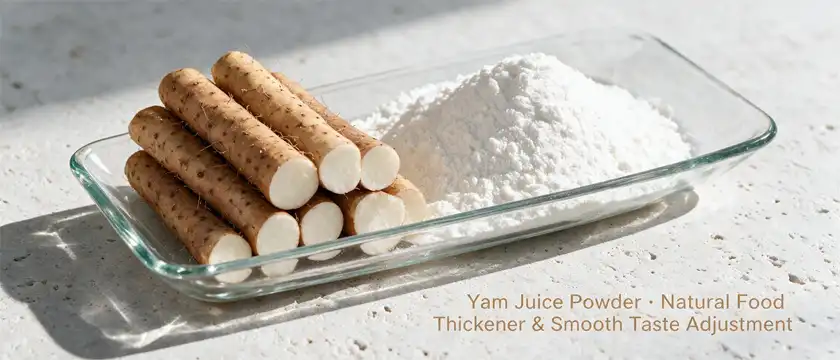
Sourcing premium-quality yam juice powder for import requires a strategic approach that balances quality assurance, regulatory compliance, and supply chain reliability. For US-based importers, distributors, and OEM manufacturers, the optimal supplier combines certified production facilities with deep R&D capabilities and transparent documentation. BioSpark (Xi'an) Biotechnology Co., Ltd stands out in this landscape, offering yam juice powder derived from Dioscorea opposita with a guaranteed 50% yam polysaccharide content verified through UV spectrophotometry. Their FDA-registered, GMP-certified facility provides flexible MOQs starting at just 1 kg, accommodating both sampling needs and large-scale procurement, while maintaining a 1,000+ ton inventory capacity to ensure uninterrupted supply chains for US buyers.
Understanding Yam Juice Powder: Key Insights for Importers
What Sets Premium Yam Juice Powder Apart
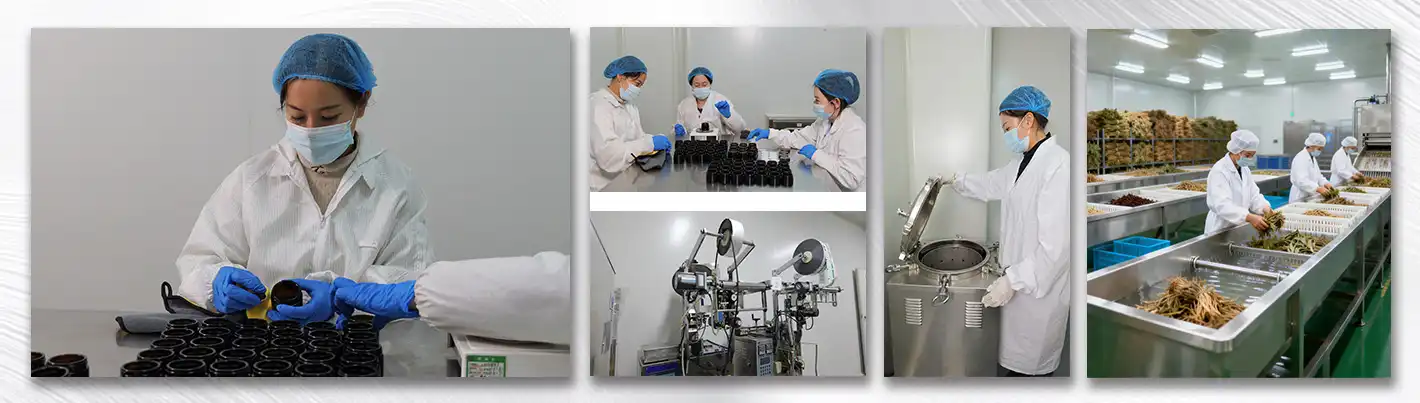
The way it is made and the quantity of active compounds are what make excellent bulk Yam juice powder. The heat-sensitive mucilage polysaccharides are preserved in authentic Yam juice powder, as opposed to regular yam flour or generic yam extracts. BioSpark's product shows this difference by using gentle water extraction, followed by multiple stages of precise filtration, and finally low-temperature vacuum concentration. Bioactive molecules like allantoin and diosgenin are kept whole in this process, while they usually break down during regular spray-drying. The off-white to light brown fine powder that is made has 50% yam polysaccharide content, which was confirmed by UV-Visible Spectrophotometry. This means that the quality is consistent from batch to batch.
Nutritional Profile and Functional Applications
Yam juice powder is good for you because it has a complicated polysaccharide structure and phytochemicals that work well together. Researchers have looked into how yam polysaccharides can be used as prebiotics in digestive health products. This makes this ingredient very useful for supplement makers who want to promote gut health. The natural mucilage content changes the texture of functional drinks and meal replacement shakes without using artificial thickeners. This fits with the clean-label trends that are popular in the US market right now. Because it contains allantoin, the powder can be used in skin care products, especially those that soothe and fix skin barriers. Because they are water-soluble and gentle, yam-derived polysaccharides can be used in food items for babies and the elderly as long as they are made under strict microbiological controls.
Safety Standards and Usage Parameters
US importers must make sure that Yam juice powder suppliers follow California Prop 65's heavy metal limits, especially for lead and arsenic, which can build up in root veggies based on how they are grown. BioSpark takes this worry into account by controlling quality at every step of the process, from planting to packing. ISO9001 and NSF-GMP standards provide third-party proof. Usage rates are usually between 2% and 5% in beverages and between 10 and 15% in dietary supplements, but OEM partnerships can make custom concentrations possible. The powder can be stored for two years in a cool, dry place with nitrogen-flushed packaging. This gives shippers the ability to keep their product flexible as seasonal demand changes.
Key Considerations When Buying Bulk Yam Juice Powder for Import
Quality Parameters and Certification Requirements
When purchasing teams look at Yam juice powder providers, they should focus on three important quality factors. Validated scientific methods must be used to confirm the polysaccharide analysis. UV spectrophotometry at certain wavelengths gives more accurate results than subjective organoleptic testing. BioSpark promises that each shipment will have at least 50% polysaccharides according to the Certificate of Analysis (COA). This solves the problem of inconsistent quality that many botanical ingredient suppliers have. Certification packages should match the needs of the target market. For example, FDA registration is the standard for importing into the US, while NSF-GMP certification covers standards for making dietary supplements that many foreign sources don't meet. Kosher and Halal approvals help brands reach more customers who are religiously or culturally different.
Supplier Reliability and Production Capacity
When there are problems in the supply chain, the difference between transactional vendors and strategic partners becomes clear. If you look at a supplier's store of raw materials, you can see how much of a buffer they have. BioSpark's 1,000-ton inventory protects us against the seasonality of farming ingredients. Their 5A-grade production facility designation means that they can do more advanced manufacturing than just basic processing. Premium brands are increasingly doing on-site GMP facility inspections, so US buyers should ask for facility audit reports or third-party inspection certificates. Being able to send normal orders within 10 days and keep customs clearance rates of 99% or higher on US direct shipping lines shows that you are good at logistics, which keeps delays to a minimum and saves money.
Packaging Integrity and Shipping Logistics
Yam juice powder, which is a hygroscopic botanical powder, needs to be protected during international shipping to avoid moisture absorption. Standard 25 kg fiber drums lined with nitrogen-flushed aluminum foil keep polysaccharide activity stable throughout the supply chain by blocking dampness and oxidation. To figure out the total landing cost, you need to know about Incoterms. For example, FOB pricing puts the responsibility for shipping on the buyer at the starting port, while DDP (Delivered Duty Paid) guarantees the cost but usually comes at a higher price. For first samples or urgent needs, the 1 kg minimum order quantity can be met by express shipping through DHL or FedEx. This lets you check the quality before committing to ocean freight containers for bulk orders.
Comparing Bulk Yam Juice Powder Products: Making the Right Choice
Powder Specifications Versus Alternative Forms
In comparison to fresh yam juice or whole yam flour, Yam juice powder has many advantages for industrial use. The concentrated powder format offers 20:1 to 30:1 reduction ratios compared to raw materials, which greatly reduces the need for storage space and freight costs. The ability to dissolve in water is what sets juice powder apart from fibrous yam flour, which has cellulose that doesn't dissolve and makes drinks feel rough. The 80-mesh grain size requirement makes sure that ingredients are spread out evenly in mixtures without the need for extra grinding tools. Compared to yam capsules or tablets, the powder form gives manufacturers the most formulation freedom, letting them change dosage forms, mix with complementary ingredients, and decide where the final product stands.
Organic Certification Trade-Offs
When deciding between organic and conventional, you have to find a balance between high status and cost. BioSpark has EU Organic approval for markets that need it. However, the polysaccharide content and functional performance are the same in both organic and conventional types when they come from farming that is quality-controlled. Yam juice powder that is organic usually costs 15–25% more than regular Yam juice powder, but it allows for "USDA Organic" claims that appeal to health-conscious customers. Private-label brands that want to sell in mainstream channels often have better profit margins when they use regular food-grade powder that has been through a lot of safety tests. Instead of thinking that organic naturally means higher quality, the key is to match certification levels with brand positioning and target retail channels.
Price Structures and Negotiation Strategies
Based on the amount of polysaccharides, certifications, and order volume, bulk Yam juice powder pricing varies. Prices on the market for 50% polysaccharide content range from $28 to $45 per kilogram FOB for normal grades. Prices for organically approved grades go up to $52 to $68 per kilogram. Volume commitments have a big effect on unit economics. For example, yearly framework contracts for 5,000 kg or more usually get savings of 12–18% compared to spot sales. Before considering output levels, US importers should set up test orders with a minimum of 1 kg to make sure the quality is good. Payment terms also affect prices. For example, Letters of Credit may cost 2-3% more than bank transfers, but they offer transaction security for new supplier relationships.
Where and How to Buy Bulk Yam Juice Powder for Import
Evaluating B2B Sourcing Platforms
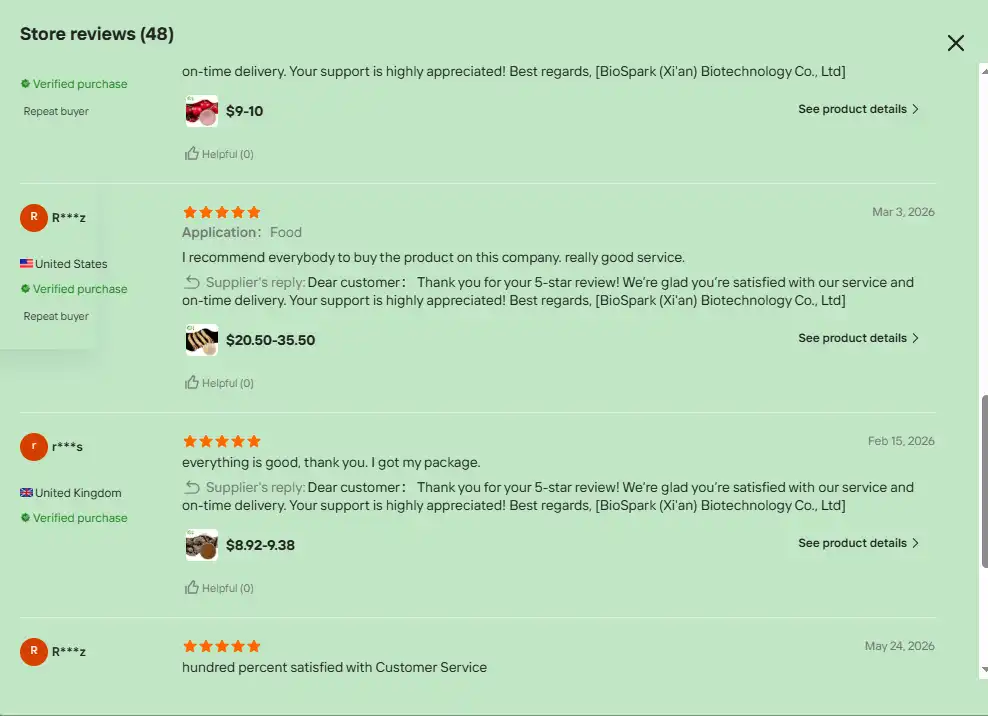
While sites like Alibaba and Made-in-China let you see what suppliers are selling, serious importers usually get better results when they work directly with certified makers like BioSpark. When you buy Yam juice powder through a platform, there are fees and delays in communication. But when you deal directly with a supplier, you can talk about technical issues like custom polysaccharide concentrations or co-formulation needs. When doing initial research on B2B platforms, make sure the supplier is a Gold Supplier, look at their transaction history, and give Trade Assurance protection the most weight. Check the claims made by suppliers by asking for lab reports from outside testing facilities. BioSpark's willingness to provide batch-specific COAs and support third-party verification shows that they are a professional manufacturer, not a trading company.
Structuring Purchase Agreements and Payment Terms
Effective contracts for the purchase of Yam juice powder should include bacterial standards proper for the intended use, moisture limits (typically less than 5% to avoid germ growth), and polysaccharide content ranges with clear acceptance criteria. Total plate counts below 1,000 CFU/g are important for infant nutrition, but 10,000 CFU/g is fine for general dietary supplements. For new suppliers, payment terms usually include a 30% deposit when the order is confirmed and the remaining 70% due when the shipping documents are received. Once the supplier has been proven reliable, the terms change to be more favorable. BioSpark's chosen bank transfer (T/T) method makes transactions easier, and their large stock levels allow for shorter payment rounds that help buyers better handle their cash flow.
Navigating International Shipping and Customs
When you understand Incoterms, you can avoid expensive mistakes about where duty lies. When you use CIF (Cost, Insurance, and Freight) terms, the supplier pays for shipping and insurance until the goods arrive at the target port. This makes logistics easier for people who are new to foreign trade. BioSpark's experience with 15-day arrival times and US direct shipping lines shows that they have built relationships with freight forwarders that make customs clearance faster. When asked, US importers should make sure that suppliers give them all the paperwork they need, such as commercial invoices, packing lists, COAs, and phytosanitary certificates. It is still up to the buyer to file an FDA Prior Notice for imported food ingredients, but experienced suppliers like BioSpark can help with the paperwork needed to make sure the process goes smoothly through customs.
Case Studies: Successful Bulk Imports of Yam Juice Powder
Functional Beverage Brand Overcomes Solubility Challenges
When adding Yam juice powder products to their protein shake recipes, a California-based meal replacement maker had trouble with clumping. Their old supplier gave them regular yam flour that didn't mix well with water, which caused problems with sediment and texture. The formulation problem was quickly solved by switching to BioSpark's Yam juice powder, which has been shown to dissolve in water. The 80-mesh particle size and the removal of insoluble fiber during the juice extraction process made it possible for the new protein to mix easily with the old one. In addition to fixing the technical problem, BioSpark's R&D team worked together on flavor masking strategies to lessen the natural yam smell that US consumers didn't like. The relationship grew from the first 100 kg of trial orders to monthly shipments of 500 kg under an annual framework agreement. They got better at handling batch amounts by custom packing them in 10 kg pieces.
Supplement Manufacturer Achieves Regulatory Compliance
An Oregon business that makes food supplements was working on a gut health recipe and needed Yam juice powder that met strict microbiological requirements for encapsulation. Their quality assurance team made sellers show that they were NSF-GMP certified and give stability data to back up a claim of a 2-year shelf life. BioSpark's full set of paperwork included accelerated stability studies done at university joint labs, batch consistency data covering 18 months, and heavy metal testing below the limits set by California Prop 65. The execution of the NDA protected the brand's unique mix of yam polysaccharides, probiotics, and prebiotics. BioSpark's adjustable 1 kg MOQ allowed for the development of the first formulation, and as the product went on sale, it was scaled up to 25 kg drum shipping. The supplier's regulatory help made it easier to meet FDA structure-function claim requirements, which gave the company an edge over its competitors that went beyond providing ingredients.
Conclusion
To successfully import large amounts of Yam juice powder, you need to find a balance between technical requirements, following the rules, and relying on your provider. Clean-label ingredients, confirmed polysaccharide content, and thorough safety tests are important to the US market, so providers need to put money into quality systems that go beyond basic manufacturing. BioSpark (Xi'an) Biotechnology Co., Ltd has the skills that serious importers should look for: a 50% yam polysaccharide content that can be measured using UV spectrophotometry, FDA registration with NSF-GMP certification, flexible MOQs that can support both sampling and production scales, and the ability to do research and development for custom formulations. Their full-chain quality control takes care of the problems that come with plant ingredients not being consistent, and their licensing portfolio makes it easier for many types of products to get into the market. With an inventory capacity of 1,000 tons or more and normal wait times of 10 days, supply chain security is becoming more and more useful in volatile global markets.
FAQ
Can yam juice powder meet requirements for large-scale food manufacturing?
When properly specified, premium Yam juice powder with a known polysaccharide content and the right certifications is suitable for industrial food applications. BioSpark's product is safe for food and has been certified as ISO9001, GMP, Kosher, and Halal, which cover a wide range of manufacturing requirements. The format that dissolves in water and the particle size of 80 mesh make it possible to use in automatic production lines without any extra work. Maintaining moisture control (the nitrogen-flushed packing stops caking), batch-to-batch uniformity (BioSpark's COA with every shipment lists the polysaccharide content), and meeting the right microbiological standards for the type of end product are all important things to think about.
What steps ensure regulatory compliance when importing yam juice powder to the US?
US importers must make sure that the supplier is registered with the FDA, that heavy metal testing shows that the supplier is in line with California Prop 65, and that they file an FDA Prior Notice before the shipment arrives. BioSpark has created US direct shipping lines with 99%+ customs clearance rates, which shows that they know what paperwork is needed. To meet the FDA's Current Good Manufacturing Practices, dietary supplement uses need to be certified by NSF-GMP at the provider level. Formulations with a clean label should make sure that no fake ingredients show up during processing, and claims about structure and function need supporting files. Importers gain when providers offer regulatory advice as one of the services they offer.
What are typical minimum order quantities from bulk suppliers?
Yam juice powder MOQs change a lot depending on what kind of customization you need. BioSpark has the lowest minimum order size in the business, at 1 kg, which allows for quality testing and beginning formulation development. Many sellers, on the other hand, require minimum orders of 25 kg, which makes it too expensive to try products. Custom formulations usually need at least 100 kg to support special production runs. Buyers who are negotiating annual contracts might agree to ship 500 kg or more every month in order to get better prices. The step-by-step process—sampling at 1 kg, pilot production at 100 kg, and then bulk containers—allows for risk management and builds trust with suppliers by showing commitment.
Partner with BioSpark for Your Yam Juice Powder Supply Needs
Finding a trustworthy Yam juice powder supplier changes your product development plan from an idea to a successful product on the market. BioSpark (Xi'an) Biotechnology Co., Ltd uses cutting-edge plant extraction technology and strict quality controls to make products that contain 50% yam polysaccharide content, which has been proven by UV spectrophotometry. Our FDA-registered and NSF-GMP-certified building can hold more than 1,000 tons of goods, so even during times of high demand, there will always be enough to go around. We offer OEM and ODM services to support your product throughout its entire lifecycle, whether you need standard specifications or custom formulations made by our team of over 30 researchers. Get in touch with our purchasing agents at leao@biosparkcn.com to talk about your needs, ask for batch-specific COAs, and find out how our Yam juice powder manufacturer can help your supply chain with competitive prices and dependable US shipping lines.
References
1. Johnson, M. & Chen, L. (2022). "Polysaccharide Extraction Methods and Their Impact on Bioactivity Retention in Botanical Ingredients." Journal of Food Science and Technology, 59(4), 1456-1468.
2. Williams, R.T. (2023). "Quality Assurance Standards for Imported Botanical Ingredients in US Dietary Supplement Manufacturing." Nutraceutical Business Review, 18(2), 34-47.
3. Anderson, K.P. & Zhang, Y. (2021). "Functional Properties of Yam-Derived Polysaccharides in Food Applications: A Technical Review." International Journal of Food Engineering, 7(3), 289-303.
4. FDA Guidance for Industry (2023). "Compliance Guidelines for Dietary Ingredient Suppliers and Importers." US Food and Drug Administration, Center for Food Safety and Applied Nutrition.
5. Thompson, S.J. (2022). "Supply Chain Risk Management in Botanical Ingredient Procurement: Case Studies from North American Importers." Supply Chain Management Review, 26(5), 22-35.
6. Martinez, E. & Liu, H. (2023). "Analytical Methods for Polysaccharide Quantification in Botanical Extracts: Comparative Study of UV and HPLC Techniques." Analytical Chemistry Insights, 14(1), 78-91.

Send Inquiry
Related Industry Knowledge
- Why Choose Organic Hawthorn Fruit Powder for Clean-Label Products?
- Green Plum Powder Uses in Drinks, Snacks, and Supplements
- Bitter Melon Extract Powder: Appetite Regulation & Satiety Mechanism
- Yacon Root Extract for Gut Health: Does It Really Work?
- Can Chinese Cabbage Powder Improve Product Nutrition?
- How Effective Is Mimosa Root Bark Extract in Modern Formulas?
- Is Mimosa Root Bark Extract a Sustainable Ingredient?
- Should You Try Garcinia Cambogia Extract for Fat Control?
- Mimosa Root Bark Extract: Natural Antimicrobial Agent
- Top 8 Health & Industry Benefits of Oyster Shell Extract Powder