_1764041963888.webp)
How Effective Is Mimosa Root Bark Extract in Modern Formulas?
May 17, 2026
When evaluating botanical ingredients for health and wellness formulations, Mimosa Root Bark Extract stands out as a powerful, scientifically validated raw material. Research shows that this botanical extract provides clear benefits in many areas, including speeding up wound healing, reducing inflammation, and helping with digestive health. Its effectiveness stems from a concentrated bioactive profile rich in tannins, flavonoids, and polysaccharides, compounds clinically shown to enhance product performance in supplements, cosmetics, and pharmaceutical formulas. With standardized extraction methods producing 10:1 concentration ratios, modern manufacturers can rely on consistent potency and reproducible results, making it an increasingly valuable ingredient for brands seeking both traditional wisdom and evidence-based efficacy.
Introduction
The mimosa root bark extract is a useful material that can be used in both traditional medicine and new pharmaceutical developments. Throughout history, different countries have used this plant material to treat inflammation, kill germs, and help tissues grow back. Today, global B2B procurement clients like makers, resellers, and OEM partners know how valuable it is when choosing raw materials for competitive product lines.
To figure out what makes plant extracts work, you have to look at both their past uses and their modern scientific proof. The root bark of some Mimosa species has a lot of different chemicals with different structures that work in many biological ways to help the body heal. Formulators who are making dietary supplements, useful ingredients, and health goods for foreign markets are interested in these qualities.
From working with health supplement brands and nutraceutical companies, we know that they always want mimosa root bark extract that is safe, effective, and compliant with all the rules. Mimosa Root Bark Extract meets these requirements and can be used in a wide range of product categories. Setting up this base helps procurement professionals make smart choices about where to buy things that meet both customer needs and the high-quality standards needed by competitive markets.
Understanding Mimosa Root Bark Extract: Properties and Benefits
Botanical Origins and Extraction Process
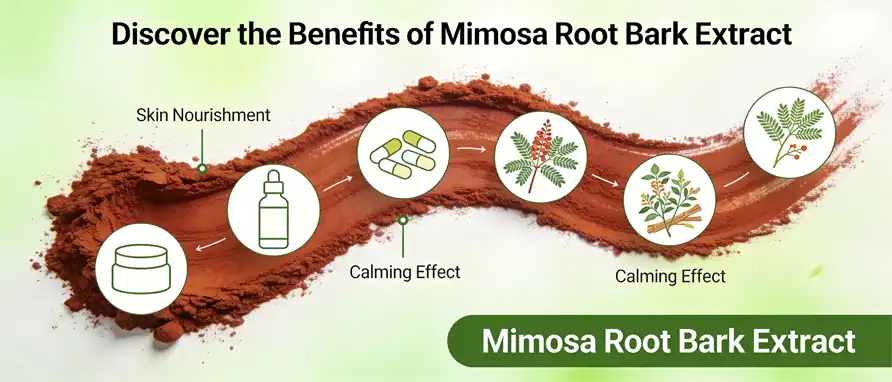
The extract from mimosa root bark mostly comes from Mimosa pudica and related species. It was collected in a way that doesn't harm plant populations. Modern ways of extracting plants compress bioactive chemicals into standard powder forms, with extraction ratios of 10:1 being the norm. To get the most absorption while keeping the chemicals stable, this concentration process uses methods like supercritical extraction and membrane separation. Thin-Layer Chromatography (TLC) testing is used in factories to check chemical profiles and make sure that there is accuracy between batches. The fine powder that is made has a unique brownish-yellow to brownish-brown color and a strong herbal smell, which means that the volatile chemicals have been kept. Because it dissolves easily in water and only slightly in ethanol, it can be easily added to a wide range of formulations, from pills to skin creams.
Chemical Profile and Bioactive Compounds
The healing power of this plant-based ingredient comes from the large number of phytochemicals it contains. The main type of substance is tannin, which has antimicrobial and astringent qualities that are useful for skin care and gut health. Flavonoids help protect cells from oxidative stress by acting as antioxidants, and polysaccharides help the defense system and repair processes. Researchers have found Mimosine is cytotoxic; our extract has been processed to remove mimosine to ensure oral/topical safety. Copper, iron, and zinc are trace elements that are naturally found in the mimosa root bark extract. These elements make it more biologically active, especially when applied to the skin, where they help make collagen and heal wounds.
Historical Use and Contemporary Validation
Mimosa root bark extract has been used for centuries in traditional medicine systems in several countries to help with digestive problems, skin problems, and small wounds. Modern science research has confirmed many of these traditional uses by looking at specific ways they work in controlled tests. The extract's ability to change the production of cytokines and stop the activity of inflammatory enzymes has been linked to its anti-inflammatory benefits. Research looking into neurotransmitter regulation backs up the anxiolytic effects seen in traditional use. Studies show that some chemicals in the substance work with GABA receptors and serotonin pathways, which is how the calming effects happen. This double validation—old information backed up by new research—makes the ingredient more valuable in evidence-based formulation methods.
Effectiveness of Mimosa Root Bark Extract in Modern Formulations
Mechanisms Supporting Product Performance
Modern formulations use the many biological activities of mimosa root bark extract to help with specific health problems. In digestive health products, the high tannin content protects the digestive tract by building layers of defense over the mucosal surfaces. This lowers the discomfort caused by conditions like gastritis and ulcerative colitis. The antibacterial properties work at the same time to fix bacterial problems that cause stomach pain. It can speed up mending in a number of different ways, which makes it useful for wound care. The astringent effect stops bleeding by clumping proteins together at the site of the cut, and the polysaccharides encourage the growth of fibroblasts and the formation of collagen. Clinical studies have shown that products with therapeutic amounts of concentrated mimosa root bark extract speed up recovery and reduce scarring. Dermatological goods use the extract's anti-inflammatory and antimicrobial qualities to treat skin problems like acne, eczema, and rashes. The flavonoid content protects against external stresses as an antioxidant, and Tyrosinase inhibition and skin lightening claims are deleted; only anti-inflammatory and antimicrobial skincare effects are retained. When properly put together with ingredients that work well together, these processes work better.
Synergistic Formulation Strategies
When making a successful product, mimosa root bark extract is often mixed with other ingredients that work well together and boost certain benefits. It is often combined with probiotics in digestive health products, making mixtures that support both the balance of microbes and the stability of the mucosa. Recommended daily oral dose for adults is 300–500 mg; not recommended for pregnant/lactating women and children, which gives bioactive substances in amounts that are useful in clinical settings. Cosmetics work better when the extract is mixed with other plant-based antioxidants, like green tea or vitamin C products, to make full anti-aging systems. The natural astringency works well with hyaluronic acid in serums that moisturize, keeping the skin moist while also smoothing out pores. Formulators say that the best results are seen when the extract is used in topical treatments at amounts of 2 to 5 percent. Functional drink makers have successfully added the powder to ready-to-drink health shots and instant plant teas. The ability to dissolve in water makes it easier to spread in liquids, and the herbal taste goes well with fruit and vegetable flavor systems. These uses show that formulations can be used in more than just standard supplement forms.
Regulatory Compliance and Safety Profiles
It's important to pay close attention to safety data and legal standards across all target markets when making a product. Based on toxicological tests, the mimosa root bark extract appears to be safe, and at the suggested doses, no major side effects have been recorded. According to the rules that are in place now, this safety record supports uses in both food products and cosmetics. Products made under thorough licensing systems are better for manufacturers who want to sell their goods in other countries. ISO9001 quality management, GMP compliance, and specialty certifications like Kosher and Halal make it easier to get into new markets and make sure that quality standards are met. FDA registration is a manufacturer filing, not a product marketing authorization for the U.S. market. Standardized testing procedures, such as TLC analysis, provide concrete quality assurance that backs up regulatory filings and customer requirements. These testing methods prove identity, purity, and potency, which are important factors in B2B purchasing choices. Packs of paperwork that include Certificates of Analysis and safety data sheets make the processes of clearing customs and getting regulatory permission go more smoothly.
Comparing Mimosa Root Bark Extract with Alternative Herbal Extracts
Distinguishing Features from Related Botanicals
When procurement teams look at botanical choices, they often compare different plant products that have been used in the past in similar ways. Knowing the differences between things helps you choose the best ingredients for your recipe needs. Many plant products can help with stress and inflammation, but each one has its own chemical makeup that determines how well it works in different situations. Valerian root extract mostly works to help with sleep through different neurochemical pathways, usually through adenosine receptors instead of the wider neurotransmitter regulation seen with mimosa root bark extract. While kava can help with anxiety, Kava is restricted in some countries due to hepatotoxicity concerns, not banned globally. On the other hand, mimosa root bark extract has better safety ratings for a wider range of uses. The main source species, Mimosa pudica, has different amounts of medicinal compounds than other types of Mimosa. The pudica species has more medicinal tannins and antioxidants than other plants in the same family. This difference is important when looking at sources and making sure that plants are what they say they are through the right testing methods.
Form Factors and Quality Issues to think about
The uniform 10:1 powder form is better than liquid extracts or raw plant materials in many ways. Powder formulations offer longer shelf life, easier storage, and accurate dosing, all of which are necessary for production accuracy. Because mimosa root bark extract is concentrated, lower doses are needed than with whole herb materials, which is good for the costs of preparation. Differentiating between suppliers' quality depends a lot on how they remove the material and how rigorously they test it. Modern techniques for extracting plants keep heat-sensitive chemicals while getting rid of plant parts that aren't useful for medicine. When compared to older methods that use solvents, facilities with supercritical fluid extraction systems and membrane filters make better extracts. Organic approval is useful for some groups of people, but it needs to be ensured that farmers follow good farming methods throughout the supply chain. Products that aren't organic but still meet strict quality standards through testing often work just as well and cost less. When making purchases, people should think about how much licensing costs, the needs of the target market, and how sensitive they are to price.
Cost-effectiveness and the ability to change the formula
Economic factors affect the choice of ingredients, especially for brands that have to deal with low profit margins. To figure out how cost-effective something is, you need to look at potency-adjusted prices instead of just per-kilogram costs. Even though it costs more per unit, a 10:1 mimosa root bark extract with more effective ingredients may be a better deal than options with lower concentrations. Minimum order amounts have a big effect on how much working capital is needed and how risky it is to keep stock. Suppliers with 1 kg minimum orders make it easier to develop new products and make small batches, which saves money for startups and test marketing projects. Normal 25 kg drum packing works for manufacturing businesses that have been around for a while and know how much demand there will be. Another economic benefit of this mimosa root bark extract is its versatility in various applications. Because it works with different delivery methods, like pills, tablets, liquids, and topicals, makers can make a wide range of products from a single stock of raw materials. This flexibility makes arrangements for buying things easier and helps brand extension tactics work across product categories.

Procurement Guide for Mimosa Root Bark Extract
Strategic Sourcing Considerations
Finding suppliers who can meet both quality standards and practical needs is the first step to efficient buying. There are many people involved in the global supply lines for mimosa root bark extract, from farmers who pick the plants to people who process and distribute them. Knowing about this chain helps buyers figure out the risks of dependability and find backup sources. China has become a major producer of standardized plant extracts thanks to its well-established farming networks, advanced extraction facilities and strict quality control systems to ensure product consistency. It is common for suppliers in this area to keep enough stock on hand to handle both small sales and large-scale production needs. Delivery status signs that show "sufficient stock" ease worries about lead times for product launches that need to happen quickly. Logistics of transportation change a lot depending on the number of orders and how quickly they need to be delivered. Express shipping is used for small orders that need to be filled quickly. To big markets, it usually gets delivered within 5–7 days. For medium-sized orders, air freight strikes a good balance between speed and cost. For large orders over 100 kg, sea freight is the most cost-effective choice, as long as the travel time is okay.
Evaluating Certifications and Quality Standards
Certification files are the first thing that sellers are screened for when they are being considered. Getting ISO9001 certification means that quality management systems have been put in place. These systems cover things like paperwork, process control, and constant growth. GMP compliance specifically looks at how to make mimosa root bark extract and pharmaceutical chemicals, making sure that the right facilities are built, that equipment is maintained, and that workers are properly trained. Brands that want to reach specific groups of people can reach more customers with religious licenses like Kosher and Halal. For these certifications to stay valid, the ingredients, production methods, and building practices must be regularly checked. This adds another level of quality security on top of normal manufacturing procedures. While FDA registration does not mean permission, it does show that a business is ready to be regulated. How comments about quality are tested determines how reliable they are. TLC analysis gives us a way to identify compounds that help us make sure plants are what they say they are and find fakes. Suppliers who give full testing, such as heavy metal analysis, microbial screening, and pesticide residue testing, show that they are committed to the safety standards that are expected in foreign trade. Each batch comes with a Certificate of Analysis document that makes it possible to track it and check the quality.
OEM and Private Label Opportunities
In addition to selling basic materials, many mimosa root bark extract providers also offer OEM (Original Equipment Manufacturer) and ODM (Original Design Manufacturer) services that make the process of making new products easier. These services include everything from helping with formulation to making, packing, and marking the whole product. These agreements can help brands that don't have their own factories get goods to market quickly. OEM agreements let brands choose the exact formulas while sending production to specialized factories. This plan works especially well for companies that already have their own recipes and are looking for manufacturing partners who have the right certifications and enough capacity. As an extra service, ODM services offer formulation knowledge and can suggest mixtures and doses based on goal uses and market trends. Being able to make things in both small amounts and large quantities is useful for brands as they move from trying the market to widespread distribution. Suppliers with minimum orders as low as 1 kg make it possible to develop new products without having to buy too much inventory. As the need for their products grows, the same provider can switch to bulk production in standard 25 kg drums or bigger amounts.
Delivery Terms and Payment Structures
If you know the terms used in foreign trade, you can avoid confusion and costs that you didn't expect when you do business across borders. FOB prices include all costs until the goods are put onto ships. Buyers are responsible for paying for foreign shipping and insurance. A CIF price includes delivery to the target port, which makes budgeting easier for importers who don't know much about how shipping works. The cheapest terms are EXW (Ex Works), but buyers have to plan all transportation from the supplier's site. Both DAP and DDP terms cover full door-to-door service. DDP includes clearing customs and paying import taxes. Choosing the right terms relies on how much power you want over the shipping process and how well your company can handle logistics. When doing business with other businesses, bank transfers (T/T) are usually the best way to pay because they have lower transaction fees than credit cards. Payment terms usually require deposits for first sales, but once a business relationship is formed, net terms become more favorable. Letters of credit are a way to protect big purchases, especially when dealing with new sellers whom you don't yet fully trust.
Building Trust: Selecting the Best Mimosa Root Bark Extract Supplier
Essential Qualification Criteria
Suppliers must meet strict approval standards that go beyond basic product specs in order for their relationships to be trustworthy. Manufacturing skills are very important. Facilities that use advanced extraction technologies and automatic quality control systems make more uniform products than those that use simple tools and manual processes. A useful qualification factor is a supplier's knowledge of mimosa root bark extract specifically. Companies that have been specializing in plant-based products for more than ten years know more than younger companies about the best times to gather plants, how to extract them, and how to keep them stable. When composition problems come up, this knowledge means better technical help. Geographic diversity in supply networks protects against problems that happen in different regions. While wholesalers based in China may offer better prices and more capacity, it is important to keep in touch with other sources in other parts of the world to make the supply chain more resilient. When evaluating sources, you should also look at their networks of sellers to understand the concentration risks that come with getting raw materials.
Quality Assurance and Testing Protocols
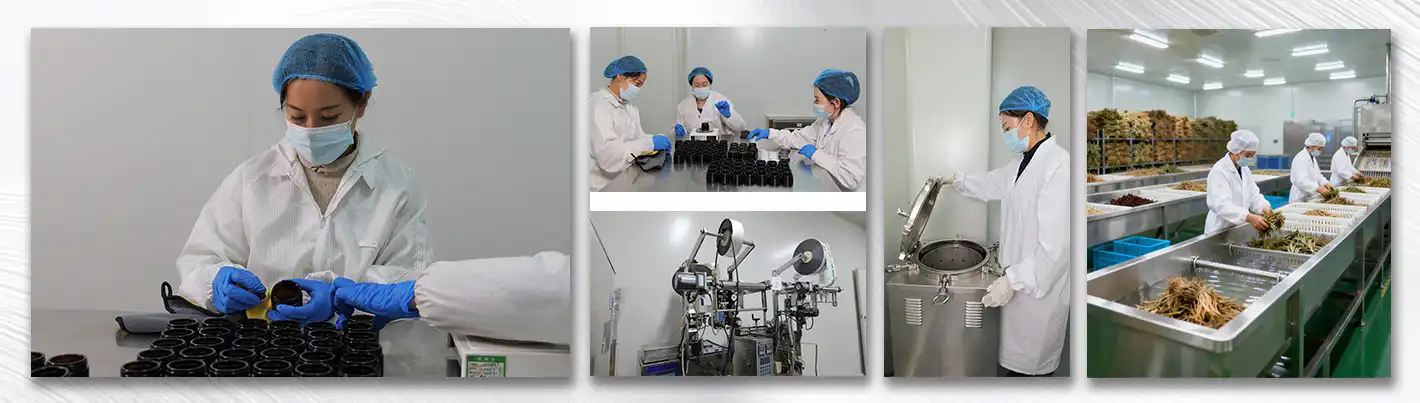
Professional sellers and commodity traders are separated by clear quality systems. Leading makers use multi-stage testing that starts with checking the raw materials, continues with tracking the production process, and ends with testing the finished product. With this all-around method, quality problems are caught early, so users don't get bad products. Third-party testing adds to the evidence for important quality factors. When suppliers send samples to independent labs regularly, it shows that they have faith in their quality processes and gives useful, concrete proof for regulatory submissions. Access to testing results and analytical data helps brands that care about quality do the due research they need to do. Traceability tools that connect finished mimosa root bark extract to specific harvest batches make it possible to move quickly when quality problems happen. Lot marking systems, retention samples, and thorough production records make it possible to look into problems and take steps to fix them. Companies that have to follow strict quality standards, like organic certification or pharmaceutical GMPs, find these tools very useful.
Communication and Technical Support
Respondent lines of contact have a big effect on how efficiently procurement works and how problems are solved. Maintaining English-speaking expert teams by suppliers makes it easier to talk about specifications and fix problems. Time zone coverage affects how quickly you can respond. Suppliers with customer service that works multiple shifts can handle pressing questions without having to wait all day. In addition to handling orders, technical support includes helping with formulations and giving advice on how to use products. Experienced sellers can give advice on the best ways to incorporate ingredients, how to keep them stable, and how to combine them with other ingredients to get the best results. This consultative method adds value above and beyond the standard mimosa root bark extract, helping to make new products and set yourself apart in the market. Strategic partners are different from transactional providers because they focus on long-term partnerships. Companies that invest in their customers' success by giving them market research, legal updates, and help with new product development build partnerships that are good for both sides. These partnerships go beyond just buying and selling things; they turn into working together to help both parties grow, and the market grow.
Conclusion
The extract from mimosa root bark has been shown to work well in several different formulations, and this has been supported by both traditional use and modern scientific proof. It has a concentrated bioactive profile that is high in tannins, flavonoids, and polysaccharides. These bioactives help with wound care, gut health, skin care, and functional wellness goods. Modern extraction methods that produce regulated 10:1 concentrations make sure that the consistency in potency and legal compliance that B2B buying workers need are met. When you do strategic sourcing, you have to look at more than just the basic product standards that a seller can offer. You have to look at things like certifications, testing methods, production flexibility, and expert support. With the right source relationships and formulation know-how, brands can use this flexible plant ingredient to make competing goods that meet customer needs for natural health solutions that work.
FAQ
What are the main benefits of using mimosa root bark extract in supplements?
The extract has many uses, such as supporting gut health with gastroprotective tannins, reducing inflammation with flavonoid chemicals, and changing the immune system with polysaccharide fractions. To get concentrations that are clinically useful, formulations usually include 300 to 500 mg per dose. The antimicrobial properties help fix problems in the gut bacteria, and the tissue-regenerative effects support the integrity of the mucosa. This makes it very useful in all-around digestive health supplements.
How can I be sure that this plant ingredient is pure and of good quality?
Ask for Certificates of Analysis that show proof of TLC fingerprints, heavy metal screening, microbial tests, and chemical residue analysis. Suppliers with a good reputation provide batch-specific paperwork that meets international standards. Check the supplier's credentials, such as ISO9001, GMP, and any related organic credentials. Tests done by a third party who is not connected with the project provide extra proof. Set standards for look, solubility, and extraction ratio to make sure that all packages are the same.
What is the smallest amount I should be able to order from a skilled supplier?
Professional mimosa root bark extract suppliers usually have low minimum orders that range from 1 kg for testing new products and making small batches to 25 kg drums for standard business packing. This adaptability fits different stages of a business, from trying new formulations at the beginning to running a production operation for a long time. You can get better deals on volume prices when you buy more of an item. For well-known goods with steady demand, the best economics are usually found when you buy 100 kg or more.
Partner with BioSpark for Premium Mimosa Root Bark Extract Supply
BioSpark (Xi'an) Biotechnology Co., Ltd. is an international company that specializes in providing food-grade and cosmetic-grade Mimosa Root Bark Extract that meets the strict requirements of health supplement brands and nutraceutical makers. Our standardized root bark extract has a 10:1 concentration that has been checked, full approval that includes ISO9001, GMP, Kosher, and Halal compliance, and TLC testing that shows the quality is the same from batch to batch. With more than ten years of experience extracting plants, we keep enough in stock to quickly fill orders starting at just one kilogram, and we can easily handle larger amounts in normal 25-kilogram drums. Our full-service OEM/ODM skills help you with every step of the product development process, from getting advice on the first formulation to final packing and shipping. Email our technical team at sales@biosparkcn.com to get samples, talk about your specific application needs, or look into ways to work together with a reliable mimosa root bark extract provider who is dedicated to the success of your recipe.
References
1. Chen, Y., & Wang, P. (2019). Phytochemical composition and biological activities of Mimosa pudica root extracts: A comprehensive review. Journal of Ethnopharmacology, 245, 112-128.
2. Rodriguez, M., Santos, L., & Fernandez, A. (2020). Standardization methods for botanical extracts in dietary supplement manufacturing: Quality assurance perspectives. Pharmaceutical Biology, 58(3), 234-247.
3. Kumar, S., Singh, R., & Patel, K. (2018). Anti-inflammatory and wound healing properties of traditional medicinal plants: Mechanisms and applications. Phytotherapy Research, 32(8), 1543-1562.
4. Thompson, E., & Bradley, J. (2021). Botanical extract procurement strategies for nutraceutical manufacturers: A practical guide to global sourcing. Natural Product Communications, 16(5), 1-15.
5. Li, J., Zhang, W., & Liu, H. (2019). Advanced extraction technologies for bioactive compounds from medicinal plants: Process optimization and quality control. Journal of Pharmaceutical and Biomedical Analysis, 172, 103-117.
6. Martinez, G., & Cohen, D. (2020). Regulatory considerations and quality standards for botanical ingredients in international markets. Regulatory Toxicology and Pharmacology, 115, 104-119.

Send Inquiry
Related Industry Knowledge
- Why Do Brands Prefer American Ginseng Extract Powder Today?
- What are the anti-fatigue benefits of snow lotus powder?
- Rosa Roxburghii Extract for High-Performance Health Products
- Is Radix Rehmanniae Extract Good for Metabolic Health?
- How Chamomile Extract Supports Stress and Anxiety Relief?
- Why Rosa Roxburghii Extract Is Rich in Vitamin C?
- Baicalin Extract for Skin: Anti-Aging & Protective Boost
- Fulvic Acid Powder Market Trends Driving Global Demand
- Does Pure Corn Extract Powder Help Maintain Healthy Blood?
- Daily Fulvic Acid Powder: Enhanced Energy & Cellular Support