_1764041963888.webp)
What Should You Know Before Buying Cowpea Powder?
Aug 09, 2026
When sourcing Cowpea powder for your health supplement or nutraceutical production line, understanding quality benchmarks, supplier reliability, and application versatility becomes paramount. This legume-based ingredient offers a balanced nutritional profile—typically containing 20-25% plant protein, complex carbohydrates, and essential minerals—making it an excellent foundation for functional foods, meal replacements, and dietary supplements. Procurement managers must evaluate manufacturing processes, certifications, and supply chain transparency to ensure the ingredient meets international standards while supporting product innovation and market differentiation.
Understanding Cowpea Powder: Key Features and Benefits
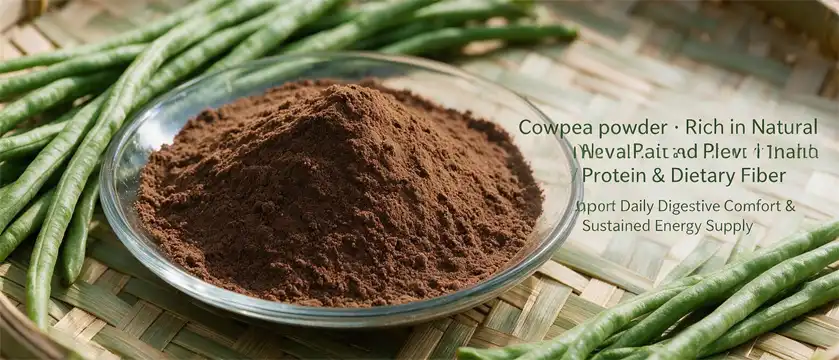
Cowpea powder, which is made from carefully chosen and treated cowpea seeds, has become a useful ingredient in functional and nutraceutical foods around the world. It's becoming more and more popular because it has a unique mix of nutritional density and manufacturing flexibility that makes it useful for a wide range of formulation problems.
Nutritional Profile and Health Benefits
This powder made from legumes is different from other protein sources because of the nutrients it contains. With a protein content of 20 to 25 percent, it has a wide range of amino acids that are good for keeping muscles healthy and supporting metabolism. The high amount of dietary fiber—often more than 10% by weight—helps digestion and makes you feel full, which makes it a great ingredient for weight management products.
In addition to macronutrients, the substance has a lot of minerals, like iron, magnesium, and potassium, which help cells work and the production of energy. Because cowpea-based products have a low glycaemic index, they can be used to make diabetic-friendly recipes, which is good for a growing market segment that cares about controlling their blood sugar.
Functional Versatility in Product Development
Manufacturing teams like that the ingredient can be used in a wide range of situations. In baked goods, it can be used instead of gluten-free flour and helps keep the moisture in and keep the structure strong. Protein bar makers use it to get the right amount of protein without the chalky feeling that some plant protein isolates have.
There is a mild but noticeable bean smell to the powder that goes well with savoury snacks and ready-to-drink healthy drinks. It is easily mixed into liquids because it dissolves in water, and it can also be used for specific extraction tasks because it dissolves partially in ethanol. The light yellow to light brown colour gives it a natural look that fits with clean-label placement.
Market Positioning Advantages
Professionals in procurement know that getting this ingredient helps more than one market trend at the same time. People who are coeliac or sensitive to gluten might be interested in the gluten-free certification. People who are flexitarian or vegan will like the plant-based protein label. The options for non-GMO sourcing are in line with what health-conscious buyers want: transparency.
When these qualities are put together, they let brands make goods that appeal to a lot of different types of customers at the same time. This helps them get into more markets while keeping the recipe simple. Because the ingredient fits with both traditional nutrition knowledge and modern dietary preferences, marketing teams can use it to tell interesting stories.
Comparing Cowpea Powder with Alternative Flours: Making the Right Choice
To choose the best legume-based powder, you need to know how they compare in terms of nutritional, functional, and cost factors. Each option has different trade-offs that affect the quality of the end product and the company's ability to make money.
Cowpea vs. Chickpea Flour
Protein amounts in both ingredients are about the same, running from 20 to 25 percent. The taste profile and physical differences are what make them different. Chickpea flour has a stronger nutty flavour that can overpower delicate recipes. On the other hand, Cowpea powder-based choices have milder flavour notes that work better with a wider range of recipes.
When used in baking, chickpea flour tends to make structures that are thicker and more compact. Cowpea powder usually makes crumb structures that are lighter and more tender. This is especially helpful in gluten-free recipes where getting the right mouthfeel can be tricky. When it comes to processing costs, cowpeas are usually the best choice in places where they are grown a lot.
Comparative Analysis with Other Legume Powders
While lentil flour has more fibre, it also has a strong flavour that makes it less useful in some situations. While soy protein isolates have a higher protein content, they are still a worry because they contain GMOs and aren't allowed in some markets because of allergens. Pea protein has become very popular, but it costs a lot because of the high demand for plant-based meat replacements.
Mung bean powder is very easy to digest, but it doesn't have the protein density that many recipes need. Cowpea powder is a good middle ground because it has a balanced nutritional profile, a moderate price point, and a wide range of uses. Because of this, it's very appealing to brands that want to cut costs on ingredients without lowering health promises.
Organic vs. Conventional Quality Considerations
Organic certification adds more complexity to the supply chain and costs more, which usually means that ingredient prices go up by 25–40%. The decision depends on how to position the product for the target market and what the retail channel needs. Organic certification is becoming more and more required by health-conscious online shops and places that sell natural products. This makes it necessary, even though it costs money.
Conventional choices keep prices stable and supplies available, which are very important for large-scale production activities. No matter what the organic status is, quality indicators like having a moisture content below 8%, little to no foreign matter, and microbial counts within safe limits are still very important. Procurement teams have to weigh the benefits of certification against the limitations of their business needs in terms of volume available and budget.
Criteria for Selecting High-Quality Cowpea Powder Suppliers
Finding trustworthy manufacturing partners takes a thorough look at technical details, operational skills, and business practices. When suppliers aren't chosen properly, it leads to problems with quality that affect the whole product and the brand's reputation.
Technical Quality Parameters
The main quality sign is the amount of moisture in the food, which directly affects how stable it is on the shelf and how safe it is from microbes. Specifications should require moisture levels below 8% to stop mould growth and enzyme breakdown while the Cowpea powder is being stored. Metrics for purity must take into account heavy metal amounts, especially lead and cadmium, as well as pesticide residues and foreign matter pollution.
Testing methodology verification ensures reported specifications reflect actual product characteristics. Thin-Layer Chromatography (TLC) provides reliable fingerprinting for botanical identity confirmation. High-Performance Liquid Chromatography (HPLC) offers superior precision for quantifying specific nutritional components and contaminant levels. Suppliers employing third-party laboratory verification demonstrate quality commitment beyond self-reporting.
Certification and Compliance Standards
International certifications set standards for quality systems and ways of making things. Having ISO9001 certification means that your quality control methods are organised. Good Manufacturing Practice (GMP) compliance makes sure that cleaning rules are followed and that steps are taken to stop contamination. Kosher and Halal certifications make it easier for goods that are aimed at certain faith groups to reach more customers.
Even though FDA registration is not the same as permission, it shows that you are committed to following the rules and being ready for inspections. Recognised groups that give organic certifications, like the USDA Organic or the EU Organic, require yearly checks to make sure that lists of banned substances and documentation standards are being followed. It takes a lot of money to get these licenses, which shows that the seller is serious and will be around for a long time.
Operational Reliability and Service Quality
Beyond product specifications, a supplier's operational skills determine the viability of a long-term partnership. Flexibility in the minimum order number is very important for testing new names and product lines. Sample testing and small-batch trials can be done with suppliers who offer 1 kg minimums, but innovation-focused buying can't be done with suppliers who require multi-ton commitments.
Consistency in lead times affects planning for production and inventory. Suppliers need to keep enough stock on hand to ship right away—within five to seven days for fast orders—so they can adapt to changes in demand. Clear communication about production schedules, quality test results, and tracking shipments builds trust and lets people plan.
Strategic Pricing and Volume Negotiations
To optimise costs, you need to know how prices work and what the discount limits are. Standard business-to-business pricing plans include discounts that start at 100 kg and go up to 500 kg and 1,000 kg of orders. Spot prices change with the markets for farming commodities, while contract prices lock in rates for set periods of time, moving commodity risk from one party to another.
To accurately compare total landed costs, people who work in procurement should ask for detailed quotes that include Incoterms like FOB (Free on Board), CIF (Cost, Insurance, Freight), or DDP (Delivered Duty Paid). When you buy something from another country, the hidden costs of taxes, clearing customs, and local transportation can have a big effect on how much it costs.
Practical Usage Tips and Storage Guidelines for Cowpea Powder
To get the most out of your ingredients, you need to know how to handle them properly, how to formulate them, and how to keep them fresh. Using the wrong methods for keeping or using can lower the quality of a product and cause more waste.
Formulation Integration Strategies
To make gluten-free baking work better, mix the Cowpea powder with binding agents like xanthan gum or psyllium husk, which have the same structural properties as gluten. Most of the time, 25 to 30 percent of regular flour is used instead, but this can be changed depending on the thickness and protein goals.
Protein beverage formulas need to pay attention to how the particles are distributed and how big they are. The particle size range of 80 to 120 mesh makes sure that the mouthfeel is smooth and free of gritty bits. In ready-to-drink uses, mixing with lecithin or other emulsifiers makes the solution more stable. When food is processed cold, the nutrients stay the same, but heat treatment may be needed to get rid of certain microbes.
Optimal Storage Conditions
Controlling humidity is the most important thing for keeping powder's quality over its whole shelf life. To keep things from clumping and absorbing water, storage facilities should keep the relative humidity below 60%. Stability at temperatures between 15°C and 25°C protects vital elements and slows down the breakdown process.
The choice of packaging has a big effect on how well food stays fresh. Single-layer polyethylene bags don't protect against wetness and air as well as multi-layer laminated bags with aluminium foil shields. Fibre drums with plastic bottoms are a good way to store a lot of things safely and don't cost too much. The normal 25 kg drum specification strikes a good mix between ease of handling and material economy.
Shelf Life Management
If you store the ingredient properly, it should stay good for 24 months from the date it was made. If the colour changes beyond the normal range, either getting darker or yellower, this means that reactive breakdown has happened. Checking for bad smells or rancidity with the senses shows that the lipids are oxidising, which means the product needs to be thrown away.
First-in, first-out (FIFO) inventory movement helps keep quality losses from getting worse over time to a minimum. Date-coding systems that keep track of both the date of manufacture and the date of receipt make systematic rotation easier. When you test and sample kept materials on a regular basis, especially when you have a lot of them, you can find new quality problems before they affect whole batches of products.

Procurement Process: Where and How to Buy Cowpea Powder Efficiently
To find your way around the B2B buying world, you need to be organised about how you find suppliers, make sure they meet your needs, and handle your relationships with them. Using strategic procurement practices can help keep supplies running smoothly and lower the total cost of ownership.
Supplier Identification and Vetting
Reliable B2B platforms offer initial supplier databases that include basic credential checks. Alibaba's Trade Assurance program and Global Sources' checking services give buyers basic trust that suppliers are real. But procurement due diligence must include more than just platform badges. It must also include direct building checks or inspection services from a third party.
Requesting complete paperwork packages with business licenses, pictures of the production facility, data on the quality management system, and customer references helps create profiles of suppliers that can be compared. Video facility tours, which are becoming more popular in foreign trade, let you see how things are made and what tools are used to do them.
Sample Evaluation and Quality Validation
Sample purchases come before big purchase commitments. By asking for 1–5 kg samples with full Certificate of Analysis (COA) paperwork, the lab can check that the specs given are correct. Besides what the supplier says, third-party testing by independent labs confirms the amount of nutrients, contaminants, and microbes present in the Cowpea powder.
Functional performance that isn't shown on standard sheets can be found through application testing in real formulas. Small-scale production tests find out if the product can be processed properly, what it tastes like, and how stable it is when it's finished. By writing down a sample performance, you can use objective criteria to compare different suppliers.
Logistics and Import Considerations
International procurement is more complicated than local purchase. Understanding the Harmonised System (HS) codes that apply to bean powders helps you figure out the tax rates and other rules that you need to follow. Different places have very different rules about what can be brought in. Some places need phytosanitary certificates or other proof of testing.
Choosing the right shipping method strikes a balance between speed and cost. When shipping a lot of items, the cost per unit is lowest by sea, but the trip from Asia to North America takes 30 to 45 days. The shipping time is cut down to 5–7 days with air freight, but it costs a lot more. This is okay for urgent orders or high-value items. Express delivery services are good for sending small samples that weigh less than 50 kg.
Quality Assurance Agreements
Making quality expectations official through written agreements protects both sides and sets up ways to settle disagreements. All important factors, like moisture content, protein levels, microbial limits, and contaminant thresholds, should have accepted amounts listed in the specifications. To avoid disagreements about meaning, sampling processes and testing methods need to be clearly defined.
Making plans for what to do if something goes wrong with the quality stops production. Agreements should spell out clear steps for fixing problems, like replacing the product, getting a refund, or cancelling the order, along with when they need to be done by. Regular performance reviews of suppliers that keep track of on-time delivery rates, quality compliance, and response keep them accountable and help them keep getting better.
Conclusion
The nutritional requirements, supplier skills, and operations of the supply chain must all be carefully considered when sourcing high-quality Cowpea powder. The ingredient is useful in nutrition supplements, functional foods, and nutraceuticals because it has a healthy protein level, can be used in many ways, and is in line with health trends in the market. To be successful at procurement, you need to work with certified manufacturers who can show they have the right technical knowledge, operational reliability, and regulatory compliance. Strategic buying practices, such as carefully screening suppliers, testing samples, and making quality deals official, lower risks and reduce costs at the same time. As the need for plant-based nutrition keeps growing, finding reliable sources of high-quality legume-based ingredients gives brands a competitive edge in health-conscious markets and helps them grow.
FAQ
1. Is Cowpea powder suitable for gluten-free formulations?
The ingredient doesn't naturally contain any gluten proteins, so it can be used in goods that are safe for coeliacs. Cross-contamination can't happen in sites that are only used to make gluten-free goods. This is important for products that are sold with gluten-free claims. Certification from well-known gluten-free verification programs gives customers more confidence and makes sure that stores follow the rules.
2. How long can Cowpea powder be stored while maintaining quality?
The Cowpea powder stays at its best for 24 months after it was made, as long as it is kept in a controlled environment with a temperature between 15°C and 25°C and no light exposure. Proper packaging in materials that keep out moisture extends the shelf life by stopping oxidative breakdown and moisture absorption. Testing stored goods on a regular basis to keep an eye on their quality makes sure they can still be used for production.
3. What distinguishes Cowpea powder from chickpea flour in practical applications?
Both have about the same amount of protein, but the main differences are in how strong the flavours are and how the textures are. Instead of strong, crunchy notes like chickpea flour does, this ingredient has milder flavours that work better with delicate recipes. When used in baking, it usually makes structures that are lighter and more tender. This is especially helpful for gluten-free products that need a better mouthfeel. Based on the target sensory characteristics and application needs, these functional differences help with formulation decisions.
Partner with BioSpark for Superior Cowpea Powder Solutions
Cowpea powder of the highest quality is provided by BioSpark (Xi'an) Biotechnology Co., Ltd., which is made to the strict standards required by the nutritional and health supplement industries. Our advanced method for extracting plants keeps the nutrients intact and makes sure that the quality is the same in every batch. With a wide range of certificates, such as ISO9001, GMP, FDA registration, Kosher, and Halal, we give your goods the compliance base they need to be sold all over the world. Our production is flexible enough to handle orders ranging from 1 kg samples to multi-ton contracts. This means that we can help both new brands test out new formulas and established makers increase production. As your sole provider of Cowpea powder, we provide full OEM/ODM services that allow for customised formulas that are specifically suited to your nutritional needs and market positioning. Email our team at leao@biosparkcn.com to ask for samples, talk about your formulation needs, and find out how our experience can help you speed up the process of making your product.
References
1. Gonçalves, A., Goufo, P., Barros, A., Domínguez-Perles, R., Trindade, H., Rosa, E.A., Ferreira, L., & Rodrigues, M. (2016). Cowpea (Vigna unguiculata L. Walp), a renewed multipurpose crop for a more sustainable agri-food system: nutritional advantages and constraints. Journal of the Science of Food and Agriculture, 96(9), 2941-2951.
2. Nderitu, A.M., Dykes, L., Awika, J.M., Minnaar, A., & Duodu, K.G. (2013). Phenolic composition and inhibitory effect against oxidative DNA damage of cooked cowpeas as affected by simulated in vitro gastrointestinal digestion. Food Chemistry, 141(3), 1763-1771.
3. Siddiq, M., Ravi, R., Harte, J.B., & Dolan, K.D. (2010). Physical and functional characteristics of selected dry bean (Phaseolus vulgaris L.) flours. LWT - Food Science and Technology, 43(2), 232-237.
4. hillips, R.D., McWatters, K.H., Chinnan, M.S., Hung, Y.C., Beuchat, L.R., Sefa-Dedeh, S., Sakyi-Dawson, E., Ngoddy, P., Nnanyelugo, D., Enwere, J., Komey, N.S., Liu, K., Mensa-Wilmot, Y., Nnanna, I.A., Okeke, C., Prinyawiwatkul, W., & Saalia, F.K. (2003). Utilization of cowpeas for human food. Field Crops Research, 82(2-3), 193-213.
5. Akpapunam, M.A. & Sefa-Dedeh, S. (1997). Some physicochemical properties and anti-nutritional factors of raw, cooked and germinated Jack bean (Canavalia ensiformis). Food Chemistry, 59(1), 121-125.
6. Singh, U., Kherdekar, M.S., & Jambunathan, R. (1982). Studies on desi and kabuli chickpea (Cicer arietinum L.) cultivars: Levels of protease inhibitors, levels of polyphenolic compounds and in vitro protein digestibility. Journal of Food Science, 47(2), 510-512.

Send Inquiry
Related Industry Knowledge
- What Are the Best Applications of Ginseng Fruit Powder?
- Maqui Berry Powder for Eye Health: Dry Eye & Retinal Protection
- Maqui Berry Powder for Eye Health: Dry Eye & Retinal Protection
- Maqui Berry Powder for Eye Health: Dry Eye & Retinal Protection
- Maqui Berry Powder for Eye Health: Dry Eye & Retinal Protection
- Maqui Berry Powder for Eye Health: Dry Eye & Retinal Protection
- Maqui Berry Powder for Eye Health: Dry Eye & Retinal Protection
- Maqui Berry Powder for Eye Health: Dry Eye & Retinal Protection
- Maqui Berry Powder for Eye Health: Dry Eye & Retinal Protection
- Maqui Berry Powder for Eye Health: Dry Eye & Retinal Protection
- Maqui Berry Powder for Eye Health: Dry Eye & Retinal Protection
- Does Liquorice Extract Powder Work as a Natural Tobacco Flavoring?
- Spinach Juice Powder Supplier Guide for Global Buyers
- How Is Purple Cabbage Powder Used in Dairy Products?
- Tribulus Terrestris Extract Powder: Real Results or Hype?
- Tangerine Peel Extract for Immune Support Products
- Mimosa Root Bark Extract in Premium Skincare Lines
- Kacip Fatimah Extract: Natural Phytoestrogen for Women
- Can Baicalin Extract Improve Skin Texture & Elasticity?