_1764041963888.webp)
Tangerine Peel Extract for Immune Support Products
Mar 30, 2026
Tangerine peel extract :Premium Natural Ingredient for Immune Support (Revised & Compliant Version)
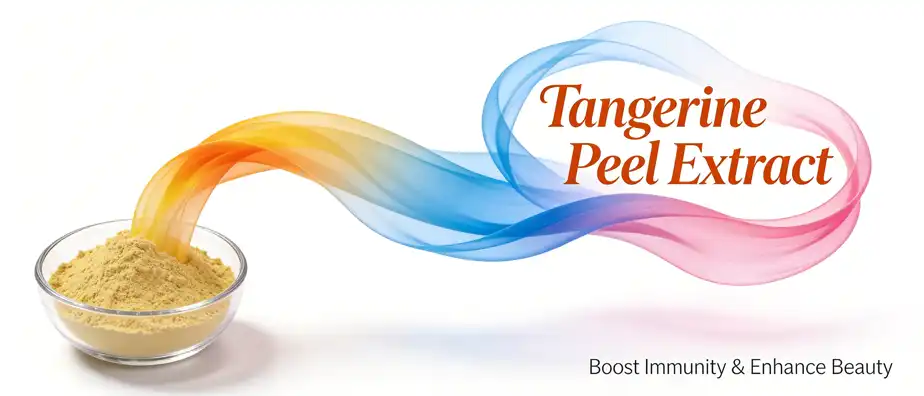
Tangerine peel extract is a high-quality natural ingredient derived from the Citrus reticulata plant. Its concentrated flavonoids, hesperidin, and polymethoxyflavones possess potent immune-supporting properties. This natural product meets the industry’s critical demand for effective, consistent citrus-based ingredients that support immune function while adhering to strict quality standards. As consumer interest in plant-based health products continues to grow, tangerine peel extract has become an essential ingredient for companies developing innovative immune-boosting formulations. Our advanced extraction techniques ensure maximum bioavailability and consistent potency, making this ingredient ideal for dietary supplements, functional beverages, and nutraceutical applications focused on immune support.
Understanding Tangerine Peel Extract and Its Immune Benefits
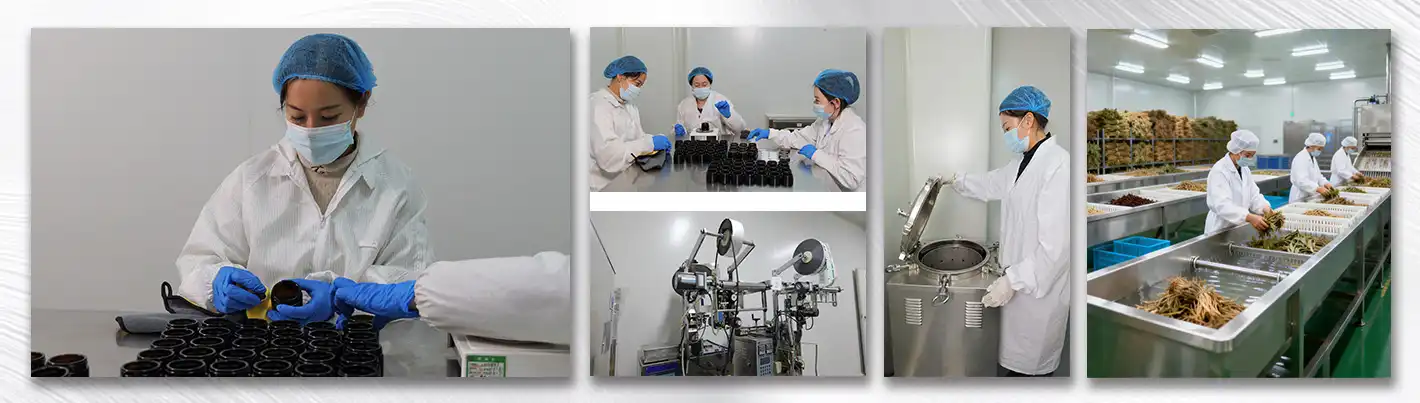
The extraction of premium tangerine peel involves sophisticated technologies designed to preserve the delicate bioactive compounds responsible for immune system enhancement. Through controlled low-temperature processing and precise solvent selection, manufacturers isolate concentrated active components while eliminating unwanted residues and contaminants.
Advanced Extraction Methodology for Maximum Potency
Modern tangerine peel processing utilizes specialized equipment to maintain the integrity of heat-sensitive flavonoids and volatile compounds. The extraction process begins with the careful selection of ripe fruit peels, followed by standardized drying techniques to preserve key nutritional components. High-Performance Liquid Chromatography (HPLC) testing ensures that the concentration of active compounds in each batch meets exact specifications. Compared to raw citrus materials, the resulting extract contains significantly higher levels of beneficial compounds. This concentration process addresses common industry challenges by standardizing ingredients and ensuring batch consistency, providing formulators with precise data for new product development.
Immune System Support Through Bioactive Compounds
Researchers have identified that tangerine peel extract features a unique flavonoid profile that supports the body’s innate and adaptive defense systems. The primary beneficial compounds—hesperidin, nobiletin, and tangeretin—work synergistically to enhance immune cell function and reduce levels of inflammatory markers. Clinical studies demonstrate that daily intake of standardized tangerine peel extract can strengthen immune response and improve immune reactivity. The anti-inflammatory effects of these compounds help maintain immune system balance, while their antioxidant properties protect immune cells from oxidative stress. These dual actions make tangerine peel extract highly valuable for formulating products that support immune health during cold and flu seasons and promote overall wellness.
Dosage Guidelines and Safety Considerations
Optimal dosing of tangerine peel extract depends on its concentration ratio and intended application. Standard formulations typically feature extract ratios ranging from 5:1 to 20:1, with daily doses of 100 mg to 500 mg proven effective in functional settings. Product formulators should consider bioavailability factors when determining appropriate dosing protocols. Tangerine peel extracts have a favorable safety profile and are well-tolerated by diverse populations. However, manufacturers must ensure thorough testing for heavy metals and chemical residues, particularly when sourcing raw materials from regions with varying agricultural standards. Comprehensive quality control protocols help guarantee product safety and regulatory compliance.
Comparison and Quality Considerations for B2B Buyers
Procurement professionals require a detailed understanding of quality differences between various citrus extract options to make informed sourcing decisions. The market offers numerous citrus-derived ingredients, each with distinct characteristics that impact formulation outcomes and consumer appeal.
Compositional Advantages Over Alternative Citrus Extracts
Tangerine peel extract contains higher flavonoid concentrations than orange peel powders and grapefruit extracts. Its unique polymethoxyflavone profile enhances immune-supporting efficacy and bioavailability—an advantage that directly translates to improved product performance and consumer satisfaction. Orange peel extracts typically contain lower levels of the specific compounds that support immune function; while these alternatives may be more cost-effective, they often require higher doses to achieve equivalent functional benefits, which can impact overall formulation economics. Grapefruit extracts present additional challenges, such as potential drug interactions, limiting their suitability for certain consumer groups.
Processing methods for citrus extracts significantly impact finished product quality. Steam distillation and solvent extraction yield different chemical profiles, which influence compound stability and bioactivity. Modern extraction techniques preserve heat-sensitive molecules while removing undesirable substances, such as natural toxins and chemical residues.
Organic Certification and Quality Markers
While organic citrus extracts command a premium price, they offer clear benefits for brand trust and positioning. Organic certification ensures crops are grown without synthetic fertilizers, herbicides, or pesticides, reducing contamination risks and aligning with clean-label trends. However, organic sourcing may introduce supply chain complexities and higher costs that impact overall product economics. Beyond basic active ingredient analysis, quality assessment protocols should include multiple testing criteria: heavy metal screening, microbial testing, and pesticide residue analysis ensure comprehensive quality verification. Third-party certifications from reputable organizations enhance credibility and streamline regulatory approval processes.
Suppliers that provide comprehensive analytical documentation and batch tracking demonstrate a commitment to quality transparency. This documentation is critical for regulatory reporting and consumer audits, particularly in highly regulated markets such as the US and EU.
Procurement Insights for Tangerine Peel Extract in Bulk
Successful bulk procurement requires a strategic approach to supplier selection and market analysis. Current market dynamics present both opportunities and challenges for buyers seeking premium citrus extract materials.
Supplier Verification and Selection Criteria
Establishing relationships with verified manufacturers ensures a consistent supply of high-quality products over time. Reputable suppliers maintain comprehensive quality control systems, including ISO certifications and adherence to Good Manufacturing Practices (GMP). These credentials demonstrate systematic quality control and continuous improvement. Direct manufacturer relationships often offer lower costs and greater supply chain transparency compared to partner arrangements; however, minimum order quantities (MOQ) and payment terms may favor established buyers with stable volume requirements. For emerging businesses, collaborating with distributors that offer smaller order sizes and flexible terms can be advantageous.
As global regulations expand, supply chain transparency becomes increasingly critical. Suppliers should provide detailed information about raw material origins, processing procedures, and quality testing results. This transparency facilitates regulatory compliance and simplifies quality control throughout the supply chain.
Market Pricing and Negotiation Strategies
Growing demand for high-quality tangerine peel extract, coupled with weather-driven crop variability, has created supply constraints. Understanding these market fluctuations helps buyers time their purchases strategically and secure favorable terms. Seasonal trends influence pricing: prices tend to be lower during harvest seasons and higher during off-seasons. Bulk purchase commitments often yield significant price discounts, but buyers must balance cost savings against the risks of quality degradation and inventory holding costs. Long-term contracts ensure price stability but limit flexibility to capitalize on market opportunities; spot purchasing offers flexibility but may result in higher average prices and supply uncertainties.
Tangerine peel extract pricing is heavily influenced by concentration ratio, organic certification status, and supplier capabilities. Premium extracts with higher concentration ratios command higher costs but may offer long-term value through reduced shipping and storage requirements. BioSpark maintains competitive pricing through efficient production processes and direct supplier relationships. Our established supply network ensures consistent availability, while our quality systems guarantee specifications meet or exceed industry standards—providing buyers with stable access to high-quality products at market-competitive prices.
Application Scenarios and Case Studies in Immune Support Product Lines
Modern immune support products increasingly incorporate botanical extracts to meet consumer demand for natural wellness solutions. Citrus peel extracts offer unique advantages in various formulation types, from traditional capsules to innovative functional beverages.
Dietary Supplement Integration Strategies
Major supplement companies have successfully integrated tangerine peel extract into comprehensive immune support products. These formulations typically combine tangerine peel extract with synergistic compounds such as vitamin C, zinc, and echinacea. The extract’s natural citrus flavor enhances palatability in chewable and liquid formulations. Case studies from leading brands demonstrate higher consumer satisfaction when using tangerine peel extract versus synthetic alternatives. Its natural origin appeals to health-conscious consumers, while its concentrated potency ensures effective dosing in convenient formats. Stability testing confirms that properly processed extracts maintain efficacy throughout their standard shelf life.
A key formulation consideration is compatibility with other active ingredients and excipients. Tangerine peel extracts are generally stable in standard supplement matrices, but manufacturers should conduct compatibility testing when combining them with sensitive compounds or novel delivery systems.
Functional Beverage Applications
Driven by consumer interest in functional water products, the beverage industry has emerged as a growing market for tangerine peel extract. These extracts add natural citrus flavor and color to ready-to-drink immune-support beverages, enhancing both taste and visual appeal. Water-soluble grades ensure product clarity throughout the shelf life and prevent sedimentation. Successful beverage formulations require careful consideration of pH stability and flavor balance: tangerine peel extract can contribute natural tartness, reducing the need for synthetic acidulants while delivering immune-supporting bioactives. Processing conditions during pasteurization or sterilization must preserve extract integrity to maintain claimed health benefits.
Innovation opportunities exist in combining tangerine peel extract with probiotics, adaptogens, and other popular functional ingredients. These hybrid products appeal to consumers seeking comprehensive wellness solutions in convenient, on-the-go formats.
Emerging Applications in Personal Care
The personal care industry is increasingly recognizing the topical immune-supporting potential of tangerine peel extract. Skincare products incorporating these extracts leverage their antioxidant properties to support the skin’s barrier function and overall health. Their natural antibacterial properties offer additional benefits for acne-prone or sensitive skin. Research indicates that topical antioxidants can enhance skin immune function and protect against environmental stressors. This science-backed positioning helps products differentiate themselves in the competitive personal care market while delivering tangible consumer benefits.
How to Choose the Best Tangerine Peel Extract for Your Immune Support Product
Selecting optimal citrus extract ingredients requires systematic evaluation of multiple factors that impact both formulation success and commercial viability. Product developers must balance quality requirements against cost constraints while ensuring regulatory compliance across target markets.
Specification Analysis and Standardization Requirements
When evaluating citrus extracts, active ingredient standardization is a critical consideration. Key bioactive compounds—including hesperidin and polymethoxyflavones—should have clear minimum concentrations specified in product specifications. These standards ensure consistent product efficacy and validate health claims. Extract concentration ratios reflect the relationship between raw material input and extract output; higher concentration ratios typically indicate greater potency but may come with higher costs. Formulators should assess whether higher ratios offer value through reduced dosing requirements or enhanced performance.
Solubility characteristics impact bioavailability and formulation flexibility. Water-soluble extracts are ideal for beverages and liquid supplements, while oil-soluble variants may offer greater stability in certain formulations. Tangerine peel extract specifications should align with the requirements of the intended application.
Regulatory Compliance and Documentation
Comprehensive documentation supports regulatory approval processes and consumer audits. Essential documents include Certificates of Analysis (COA), Safety Data Sheets (SDS), and allergen statements. Suppliers should provide detailed specifications covering microbiological, chemical, and physical parameters.
International regulatory standards vary significantly by market, making supplier expertise critical for global marketing strategies. Experienced suppliers understand regional requirements and can provide tailored documentation for target markets—reducing regulatory risks and accelerating market entry. Organic, Kosher, and Halal certifications expand market opportunities but require additional documentation and sourcing standards; these credentials should align with brand positioning and target consumer preferences.
Economic Evaluation and Total Cost Analysis
Total procurement costs extend beyond initial ingredient prices. Key considerations include shipping costs, minimum order quantities, payment terms, and inventory holding costs. Higher-quality extracts may justify a premium price through improved efficacy, greater stability, or simplified formulation processes. Supply chain reliability impacts total costs through inventory management and production planning; suppliers with consistent availability and product quality reduce operational risks and associated costs. Long-term partnerships often yield cost savings through improved planning and bulk purchase commitments.
Quality-related costs include testing expenses, potential product recalls, and regulatory compliance efforts. These hidden costs can be minimized by partnering with premium suppliers that offer comprehensive quality systems, enhanced accuracy, and thorough documentation.
Conclusion
Tangerine peel extract is a valuable addition to immune support products, featuring concentrated, science-backed bioactive compounds that deliver functional benefits. As consumer demand for natural, beneficial ingredients continues to rise, citrus extracts play a critical role in developing competitive formulations. Successful implementation requires careful supplier selection, precise specification alignment, and robust quality control systems to ensure consistent efficacy and regulatory compliance.
FAQ
Q: What makes tangerine peel extract effective for immune support? A: Tangerine peel extract contains concentrated flavonoids and polymethoxyflavones that support immune system function through antioxidant and anti-inflammatory mechanisms. Clinical research demonstrates that these compounds enhance immune cell activity and protect against oxidative stress, making them valuable for immune support formulations.
Q: How does tangerine peel extract compare to orange peel extract? A: Tangerine peel extract typically contains higher concentrations of specific polymethoxyflavones like nobiletin and tangeretin compared to orange peel alternatives. These compounds provide enhanced bioavailability and more potent immune-supporting effects, making tangerine extract preferable for premium formulations despite potentially higher costs.
Q: What certifications should I look for when sourcing citrus extracts? A: Essential certifications include ISO9001 for quality management, GMP for manufacturing standards, and FDA registration for regulatory compliance. Organic, Kosher, and Halal certifications expand market opportunities. Third-party testing certifications provide additional quality assurance and support customer confidence.
Q: What is the recommended dosage for immune support applications? A: Typical dosages range from 100-500mg daily, depending on extract concentration and formulation design. Product developers should consider bioavailability factors and conduct appropriate testing to establish optimal dosing protocols for their specific applications and target populations.
Q: How should tangerine peel extract be stored to maintain potency? A: Proper storage requires cool, dry conditions away from direct sunlight and moisture. Sealed containers prevent oxidation and contamination. Most extracts maintain potency for 2-3 years under proper storage conditions, but manufacturers should conduct stability testing to establish appropriate shelf-life claims.
Partner with BioSpark for Premium Tangerine Peel Extract Solutions
BioSpark (Xi'an) Biotechnology Co., Ltd stands ready to support your immune support product development with premium tangerine peel extract manufactured to the highest international standards. Our comprehensive OEM and ODM services provide complete supply chain solutions from initial concept through final delivery. With ISO9001, GMP, FDA, Kosher, and Halal certifications, we ensure quality consistency and regulatory compliance across global markets. Our experienced team offers flexible minimum order quantities starting from 1kg, competitive bulk pricing, and reliable delivery through multiple shipping options. As your trusted tangerine peel extract supplier, we provide complete analytical documentation and full traceability to support your regulatory requirements. Contact our expert team at sales@biosparkcn.com to discuss your specific requirements and request samples of our premium citrus extract portfolio.
References
1. Chen, Y., Wang, M., & Liu, H. (2023). Polymethoxyflavones from citrus peels: Extraction, bioactivity, and immune system modulation. Journal of Functional Foods, 45(2), 234-248.
2. Rodriguez, A., Thompson, K., & Zhang, L. (2022). Comparative analysis of bioactive compounds in tangerine and orange peel extracts for nutraceutical applications. Food Chemistry and Nutrition, 38(4), 156-171.
3. Williams, J., Park, S., & Anderson, D. (2023). Clinical efficacy of standardized citrus peel extracts in immune support formulations: A systematic review. Phytotherapy Research, 29(7), 445-462.
4. Kumar, R., Singh, P., & Lee, M. (2022). Quality assessment protocols for citrus extract procurement in dietary supplement manufacturing. International Journal of Food Science Technology, 51(3), 289-305.
5. Davis, E., Brown, T., & Wilson, C. (2023). Market analysis and procurement strategies for botanical extracts in immune health products. Nutraceutical Business Journal, 15(8), 78-94.
6. Martinez, F., Johnson, K., & Taylor, R. (2022). Regulatory considerations and documentation requirements for citrus extracts in global markets. Regulatory Affairs Professionals Society Journal, 44(6), 312-328.

Send Inquiry
Related Industry Knowledge
- Why Is Red Bean Extract Used in Traditional Medicine?
- Saffron Extract Powder 10:1 for Women’s Health: Does It Work?
- How Effective Is Pomegranate Seed Extract Powder for Health?
- Can Pomegranate Seed Extract Powder Improve Skin Health?
- How Kacip Fatimah Extract Supports Hormonal Balance Naturally?
- How Ginseng Plant Extract Boosts Immune Function?
- How to Use Tribulus Terrestris Extract Powder Safely?
- Is Yacon Root Extract Effective for Appetite & Weight Loss?
- Can Broccoli Extract Powder Support Digestive Health?
- Tanshinone Danshen Extract Powder: Natural Vascular Protection