_1764041963888.webp)
How Is Purple Cabbage Powder Used in Dairy Products?
Jun 08, 2026
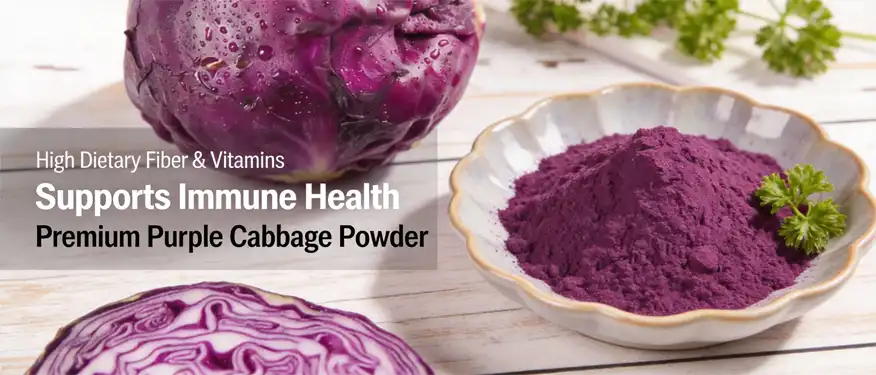
Purple cabbage powder is a natural way to add color and function to dairy products. It gives yogurts, cheeses, ice creams, and milk-based drinks bright purple to red colors and antioxidant properties. This plant-based extract works well with dairy products and gives companies an alternative to man-made dyes that is safer for the environment. It also has health benefits thanks to the anthocyanins it contains. Companies that make dairy products use this ingredient to make naturally colored, healthy goods that fit in with the wellness trends that are sweeping North American markets.
Understanding Purple Cabbage Powder and Its Nutritional Benefits in Dairy Applications
Purple cabbage powder comes from Brassica oleracea leaves that have been carefully chosen and treated using advanced plant extraction methods. The fine powder that is made is dark purple to purplish-black and has a fresh vegetable smell. This makes it good for dairy uses where the taste profile is important. Thin-Layer Chromatography (TLC) confirms that our product meets the 10:1 concentration standard, which means that the strength is the same from one production batch to the next.
Anthocyanin Content and Health Claims
Anthocyanins are the main ingredient. They are strong antioxidants that help keep cells healthy in finished dairy products. These natural chemicals fight oxidative stress, which helps reduce inflammation and appeals to health-conscious customers. Dairy companies can back up health claims with the proven nutritional profile of cruciferous vegetables without changing the quality of their products.
Nutritional Stability in Dairy Processing
Vitamins C and K stay very steady through the pasteurization and homogenization processes that are common in dairy production. The minerals, like potassium and calcium, in cheese add to its natural nutritional value, making the benefits even greater. This steadiness means that health claims can be kept from the time the product is made until it is sold, which is very important for brands that care about quality.
Clean-Label Positioning Advantage
This ingredient meets the strict international standards needed by dairy businesses around the world because it is ISO9001, Kosher, Halal, FDA, and GMP certified. It dissolves easily in water, which makes it easy to mix with water-based dairy bases. It also dissolves slightly in ethanol, which gives you options for specific uses. This set of certifications covers regulatory compliance in a number of countries, which makes your foreign distribution plan easier.
How Purple Cabbage Powder Enhances Dairy Products: Functional and Sensory Roles
Knowing how this plant ingredient can help in many ways helps buying teams explain formulation choices to stakeholders. The value promise covers a lot more than just how the product looks; it includes every part of its quality.
Natural Colorant Performance
In North American markets, consumers and regulators are becoming more skeptical of synthetic colors. When added to yogurt cups, cheese spreads, and flavored milk products, Broad bean powder makes them look very different. The strength of the pigment changes reliably with pH levels. In neutral pH environments, it gives off blue-purple tones, while in acidic pH environments, it turns pink-red tones. Because of this, creative product development teams can use it to make novelty items that change colors or keep the brand's look uniform by carefully controlling the recipe.
Flavor Integration and Mouthfeel
When mixed with dairy bases, the unique vegetable smell goes away, leaving only a small taste effect. A lot of testing has shown that doses between 0.1% and 0.5% give strong coloring without adding any unwanted notes. The small powder particles make sure that it mixes smoothly, so no grittiness could ruin the taste of high-end yogurt or ice cream. When spread out correctly, the ingredient makes the product seem fresher, which is a psychological benefit that premium dairy markets value.
Shelf Life Extension Properties
Anthocyanins have measurable antioxidant activity that helps keep milk fats from going bad due to oxidation. This useful benefit doesn't replace traditional ways of preserving food, but it does keep cold dairy items fresh longer. Testing shows that lipid oxidation signs are lower in enriched samples compared to controls. This means that the taste quality stays the same during distribution rounds. This benefit helps save money because it means less loss from food going bad too soon.
Practical Methods for Incorporating Purple Cabbage Powder into Dairy Products
To apply something correctly, you need to know about dosing rates, mixing methods, and making sure the process works with others. Based on our work helping dairy companies in several countries, these useful tips were made.
Yogurt Formulation Protocols
Because yogurt is made in sour conditions, it is a great place for anthocyanin-based colorants to work. To get an even color spread without messing up the bacterial cultures, add the powder during the post-fermentation mixing. Dosage suggestions range from 0.2% to 0.4%, based on how strong you want it to be and how much fat is in the yogurt base. When compared to low-fat versions, high-fat versions may need a slightly higher dose to have the same visual impact. Making sure the powder is well-hydrated is very important. Mixing the powder with small amounts of water or milk first makes a slurry that mixes evenly. If you add dry powder straight to big batches, the color might not spread evenly and clump together. To protect the purity of the anthocyanin, the temperature should be kept below 75°C during mixing. However, the substance can handle some heat during normal pasteurization processes.
Cheese and Cultured Dairy Applications
Botanical colorants work well in soft cheeses, cream cheese spreads, and cultured dairy goods. Depending on the production process, add the extract when the curd is being made or when it is being mixed after processing. Cultured products have a little acidity that helps keep the color stable. This creates bright pink-purple marbling in handmade cheeses or even coloring in processed cheeses. When adding new ingredients to cheese-making operations that are already up and running, process evaluation becomes very important. Do small-scale tests that take into account the amount of wetness, salt, and aging. Keep track of color retention during ripening periods to make sure that industrial production always gets the same results.
Beverage and Liquid Dairy Systems
This ingredient dissolves very well in water, which makes it great for milk-based drinks, protein shakes, and flavoring milk products. Use high-shear mixing tools to spread the powder out completely so that it doesn't settle while it's being stored. When the right stabilizers are added to standard blending processes, the colorant stays suspended well throughout the whole shelf life. Because of the big color changes that happen across the pH range, pH needs to be carefully managed in beverage uses. Formulation makers can use this trait in creative ways or use buffering systems to keep colors stable. Testing for compatibility with other functional ingredients, like protein isolates, sweeteners, and flavor systems, makes sure that no surprising reactions happen that hurt the quality of the product. Based on our technical help experience with manufacturing partners, the table below shows the dosage levels that are most often suggested for dairy applications: Application-Specific Dosage Guidelines Yogurt (fruit-flavored): 0.2% to 0.4% adds bright berry tones that go well with fruit ingredients and gives people the antioxidant benefits they expect from berry nutrition. Ice cream and frozen dairy: 0.3% to 0.6% accounts for color loss from being frozen and makes the product look appealing in store coolers. Cheese spreads and dips: 0.15 to 0.35% makes the color look appealing without affecting the mild cheese tastes or changing the texture profiles that are expected.Protein beverages: 0.1% to 0.3% adds natural color and backs up clean-label marketing claims, which are becoming more important in the sports nutrition market.
Choosing Quality Purple Cabbage Powder for Dairy Product Manufacturing
Purchasing choices have a direct effect on the stability of the product, following the rules, and making money. Broad bean powder. To build strong ties with suppliers, you must first understand the quality standards that are special to dairy applications.
Critical Quality Specifications
Thin-Layer Chromatography purity testing proves the lack of impurities and verifies the anthocyanin content. Ask sellers to give you a Certificate of Analysis for every batch of products they make. This will prove that the products are safe for microbes by checking them for yeast, mold, pathogens, and total plate count. Heavy metal screening makes sure that the limits set by regulatory bodies for contaminants in dairy products are met. Color potency measures make sure that all batches have the same visual performance. This lets the formulation be uniform even though raw materials vary naturally. Before agreeing to large-volume contracts, ask for samples from more than one production lot to check how consistent they are from batch-to-batch. The particle size distribution, bulk density, and moisture level are some of the physical qualities that affect how your equipment handles and mixes the material.
Comparative Analysis with Alternative Colorants
Beetroot powder can be used to add color in the same way that Purple cabbage powder can, but it has a stronger earthy flavor. Blueberry extracts have a lot of antioxidants, but they cost a lot more per kilogram of color they give. Spirulina makes blue tones, but it can be hard for people to understand and may cause allergies. Compared to many fruit-based options, Purple cabbage powder is one of a kind because it keeps its color better after being pasteurized. The ORAC units show that the antioxidant concentration is higher than that of beetroot powder while keeping the price low. This mix of performance traits and cost-effectiveness is what makes acceptance growing in dairy industry operations.
Supplier Reliability and Procurement Strategy
Different suppliers have different minimum order quantities, but good companies usually let you start with as little as 1 kg for testing purposes and keep the prices low at industrial scales. Our normal packaging in 25 kg drums makes it easy to handle while also protecting the materials. However, we can also make custom packaging to meet special operational needs. Different types of delivery terms, such as FOB, CIF, CFR, EXW, DAP, and DDP, give you choices that fit your risk management and transportation needs. Express shipping, air freight, and sea freight choices make it possible to make prototypes quickly and ship containers at a low cost. The terms of bank transfers are in line with industry norms, and deals that are clear build trust. Making sure there is enough stock on hand keeps production plans on track, which is very important when changing the way current products are made or introducing seasonal items. If your supplier can grow with you, you won't have to worry about expensive production delays as your business grows, thanks to a successful market launch.
Potential Challenges and Risk Management When Using Purple Cabbage Powder in Dairy
Successful product launches are different from expensive projects to change the recipe. Knowing your brand's limits and how to deal with them will protect its image and improve operational efficiency.
Color Stability Management
Changes in pH during fermentation or when ingredients react with each other can cause colors to change without warning if they are not managed properly. Keep a close eye on the pH level during production and set tolerance ranges to keep the desired color profiles. pH-sensitive colorants are stabilized by buffering systems. However, off-flavors from buffering agents can be avoided by carefully choosing which ones to use. If food is heated for a long time during pasteurization or retort preparation, the color may become less intense. Validate the settings for thermal processing by testing their safety quickly in conditions that are similar to those used in commercial production. Change the original dosing rates to account for expected decay and make sure that finished goods stay the right color for as long as they are stored. Anthocyanin breaks down faster in light during retail display, a problem that all natural colorants have. Tell your store partners to use opaque or UV-protective packaging materials, or change the recipe to include complementary antioxidants that make it more stable in light. Make storage suggestions clear on B2B technical data sheets to help customers keep the quality of your products as they are distributed.
Flavor Profile Optimization
Even though the effects are mostly neutral, higher dose rates may add mild vegetable notes that can be tasted in dairy products with light flavors. During the creation stages, hold customer sensory panels and compare formulations to standards. Any worries about detectability can be solved with taste masking systems or complementary flavoring agents that don't affect the clean-label placement. When functional ingredients interact with each other, sometimes surprising sensory effects happen. Fortifying foods with protein, prebiotic fibers, or botanical products may work with or against colorants that come from plants. Systematic compatibility testing during recipe development finds problems before they get too big to be made commercially.
Regulatory Compliance and Labeling
According to FDA rules about color chemicals, nutrition labels must list the right ingredients. Being labeled as a vegetable extract instead of a certified color makes the legal process easier in many places. But keeping up with the changing rules in different foreign markets requires constant attention, especially when it comes to allergen statements and new food approvals. Clean-label programs look more closely at ingredient lists and prefer common plant names to technical terms. Purple cabbage powder makes its message clear to customers, backing claims of transparency that are important to premium dairy branding. Make sure the supplier's paperwork backs up all the claims on the label. This will help you avoid expensive refunds or regulatory actions. Some things can go wrong in industrial-scale processes that don't happen in a lab, like uneven mixing across big tanks, differences in temperature during bulk heating, and delays between preparation and filling. Pilot plant trials, which connect successful lab work to mass production, find problems with scaling up before the full application. Statistical process control keeps an eye on important factors to make sure that stability from batch-to-batch meets quality standards.
Conclusion
For dairy producers looking to stand out by using natural colorants and useful nutrition benefits, Purple cabbage powder offers a wise ingredient choice. The extract is high in anthocyanins and works consistently in yogurt, cheese, and drinks when it is made and handled correctly. Quality sourcing from recognized sources makes sure that regulations are followed while keeping costs low, which is important in dairy markets that care about margins. Managing risks related to color stability, taste blending, and processing compatibility helps protect brand value when a new product is released. As the need for clean-label dairy products grows in North American markets, this plant extract gives forward-thinking brands a chance to get a piece of the market by promoting real health benefits backed by real nutritional value.
FAQ
Can purple cabbage extract completely replace artificial colorants in dairy formulations?
Purple cabbage powder works well as an alternative to synthetic colors in most dairy uses, giving the same visual effect with extra health benefits. When compared to synthetic options, pH-sensitive color shifts require formulation changes. However, this trait opens up unique product development possibilities. The best ways to change shades depend on how much they cost and what shade is needed.
What dosage works best for yogurt production?
Depending on the amount of fat and the intensity you want, most yogurt recipes can get bright coloring at inclusion rates of 0.2% to 0.4%. Even spread is guaranteed by mixing powder with small amounts of liquid before adding it to large batches. Adding something after fermentation keeps the bacterial cultures from being messed up and lets you precisely control the color.
Are there allergen concerns with this ingredient?
Compared to popular allergens like dairy, nuts, and soy, cruciferous vegetables don't cause allergic reactions very often. However, full allergen labeling is still a good idea because everyone is different. Documentation from the supplier showing that major allergens were not cross-contaminated during processing saves people who are sensitive to more than one thing.
Partner with BioSpark for Premium Purple Cabbage Powder Supply
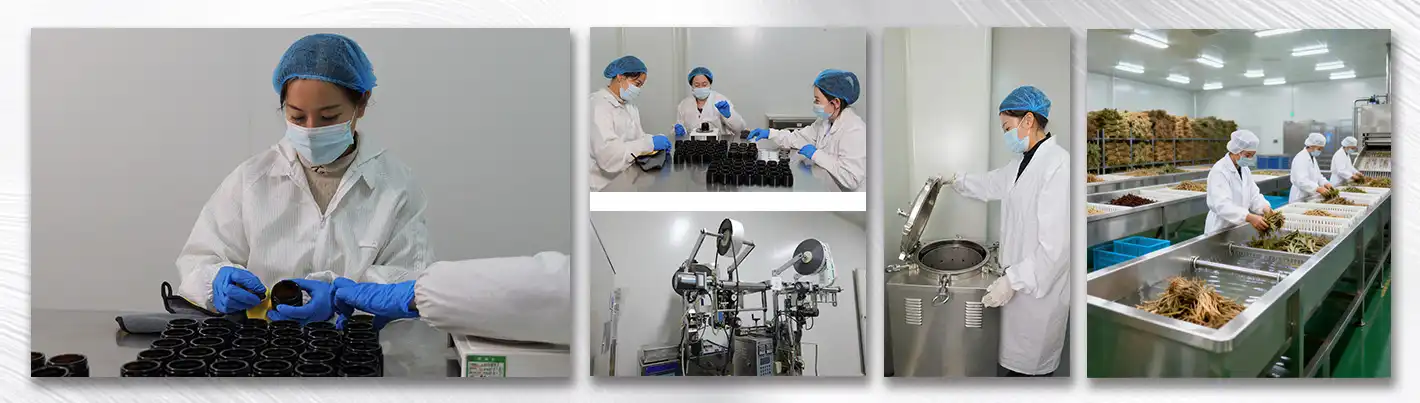
BioSpark offers high-quality extracts that are high in anthocyanins and can help you reach your goals for dairy innovation through dependable production partnerships. Our qualifications as a producer of Purple cabbage powder include ISO9001, Kosher, Halal, FDA, and GMP certifications, ensuring that each 25 kg drum meets the high-quality standards required by your brand. We keep enough in stock so that we can quickly meet your needs, whether you need 1 kg samples for R&D testing or containers full of products to meet business production plans. Our OEM and ODM services cover the whole process, from helping you come up with a recipe to making sure the packaging fits your brand's image. Different North American distribution networks have different logistical needs, so we offer flexible delivery times and a number of shipping options. Email our technical team at leao@biosparkcn.com to talk about how our Purple cabbage powder options can help you make more clean-label dairy products while keeping your supply chain costs low.
References
1. Giusti, M.M. & Wrolstad, R.E. (2003). "Acylated anthocyanins from edible sources and their applications in food systems." Biochemical Engineering Journal, 14(3), 217-225.
2. Khoo, H.E., Azlan, A., Tang, S.T. & Lim, S.M. (2017). "Anthocyanidins and anthocyanins: colored pigments as food, pharmaceutical ingredients, and the potential health benefits." Food & Nutrition Research, 61(1), 1361779.
3. Rodriguez-Amaya, D.B. (2016). "Natural food pigments and colorants." Current Opinion in Food Science, 7, 20-26.
4. Sigurdson, G.T., Tang, P. & Giusti, M.M. (2017). "Natural colorants: Food colorants from natural sources." Annual Review of Food Science and Technology, 8, 261-280.
5. Wallace, T.C. & Giusti, M.M. (2015). "Anthocyanins in Health and Disease." CRC Press, Taylor & Francis Group.
6. Wrolstad, R.E., –Durst, R.W. & Lee, J. (2005). "Tracking color and pigment changes in anthocyanin products." Trends in Food Science & Technology, 16(9), 423-428.

Send Inquiry
Related Industry Knowledge
- Can Broad Bean Powder Support High-Fiber Formulations?
- Could Bitter Melon Extract Powder Fit Weight Management Products?
- Does longan powder have antioxidant properties?
- Inositol Pearl Extract vs Pearl Powder: What’s the Difference?
- Best Tongkat Ali Extract Powder: Buyer’s Complete Guide
- Red Bean Extract: A Functional Ingredient for Modern Diets
- Radix Rehmanniae Extract in Traditional Herbal Medicine
- How Kacip Fatimah Extract Supports Hormonal Balance Naturally?
- Does Hydrolyzed Rice Extract Strengthen Hair Fibers?
- Does Kacip Fatimah Extract Improve Menstrual Comfort?