_1764041963888.webp)
Does Liquorice Extract Powder Work as a Natural Tobacco Flavoring?
Jul 12, 2026
Liquorice extract powder does work well as a natural way to flavour tobacco. The advanced plant extraction methods used to get this botanical ingredient from Glycyrrhiza glabra roots give it a unique herbal taste that goes well with the natural richness of tobacco. Its sweetness is about 50 to 200 times stronger than sugar. Glycyrrhizic acid, the main active ingredient, is standardised at a 20% concentration through HPLC testing. This makes sure that different tobacco product formulas give the same flavour and function. This is important for companies that are looking for natural options.
Introduction
More and more people are pushing the tobacco business to switch from using manufactured additives to clear, natural flavourings. Liquorice extract powder has become a strong option for makers, purchasing managers, and wholesalers who need to deal with this change. This plant element has a unique sweetness, the ability to hide flavours, and governmental acceptance that meet the needs of today's markets. Choosing the right flavouring agents is more than just improving the taste. Quality ingredients that can be tracked are important for new products, following international tobacco standards, and making tobacco more appealing to consumers. This complete guide talks about the functional benefits, sourcing issues, and useful integration strategies that tobacco industry B2B decision-makers care about the most. Our goal is to give procurement professionals information they can use to improve the efficiency of the supply chain and make products stand out more.
Understanding Liquorice Extract Powder and Its Role in Tobacco Flavoring
The Botanical Foundation and Extraction Process
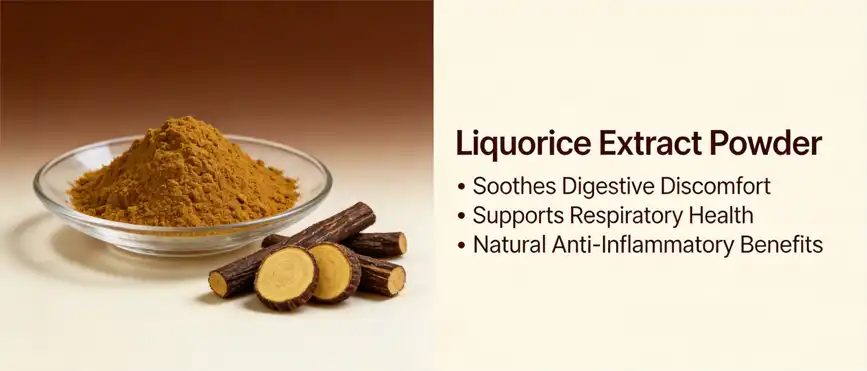
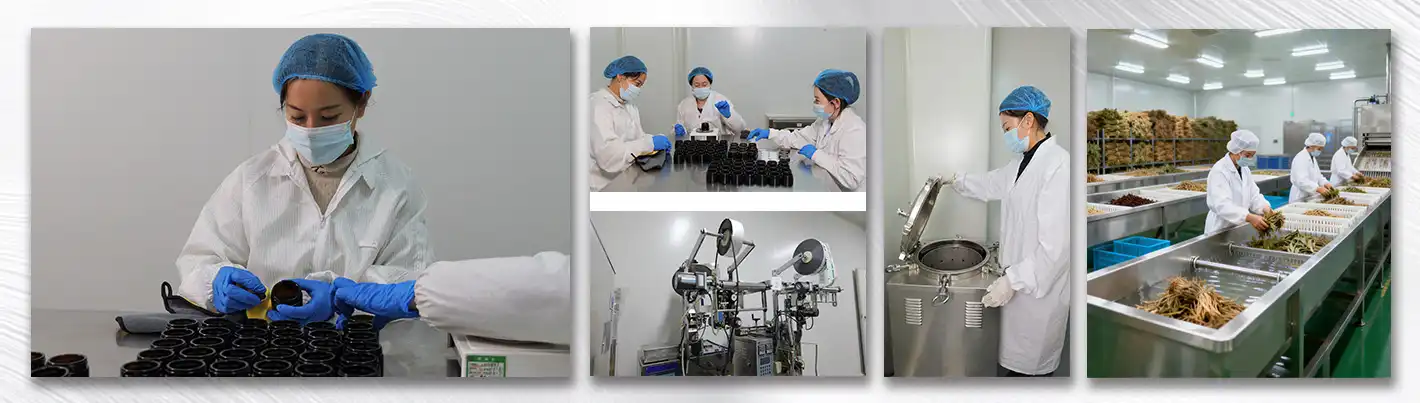
Liquorice, or Glycyrrhiza glabra, has been used as a traditional medicine and flavouring for thousands of years. There are bioactive compounds in the plant's root that have both healing properties and unique flavour profiles. These roots are turned into a concentrated powder using modern extraction technology. The process has several steps, including temperature-controlled extraction, membrane filtration, vacuum concentration, and spray drying. This method keeps the active ingredients while getting rid of impurities and making sure the potency is the same everywhere. At BioSpark, our liquorice extract powder stays a light yellow to yellowish-brown colour and has great flowability thanks to its 80-120 mesh particle size. This ingredient is water-soluble and slightly ethanol-soluble, which means it can be used with a variety of tobacco production methods. Each batch goes through strict HPLC testing to make sure it meets the 20% glycyrrhizic acid requirement. This makes sure that manufacturers always get quality that meets FDA, ISO9001, Kosher, Halal, and GMP standards.
Chemical Composition and Flavor Mechanism
For its characteristic sweetness, glycyrrhizic acid is the main bioactive ingredient that is responsible. This triterpenoid saponin works with taste receptors in a way that is different from how regular sugars do. It makes a sweet feeling that develops more slowly but lasts longer. The compound can also hide flavours, making tobacco blends less harsh and bitter without adding artificial notes. Besides glycyrrhizic acid, the extract also has flavonoids, polysaccharides, and trace volatile compounds that give it a herbal smell. Because it has so many chemicals, this ingredient can be used as both a sweetener and a flavour enhancer, giving finished tobacco products more depth and roundness. Formulation experts can get the best sensory results by adjusting dosage levels and blending sequences based on what they know about these mechanisms.
Regulatory Compliance and Safety Parameters
International rules on tobacco are looking more closely at added ingredients to see if they are safe and if they serve a purpose. As long as they meet quality standards and tracking requirements, natural plant products are usually treated better by regulators than manufactured flavorants. The amount of glycyrrhizic acid in tobacco products is usually safe to consume since the ingredient is only used for flavouring and not for direct ingestion. Tobacco additives must have full supplier certifications, batch testing records, and the ability to trace ingredients back to their agricultural origins. Our liquorice extract powder comes from China and comes with full certification packages that make it easier to file with regulators in major markets. Manufacturers can use our well-established quality assurance systems, which keep track of every step, from choosing the raw materials to packaging them in 25 kg drums at the end.
Comparative Analysis: Liquorice Extract Powder vs Other Natural and Synthetic Flavorings
Extract Powder Versus Whole Root Material
Liquorice root powder made from dried roots that have been ground into large pieces is the easiest way to make it. This form usually has only 1% to 3% glycyrrhizic acid, which makes the flavour weak and the performance vary from batch to batch. The selective extraction process in extract powder focuses the active ingredients, giving 20% or higher standardised strength that allows precise recipe control. Because extract powder is so concentrated, a lot less of it is needed. When compared to whole root powder, manufacturers can get the flavour profiles they want with 80–90% less material. This means lower shipping costs, easier handling, and more consistent products. The refined powder form also gets rid of the woody fibres and insoluble parts that can get in the way of tobacco processing equipment.
Natural Extract Versus Synthetic Flavorants
Artificial liquorice flavourings try to copy the taste by using man-made chemicals like anethol or vanillin to make the compounds. These ingredients are cheaper and last longer on the shelf, but they don't have the chemical complexity or consumer appeal of botanical extracts. Market research constantly shows that consumers prefer "natural" label claims, especially in upscale tobacco segments. Regulatory trends are moving more and more toward preferring natural chemicals over fake ones. The Tobacco Products Directive in the European Union and similar laws in other places make it more important to report synthetic additives and may even limit their use. Manufacturers can get ahead of these new rules by using natural liquorice extract powder. This meets customer standards for honesty and integrity.
Quality Metrics and Supplier Differentiation
When purchasing managers look at providers of liquorice extract powder, they should put a number of important quality factors at the top of their list. The main indicator of potency is the amount of glycyrrhizic acid present, which is checked using HPLC instead of less accurate titration methods. Processing performance and shelf stability are affected by how consistent the product looks, how the particles are sized, and how much water is in it. Our standard specification sheet makes everything clear: 20% glycyrrhizic acid content, light yellow to yellowish-brown colour, water solubility, and a sweet smell. Competitive sellers may be able to offer lower prices by not as closely monitoring quality or by using different methods for getting goods. Long-term supply stability, technical support, and complete documentation that makes it easier to follow regulations in global markets are what make the offer truly valuable.
Application and Optimization of Liquorice Extract Powder in Tobacco Products
Dosage Guidelines and Blending Techniques
For tobacco flavouring to work, the dosage levels and methods of incorporation must be carefully thought out. Liquorice extract powder usually works best at 0.5 to 2.0% of the total mix weight, but this can change depending on the tobacco base and the level of strength that is wanted. Lower numbers add a hint of sweetness and smoothness, while higher levels make the liquorice flavour stand out more. The order in which the ingredients are blended has a big effect on how the flavours are spread out and how consistent the mixture is. When the extract powder is mixed with a small amount of tobacco or another carrier material ahead of adding it to the main batch, dry blending techniques work well. This method guarantees even distribution and stops concentration spots from forming in certain areas. Other options include making water-based solutions that can be sprayed on, but this needs careful attention to managing the moisture during the next steps of the process. Temperature issues are important throughout the whole manufacturing process. While glycosyrrhizic acid is stable at normal temperatures used to process tobacco, too much heat during long-term keeping can lower the quality of the flavour. Manufacturers should set up temperature-controlled handling procedures and keep an eye on storage conditions to make sure that the integrity of ingredients is maintained from the time they are received until they are packaged in the final product.
Case Studies and Performance Validation
A European tobacco company changed the recipe for their mid-range cigarette line by replacing artificial flavourings with liquorice extract powder. Consumer tests showed that ratings for smoothness got a lot better and ratings for roughness got a lot lower. The statement that the ingredients were natural helped the brand's positioning, and the standardised 20% glycyrrhizic acid content made quality control easier compared to their old multi-component synthetic flavour system. The extract powder was also used in the production of premium cigars to help treat the wrapper leaves. The natural sweetness went well with the tobacco's natural flavour without adding any artificial notes that picky customers might notice. Strong acceptance rates and return purchases after the product went on sale proved that the choice of ingredients was a good one. These examples show how versatile liquorice extract powder is and how the market has proven it to be safe for use in different types of tobacco products. The most important things for success are finding the right quantity, getting high-quality ingredients, and making changes to the recipe that use the plant extract's special properties instead of just replacing it with the same amount of other ingredients.
Procurement Insights: Finding Trusted Liquorice Extract Powder Suppliers
Essential Supplier Evaluation Criteria
Quality assurance certifications are the basis of a supplier's credibility. ISO9001 approval shows that quality management is done in a planned way, and GMP compliance shows that good production practices for pharmaceutical-grade ingredients are followed. More certifications, like Kosher and Halal, make it easier for manufacturers who want to sell to a wide range of customers to get into new markets. Testing methodology transparency is what sets professional suppliers apart from commodity vendors. High-Performance Liquid Chromatography (HPLC) gives scientists the accuracy they need to measure and confirm the purity of glycyrrhizic acid. Suppliers should give Certificate of Analysis documents for each batch, which include tests for heavy metals, microbial contamination, and residual solvents that could make the product unsafe or not follow the rules. The integrity of the supply chain starts with the farms that grow the ingredients and ends with the delivery. Knowing where the Glycyrrhiza came from—in this case, carefully chosen plantations in China—makes it possible to track it and figure out how dangerous it is. Established sellers keep connections with several raw material suppliers to make sure they can keep providing goods even when yearly changes or problems with area supplies happen.
Flexible Order Options and Logistics Support
These days, buying things requires adaptability that can handle both small-scale testing and large-scale production needs. Because our minimum order quantity is only 1 kg, product developers can test their products thoroughly without having to spend a lot of money. As recipes move closer to commercial production, our suitable stock levels and 25 kg drum packing make it easy to scale up to multi-ton yearly amounts. Delivery terms have a big effect on total landing costs and the difficulty of logistics. Our wide range of choices, such as FOB, CIF, CFR, EXW, DAP, and DDP arrangements, can be used to meet the needs of different buyers and government regulations across foreign lines. For urgent sample requests, express shipping is available. For regular production needs, air freight and sea freight are more cost-effective options. Bank transfer (T/T) is the best way to pay for business-to-business transactions, but we can also meet the needs of clients who have already done business with us. Our claim of fast and safe delivery, along with enough inventory, reduces the uncertainty in the supply chain that can mess up production plans and break market promises.
OEM and Private Label Capabilities
A lot of tobacco companies look for sources that can give them more than just basic ingredients. Our full range of OEM and ODM services includes unique recipe development, package design, and the creation of regulation paperwork. This all-around help is especially helpful for new companies getting into the tobacco business and for companies that are already in the business starting up new lines of products. Our private labelling options let distributors and brand owners sell our products under their own names while still using our manufacturing know-how and quality control systems. This setup gives the market freedom without needing to spend a lot of money on extraction equipment and expert staff. Together, we figure out how to place each brand and target the right customers so that our solutions fit in with bigger marketing plans.
Future Trends and Innovations in Natural Tobacco Flavoring
Sustainable Sourcing and Environmental Responsibility
Environmental awareness is becoming more and more important in all industries, including tobacco manufacturing. For long-term production, sustainable farming methods for Glycyrrhiza growth use less water, fewer chemicals, and protect the health of the land. Forward-thinking suppliers put money into building relationships with farmers and agricultural extension programs that teach farmers how to be good stewards of the environment and make sure they get high-quality raw materials. As extraction technology improves, it uses less energy and solvents during production. Older methods that made more waste have been replaced by modern membrane filtration systems. Also, better spray drying equipment meets target specifications with less heat exposure. These new technologies lower the cost of production while also having less of an effect on the environment, which is good for both manufacturers and sustainability goals in general. Traceability systems that use blockchain and digital documentation make supply chains clear and check that environmental claims are true and that ethical sourcing practices are used. Tobacco companies that want to meet standards for corporate social responsibility can benefit from providers who provide thorough sustainability paperwork that helps with requirements for public reporting and communicating with stakeholders.
Regulatory Evolution and Market Adaptation
Global tobacco laws are still changing, with more attention being paid to addition labelling, safety assessment, and natural ingredient choices. Plain packaging and flavour restrictions in some places make it hard for manufacturers, but they also make it more important to use subtle, complex flavourings that bring out the best in tobacco instead of overpowering it. Natural botanical extracts like liquorice extract powder fit in well with regulatory trends that want to be more open and simplify ingredients. The detailed paperwork that is available from reputable sources makes it easier to follow current rules and puts producers in a good position for upcoming rules. Buying strategies that focus on certified natural ingredients protect long-term market access by making regulations more flexible. In emerging markets, tobacco use is growing along with quality expectations. Regulatory frameworks in these areas are often shaped by established markets. This makes it possible for companies that make high-end products with natural ingredients to do well. Companies that choose their ingredients strategically now will be in a better position as these markets grow and consumers become more knowledgeable.
Conclusion
Liquorice extract powder has been shown to work well as a natural tobacco flavouring agent because it is very sweet, masks flavours well, and is approved by regulators. Standardising 20% glycyrrhizic acid through HPLC testing makes sure that it works the same way in all kinds of situations, and full certifications make it easier to sell products all over the world. It's helpful for procurement managers to know the technical differences between extract powder and other forms, the pros and cons of natural flavourings versus fake ones, and the signs of quality that set professional sellers apart. Our research into application optimisation, provider evaluation criteria, and new industry trends gives you useful information that you can use to make smart decisions. Tobacco companies have to deal with changing consumer tastes and government rules. Natural botanical ingredients are a smart way to improve product quality and build brand credibility.
FAQ
What makes liquorice extract powder suitable specifically for tobacco applications?
The compound's unique sweetness profile operates at very low dosage levels while providing flavor-masking properties that reduce harshness without introducing artificial notes. The natural botanical status facilitates regulatory compliance and consumer acceptance compared to synthetic alternatives.
How does glycyrrhizic acid concentration affect flavoring performance?
Higher standardization—such as our 20% specification verified through HPLC—enables precise formulation control with reduced dosage requirements. This concentration delivers optimal balance between flavor impact and cost efficiency for industrial tobacco manufacturing.
Can liquorice extract powder affect tobacco product shelf life?
When properly stored in controlled humidity environments, the ingredient demonstrates excellent stability without degrading tobacco or accelerating aging processes. The moisture content of the powder itself remains minimal, preventing adverse interactions with tobacco base materials.
What documentation supports international tobacco regulatory submissions?
Complete supplier certification packages should include ISO9001, GMP, FDA registration, plus batch-specific Certificates of Analysis covering potency, purity, heavy metals, microbial contamination, and residual solvents. Our comprehensive documentation facilitates submissions across major regulatory jurisdictions.
Partner with a Trusted Liquorice Extract Powder Manufacturer
BioSpark (Xi'an) Biotechnology Co., Ltd. stands ready to support your tobacco flavoring requirements with premium liquorice extract powder backed by rigorous quality systems and flexible supply options. Our 20% glycyrrhizic acid standardization, comprehensive international certifications, and OEM capabilities deliver the reliability your procurement strategy demands. Whether you require small-batch trial quantities starting at just 1 kg or consistent large-scale supply through our 25 kg drum packaging, our sufficient inventory and fast delivery commitment minimize supply chain uncertainty. We invite procurement managers and product development teams to contact us directly at leao@biosparkcn.com for technical specifications, sample requests, and customized quotations. Discover how partnering with an experienced liquorice extract powder supplier can elevate your product formulations while streamlining regulatory compliance and supply chain management.
References
1. Bradley, P.R. (2006). British Herbal Compendium: A Handbook of Scientific Information on Widely Used Plant Drugs, Volume 2. British Herbal Medicine Association.
2. Fenwick, G.R., Lutomski, J., & Nieman, C. (1990). Liquorice, Glycyrrhiza glabra L.—Composition, uses and analysis. Food Chemistry, 38(2), 119-143.
3. Isbrucker, R.A., & Burdock, G.A. (2006). Risk and safety assessment on the consumption of Licorice root (Glycyrrhiza sp.), its extract and powder as a food ingredient, with emphasis on the pharmacology and toxicology of glycyrrhizin. Regulatory Toxicology and Pharmacology, 46(3), 167-192.
4. Asl, M.N., & Hosseinzadeh, H. (2008). Review of pharmacological effects of Glycyrrhiza sp. and its bioactive compounds. Phytotherapy Research, 22(6), 709-724.
5. Stormer, F.C., Reistad, R., & Alexander, J. (1993). Glycyrrhizic acid in liquorice—evaluation of health hazard. Food and Chemical Toxicology, 31(4), 303-312.
6. Fiore, C., Eisenhut, M., Krausse, R., Ragazzi, E., Pellati, D., Armanini, D., & Bielenberg, J. (2008). Antiviral effects of Glycyrrhiza species. Phytotherapy Research, 22(2), 141-148.

Send Inquiry
Related Industry Knowledge
- Is Yellow Peach Powder Perfect for Bakery Innovations?
- Could Natural Blueberry Extract Powder Improve Beverage Formulas?
- Why Is Bitter Melon Extract Powder in High Demand Worldwide?
- What are the top health benefits of loquat powder?
- Is loquat powder safe for daily consumption?
- What Are the Key Properties of Logwood Extract Dye?
- Does Ganoderma Extract Powder Help with Stress and Sleep?
- Cistanche Extract Powder: Key Benefits and Uses Explained
- How to Use Red Bean Extract in Food and Cosmetics?
- Why Ghanaian Seed Extract Is a Top Choice in Functional Foods?