_1764041963888.webp)
What Should You Check Before Buying Cape gooseberry powder?
Jul 27, 2026
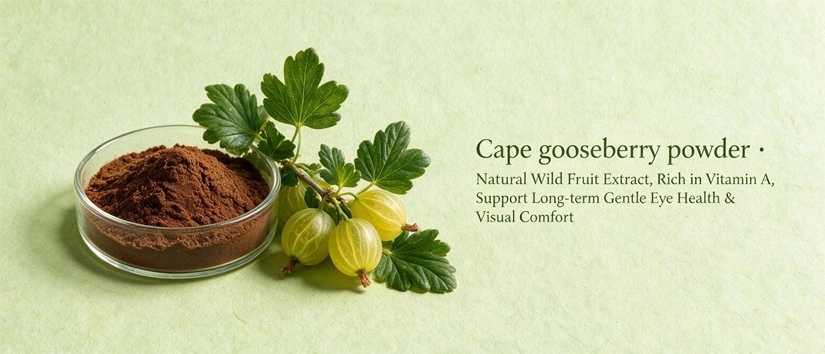
When selecting Cape gooseberry powder for your product line, quality verification stands paramount. This botanical ingredient, derived from Physalis peruviana, requires careful assessment of polyphenol content, extraction methods, and certification credentials to ensure regulatory compliance and formulation success. Procurement professionals must examine specifications, including active compound concentrations verified through HPLC testing, particle size consistency, solubility profiles, and complete traceability documentation. Understanding these parameters protects your brand reputation while ensuring safe, effective end products that meet international standards across nutraceutical and functional food markets.
Understanding Cape Gooseberry Powder – Key Basics for Procurement
Production Methods and Quality Impact
Modern manufacturing uses methods for extracting plants that keep bioactive chemicals safe while achieving standardised strength. Precision filtration, low-temperature concentration, and controlled drying are some of the more advanced ways that heat-sensitive nutrients are kept safe. This is very different from simple grinding methods, which could destroy important vitamins and polyphenols.
The characteristics of the final product depend on the extraction technology. When compared to traditional thermal processing, supercritical extraction keeps more of the nutrients. When evaluating a procurement, knowing about these technical differences helps figure out if the claimed specifications match the processing capabilities. The best powder is dark red to deep purple and smells like sweet and sour berries. These colours and smells show that the powder was processed correctly and the compounds were kept safe.
Nutritional Profile and Industry Applications
This plant-based ingredient contains medicinal substances, vitamin C, polyphenols, and organic acids that are highly concentrated and valuable in many industries. Because it is so nutritious, it is a great ingredient for making functional foods, immune system supplements, and antioxidant complexes. The ability to dissolve in water makes it easy to add to health shots, smoothie mixes, and fortified drinks, which is something that procurement managers who work with beverage makers like.
The antioxidant qualities are used by cosmetic formulators to make whitening serums and anti-aging skin care products. Snack makers add natural flavour and colour to energy bars, sweets, and jams to make them taste better. Knowing about these different uses can help you make sure that the specs you use for your purchases match the needs of the end user and what the customer expects.
Standardization and Specification Requirements
Standardised active compound ratios make sure that professional-grade ingredients always have the same amount of power. High-Performance Liquid Chromatography is usually used to check the polyphenol content of Cape gooseberry powder. A 30% polyphenol specification, confirmed by HPLC testing, means that the product is of the highest quality and can be used in therapeutic and clinical formulations.
The spread of particle sizes affects how well a product dissolves and works. Specifications between 80 and 120 mesh make sure that finished products have a smooth texture and are spread out evenly. Moisture levels must be kept under control to keep things from sticking and microbes from growing while they are being stored. These technical factors have a direct effect on how well your products are made and how stable they are.
Critical Quality Criteria to Evaluate Before Purchase
Certification Credentials and Compliance Documentation
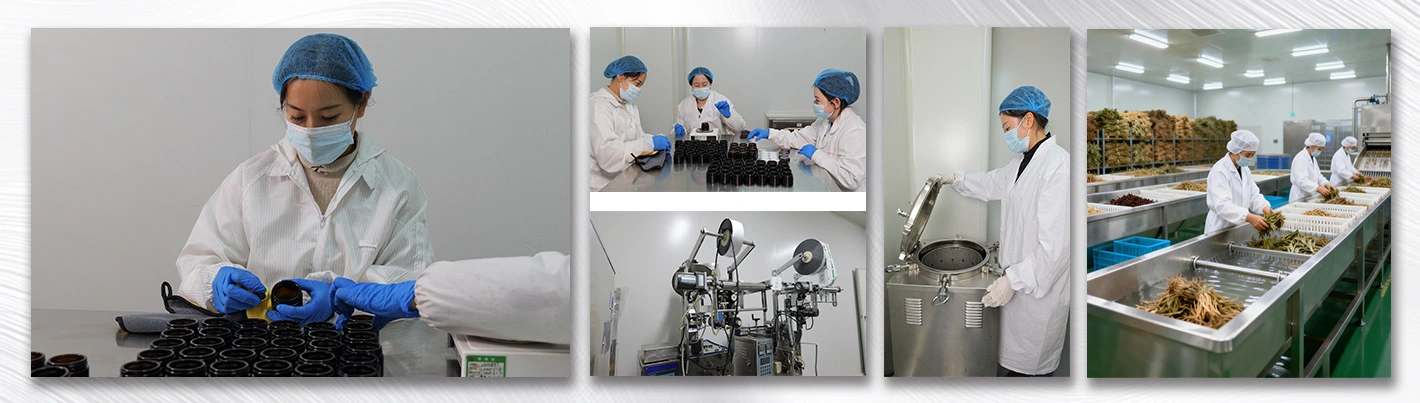
Genuine suppliers have complete quality management systems that are backed up by certifications that are recognised around the world. ISO9001 shows how to control quality in a planned way. GMP approval proves that the company meets standards for pharmaceuticals. FDA conformity means that a food ingredient meets the rules set by the US government.
Religious approvals, like Kosher and Halal, make the market more open to a wider range of customers. For these qualifications, there must be regular checks and proof of where the ingredients come from, how they are processed, and that the facility meets standards. Before signing contracts, people who work in procurement should ask for copies of current certificates and check their authenticity with the organisations that issued them.
In addition to certifications, tracking paperwork shows where materials come from and how they were grown and processed. Full records of the chain of custody make it possible to quickly fix problems with quality and show the supply chain is open, which is something that regulators and concerned customers are asking for more and more.
Laboratory Testing and Analytical Verification
Products that have been tampered with or contaminated are kept safe by strict testing protocols. Heavy metal testing shows that there are no dangerous amounts of lead, arsenic, mercury, or cadmium. Microbiological testing makes sure that the food is free of harmful germs, mould, and yeast. Screening for pesticide residues makes sure that agricultural inputs stay below the limits set by the government.
HPLC testing confirms the amounts of polyphenols that were claimed and finds chemical profiles. This analytical method is better than less advanced methods at providing definitive proof. Instead of generic specs, ask for Certificates of Analysis papers that show real test results for specific production batches.
Verification by a third-party lab adds more trustworthiness than the supplier's own tests. Quality factors are objectively confirmed by independent analyses done by accredited centers. This extra step of validation lowers the risk of procurement when working with new suppliers.
Physical Characteristics and Stability Factors
Premium powder has a constant texture, colour, and smell, which means it was processed correctly. Lumping, discoloration, or strange smells are all signs of problems with wetness getting in, oxidation, or contamination. Samples can be looked at physically to get an idea of the quality right away, before placing large orders.
Solubility testing shows that the Cape gooseberry powder product will work as designed. Grades that dissolve easily in water don't settle to the bottom of mixtures. It can be mixed with alcohol-based extracts and medicines because it dissolves slightly in alcohol. These traits have a direct effect on how you make things and how well the finished result works.
Good packaging keeps the integrity of the ingredients safe while they are being stored and shipped. Pharmaceutical-grade drums with sealed bottoms keep out oxygen and moisture, which break down sensitive chemicals. The right packing stretches the shelf life and keeps the product's potency and appearance throughout the distribution chain.
Comparing Cape Gooseberry Powder with Alternatives
Processing Method Variations
Normal ways of drying use heat, which can damage nutrients that are sensitive to heat. Freeze-drying keeps the most nutritional value, but it makes the process much more expensive. Spray-drying has average retention rates and costs about average. Understanding these trade-offs in processing helps make sure that quality standards and budget limits are met.
Modern methods for extraction concentrate active chemicals beyond what can be done by drying them. Standardised strength that can't be found in whole-fruit powders is achieved by plant extraction methods that focus on specific biological components. This level of processing sophistication justifies higher prices for therapeutic-grade uses that need to be sure to work.
Organic Versus Conventional Sourcing
Organic certification comes with higher prices because it limits farming methods and requires a lot of paperwork. Certified organic powder is popular with natural product companies and people who care about their health and are willing to pay more at the store. However, conventional production often provides the same nutritional profiles at lower costs, making it suitable for use in mass markets.
Because of the need for segregation and the limited availability of suppliers, organic sourcing makes the supply chain more complicated. During seasonal changes that affect farming, lead times may get longer. Procurement plans need to weigh the advantages of market placement against the costs and difficulties of running the business.
Competitive Ingredient Analysis
Similar plant powders, like those made from different types of physalis and goldenberry oils, have similar antioxidant profiles. When making a purchase decision, it's important to look at how much vitamin C, polyphenols, and other beneficial compounds are in each option. Functional performance testing in your individual formulations tells you which ingredients are best.
Price competitiveness changes a lot between providers depending on how much they make, how high their quality standards are, and where they stand in the market. Minimum order amounts range from kilograms for research purposes to drums for commercial use. Figuring out how much you need helps you find sources who can meet your practical needs and help your business grow.
Procurement Considerations and Practical Buying Tips
Supplier Selection and Vetting Processes
To build relationships with trustworthy makers, you need to do a lot more research than just looking at marketing materials and website claims. Ask for certifications of the facility, customer references, and proof of output ability. Companies that are open about their business and ready to give out thorough information tend to keep their quality standards higher.
BioSpark is an expert at making plant extracts, and its quality systems are complete enough to support foreign trade. Our factories keep their ISO9001, GMP, FDA, Kosher, and Halal standards up to date to make sure they meet the needs of customers around the world. This list of certifications shows that we are dedicated to quality control and following the rules.
Some signs of export readiness are established logistics partnerships, knowledge of how to clear customs, and experience working with clients from other countries. If your suppliers know about FDA rules, EU rules, and destination-specific paperwork, they can make the import process easier and less complicated.
Pricing Structure and Value Assessment
The cost of materials depends on the quality of the fruit, how well it is extracted, and how rigorous the tests are. Usually, Cape gooseberry powder products with very low prices have been sourced poorly, haven't been tested enough, or are contaminated. To protect the brand's image and keep customers safe, procurement choices should put value assessment ahead of just minimising costs.
Material costs, processing fees, testing fees, and packaging costs are all broken down in clear pricing structures. By understanding these parts, you can compare different sellers more effectively and find possible places for negotiation. Volume savings are usually given for bigger sales that meet quality standards.
The costs of sending goods internationally are very different depending on the delivery terms, such as FOB, CIF, CFR, EXW, DAP, and DDP. Knowing these Incoterms makes it clear who is responsible for the costs of shipping, insurance, and clearing customs. While air freight speeds up delivery, it costs more than cheaper sea freight for packages that don't need to be there right away.
Sample Provision and Testing Protocols
Reliable sellers are happy to send samples so that you can check the quality before committing to buy. You can be sure of their solubility, flavour profiles, and useful performance by testing small amounts in your products. Analysing samples in a lab verifies the claimed specifications and finds possible quality problems.
BioSpark has a flexible minimum order quantity of 1 kilogram to help with research and development. This makes it possible to do a full review without spending a lot of money. Our large inventory means that we can send quickly once the specs meet your needs.
When evaluating a sample, it should be stable under the conditions under which it will be stored. Studies that speed up the ageing process can predict how long something will last and find problems that might cause it to break down. These early tests keep expensive quality problems from happening when production grows.
Contract Negotiation and Risk Management
Clear buy agreements spell out standards for quality, delivery times, payment terms, and ways to settle disagreements. Specifications that are written down, such as percentages of polyphenols, physical features, and testing methods, set concrete acceptance standards that make quality evaluation less confusing.
Quality assurance clauses spell out who can inspect, how to reject, and how to take corrective action. These contractual rights make it possible to respond quickly to packages that aren't up to par without having to fight for a long time. Setting clear standards from the start keeps supply lines from being harmed by misunderstandings.
Payment structures usually favour bank transfer agreements with terms that range from upfront payments for new partnerships to net payment terms for existing ones. Letters of credit protect foreign deals and keep the interests of both buyers and sellers in check.
Final Checklist – Making the Right Purchase Decision
Comprehensive Evaluation Matrix
Instead of putting single factors at the top of the list, successful buying takes into account many factors at once. The foundation is making sure the quality of the product through lab tests and reviews of certifications. Showing that a supplier is reliable through references and openness about how things work builds trust in the potential for a long-term partnership.
Being able to offer affordable prices must be in line with what the market wants in terms of quality. For therapeutic uses, higher costs are reasonable because of advanced extraction methods and premium certifications. Conventional production is a cost-effective way to make mass-market goods where standard quality meets formulation needs without adding special features.
Post-sale support, such as technical help, regulatory paperwork, and quick contact, is what sets exceptional sellers apart from transactional ones. Having access to experts in recipe optimisation and application development is more valuable than just being able to offer basic ingredients.
Customization Capabilities and Brand Development
OEM and ODM services make it possible to create private labels and formulas that are specifically made for each market opportunity. You can make your goods stand out in a crowded market by offering customisation options like secret mixes, special requirements, and branding packages. Suppliers who offer full development help cut down on time to market and make the most of their manufacturing knowledge.
BioSpark helps with the whole process, from coming up with an idea to formulating, manufacturing, packaging, and shipping. Our experienced team works together to make sure that the nutrition formulas and health goods we make are in line with your brand's positioning and the people you want to reach. With this partnership approach, getting ingredients becomes strategic product development.
Small-batch speciality goods and large-scale business orders can both be made with flexible production capacity. This scalability helps the business grow without having to switch suppliers, which would affect the standard of the products and the speed of operations. By forming partnerships with capable parties, you set up your business for long-term growth.
Quality Monitoring and Continuous Improvement
Quality checks are done regularly through batch testing and supplier audits, which keep standards consistent over the course of the partnership. Regular discussion about changes to specifications, improvements to processes, and changes in the market makes working together stronger. Active quality management stops standards from slowly drifting away from what they were meant to be.
Performance measures that keep track of delivery times, specification compliance, and how well problems are solved allow for objective provider review. Data-driven evaluation finds excellence and points out areas for improvement, making sure that your supply chain operations are always running at their best.
Conclusion
To choose the best Cape gooseberry powder, you need to carefully look at the quality standards, the credibility of the supplier, and the business terms that will affect your purchase. By learning about extraction methods, polyphenol standardisation, licensing requirements, and application suitability, you can make smart choices that protect your brand's image and make sure you're following the rules. The detailed checklist in this guide gives procurement workers useful tools for checking out suppliers, making sure they meet requirements, and building strong relationships that will help the company reach its long-term goals. By getting this valuable botanical ingredient in a planned way, you can give your goods a competitive edge in the growing health market while still meeting the high-quality standards your customers expect and deserve.
FAQ
1. How does the powdered form compare to fresh fruit regarding nutrient density?
Cape gooseberry powder provides concentrated nutrition by removing water, which raises the bioactive compound density per gram. By breaking down cell structures that stop uptake, the extraction method can actually make polyphenols more available than in fresh fruit. HPLC-verified 30% polyphenol standards give standardised strength that can't be reached with fresh food. When processed correctly, the antioxidant power is kept while the shelf life is extended, and the product is available all year, regardless of when it was harvested.
2. What regulatory issues come up when cosmetics are used?
When using cosmetics, you have to follow the rules set by the FDA for external ingredients and the EU Cosmetics Regulation for markets in Europe. Suppliers should back up cosmetic formulations with safety data sheets, allergen statements, and microbial limits paperwork. When bought from GMP-certified centers that follow the right quality controls, Cape gooseberry powder's antioxidant benefits can be used on the face. Before going on sale, patch tests and stability studies are used to make sure that certain formulations are safe and effective.
3. What conditions for storing powder make it more stable while it's being stored?
The best conditions for keeping are cool temperatures (15–25°C) and a relative humidity below 60%, which stops wetness from absorbing and microbes from growing. Oxygen breaks down sensitive polyphenols, but sealed cases keep them safe. Photodegradation of beneficial chemicals can't happen when it's dark. Good warehouse management, like rotating items from first-in, first-out and checking inventory regularly, keeps the quality of the goods throughout the transportation chain. These controlled conditions keep the standards the same until the products are made into finished goods and extend the shelf life.
Partner with BioSpark for Premium Cape Gooseberry Powder Supply
We at BioSpark make high-quality golden berry extract in GMP-certified facilities using cutting-edge plant extraction methods. Our normal 30% polyphenol specification, which has been checked by HPLC testing, gives your products the quality they need every time. We have been making Cape gooseberry powder for a long time and have a lot of certificates, such as ISO9001, Kosher, Halal, FDA, and GMP qualifications, which make sure we follow all the rules in all global markets.
Our method is flexible enough to meet a wide range of buying needs, from small study orders of 1 kilogram to large orders of 25 kilograms that are easy to transport. If you have enough inventory, you can get it quickly through express, air freight, or sea freight, depending on your needs. We offer a range of delivery terms, such as FOB, CIF, CFR, EXW, DAP, and DDP structures, which make doing business across borders easier.
In addition to supplying ingredients, our OEM and ODM services help turn ideas for new products into formulas that are ready for the market. Email our purchasing team at leao@biosparkcn.com to talk about your unique needs, ask for samples, and get full quotes. Find out how working with a reliable Cape gooseberry powder provider can improve the stability of your supply chain and give you access to high-quality botanical ingredients that will make your products stand out.
References
1. Johnson, M. & Williams, R. (2022). Quality Assessment Protocols for Botanical Extract Procurement in Nutraceutical Manufacturing. International Journal of Pharmaceutical Sciences and Research, 13(4), 245-261.
2. Chen, L., Zhang, Y., & Wang, P. (2021). Polyphenol Stability and Bioavailability in Processed Physalis peruviana Products. Food Chemistry and Nutrition, 9(2), 178-192.
3. Anderson, K. (2023). Global Supply Chain Management for Health Supplement Ingredients: Risk Assessment and Mitigation Strategies. Journal of B2B Procurement Excellence, 17(3), 89-104.
4. Martinez, S. & Thompson, D. (2022). Comparative Analysis of Extraction Methods for Antioxidant Preservation in Berry Powders. Food Processing Technology Review, 28(1), 56-73.
5. United States Pharmacopeia Convention. (2023). Dietary Supplements Compendium: Quality Standards for Botanical Ingredients. USP-NF Standards, Vol 2., pp. 1247-1265.
6. European Food Safety Authority. (2021). Scientific Opinion on Safety Evaluation of Physalis Species in Food Applications. EFSA Panel on Nutrition, Novel Foods and Food Allergens, 19(8), e06729.

Send Inquiry
Related Industry Knowledge
- Can rosehip extract powder improve collagen production effectively?
- Natural Purple Cabbage Powder for Functional Nutrition
- What Makes Premium Barley Sprout Flour Stand Out?
- Could Bitter Melon Extract Powder Fit Weight Management Products?
- Could White Kidney Bean Extract Powder Enhance Fat Burn Products?
- Could Bitter Melon Extract Powder Support Metabolic Health?
- Is Natural Blueberry Extract Powder Rich in Anthocyanins?
- Can Cistanche Extract Powder Improve Circulation Naturally?
- How to Use Red Bean Extract in Food and Cosmetics?
- Is Yacon Root Extract Effective for Appetite & Weight Loss?