_1764041963888.webp)
Natural Purple Cabbage Powder for Functional Nutrition
Jun 18, 2026
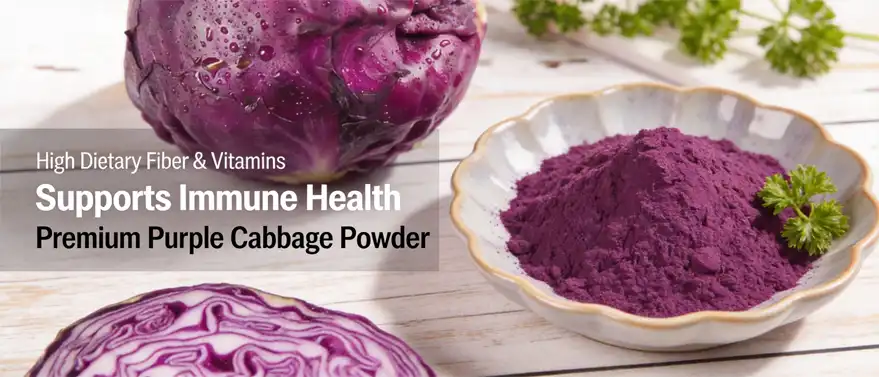
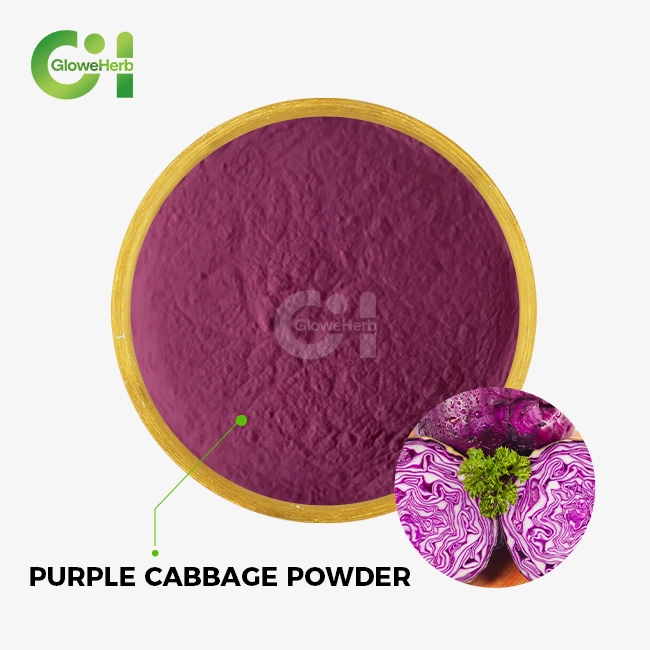
Purple cabbage powder is a revolutionary ingredient in functional nutrition because it provides rich anthocyanins and important nutrients in an easy-to-use, shelf-stable form. This vibrant botanical extract comes from Brassica oleracea and was made using modern plant extraction methods. It meets the growing demand from consumers for plant-based health products with clean labels. Thin-Layer Chromatography confirmed that the concentration ratio of the powder is 10:1. The powder keeps the nutritional value of fresh vegetables while giving producers freedom, consistency, and high bioavailability for a wide range of product uses.
Understanding Purple Cabbage Powder: Composition and Benefits
The nutritional value and useful qualities of Purple cabbage powder make it stand out in the market for plant ingredients. This concentrated powder takes the flavor of purple cabbage and turns it into a useful ingredient for many industrial processes.
Nutritional Profile and Active Compounds
Anthocyanins, which are strong flavonoid antioxidants that give cabbage its deep purple to purplish-black color, are the main active ingredient in high-quality Purple cabbage powder. A lot of research has been done on these chemicals to find out how they protect cells and reduce inflammation. Besides anthocyanins, the powder also has vitamins C and K, which are needed to make collagen and for blood to clot. Minerals like potassium, calcium, and iron help the heart work well, keep bones healthy, and move air around the body. Dietary fiber helps keep your gut system healthy, which makes it a great addition for functional nutrition products that cover a lot of bases.
Health Benefits for Product Development
When manufacturers add Purple cabbage powder to their products, they can highlight a number of health benefits that have been proven to be true. Foods that are high in anthocyanins have been shown to help the heart by improving capillary function and lowering signs of oxidative stress. Because these substances are antioxidants, they help get rid of free radicals, which may slow down the aging process of cells. The fiber level is good for digestive health because it supports good gut flora and regular bowel function. A new study shows that anthocyanins may help with brain health and metabolic health, which could lead to the creation of specialized supplements. Antioxidant and anti-inflammatory qualities are used in skin health to repair damage from environmental stressors and maintain collagen integrity.
Comparative Advantages Over Alternative Powders
Purple cabbage powder has clear benefits when compared to beetroot powder, kale powder, or red cabbage options. The anthocyanin makeup is different from the betalain pigments in beets, and they work together to protect cells. Instead of being strong like kale, the powder has a softer flavor that works better in a wider range of recipes without being too strong. Manufacturers can get a higher active compound density per gram with the 10:1 concentration guideline compared to regular veggie powders. This saves money on formulation development.
Recommended Usage and Dosage Guidelines
When B2B clients make supplements, they usually put 200–500 mg of anthocyanins per dose to make the content useful. Depending on the color strength and health claims, beverage uses may use 1 to 3 percent of the total formulation weight. For color and function, food uses usually run from 0.5 to 2%. The safety rating is good, and eating Purple cabbage powder at normal amounts has not been linked to any negative effects in clinical studies. Manufacturers should test the stability of anthocyanins for specific uses, since pH levels and heat can change how stable they are and how long they keep their color.
Purple Cabbage Powder in Functional Nutrition: Applications and Use Cases
Purple cabbage powder can be used in a lot of different industries. This gives makers a lot of ways to make their products stand out and give customers more value.
Dietary Supplements and Functional Foods
Anthocyanins are used by supplement makers to make pills, tablets, and powder mixes that are good for you. The powder's ability to dissolve in water makes it easy to use in a variety of transport systems. Gummy pills get their color from natural ingredients while still providing useful nutrition. Adding Purple cabbage powder to protein shakes makes them look better and gives them more antioxidant support. By adding flavonoid sources along with chlorophyll-rich ingredients, greens powder blends get a wider range of phytonutrients. The powder is added to functional food bars and bites to improve their nutritional values and meet the needs of consumers who want clean labels.
Beverage Industry Applications
The beverage industry has adopted Purple cabbage powder for both its health benefits and its good looks. Smoothie mixes look better and have more antioxidants without adding any fake colors. The powder is added to ready-to-drink functional drinks aimed at health-conscious customers to help market the products as having natural ingredients. The presence of anthocyanins makes protein shakes stand out in a market full of similar goods. The powder dissolves easily in water, which ensures that the color and spread are even in liquid uses. pH and stability tests are needed for shelf-stable beverage formulations because anthocyanins change color depending on pH, which can be used intentionally or controlled by making changes to the formulation.
Natural Colorant and Clean-Label Solutions
Anthocyanin-rich Purple cabbage powder is a good option for manufacturers who want to stop using manufactured colorants. The purple colors used to make pasta stand out are achieved by adding functional nutrition to standard carbohydrate goods. Artificial dyes are being replaced in confectionery with plant-based options that are better for the environment and better meet buyer tastes. Baked goods become more appealing to look at and healthier at the same time. You can't say enough good things about clean labels. People are paying more attention to ingredient lists, and using well-known plant sources like cabbage meets standards for honesty. In many places, regulations support natural colorants. This makes it easier for anthocyanin-based colors to get into foreign markets.
Emerging Applications in Skincare and Cosmetics
The cosmetics industry has found that anthocyanins are useful active ingredients for use on the skin. Anti-aging products use antioxidants to deal with reactive stress factors that are linked to skin aging. Purple cabbage powder is used in face masks, serums, and creams to back up claims that they are pure and plant-based. The anti-inflammatory effects help with sensitive and irritated skin. Color makeup works better with natural pigments, but they need to be carefully formulated to stay stable. When beauty supplements that you eat and those that you put on your skin work together, it can lead to the creation of unified product lines that treat skin health from different directions.
How to Choose the Right Purple Cabbage Powder Supplier
The quality of the product, compliance with regulations, and, eventually, market success depend on choosing a trusted Purple cabbage powder manufacturing partner. When pros in procurement look at possible providers, they have to look at a lot of different factors.
Quality Assurance and Certification Standards
Superior providers keep a full range of certifications that show they are committed to quality systems. ISO9001 certification means that quality management methods have been put in place across all activities. GMP compliance makes sure that good manufacturing practices are used during production, which is important for vitamin and food uses. Kosher and Halal licenses make it easier for people with special dietary needs to get food on the market. FDA registration shows that a company follows the rules for making food and supplements. When they are available, organic certificates show that the methods used for growing and preparing meet strict standards. Instead of asking for old certificates and audit reports that show ongoing compliance, buyers should ask for new ones.
Testing Methods and Specification Verification
Thin-Layer Chromatography is the main test used to make sure the 10:1 standard is met, and it accurately measures the amount of active chemicals present. Reliable providers test each batch for heavy metals, chemical residues, solvent residues, and microbe contamination. Each package should come with a Certificate of Analysis that lists the test results for important quality factors. Third-party lab verification gives suppliers more trustworthiness, especially when they use testing sites that are approved by the government. Buyers should know the boundaries of specifications and the accepted amounts of variation. While the smell of fresh vegetables and the color ranging from dark purple to purplish-black are good signs of quality, they need to be confirmed in a lab.
Supply Chain Transparency and Traceability
Risk management is better when you know about the whole supply chain, from growing the crops to handling them. Suppliers should give details about where the raw materials come from, how they are grown, and where they are processed. Traceability systems let you track back individual batches to the materials that went into them, which is very important for fixing any quality problems that come up. Supply chain checks find possible holes that could affect supply or consistency. When made with the right quality standards, Purple cabbage powder from China is a great deal and can be trusted. The place of birth is less important than how the product is made and how well it is checked for quality. When suppliers are open about how they do business, it shows that they trust their methods and want the relationship to succeed.
Commercial Considerations for B2B Procurement
Minimum order amounts starting at 1 kg allow for product development and small-batch production, which works for both new businesses and companies that have been around for a while. For bigger production runs, packaging in 25 kg drums strikes a good mix between ease of handling and low cost. Different transportation needs and tastes can be met with different delivery terms, such as FOB, CIF, CFR, EXW, DAP, and DDP. Express, air freight, and sea freight are all types of shipping that can be used to meet both urgent needs and price limits. Standard business-to-business (B2B) transaction patterns can be seen in payment terms that prefer Bank Transfer (T/T). Having enough stock on hand guarantees a steady supply, which is important for keeping work plans. Lead times should be made clear, and choices for faster service should be available for those with urgent needs.
Procurement pros who are good at their jobs build relationships with sellers who give more than just products. We offer full help throughout the buying process because we know that our dependability and speed are key to your success.
Production Insights: How Purple Cabbage Powder Is Made
Knowing how Purple cabbage powder is made gives buyers faith in its quality and helps them see the value in high-quality plant extracts.
From Harvest to Processing
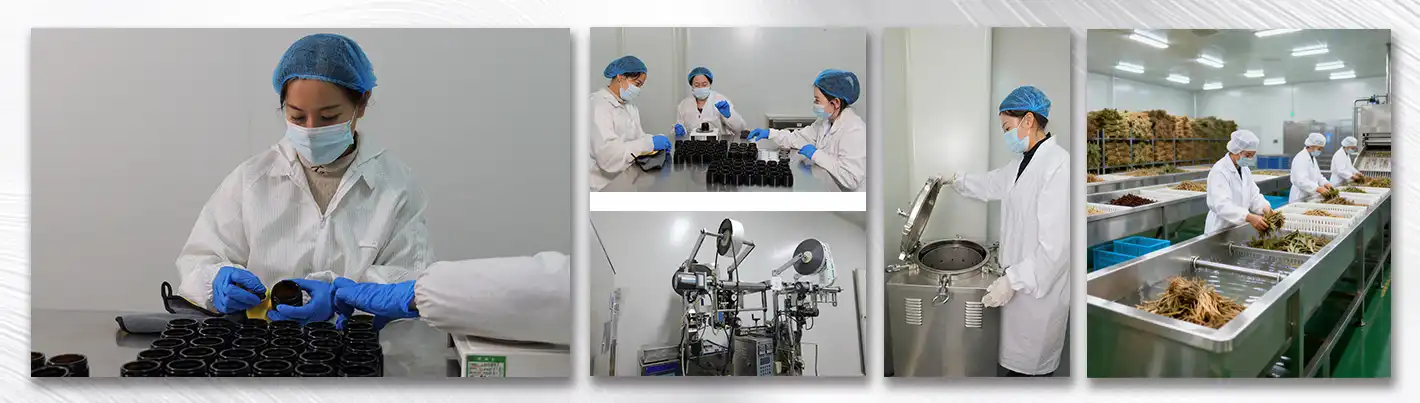
The production process starts with carefully choosing purple cabbage that is at its peak flavonoid content. Fresh veggies are washed very well to get rid of dirt and other possible contaminants from the field. The first step in quality control is to get rid of any broken or sick materials that could lower the quality of the finished product. The way the plants were extracted keeps heat-sensitive chemicals safe while focusing on the active ingredients. Modern drying methods lower the amount of moisture to levels that keep microbes stable and increase the shelf life. Controlling the cooling temperature stops the anthocyanin from breaking down, which keeps the strength that makes quality extracts stand out. When you grind something dry, it turns into a fine powder with particles that are small enough to dissolve and spread easily.
Quality Control Throughout Manufacturing
At each step of production, there are quality checks that make sure the requirements are met. Testing raw materials sets a standard for quality before spending money on processing. In-process tracking keeps an eye on important factors like temperature, wetness, and how well the extraction works. Thin-Layer Chromatography tests on the finished product show the 10:1 concentration ratio. Before packing, microbiological testing makes sure that safety standards are met. Heavy metal testing proves that there are no harmful substances. Testing for pesticide residues makes sure that farming inputs stay within accepted limits. Each batch comes with documentation that makes it easy to track and check the quality.
Innovations Enhancing Product Performance
Advanced extraction methods maximize the recovery of active compounds while reducing the effects on processes. Between production and shipping, controlled atmosphere storage keeps Purple cabbage powder from going bad. New ways of wrapping keep the quality of the product while it's being shipped and stored. Processes are made better through continuous growth programs that use new studies and customer feedback. These investments in high-quality production directly lead to better product success in your uses.
Procurement and Trading Guide: Buying Purple Cabbage Powder at Scale
Strategic methods to buying Purple cabbage powder cut costs, guarantee quality, and build trusting supply partnerships that help a business succeed in the long run.
Identifying Trusted Supplier Channels
B2B platforms give buyers access to many sellers, which lets them compare prices and bid against each other. Direct connections with manufacturers like BioSpark get rid of markups that come from middlemen and set up ways for technical help to be communicated. Industry trade shows give you a chance to look at models of products, talk to sellers, and judge how well your business can run. Online sites for verifying suppliers give third-party opinions on the qualifications and dependability of suppliers. Checking with current customers for references shows how well the seller does at delivering on time, maintaining quality, and solving problems. Before committing to bigger orders, starting with sample orders lets you test the quality of the product and see how responsive the seller is.
Negotiation Strategies for Optimal Value
When you make a volume promise, you can often get a better price that rewards buying more. Long-term supply deals keep prices stable and make sure that supplies are distributed evenly during times of high demand. Flexible payment terms can be worked out based on past orders and how the friendship has grown. By making fewer purchases from fewer providers, you may be able to get better deals and make managing transportation easier. Figuring out when to negotiate depends on how the market works in terms of raw material supply and price trends. Suppliers can come up with deals that are good for both parties if you are clear with them about your needs and growing plans.
OEM and Private Label Opportunities
Custom preparation services let you create unique mixes that set your products apart from others. With private labeling, you can turn generic ingredients into branded items that help you place yourself in the market. Flexible production options allow for both small-batch tailoring for trying goods and large-scale production for well-known products. Customizing the packaging makes the brand experience consistent from the ingredients to the end product. Technical help during formulation creation uses the supplier's knowledge of how ingredients work and how stable they are. With these value-added services, ties with suppliers become smart partnerships that help businesses succeed faster in the market.
Conclusion
For brands, distributors, and makers focusing on the growing functional nutrition market, Purple cabbage powder offers an appealing ingredient opportunity. It has a strong nutritional profile, can be used in many ways, and is appealing to people who want to buy products with clean labels. This makes it a good candidate for product development in vitamins, drinks, foods, and makeup. To be successful, you need to choose business partners who show they care about quality by having certifications, strict testing, and open supply chains. BioSpark is a great partner for businesses at all stages of growth because we can help with everything from technical creation to flexible production and reliable global shipping. The concentrated 10:1 standard provides a cost-effective active compound density, and full certificates make sure that all foreign markets follow the rules.
FAQ
Is it safe to consume Purple cabbage powder every day?
There are no reports of bad effects from eating Purple cabbage powder at normal amounts that have been published in scientific journals. The powder comes from a crop that is widely eaten and has been used safely for a long time. The daily recommended amount depends on the use and size of the serving, but most supplement formulas give you 200 to 500 mg per dose. People with certain medical problems or drug schedules should talk to their doctors, but interactions aren't usually recorded. Quality goods from certified makers are tested to make sure they don't contain any harmful substances.
How does purple cabbage powder compare nutritionally to beetroot or kale powder?
Each type of veggie powder has its own health benefits. On the other hand, Purple cabbage powder anthocyanins help the heart in different ways than betalains and nitrates in beetroot powder. Kale powder has more of some vitamins and minerals than other powders, but it also tastes stronger. Purple cabbage powder has a high concentration of anthocyanins and a softer flavor, which makes it useful in a wider range of situations. The best choice relies on the formulation goals, taste preferences, and health benefits that are sought. A lot of companies mix different veggie powders to get full phytonutrient profiles.
What certifications should I look for when sourcing purple cabbage powder?
Priority certifications include GMP compliance, which makes sure that quality standards are met in manufacturing, and ISO9001, which checks that quality management systems are in place. Kosher and Halal licenses make markets easier for some types of customers to get into. FDA registration shows that a company follows the rules for making food and supplements. When trying to place an organic product, organic certificates check the growing and processing methods. Quality claims are more likely to be true if they come from third-party testing certifications from approved labs. Instead of depending on old certificates, ask for up-to-date proof.
Partner with BioSpark for Premium Purple Cabbage Powder
With high-quality Purple cabbage powder, thorough Quality Assurance, and variable Service Options, BioSpark is ready to assist you in the development of your functional nutrition product. Our ISO9001, GMP, Kosher, Halal, and FDA certifications show that we are devoted to meeting the quality requirements of markets around the world. We offer a 10:1 concentration standard that is very good value, and our minimum order amount of 1 kg can be used for both product development and large-scale production. Our skilled expert team can help you with formulation, which can help you get the most out of your vitamins, drinks, foods, and makeup. We get rid of supply chain risks that throw off production plans by keeping enough goods on hand to ensure quick fulfillment and giving you a choice of shipping options that meet your needs. We know that every business has different needs, which is why our OEM and ODM services let you completely customize everything from the recipe to the packaging. Our solutions are flexible enough to grow with your business, whether you're a well-known brand looking for a dependable Purple cabbage powder supplier or a new company making useful nutrition goods that are different from the rest. Email our team at leao@biosparkcn.com to talk about your unique needs, get product samples, or find out how our Purple cabbage powder can help your products stand out in a crowded market. Visit www.biosparkcn.com to find out more about our wide range of plant extracts and why top makers of health supplements, nutraceuticals, and wellness products choose BioSpark as their manufacturing partner of choice.
References
1. Wallace, T.C., Giusti, M.M. (2015). "Anthocyanins in Health and Disease." CRC Press, Taylor & Francis Group.
2. Khoo, H.E., Azlan, A., Tang, S.T., Lim, S.M. (2017). "Anthocyanidins and anthocyanins: colored pigments as food, pharmaceutical ingredients, and the potential health benefits." Food & Nutrition Research, 61(1).
3. Podsędek, A. (2007). "Natural antioxidants and antioxidant capacity of Brassica vegetables: A review." LWT - Food Science and Technology, 40(1), 1-11.
4. Kammerer, D.R., Carle, R., Schieber, A. (2004). "Quantification of anthocyanins in black carrot extracts and evaluation of their color properties." European Food Research and Technology, 219(5), 479-486.
5. Wrolstad, R.E., Culver, C.A. (2012). "Alternatives to Those Artificial FD&C Food Colorants." Annual Review of Food Science and Technology, 3, 59-77.
6. Fernandes, I., Pérez-Gregorio, R., Soares, S., Mateus, N., de Freitas, V. (2017). "Wine Flavonoids in Health and Disease Prevention." Molecules, 22(2), 292.

Send Inquiry
Related Industry Knowledge
- How Does Yellow Peach Powder Improve Snack Formulations?
- How does longan powder support digestive health?
- Best Tongkat Ali Extract Powder: Buyer’s Complete Guide
- Pomegranate Seed Extract Powder for Hormonal Balance: Effective?
- Gotu Kola Extract Powder: Benefits for Stress and Anxiety?
- What Makes the Best Tongkat Ali Extract Powder Stand Out?
- Bulk Ilex Leaf Extract Supplier for Industry Use
- What Is Rosa Roxburghii Tratt Extract Used For?
- What Is Apple Peel Extract Powder Used For?
- Is Ghanaian Seed Extract Effective for Anxiety Relief?