_1764041963888.webp)
Can rosehip extract powder improve collagen production effectively?
Jul 05, 2026
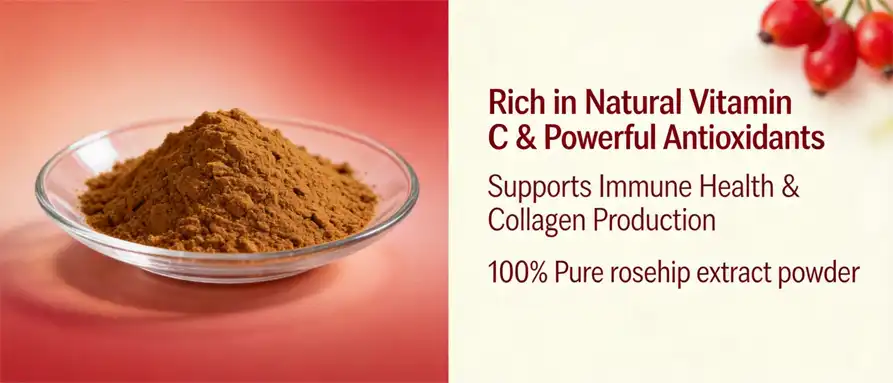
Rosehip extract powder can improve collagen production effectively through its exceptionally high natural vitamin C content and synergistic bioactive compounds. Derived from Rosa canina fruits, this botanical ingredient contains standardised vitamin C levels reaching 30% alongside flavonoids, polyphenols, and galactolipids that work collectively to stimulate fibroblast activity and enhance endogenous collagen synthesis. The vitamin C component serves as an essential cofactor for prolyl and lysyl hydroxylase enzymes, which stabilise collagen's triple helix structure, while antioxidant compounds protect existing collagen fibres from degradation caused by oxidative stress and environmental factors.
Understanding Rosehip Extract Powder and Collagen Production
Botanical Origin and Extraction Technology
Rosa canina, also called the "dog rose," grows best in the pure areas of Northern Europe and Bulgaria, where the cold weather concentrates the fruit's bioactive chemicals. Advanced low-temperature processing methods are used to make premium-grade rosehip extract powder. These methods protect heat-sensitive nutrients, especially ascorbic acid and phenolic ingredients. In modern extraction technology, cold-pressing and spray-drying are used to get standardised ratios. HPLC research proves that quality extracts contain 30% natural vitamin C.
This standardisation makes sure that there is consistency from batch to batch, which is important for recipe stability and following the rules. The fine brownish-yellow powder that is made has unique flavour qualities and dissolves easily in water (more than 85% in hot water), making it easy to use in a wide range of products, from drinks to skin care.
Nutrient Profile and Bioactive Compounds
This rosehip extract powder is unique because it contains phytochemicals that make it a complete collagen-supporting ingredient. Besides having a very high quantity of ascorbic acid, the extract also has:
Flavonoids like quercetin and kaempferol, at 8–20% total flavonoid content, protect against free radicals and make vitamin C more stable in recipes. Polyphenols, including gallic acid and ellagic acid, which make up 15–30% of the extract, help reduce inflammation and stop inflammatory hormones from breaking down collagen. Carotenoids like lycopene and β-carotene at 3–10% levels offer photoprotective benefits that are especially useful in cosmetics. Galactolipids, especially GOPO (glycoside of mono- and diglycerol), have been shown to reduce inflammation in clinical tests, which supports their use in joint health.
Collagen Synthesis Mechanisms
As an essential cofactor in collagen production, vitamin C makes it possible for proline and lysine groups in procollagen molecules to be hydroxylated. This hydroxylation makes collagen's unique triple-helix structure more stable. Without it, collagen molecules would be unstable and more likely to break down by proteases. Clinical studies show that getting enough vitamin C is directly linked to higher collagen levels in the skin.
This main process is boosted by the combined phytochemical matrix. Flavonoids make vitamin C more bioavailable by helping it be absorbed better and preventing oxidation. Polyphenols, on the other hand, stop matrix metalloproteinases (MMPs), which are enzymes that break down collagen when you age or are exposed to light. The rosehip extract powder is better than pure vitamin C supplements because it does two things at once: it speeds up production and stops degradation.
Comparison with Alternative Collagen Supporters
Most vitamin C pills only contain ascorbic acid and not the beneficial bioflavonoid matrix that makes the supplement more stable and effective. When mixed with water, synthetic ascorbic acid quickly oxidises, making it less stable on the shelf. On the other hand, the natural phytochemical environment in rosehip extract powder keeps vitamin C intact while it is being stored and used by the body.
Marine collagen peptides provide pre-formed collagen fragments, but they come from animals and can't be used in vegan recipes or by people who follow certain national food rules. Alternatives made from plants, like the rosehip extract powder we're talking about here, are in line with the move toward clean labels. They also help the body make its own collagen instead of using outside protein that needs to be broken down and put back together.
Key Benefits and Applications of Rosehip Extract Powder in Collagen Enhancement
Dermatological Benefits and Clinical Evidence
Several clinical studies have shown that the rosehip extract powder works to improve skin quality factors that are linked to collagen content. A 2015 double-blind study published in Clinical Interventions in Ageing showed that taking rosehip extract powder supplements for eight weeks made skin much more flexible, better at keeping wetness in, and less wrinkled than groups that were given a fake. Skin exams got better for people who took 500 mg every day, which was explained by better collagen production and less damage from free radicals.
The rosehip extract powder's high level of antioxidants fights many of the signs of ageing in the skin. Vitamin C directly encourages fibroblasts to make collagen, and carotenoids keep collagen from breaking down when exposed to UV light. For anti-ageing skin care, brightening serums, and sun protection products where collagen retention is a main claim to effectiveness, this multiple process makes the ingredient very useful.
Joint Health and Anti-Inflammatory Properties
In addition to being used on the skin, the rosehip extract powder shows a lot of promise as a substance for joint health. It has been shown that the galactolipid GOPO can reduce inflammation by stopping the movement of certain cells and hormones that cause inflammation. In clinical studies, osteoarthritis patients who took standardised rosehip extract powder reported less joint pain and better movement after 12 weeks of daily use.
Specifically, collagen is the main structural part of articular cartilage, and its breakdown directly leads to joint pain and limited movement. The rosehip extract powder helps with both pain relief and tissue health by increasing collagen production and reducing inflammation. This puts it in a good place in the growing joint health supplement market, which is worth over $3.5 billion worldwide.
Versatile Application Across Product Categories
The rosehip extract powder can be used in a variety of product forms, which is helpful for procurement workers who are looking at ingredient portfolios. Doses between 200 and 500 mg per day, which are suggested in functional drinks and nutritional supplements, have been shown to provide measurable antioxidant benefits in clinical studies. The powder form works well in capsules, pill compression structures, and powdered drink mixes at concentrations between 0.5 and 3%.
Vitamin C and polyphenols can be delivered straight to skin tissue through external treatments. When made into creams, serums, and masks, it can help specific collagen levels, and the natural carotenoid content gives the product a nice colour. Antioxidant-rich recovery formulas can help lower the oxidative stress that comes with hard training in sports nutrition, which supports tissue repair and collagen upkeep.
How to Use Rosehip Extract Powder for Optimal Collagen Production
Evidence-Based Dosage Recommendations
Clinical research shows that taking 200 to 500 mg of a standardised rosehip extract powder every day can help the body's collagen levels. For best results, taking 500 mg in the morning and evening will keep blood levels of vitamin C and beneficial chemicals stable. This amount gives you about 150 mg of natural vitamin C along with helpful phytochemicals. It meets a big part of the daily recommended intake without giving you too much, which could make sensitive people's stomachs hurt.
For topical uses in cosmetic products, rosehip extract powders are usually mixed with serums or creams at a strength of 2 to 5 percent. This lets the extracts go straight to the tissue they are meant to treat. Higher amounts might irritate sensitive skin, and lower percentages might not reach the concentrations needed to stimulate collagen production in a way that can be measured.
Formulation Considerations and Quality Parameters
Manufacturers should focus on rosehip extract powders that have been standardised to 30% vitamin C through HPLC testing. This will make sure that all production runs have the same amount of strength. Particle sizes between 80 and 120 mesh make it easier for powdered blends to spread out evenly and speed up the dissolution process in drinking uses. When something dissolves more than 85% in hot water, it can be added to water-based systems without causing sedimentation problems.
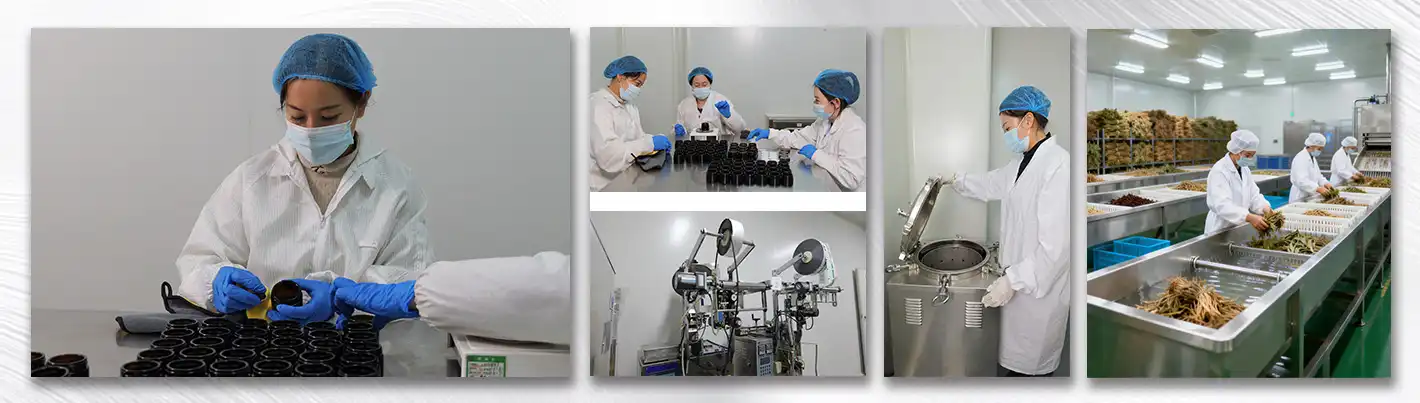
Cold-pressed extraction methods keep nutrients that aren't affected by heat, and improved low-temperature spray-drying makes fine powders that work well with automatic encapsulation equipment. Organic approval responds to consumers' growing desire for pesticide-free plants, giving them a higher status and backing marketing claims about clean labels.
Safety Profile and Regulatory Compliance
In clinical studies, rosehip extract powder is very safe, with no major side effects reported at the suggested doses. Some people may experience mild gut pain when they eat it on an empty stomach, but this is usually resolved by eating something else at the same time. People who are known to be allergic to plants in the Rosaceae family should be careful, but allergic responses are still very rare.
Different markets have different rules about the ingredient, but in North America and Europe, it is usually thought to be safe for use in food and health supplements. Certifications like GMP, ISO9001, Kosher, and Halal standards make it easier to reach a wide range of consumers. Verification of non-GMOs meets the needs for transparency from health-conscious groups, and testing for heavy metals to make sure amounts are below legal limits protects customer safety and brand image.
Comparing Rosehip Extract Powder with Market Alternatives
Rosehip Extract Versus Rosehip Oil
Even though they come from the same plant, these ingredients have different uses. Rosehip oil, which is usually made by pressing the seeds cold, has a lot of important fatty acids, like omega-3 and omega-6, and fat-soluble vitamins, like vitamin E. It is mostly used in skin care products to moisturise and fix barriers.
The rosehip extract powder has much higher amounts of flavonoids and water-soluble vitamin C, both of which are needed to boost collagen production. The oil hydrates and protects the skin's surface with antioxidants, while the rosehip extract powder works on a cellular level when taken by mouth or goes deeper into the skin in cosmetics. Buying decisions should be based on what the goal product claims to do. For example, oil is better for keeping wetness and preventing leaks, while rosehip extract powder is better for anti-ageing collagen support.
Organic Versus Conventional Sourcing
Because of the higher costs of growing organic crops and paying licensing fees, organic grades usually cost 20 to 40 percent more than regular grades. But organic products are becoming more and more important for high-end wellness brands that want to attract health-conscious customers willing to pay higher prices.
When vitamin C levels and phytochemical profiles are standardised, there aren't many changes in how well organic and conventional rosehip extract powders work. The main difference is in the stories about avoiding chemical waste and protecting the environment that appeal to the target audience. Organic approval is very helpful for brands that are marketed in natural health channels. On the other hand, mass-market goods may be able to save money by getting their ingredients from more traditional sources without sacrificing effectiveness.
Standalone Versus Synergistic Formulations
Rosehip extract powder supports collagen in many ways on its own, but when combined with other ingredients that work well together, the value arguments are stronger. Co-formulation with glucosamine sulphate helps joint health in more than one way. The rosehip extract powder boosts collagen production, and glucosamine provides the building blocks for cartilage. When mixed with curcumin, the anti-inflammatory benefits are stronger, which makes them especially useful for formulas that treat osteoarthritis.
When beauty-from-within products work together with silica, hyaluronic acid, or collagen peptides, they make complete skin health formulas that help keep moisture in, support structure, and boost synthesis all at the same time. These methods work well together to help set products apart and support high-priced strategies.
Supplier Evaluation Criteria
To find good rosehip extract powder providers, you need to do a lot of research on a lot of different factors. Verification of certification validity through audit reports from a third party proves GMP compliance and the strength of the quality system. A Certificate of Analysis (COA) check for every batch makes sure that the amounts of heavy metals, microbiological parameters, pesticide screening results, and vitamin C are all the same.
Evaluation of production capacity shows providers' ability to increase capacity as demand rises, preventing supply problems during market growth stages. Minimum order quantities should be in line with the amount of goods needed and the cash flow situation. These quantities can range from 1 kg for testing purposes to many tonnes for mass production. Lead times for stock items are usually between 2 and 4 weeks, but they can be up to 8 weeks for special orders or organic certifications.
Procurement Guide: Sourcing Rosehip Extract Powder for B2B Buyers
Identifying Qualified Bulk Suppliers
Finding reliable suppliers is the first step in setting up reliable supply chains. This can be done through industry trade shows, business-to-business (B2B) platforms, and professional networks in the rosehip extract powder sectors. Qualified manufacturers have proven track records in the nutraceutical and cosmetics industries, backed up by customer examples from well-known names.
Premium providers have technical abilities that set them apart, such as in-house analytical labs that do HPLC vitamin C quantification, microbiological testing, and heavy metal screening. Product development processes are streamlined and time to market is shortened when suppliers offer complete paperwork packages that include specification sheets, allergen statements, nutritional declarations, and regulatory status summaries.
Cost-Effectiveness Analysis
Prices change based on a number of factors, such as the area where the plants come from, their organic certification status, the level of standardisation, and the number of orders. Conventional rosehip extract powders with 15-20% vitamin C content usually cost $25–45/kg for 100 kg orders, while organic approved materials with 30% vitamin C content usually cost $60–85/kg for the same amounts.
The total cost of ownership includes more than just the price of the ingredients. It also includes the costs of shipping, import taxes, quality tests, and keeping inventory on hand. Getting to know suppliers who offer combined shipping for orders of multiple ingredients is the best way to get the best freight prices, especially when buying from European sellers abroad.
Customization and Private Label Opportunities
Progressive suppliers help products stand out by offering customisation services such as special blends of rosehip extract powder with other plants that work well with it, particle sizes that work best with certain delivery systems, and custom standardisation parameters that are aimed at specific effectiveness claims.
Private label programs help brands quickly get into the market, even if they don't have their own production facilities. Suppliers take care of formula development, stability testing, legal compliance, package design, and handling for shipping. Private label programs usually have a minimum order quantity of 500 to 1000 units. At 5000 units or more, the cost per unit goes down a lot.
Conclusion
Scientists have proven that rosehip extract powder works to increase collagen production. This is because it has a lot of natural vitamin C, a polyphenol matrix that works well with other chemicals, and anti-inflammatory galactolipids. Clinical research supports uses in anti-ageing for the skin, managing joint health, immune system function, and protecting against free radicals. For people who buy things for businesses, this plant ingredient has a lot of benefits, such as being able to be used on clean labels, being vegan-friendly, and being useful in nutritional, cosmeceutical, and functional food products. To successfully source goods, you need to carefully evaluate suppliers, paying special attention to how real their certifications are, how well they can do analysis, and how well their production can grow with your business.
FAQ
Is daily consumption of rosehip extract safe for long-term supplementation?
Clinical tests show that taking the drug every day at the suggested doses of 200 to 500 mg for longer than six months does not have any negative effects. The natural ingredients in the rosehip extract powder are similar to what people in Europe have been eating for hundreds of years. People who take blood thinners should talk to their doctors because eating a lot of vitamin C might change how blood clots, though this isn't likely to have a big effect on people who are taking normal supplement amounts.
How does rosehip extract compare to synthetic vitamin C for collagen enhancement?
While both provide ascorbic acid, which is needed for collagen production, the rosehip extract powder adds extra bioactive substances like flavonoids and polyphenols that make vitamin C more stable, increase its absorption, and stop enzymes that break down collagen. This synergistic matrix works better than manufactured ascorbic acid that is used alone, especially in products that need to stay stable for a long time and for people who want to get their nutrition from whole foods.
What supplier qualifications should B2B buyers prioritize?
Priority qualifications include GMP certification that has been checked by a third party, the ability to do full analytical testing, including HPLC vitamin C quantification, proven traceability systems that can track botanical origin all the way through to finished rosehip extract powders, and established supply relationships with major nutraceutical or cosmeceutical brands that can be used as reputation indicators. For premium placement, organic approval is necessary, and flexible MOQs can work for businesses of all sizes, from startups to large corporations.
Partner with BioSpark for Premium Rosehip Extract Powder
BioSpark (Xi'an) Biotechnology Co., Ltd. is an international company that specialises in providing nutraceutical and cosmetic companies around the world with high-quality botanical extracts that are backed by research. Our rosehip extract powder comes from wild-harvested areas in Northern Europe and Bulgaria. It has an impressive 30% natural vitamin C standardisation, which was confirmed by HPLC analysis. It also has a lot of standards, such as GMP, ISO9001, Kosher, and Halal compliance.
We know how hard it is for health supplement makers, importers, and OEM/ODM partners to keep up with strict quality standards and navigate complicated supply lines. As part of our full-service support, we offer formulation advice, stability testing, regulatory paperwork, and a production capacity that can be adjusted to fit orders ranging from 1 kg tests to multiple tonnes of commercial quantities. The bioactive properties are kept intact by advanced low-temperature extraction technology, and strict quality control makes sure that every batch meets international safety standards for heavy metals, herbicides, and microbiological factors.
Whether you're working on anti-ageing skin care products, vitamins for joint health, or functional drinks, our technical team can help you reach your innovation goals by providing customisation knowledge. For your next rosehip extract powder supplier partnership, email our procurement experts at leao@biosparkcn.com to ask for certificates of analysis, product samples, or bulk prices. You can look at our full line of botanical extracts at www.biosparkcn.com.
References
1. Chrubasik C, Roufogalis BD, Müller-Ladner U, Chrubasik S. "A systematic review on the Rosa canina effect and efficacy profiles." Phytotherapy Research, 2008, 22(6): 725-733.
2. Phetcharat L, Wongsuphasawat K, Winther K. "The effectiveness of a standardised rose hip powder, containing seeds and shells of Rosa canina, on cell longevity, skin wrinkles, moisture, and elasticity." Clinical Interventions in Ageing, 2015, 10: 1849-1856.
3. Winther K, Apel K, Thamsborg G. "A powder made from seeds and shells of a rose-hip subspecies (Rosa canina) reduces symptoms of knee and hip osteoarthritis: a randomised, double-blind, placebo-controlled clinical trial." Scandinavian Journal of Rheumatology, 2005, 34(4): 302-308.
4. Pullar JM, Carr AC, Vissers MCM. "The roles of vitamin C in skin health." Nutrients, 2017, 9(8): 866.
5. Saaby L, Jäger AK, Moesby L, Hansen EW, Christensen SB. "Isolation of immunomodulatory triterpene acids from a standardised rose hip powder (Rosa canina L.)." Phytotherapy Research, 2011, 25(2): 195-201.
6. Lattanzio F, Greco E, Carretta D, Cervellati R, Govoni P, Speroni E. "In vivo anti-inflammatory effect of Rosa canina L. extract." Journal of Ethnopharmacology, 2011, 137(1): 880-885.

Send Inquiry
Related Industry Knowledge
- Is gotu kola extract powder backed by traditional herbal medicine?
- What Are the Latest Trends in Chinese Cabbage Powder Use?
- Yacon Root Extract for Gut Health: Does It Really Work?
- Miltiorrhiza Root Extract Powder Uses: What Is It Good For?
- How to Find Reliable Ginseng Fruit Powder Suppliers?
- Why Choose White Kidney Bean Extract Powder for Supplements?
- Could Cowpea Powder Enhance Protein-Rich Product Lines?
- Apple Peel Extract Powder for Cholesterol Support
- Tangerine Peel Extract for Immune Support Products
- Tribulus Terrestris Extract Powder: Natural Saponin Power