_1764041963888.webp)
What Should Buyers Know About Banana Juice Powder Quality?
Sep 11, 2026
When sourcing banana juice powder for your health supplement or nutraceutical brand, understanding quality parameters is non-negotiable. This concentrated, shelf-stable ingredient has become a cornerstone in B2B formulations—from sports nutrition drinks to infant foods—thanks to its rich potassium content, natural sweetness, and clean-label appeal. Quality directly influences product performance, consumer satisfaction, and brand reputation. Buyers must evaluate purity levels, nutritional integrity, production methods, and supplier certifications to ensure their procurement decisions align with both regulatory standards and market expectations in competitive industries.
Understanding Banana Juice Powder Quality
Dried banana mush is used to make Banana juice powder. In many foods, health aids, and useful drinks, it is used. Whole banana powder has meat that is high in fiber, but juice powder only has natural sugars and nutrients that dissolve in water. This makes a product that is useful in different ways.
Defining Quality Parameters
The first thing you should do to judge the quality of banana mush solids is to look at how concentrated they are. Tests using High-Performance Liquid Chromatography (HPLC) show that high-end goods usually have purity values of 95% or more. This method of research makes sure that the right amounts of active ingredients are used and that any possible fillers are found. How the powder looks is also important. Real powder is light yellow to light brown and smells like ripe bananas. This means it was made properly and doesn't have any rust damage. Solubility is another important thing to consider. Powder of good quality dissolves fully in water and doesn't clump, so the bits are spread out evenly. Spray drying technology has come a long way, which makes this possible.
Industry-Recognized Certifications
There are checkpoints in global supply chains that ensure the quality of the goods. These are called certifications. People looking to buy should give sellers with ISO9001 certifications for quality management systems and other certifications like GMP, FDA compliance, Kosher, and Halal more weight. These signs show that strict rules for production, methods for keeping track of products, and steps to avoid contamination were taken. China makes a lot of tropical fruit powders, so it's important to make sure that the ones you buy have clear certifications. This is to make sure they follow the rules for bringing goods into the US and Europe.
Distinguishing Juice Powder from Whole Banana Powder
When you buy something like Banana juice powder, you won't make mistakes if you know the difference between work and purchase. The bananas are dried out and then ground up to make whole banana powder. It still has the fiber, tough starch, and texture-building properties that make it great for baking. To make juice powder, on the other hand, parts that don't mix in water are taken out, leaving only vitamins, minerals, and simple sugars that do. So the nutrients can dissolve more easily and get to the body faster. This is very important for drinks like sports recovery drinks that need to be smooth and absorb quickly.
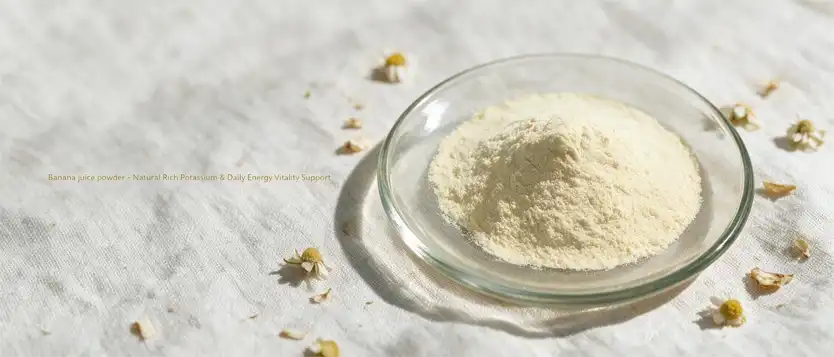
Key Factors Influencing Banana Juice Powder Quality
For great products, you need to pick the right raw materials and use the right processing technology. Because these things can change, using two different brands that both say their products are "95% banana powder" might give you very different results.
Raw Material Selection Impact
Each type of banana tastes and has a different amount of minerals. Cavendish is the type of banana that is grown for consumption. It has a mild sweetness and flavor. Some kinds, like Red Dacca or Manzano, have their own flavor notes that might help a product stand out as a high-end item. Based on how ripe the fruit is when it is picked, the amount of sugar and enzymes it has will vary. If the bananas are just a little too ripe, they make powder that is sweeter and has more flavor compounds. If the bananas are not quite ripe, they make powder that has more tough starch. Minerals in different places are changed by the type of dirt that is there. As an example, bananas grown near volcanoes often have more than 1500 mg of potassium per 100 grams of dry powder.
Production Technology and Drying Methods
Modern ways of drying keep nutrients that are sensitive to heat alive while getting the low moisture level (≤3.5%) needed for shelf stability. Spray drying turns banana juice into tiny atoms that are then put into hot air chambers. This makes fine particles that are easy to break down, but the temperature needs to be carefully controlled so that the nutrients don't turn into sugar and caramelize. Freeze-drying keeps the best tastes and nutritional values, but it costs a lot more to make. It is easier to digest and tastes sweeter when enzymes are used to break down complex carbohydrates before they are mixed with other ingredients. This also makes it easier for the powder to blend into other ingredients.
Packaging and Storage Considerations
Depending on how the powder is handled after production, the quality will stay the same until it gets to your factory. Premium providers put goods inside standard 25 kg fiber drums that are lined with aluminum-plastic composite bags. This keeps the goods safe from air, light, and wetness, which are the three main things that break things down. Food stays fresh longer on the shelf because nitrogen washing stops oxidative browning while it's being packed. Food that is kept at temperatures below 25°C and relative humidity below 60% stays healthy and doesn't stick when it is stored this way. When buyers know these details, they can set up the right ways to receive the ingredients and store them to protect their investment.
Comparison Guide: Choosing the Right Banana Juice Powder for Your Needs
To pick the best powder, you should think about the pros and cons of price, performance, and where the product fits in the market for your use.
Organic Versus Conventional Options
Banana juice powder made with organic products is more expensive (30–50% more expensive than regular Banana juice powder), but it can be found in health-conscious stores. To get food certified as organic, you have to show that it was grown and prepared without using any man-made poisons, GMOs, or irradiation. For large-scale production, standard powder is cheaper when marketing claims about being organic aren't important. How much your audience is willing to pay for clean-label features vs. just functional performance should help you set your budget.
Powder Versus Fresh Juice Versus Concentrates
When it comes to work, dry powder is better than fresh banana juice or mixes that are too watery. Since one kilogram of powder can be used instead of 10–12 kilograms of fresh juice, transportation costs go down by a huge amount. When you ship less, you use less carbon and save money on freight. Since food is shelf-stable, there is no need for cold chain logistics or the risk of spoilage. However, seasonal fresh fruit can't be the same from batch to batch because of standardized composition. Liquid powders need to be kept cool and generally have things in them that keep them fresh. Powder forms make it easier to get clean labels and for contract makers to keep track of their stock.
Evaluating Supplier Reliability
One way to judge a supplier is not just by looking at their prices. How open the supply chain is and how well the quality systems talk to each other are some of the other things that are looked at. You should ask a different lab for Certificates of Analysis (COA) for the most recent production runs to make sure that the standards for heavy metal contamination, microbiological safety, and potassium content are met. Lead times are significant. Some well-known companies keep enough in stock to ship quickly, but new companies may have problems with production that push back your launch dates. How flexible a seller is can be seen by their minimum order numbers (MOQ). It shows that BioSpark and other trustworthy partners are sure of the quality of their products that they offer a 1 kg MOQ for product samples. This lets startup customers try out different formulas before buying in bulk.
Ensuring Quality Through Procurement Best Practices
These rules for strategic sourcing keep risks to a minimum while building relationships with factories that can help the business reach its long-term growth goals.
Partnering with Certified Suppliers
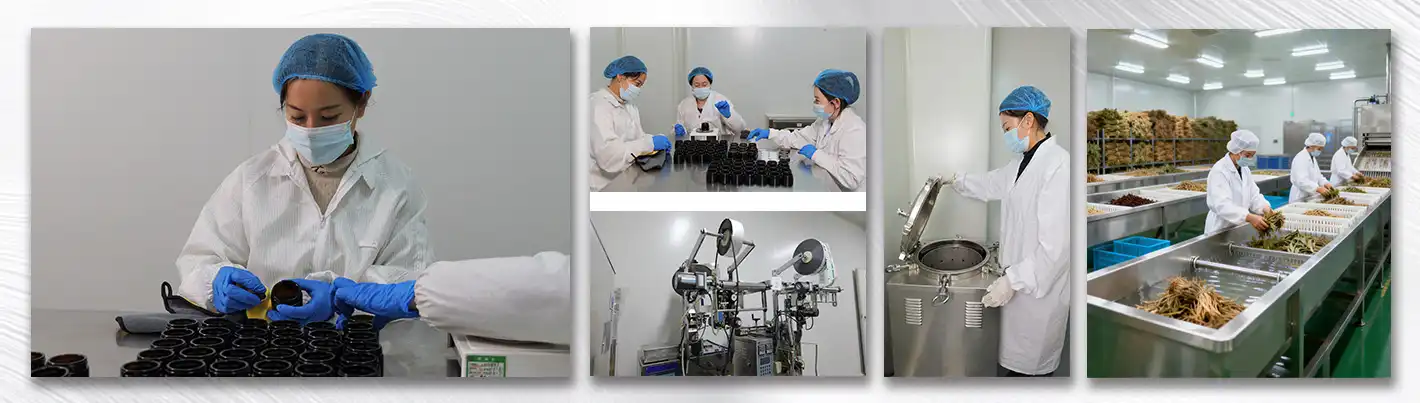
As a first step in your research, look at a manufacturer's list of credentials and output skills. They have quality control systems that are recorded and are regularly checked by a third party. Suppliers who can show they follow ISO9001, GMP, and FDA rules have these systems in place. Be clear about what you want to know about the facility's traceability methods and ask for inspection records. What about this question: Can they tell you where any production lot of bananas came from? Advanced manufacturers use blockchain or digital tracking to show how their products are made, which is something that lawmakers and health-conscious customers are asking for more and more.
Requesting Samples and Conducting Quality Checks
Free samples of a product are the best way to spend your money before you buy a lot of it. Professional buyers set up sensory evaluation groups that use their own standards to judge how strong the smell is, how regular the color is, and how different the tastes are. The nutritional claims, solubility rates, and moisture content should not only be based on paperwork from the source. Instead, lab tests should be done at different locations. Dissolution tests in your unique recipe matrix show if there are problems with compatibility. In the case of protein shakes or milk, some powders work great in water but get lumpy or taste funny when mixed with cheese.
Strategic Negotiation Considerations
When negotiating prices, the needs for quality assurance and cost-effectiveness must be balanced. Most of the time, buying in bulk gets you a 10–15 percent discount. But buyers should make sure that the terms of the deal allow them to change the specs as the product lines change. How you get paid affects your cash flow. People who have done business with each other before may be able to work out payment plans that are tied to output milestones. Bank transfer (T/T) is still the standard way to do business abroad. There is a big difference between FOB, CIF, and DDP when it comes to landing costs. When customs taxes or demurrage charges show up out of the blue, knowing Incoterms keeps budget plans on track.
Practical Application Insights for Buyers
Take a look at how well-known brands use this ingredient. That will help you make your own products better.
Versatile Applications Across Industries
A lot of different things are made with Banana juice powder. It's naturally sweet and won't bother people with allergies, so babies' rice meals and fruit purees don't need to have it added. This is in line with what parents want: clean chemical lists. Companies that make sports nutrition use the powder's electrolytes and carbohydrates that work quickly. For instance, the high potassium level (more than 1500 mg per 100g) helps muscles recover and keeps them from cramping up when you work out hard. Some meal replacements taste better because the banana flavor covers up the bitter taste of plant proteins or green vegetable oils. They also have carbs that make you feel full for longer, which makes the taste better.
When used in baking, this ingredient helps cookies, muffins, and banana bread stay moist and naturally sweet for longer. It also cuts the amount of processed sugar by 20 to 30 percent. Even when the fresh fruit tastes different at different times of the year, dairy companies always make yogurt and ice cream with banana in it. When making pills, health supplement companies use this natural source of potassium and vitamin B6 instead of man-made isolates because customers want to know what's in the supplements.
Real-World Success Stories
A sports nutrition company in California changed the recipe for its recovery shake after a workout so that it now uses real juice powder from trusted sources instead of fake banana flavoring. Customers said that they were 34% happier with the taste, and the clean-label positioning helped the company sell its products in fitness specialty stores that hadn't sold artificially flavored products before. The new recipe increased the cost of making the product by 8%, but it also made it possible to charge 15% more, which meant that total profits were higher.
Someone on the East Coast who makes organic baby food on contract used banana powder that had been treated with enzymes for their fruit puree bag line. The ingredient's high solubility got rid of differences in structure that used to cause batch rejects. Its long shelf life also kept it from going bad before it was used up. They were able to get custom specs that fit their own nutritional needs because they worked with a company that does OEM/ODM work. They had a long-term advantage in a field that was very competitive because of this.
Handling, Storage, and Shelf-Life Optimization
Taking good care of the ingredients keeps the quality high until they reach the output. As soon as the drums arrive, they need to be moved to climate-controlled storage areas where the temperature stays between 15°C and 25°C and the humidity stays below 60%. As soon as the package is opened, it needs to be closed again to keep water out. If powder is left out in wet conditions for 48 hours, it can take 5–7% of its weight in water, which can make it clump and grow germs. If you store things correctly, they will still be fresh after 12 to 18 months. To get the most out of them, use first-in, first-out (FIFO) product movement.
If you don't use up all the drums within two weeks of opening them, you might need to put large purchases into smaller containers. Keep track of how things are stored and check the moisture level often to make sure the quality is being looked after. By following these steps, you can keep your money safe and be sure that the finished things always do what you want them to do.
Conclusion
The sources of the raw materials, processing techniques, certifications, and seller reliability must all be carefully considered when ensuring the quality of Banana juice powder. Buyers who demand HPLC testing to confirm 95% purity levels, look for full certifications like ISO9001 and GMP, and carefully look at samples set their brands up for success in markets that are very competitive. You can make better recipes if you know the difference between juice powder and whole fruit powder. Your business can also make the case for using these products if you know why they work better than fresh options. Both small and big companies can try new things and make more of the things they already make when they work with makers that offer OEM/ODM flexibility, low minimum order amounts, and clear traceability systems. When you invest in good sourcing, your products will always work well, your customers will be happy, and you will have long-term advantages over your competitors.
FAQ
What is the typical shelf life of banana juice powder?
High-quality Banana juice powder stays healthy and tasty for 12 to 18 months after it was made as long as it is kept in sealed containers at controlled temperatures (15 to 25°C) and low humidity (below 60%). Food stays stable for longer when it is properly packed with barriers against oxygen and moisture. If you want to keep the flavor, you should put the lid back on a container as soon as you open it and use it within two to three months.
How does banana juice powder compare nutritionally to fresh bananas?
Due to the way it mixes nutrients, dried powder has about 75% more potassium per equal weight than fresh fruit. Vitamin B6, magnesium, and natural carbs don't change much when they are processed in new ways. But vitamin C, which is sensitive to heat, loses some of its strength when it dries out. Because it is concentrated, the nutritional values stay the same no matter what time of year it is or how ripe the fruit or vegetable is.
Can banana juice powder work in cold beverage applications?
Premium types that dissolve completely in cold water are made with enzymes and small particles. So they're great for making smoothies, protein shakes, and ready-to-drink mixes. When you test a sample for stability, you can be sure of how well it will work in your particular situation. Some low-quality powders, for instance, need warm liquids or high-shear mixing tools to completely dissolve.
Partner with BioSpark for Premium Banana Juice Powder
BioSpark (Xi'an) Biotechnology Co., Ltd is ready to help you find the ingredients you need with fine Banana juice powder produced to exacting international quality standards. Our 95% banana pulp solids product is stable and pure enough to meet the needs of your recipes. HPLC tests have been done on it, and it is certified as ISO9001, GMP, FDA, Kosher, and Halal. We know how hard it is for companies that make health supplements and nutraceuticals to find the best mix between price and quality. That's why we offer full OEM/ODM services and custom order numbers as low as 1 kg. Our team can help you with every step of the process, from coming up with a formula to making sure it's shipped safely around the world. We can do small-batch customization for product tests or large-scale production for established product lines. Email our helpful staff at leao@biosparkcn.com to get samples, talk about your unique needs, or find out about how to get bulk Banana juice powder at a price that is competitive and makes your product better.
References
1. Food and Agriculture Organization. (2022). Banana Market Review: Production and Trade Statistics. FAO Agricultural Commodities Report Series, 2022(4).
2. Journal of Food Science and Technology. (2021). Spray Drying Technology for Fruit Juice Powder Production: Process Optimization and Quality Parameters. JFST, 58(9), 3421-3435.
3. International Journal of Food Properties. (2020). Nutritional Stability and Sensory Characteristics of Banana Powder During Storage. IJFP, 23(1), 892-904.
4. American Journal of Clinical Nutrition. (2019). Potassium Intake and Cardiovascular Health: Evidence from Dietary Supplementation Studies. AJCN, 110(6), 1352-1365.
5. Food Quality & Preference. (2023). Consumer Perception of Clean-Label Ingredients in Functional Foods and Beverages. FQP, 103, 104702.
6. Journal of Agricultural and Food Chemistry. (2021). Enzymatic Pretreatment Effects on Solubility and Bioavailability of Fruit Powders. JAFC, 69(18), 5234-5246.

Send Inquiry
Related Industry Knowledge
- Best Longan powder Supplier for Wholesale and OEM Services
- Is Holy Berry Powder suitable for Dietary Supplement Formulas?
- Maqui Berry Powder for Eye Health: Dry Eye & Retinal Protection
- Maqui Berry Powder for Eye Health: Dry Eye & Retinal Protection
- Maqui Berry Powder for Eye Health: Dry Eye & Retinal Protection
- Maqui Berry Powder for Eye Health: Dry Eye & Retinal Protection
- Maqui Berry Powder for Eye Health: Dry Eye & Retinal Protection
- Maqui Berry Powder for Eye Health: Dry Eye & Retinal Protection
- Maqui Berry Powder for Eye Health: Dry Eye & Retinal Protection
- Maqui Berry Powder for Eye Health: Dry Eye & Retinal Protection
- Maqui Berry Powder for Eye Health: Dry Eye & Retinal Protection
- Maqui Berry Powder for Eye Health: Dry Eye & Retinal Protection
- Can white willow bark extract powder support arthritis discomfort relief?
- Why Are Food Brands Using Yellow Peach Powder in 2026?
- Can Chinese Cabbage Powder Improve Product Nutrition?
- How to Choose High-Quality Cowpea Powder for Manufacturing?
- Why Is Logwood Extract Still Relevant in Modern Applications?
- Can Saffron Extract Powder 10:1 Help Improve Mood Naturally?
- Can Tanshinone Danshen Extract Powder Aid Immune Balance?