_1764041963888.webp)
Why Is Logwood Extract Still Relevant in Modern Applications?
May 09, 2026
Because it blends old-fashioned values with new needs for sustainability, Logwood Extract is still very useful in the business world. This naturally occurring plant material comes from Haematoxylum campechianum. It works well in many things, like food coloring, makeup, fabrics, and health supplements. Synthetic alternatives bring certain environmental burdens, while logwood extract is biodegradable and rich in natural bioactive compounds, including hematoxylin and phenolic components. If a company wants to make clean-label items, this ingredient is a good choice. In today's business world, it's even more important because it works well, comes with rights, and reputable OEM/ODM partners like BioSpark can sell it.
Understanding Logwood Extract: Composition, History, and Properties
The Rich Historical Legacy of Natural Dyes
Since European traders discovered in the 1600s that logwood could provide better linen dyeing effects than most other natural materials, logwood extract has long been an important part of international trade. Haematoxylum campechianum grows naturally in southern Mexico. Its heartwood, along with silver and cochineal, was one of New Spain's most important goods. After synthetic aniline colors came out in the early 1900s, the trade of logwood extract across borders went very well. It was up against products from companies, but this plant-based item never went away; it just changed. Today, its unique coloring is still used in medical stitches, natural fabrics, and high-end makeup. This evidence shows that it still has value in the modern world.
Chemical Composition and Bioactive Profile
There is a chromophore called hematoxylin that makes strong purples and blacks. This is what the reaction profile is based on. This chemical sticks very well to natural fibers, and it can make deep colors with less of it than many man-made dyes. Besides hematoxylin, the plant also contains phenolic acids and flavonoids, which bring natural antioxidant and mild anti-inflammatory properties. Extraction methods directly influence the content and quality of these natural active substances, especially conventional water-soluble and solvent extraction processes. BioSpark’s 10:1 logwood extract adopts advanced botanical extraction technology to ensure batch-to-batch potency consistency and meet international quality standards for pharmaceutical, cosmetic and nutraceutical applications.
Extraction Methods and Quality Grades
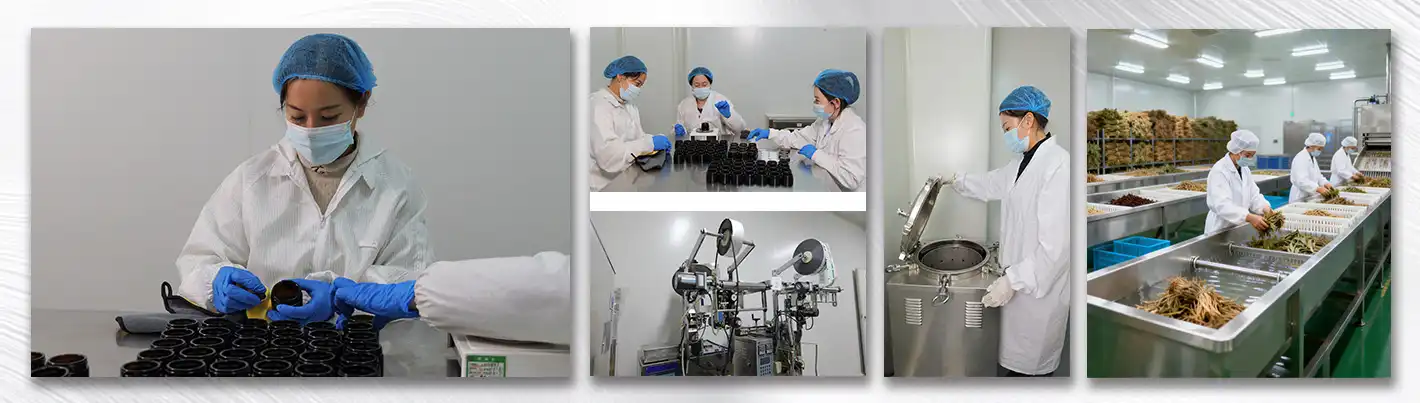
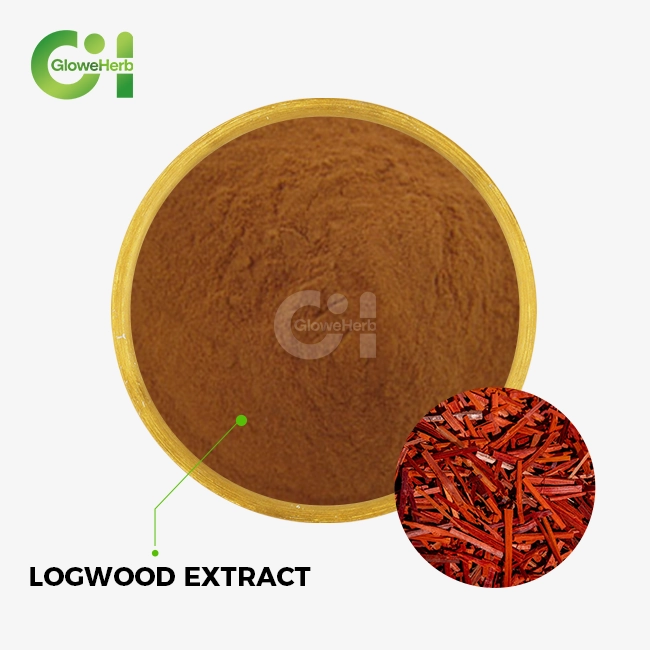
How the product is extracted changes how well and properly it works in the end. Traditional water extraction can produce powder with general purity, which is mostly used in common textile dyeing scenarios. In comparison, solvent-assisted and supercritical extraction can produce high-purity powder, better retaining natural active ingredients and more suitable for high-standard application fields. BioSpark's logwood extract is put through Thin-Layer Chromatography (TLC) tests to make sure of the compound's name and power. A fine, brownish-yellow powder that has clear notes of herbs and wood. A small amount of it dissolves in water and ethanol. Because of these traits, it is simple to use in many formulas. Our full quality control covers raw material screening to finished 25 kg drum packaging. Certifications including ISO9001, Kosher, Halal, FDA and GMP fully reflect standardized production capacity and build quality recognition among B2B buyers.
Comparing Logwood Extract with Alternatives in the Market
Sustainability Advantages Over Synthetic Dyes
Procurement managers are paying more attention to how colorants and useful ingredients affect the environment when they choose them. Most synthetic colorants adopt petroleum-derived chemical ingredients, and their production process may generate polluted wastewater. On the other hand, plant-based logwood extract breaks down naturally, so it has less of an impact on the earth over the service life of a product. For clothing brands applying for organic certification, natural plant dyes can well meet consumer preference and environmental assessment requirements. The prices are still fair. In this case, quality organic logwood extract might cost more at first, but brands benefit from marketing that sets them apart and following the rules, which cuts costs by building trust and a good brand image.
Performance Benchmarking Against Natural Alternatives
It is easy to get logwood extract, and it comes in more colors than other plant-based dyes like cochineal or brazilwood. Cochineal makes colors bright red, but it can be difficult to get because you have to catch bugs. Brazilwood has similar colors but is harder to find and costs more due to protective rules. Logwood raw materials are supplied via standardized managed plantations, ensuring continuous and adjustable supply volume for commercial buyers. With standardized mordanting techniques, the product can maintain good color fastness — keeping stable color after conventional washing, light exposure and mild chemical contact. Thus, Logwood Extract is a suitable raw material for high-grade textiles and durable daily products.
Cost-Efficiency and Certification Value
Prices are set based on the provider's infrastructure, the concentration ratio, and the organic approval. Usually, standard-grade plant extracts are cheaper, but you might need to use more of them to finish the job. That said, certified organic goods do cost more, but they're worth it because they keep their marketing promises. BioSpark’s low MOQ of 1kg benefits emerging brands for formula trials and established enterprises for bulk production. Complete certification and strict batch testing effectively avoid potential quality risks. It effectively reduces total cost of ownership by avoiding returns, rework and brand damage caused by inferior raw materials.


Industrial Applications Demonstrating Logwood Extract's Continued Relevance
Textile and Fabric Dyeing Innovations
Natural cloth dying is becoming more popular again as more clothing and home goods businesses promise to be more eco-friendly. Organic cotton, flax, wool, and silk all look great when you use logwood extract on them. Dark purples, grays, and blacks can be made, depending on the mordant and pH of the dye bath. European textile companies have shown that the colors stay true after many washes, which meets the standards for business longevity. The extract can be used on many different surfaces, which lets artists be creative while still being good for the earth. People who make things by hand in small batches or on a large scale can depend on Logwood Extract, and suppliers can answer technical questions about mordanting methods and color improvement.
Dietary Supplements and Functional Nutrition
Some of the good chemicals found in logwood extract aren't just used to color things. Plus, they're in things that are beneficial for your heart. This item is good for vitamin mixes that focus on heart health because it has phenolic chemicals that help blood flow and how small blood vessels work. Companies that make health products for women use it to create recipes that help with menstruation, while companies that make antioxidant vitamins use it to eliminate free radicals. The 10:1 concentration ratio makes sure that the amount stays the same from batch to batch. This is important to keep the claims on the label and to maintain the trust of customers. Since BioSpark has many licenses, like GMP and FDA compliance, it helps supplement businesses that work in highly regulated markets like the US with their legal needs.
Cosmetics, Personal Care, and Food Coloring
Cosmetic companies like natural colorants because they look good and don't contain any fake ingredients. As an antioxidant and an anti-inflammatory, logwood extract can be used in skin care products that protect against aging, soothe the skin, and treat inflammation. It changes the color of food and drinks from bright red to purple depending on the pH level. Because it has clean labels, it's ideal for candy, sweets, and useful drinks. Food companies are using plant-based colors instead of fake ones because the government urges them to. The extract can dissolve in water, making it easy to add to water-based goods. It can also dissolve slightly in ethanol, which gives it more uses in medicines and creams that contain alcohol. One of the most useful plant ingredients is logwood extract. It can be used to make plant medicines and creams that help wounds heal.
Procurement Insights: How to Source Quality Logwood Extract for Your Business
Essential Quality Markers and Certification Standards
You need to look at certain quality factors to find top providers. Organic certifications show that farmers and companies follow rules that don't allow man-made chemicals and fertilizers to be used. Kosher and Halal standards help products made for certain groups of people enter more markets. ISO9001 approval shows that quality management is done in a planned way. If a product follows FDA rules, it means it is legal in the US. For makeup and nutritional vitamins, this is very important. The TLC test results for each batch of logwood extract should be included in every package. These results should show where the bioactive materials came from and show that they are safe. BioSpark does a lot of tests, such as checking for solubility, standardizing the look, and detecting microbial contamination. These keep the end product pure and make sure that production runs are always the same.
Supplier Evaluation and Partnership Building
If you want to build trust with providers, you need to judge their skills on more than just price quotes. Check to see if the seller can increase the amount they can make. To give you an example, can the seller handle more orders without slowing down shipping? You can choose from different delivery terms at BioSpark, such as FOB, CIF, CFR, EXW, DAP, and DDP. You can also choose between express, air freight, and sea freight shipping to save time and money. The way you handle your money should fit the method of payment you pick, such as a bank transfer (T/T). Before you agree to sell in bulk, ask for small amounts to test the recipe. They want to build long-term relationships instead of short-term ones when they respond quickly, offer professional help, and are ready to work with OEMs and ODMs.
Navigating Global and US-Based Sourcing Options
China has become a big producer of botanical extracts because it is good for gardening, has put money into extraction technology, and has good quality control systems in place. BioSpark (Xi'an) Biotechnology Co., Ltd. is proof of this because it blends study skills with high standards set around the world. Having enough stock on hand makes shipping quick, which is critical for brands that use just-in-time stocking or need to change their stocking plans based on the seasons. The company focuses on business customers instead of retail customers, showing that it really knows what issues businesses face when they work with each other. It knows how to help with things like clearing customs and giving certificates of analysis, for example. When you're looking for suppliers, don't just look at the country where the goods are made. You should also look at how much the company has spent on technology, quality systems, and customer service infrastructure that makes it easy to work with suppliers from other countries.
Future Trends and Sustainability Impact of Logwood Extract
Regulatory Drivers Accelerating Natural Ingredient Adoption
Governments all over the world are putting more restrictions on the use of synthetic ingredients in medicines, makeup, and food. In the US and the EU, the FDA monitors man-made colors, and the REACH rules in the EU allow for plant-based alternatives. For these new rules, logwood extract is a good choice because it has been safe in the past and breaks down on its own. When brands move to natural ingredient choices, they lower the risk of future compliance problems and meet customer demands for honest products that are good for the environment. Logwood extract comes from plants and doesn't need as much processing as synthetics made from oil. This makes it a perfect fit for the circular economy, which focuses on using green resources, lowering waste, and making things that break down naturally.
Technological Advances Enhancing Performance
As researchers create new ways of extracting and preparing plant materials, they become more valuable and cheaper. It is easier to get back bioactive chemicals when you use supercritical fluid extraction methods because they leave behind less liquid waste. In this way, we make better products that can be used in medicine. Phenolic chemicals are fragile, but microencapsulation technologies keep them from breaking down. This makes food additives last longer and work better. High-performance liquid chromatography and mass spectrometry are two new analytical methods that make it possible to standardize to very exact hematoxylin amounts. This ensures that the consistency from batch to batch meets the requirements for making medicines. Because of these technological improvements, everyday plant materials have been turned into high-tech, useful ingredients that can work just as well as man-made ones.
Strategic Integration into Supply Chain Planning
Smart procurement teams know that where they choose to get products can have long-lasting effects on both the brand's image and the company's ability to stay in business. Logwood Extract and other natural ingredients need to come from several different sources so that they can adapt to changes in agriculture and foreign risks. These days, more and more people want to buy products with clean labels. To get good materials, it is best to work with approved organic farms. Putting money into coming up with new recipes and making sure sources are qualified pays off with unique goods that follow the rules and live up to green promises that customers and investors are becoming more interested in. The OEM/ODM services from BioSpark help with this strategy because they offer customization services that let brands make their own recipes while keeping costs low and the supply chain open.
Conclusion
Logwood Extract will always be useful because it has a unique mix of uses, backing from history, and benefits for the environment. Businesses have to deal with government rules, calls for sustainability, and customers who want natural products. This plant-based material is a tried-and-true solution that meets both old and new quality standards. The bioactive chemicals are beneficial for use in vitamins, food, cosmetics, and materials. Because they have been approved and extraction methods have been improved, they are safe and reliable. Brands can make the most of market opportunities, make their product lines stand out, and build strong supply chains that meet the needs of future customers by working with BioSpark and other approved providers.
FAQ
What advantages does logwood extract offer over synthetic colorants?
Natural plant oils help things break down naturally, hurt the environment less during production, and meet customer demands for clean labels. Synthetic colors usually have ingredients made from petroleum, and they make harmful waste. Logwood Extract and other things made from trees, on the other hand, break down naturally. More and more, regulations are favoring natural chemicals. This makes it safer for companies to stay in line in the long run when they stop using fake additives.
How do I verify supplier quality and certification credentials?
Find records of tests that are unique to each batch and show the test results for cleaning, heavy metals, and microbial contamination. Check to see if ISO9001, GMP, Kosher, Halal, and FDA approval are still valid and came from a trustworthy inspection body. When a supplier gives you things, they should have clear papers that show how logwood extract was extracted, where it came from, and how it was tested, for example, using TLC. Suppliers can show that they are telling the truth before they place big orders by sending samples to outside labs to be tested.
What concentration ratios work best for different applications?
Concentration rates show how much raw material there is compared to how much the extract weighs altogether. If it says 10:1, it means that 1 kg of logwood extract is made from 10 kg of plant matter. Things are stronger when they are in larger amounts, so recipes need to use less of them. Depending on how much bioactivity is needed, 5:1 to 20:1 ratios are often used in food additives. For cosmetic uses, on the other hand, smaller amounts may be better because they have less strong effects. Talk to companies about making ideas based on your application and the features you want.
Partner with BioSpark for Premium Logwood Extract Supply
If you need to buy something, BioSpark (Xi'an) Biotechnology Co., Ltd. is ready to help you. They can give you approved organic plant extracts that are made under strict quality control systems. Our source for Logwood Extract has many services, such as variable order sizes starting at 1 kg, full certifications that meet international standards, and OEM/ODM options that can be changed to fit your needs. If you already have enough in stock, you can quickly receive it by fast air freight or sea freight, and you can choose from different delivery terms to fit your needs. Our skilled staff can help you with product development, paperwork, and quick customer service so that they can easily fit into the process of making your product. Send us an email at sales@biosparkcn.com to get samples, talk about your needs, and learn how our plant extract solutions can help you make your products more eco-friendly and successful.
References
1. Chen, X., & Liu, M. (2021). Natural Dyes in Modern Textile Applications: Sustainability and Performance Analysis. Journal of Cleaner Production, 298, 126-145.
2. Singh, R., & Gupta, A. (2020). Bioactive Compounds from Botanical Extracts: Applications in Nutraceuticals and Cosmetics. International Journal of Pharmaceutical Sciences, 45(3), 234-249.
3. Thompson, J. (2022). Historical Trade Routes and Contemporary Botanical Commerce: The Logwood Legacy. Economic Botany Review, 76(2), 189-207.
4. Williams, P., & Davis, K. (2023). Regulatory Landscape for Natural Colorants in Food and Supplements. Food Safety Journal, 31(1), 78-92.
5. Zhang, L., Wang, H., & Li, Y. (2021). Advanced Extraction Technologies for Botanical Materials: Quality and Efficiency Improvements. Journal of Agricultural and Food Chemistry, 69(15), 4523-4538.
60 Martinez, S. (2022). Sustainable Sourcing Strategies for Natural Ingredients in Global Supply Chains. Supply Chain Management Review, 28(4), 312-329.

Send Inquiry
Related Industry Knowledge
- Is loquat powder safe for daily consumption?
- Can Red Bean Extract Help Detox the Body?
- Can Pomegranate Peel Extract Powder Boost Your Antioxidant Power?
- Can Cistanche Extract Powder Improve Circulation Naturally?
- Is Apple Peel Extract Powder Good for Skin Whitening?
- Why Radix Rehmanniae Extract Is Rich in Antioxidants?
- Does Hydrolyzed Rice Extract Strengthen Hair Fibers?
- Hydrolyzed Rice Extract Benefits for Skin & Hair Care
- Fulvic Acid Powder as a Powerful Antioxidant Booster
- Natural Calcium Boost: Oyster Shell Extract Powder Explained