_1764041963888.webp)
What Makes Premium Broad Bean Powder Different?
Aug 07, 2026
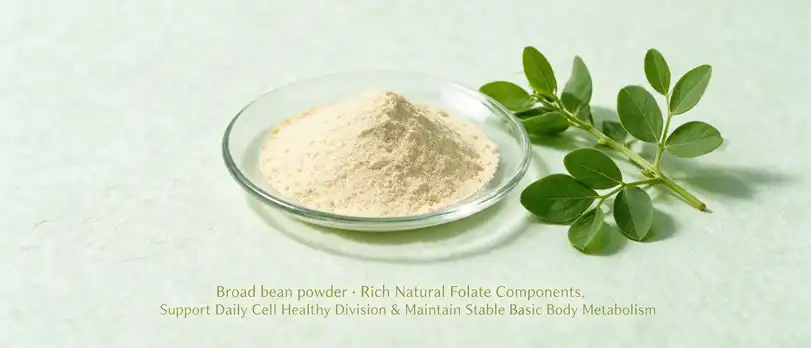
Premium broad bean powder stands apart through superior sourcing, advanced extraction methods, and rigorous quality control. Unlike standard alternatives, premium-grade fava bean protein powder features certified non-GMO raw materials, precise protein concentrations verified through HPLC testing, and guaranteed traceability from farm to finished product. These powders maintain consistent particle size distribution (80-120 mesh), optimal solubility characteristics, and comprehensive international certifications—attributes that directly impact formulation reliability and end-product performance in industrial applications.
Understanding Broad Bean Powder and Its Market Demand
Nutritional Profile and Industrial Applications
Broad bean powder is made from carefully processed Vicia faba seeds and has a very high nutritional density. Good fava bean protein powder usually has 25 to 30 percent plant-based protein, complex carbs high in resistant starch, dietary fiber, B vitamins, and minerals like calcium, magnesium, potassium, and iron. Because it doesn't contain gluten by nature, it is especially useful for products that need to be allergen-free.
Industrial uses are found in many areas. Manufacturers of nutritional supplements use fava bean protein powder in sports nutrition products and meal replacements. The powder is used in bakeries to make breads, pastries, and functional snacks higher in protein. Companies that make drinks depend on its ability to dissolve in water to make quick protein drinks. The ingredient is also very important in plant-based meat substitutes, adding extra nutrition to pet food, and making processed foods thicker naturally.
Market Trends Driving B2B Procurement Growth
The way the market is moving now shows that consumers strongly prefer foods with clean labels that come from safe sources. The market for plant-based proteins keeps growing at rates that are higher than those of traditional proteins derived from animals. Broad bean powder is marketed as a flexible option that meets both functional and ethical sourcing standards, and vegan and veggie product launches have significantly grown.
Regulatory environments are becoming more and more favorable to clear chemical statements. Premium Broad bean powder fits right in with these positioning strategies for brands looking to make non-GMO, organic, and allergen-free claims. Sustainability-minded buyers and end users alike like the ingredient because it is better for the earth than animal proteins because it needs less water and produces fewer carbon emissions.
Key Differences That Define Premium Broad Bean Powder
Superior Raw Material Sourcing and Traceability
Certified source materials are used to make high-quality fava bean protein powder. Reliable suppliers keep written records of their interactions with farmers, making sure that, when it comes to beans, they meet organic standards and don't have any genetic modifications. Traceability systems keep track of every batch from when it is picked in the field to when it is processed. This provides full chain-of-custody documentation that is needed for quality assurance and regulatory compliance programs.
At this point in time, non-GMO certification is more of a standard than a special option. Leading makers get certificates from outside groups, such as ISO9001, Kosher, Halal, FDA registration, and GMP compliance. These qualifications show that you are committed to standard processes and independent verification, which are very important when looking for long-term partnerships with providers.
Advanced Processing Techniques Preserving Nutrient Integrity
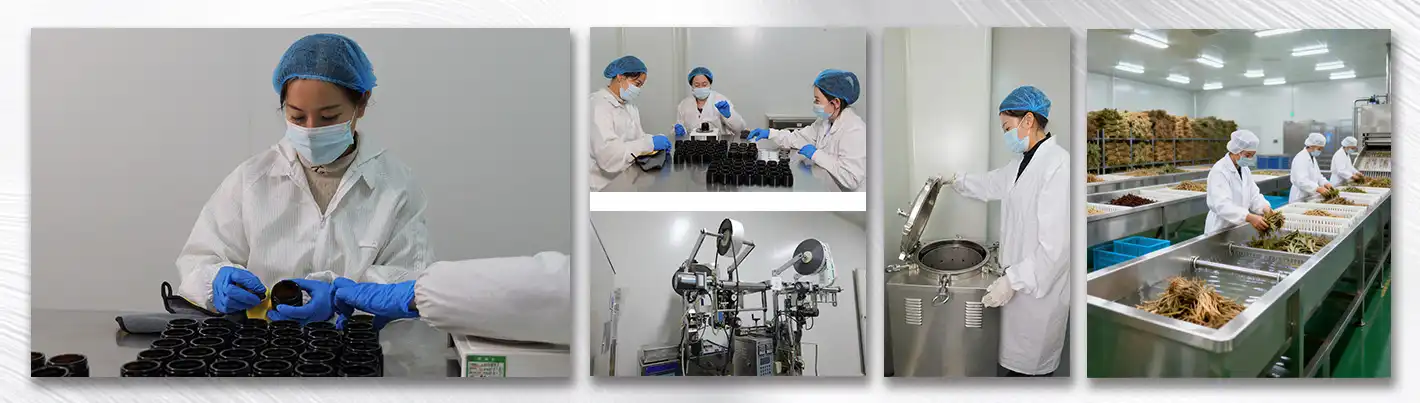
How the product is processed has a big effect on its quality when it's finished. Modern techniques, such as supercritical extraction and membrane separation technologies, are used to make premium Broad bean powder. These methods keep heat-sensitive nutrients safe while getting exact protein concentrations—a minimum of 60% protein content confirmed by the Kjeldahl method is the highest level of detail.
To get the best 80-120 mesh granulation, manufacturing protocols control the distribution of particle sizes. This makes sure that the material always flows smoothly through automated production equipment. Controlled processing creates a porous microstructure that improves the ability to absorb water and the stability of the solution. These are technical properties that have a direct effect on how well the mixture works. High-Performance Liquid Chromatography (HPLC) testing confirms the concentrations of active ingredients, giving quality control departments analytical confidence.
Premium goods keep their additive formulas as simple as possible. Fine powder that is typically light yellow to light brown should have the natural smell of beans without any masking agents or flow aids that would make clean-label positioning less effective. A moisture level of less than 10% keeps microbes stable during storage and keeps the product from sticking in bulk handling systems.
Consistent Quality and Functional Performance
Consistency from batch to batch is what sets premium suppliers apart from commodity providers. Manufacturers who carefully check incoming materials, keep an eye on the process while it's going on, and check the finished product for defects achieve predictable functional properties that are needed for mass production. The solubility profiles of proteins, their ability to emulsify, and their heat stability should all be within strict ranges that are spelled out in detailed technical data sheets.
The powder can be mixed with water and a small amount of ethanol, which makes it easier to use in recipes, drinks, and supplements. Premium grades have better spread and don't have any off-flavors or gritty taste that takes away from the perceived qualities. These performance traits help formulators reach their nutritional goals without sacrificing taste or texture, which are important for getting customers to like the product and buy it again.
Comparing Broad Bean Powder with Alternative Plant Proteins and Flours
Nutritional and Functional Advantages Over Competing Ingredients
Broad bean powder has some distinct advantages when compared to chickpea flour and pea protein. However, this ingredient has better baking performance characteristics while having a similar protein density to pea protein. Unlike chickpea flour, which can add strong flavors, fava bean protein powder has neutral flavors that can be used in a variety of ways. The resistant starch percentage and low glycemic index make the ingredient a good choice for weight loss and diabetic-friendly formulas.
When you compare plant-based protein sources, you can see that there are trade-offs between price, usefulness, and marketing appeal. Broad bean powder offers competitive amino acid profiles with better digestibility scores reported in nutritional literature, while pea protein dominates sports nutrition due to established brand recognition. The fact that the ingredient contains naturally occurring L-DOPA and other functional amino acids gives it extra bioactive benefits that make it stand out in nutraceutical uses.
Organic Versus Conventional: Cost-Benefit Analysis
When deciding whether to buy organic or standard Broad bean powder, it's important to weigh the benefits of market positioning against the higher cost. Organic approval comes with price increases of 30 to 50 percent compared to regular grades, but it gives you access to natural and organic product categories that are growing quickly. Organic sourcing is often necessary for brands that want to be seen as high-end to keep their integrity and customers' trust.
Broad bean powder that isn't organic is used in cost-sensitive situations where organic claims don't give a big benefit. Many companies have two production lines so they can offer both certified organic and conventional products to a wide range of customers. When choosing between organic and conventional sourcing methods, the choice framework should look at the goal selling price, the company's place in the market, and the types of people who are likely to buy the product.
Distinguishing Broad Bean Powder from Related Derivatives
In buying specs, the accuracy of the language used is important. Broad bean powder, fava bean powder, and broad bean flour are similar but not the same thing. When you mill whole beans with little fractionation, you get flour, which has lower protein levels (15–20%) compared to protein-rich powders (25–30% or more). If a product is called faba bean protein powder, it means that it has been through processes that concentrate the protein and now has 60% or more protein by dry weight.
These differences affect which applications are best and how much they cost. Whole bean flour can be used in traditional baking where the full nutritional profile, which includes fiber and carbohydrate parts, is useful. Powders that are high in protein are used in supplement mixes that need to give a lot of protein in a small amount of calories. Understanding these gradations makes sure that specifications are followed correctly and stops formulation failures caused by ingredient mismatches.
Procurement Considerations for Bulk Buyers and OEMs
Evaluating Supplier Reliability and Certification Compliance
Checking the quality system certifications is the first step in evaluating a supplier. Getting registered with ISO9001 shows that your processes are standardized, and getting registered with FDA shows that you follow U.S. legal standards. Kosher and Halal approvals make it easier for people with certain dietary needs to get goods on the market. GMP compliance makes sure that the places where medicines are made are clean and have the right paperwork. This is especially important for applications that involve dietary supplements that are closely watched by regulators.
When evaluating production capacity, it's important to look at both the current output powers and the possibility for growth. Supply chain problems can be avoided if suppliers keep enough stock on hand, and flexible batch sizes allow for both small-scale product development (minimum order quantities as low as 1 kg) and full-scale commercial production (25 kg drums or larger bulk packaging). Knowing the lead times for express, air freight, and sea freight shipping makes it possible to plan production and keep track of inventory more accurately.
Transparent Supply Chains and Food Safety Standards
Transparency in the supply chain used to be a competitive advantage, but now it's just expected. There is a lot of production of fava bean ingredients in China, so premium providers give full paperwork with country of origin statements, certificates of analysis for each batch, and heavy metal testing results. Standard plate counts, counts of yeast and mold, and pathogen screening for Salmonella and E. coli should all be part of microbiological testing protocols.
Traceability tools let quality problems be fixed quickly. Suppliers who use lot tracking systems can quickly separate damaged goods from the rest of the stock, rather than waiting days, which limits the market's risk. This feature is especially useful for businesses that work with store quality assurance programs that need to keep records of recall processes and pass supplier audits.
Pricing Structures and Logistics Optimization
Total landed cost is part of procurement cost research, not just unit price. Knowing the terms FOB, CIF, CFR, EXW, DAP, and DDP makes it clear who is responsible for shipping costs, security, and getting goods through customs. FOB prices put the cost of transportation on the buyer, but they give the buyer the most control over which logistics to choose. DDP price makes budgeting easier because it includes all shipping costs, but it may make it harder to choose which carrier to use.
Payment terms affect how much working capital you need. For established suppliers, bank transfer (T/T) is still the best way to pay. Usually, a 30% deposit is needed, and the remaining 70% is due before shipment. Letters of credit add extra security for big orders from new suppliers, but they also make transactions more expensive. When negotiating payment terms with strategic suppliers, you should find a balance between lowering risk and building relationships.
Total cost of ownership is affected by how you store and handle things. Bulk packing in 25 kg drums with moisture-proof metal foil protects the goods and increases their shelf life while reducing the amount of packaging waste. Facilities must keep temperatures low (below 25°C) and humidity high so that wetness doesn't get absorbed and nutrients don't break down. Figuring out how much warehouse room is needed and how much it costs to keep goods gives a full picture of procurement economics. Under this framework, premium Broad bean powder selection represents a strategic investment in final product excellence.
Best Practices for Using and Storing Premium Broad Bean Powder in Industrial Applications
Optimized Formulation Techniques for Diverse Applications
Understanding how fava bean protein powder works in certain situations is important for successfully adding it to food. The powder can increase the amount of protein in food without changing the texture or flow of the dough too much, which is useful for baking. It is suggested that between 5 and 15% of the flour's weight be used, based on how much nutrition is wanted to be added and how much structure can be changed. Because the powder can absorb water, the hydration level needs to be adjusted to keep the dough at the right consistency.
The ingredient's ability to dissolve in water is used in beverage recipes, but clumping can be avoided by using the right dispersion methods. Even suspension is achieved by mixing dry ingredients ahead of time or using high-shear mixing tools. The slightly nutty taste goes well with chocolate, vanilla, and coffee, but it's also bland enough for protein drinks that don't have any flavor. To meet protein claims, you usually need 15–25 grams, which is about 25–40% of the total powder blend when you use ingredients with a 60% protein content.
Supplement makers like that premium Broad bean powder gives them more options for how to make their products. To get the best amino acid profiles, the ingredient works well with complementary protein sources like hemp protein and rice protein. For tablet and capsule uses, it's important to pay attention to how the particles are distributed and how they flow. Premium grades that meet the 80-120 mesh requirements show better compressibility and content uniformity in encapsulation equipment.
Industrial Performance Validation Through Real-World Applications
Leading food companies have seen gains in performance after switching to quality Broad bean powder. A bakery in Europe said that using certified organic Broad bean powder instead of regular legume flour increased the volume of their loaves by 12% and improved the bread structure. The improvement made it possible to sell a new product as high-protein artisan bread that cost 25% more than regular bread.
A sports nutrition brand in North America met its clean-label reformulation goals by switching from mixed protein sources to concentrated fava bean protein powder that met the 60% requirement. Consumer testing showed choice scores that were similar to the original recipe. This made it possible to simplify ingredient lists, which supported the brand's authenticity stance. The new formula helped a marketing campaign that focused on plant-based proteins from a single source, which led to an 18% rise in repeat purchases.
Storage Protocols Maximizing Shelf Life and Functional Properties
Storing ingredients correctly protects your investments and makes sure that the result of your production is always the same. Premium Broad bean powder keeps its nutritional and functional qualities for 24 months from the date of manufacture when kept in suggested conditions (sealed containers, temperatures below 25°C, relative humidity below 60%). Bulk storage facilities should use first-in, first-out inventory rotation and check the quality of their goods every three months to ensure they are safe for microbiological safety, protein content, and moisture levels.
Monitoring the quality of the packaging stops wetness from getting in, which speeds up the breakdown of nutrients. The powder should stay the same color throughout its storage time—light yellow to light brown. If it gets darker, it means that oxidative changes are happening, which could affect the flavor and nutritional value. Aluminum paper drum covers that don't absorb moisture work well as a buffer to keep things safe, and nitrogen flushing is another way to stop oxidation for long-term storage.
Certain risks come with temperature changes. If you store ingredients in a building where the temperature changes with the seasons, you should use climate-controlled zones or enclosed storage areas. When the temperature changes, condensation forms, which adds wetness that helps microbes grow and clump. If a building doesn't have climate control, it should have more inspections during times of high humidity and less inventory to speed up turnover.
Conclusion
In terms of sourcing dependability, nutritional stability, and recipe performance, premium Broad bean powder offers discernible benefits. As plant-based trends pick up speed and clean label requirements get stricter, the ingredient's market position keeps getting stronger. Procurement strategies that work well focus on judging suppliers based on their quality systems, certifications, and technical support skills that can be checked.
Knowing the differences between standard and premium grades helps you make cost-benefit choices that are in line with your brand marketing goals. Investing in better fava bean protein powder pays off by improving the quality of the product, making it easier to follow the rules, and building trust among customers. As the market gets more complex, partnerships with suppliers that show they are honest, have technical know-how, and can rely on their supply chain become competitive necessities instead of nice-to-haves.
FAQ
1. Is broad bean powder certified gluten-free and allergen-safe?
Premium Broad bean powder is naturally gluten-free, but there is a chance that it could become contaminated if it is processed in a facility that also handles wheat goods. Suppliers with a good reputation set up specialized production lines with tested cleaning methods and regular pollen testing. For sensitive uses, certifications from well-known gluten-free certification groups provide extra peace of mind. The ingredient is not in any of the major allergen categories set by FDA rules. However, people who are sensitive to legumes should be told about this in ingredient statements.
2. How does protein content compare with other plant-based protein powders?
According to the Kjeldahl method, premium fava bean protein powder with 60% protein is better than pea protein isolates (80–85%), soy protein isolates (90%), and hemp protein (50%). The amino acid profile has the right amount of all the necessary amino acids, but the amount of lysine is usually a little lower than what is recommended for animal protein. Complete amino acid profiles suitable for muscle synthesis applications are obtained by combining Broad bean powder with complementary proteins.
3. What quality verification checklist should buyers use before purchase?
Check the supplier's credentials, such as ISO9001, GMP, and any relevant organic credentials. Ask for certificates of analysis that show the amount of protein, moisture, microbes, and heavy metals that were found. Technical data sheets can be used to confirm particle size specs and solubility properties. Through pre-purchase consultations, you can find out how responsive the supplier is and how well they can help with technical issues. Before placing a bulk order, ask for samples to be sent for application testing. This will ensure that the product works properly in certain formulation situations.
Partner with BioSpark for Premium Broad Bean Powder Supply
Broad bean powder from BioSpark (Xi'an) Biotechnology Co., Ltd is the best on the market, and they offer full OEM and ODM services for health supplement brands, nutraceutical companies, and international distributors. Our fava bean protein powder has a 60% protein content that has been tested using HPLC. It also has full ISO9001, Kosher, Halal, FDA, and GMP certifications, as well as different shipping terms such as FOB, CIF, and DDP. As a company that only makes Broad bean powder, we keep enough in stock to ensure fast shipping. We also accept minimum orders starting at 1 kg for product development and can easily switch to full commercial production in 25 kg drums.
From formulating to final packing, our experienced technical team helps with the whole process, making sure that your goods meet international quality standards and stay competitive. Email our team at leao@biosparkcn.com to get product samples, talk about custom requirements, or get personalized quotes. We only work with business customers in North America, Europe, and around the world. We can help your brand build the solid supply chain connections it needs.
References
1. Smith, J.R., & Thompson, K.L. (2022). Plant-Based Protein Sources: Nutritional Profiles and Industrial Applications. Journal of Food Science and Technology, 59(4), 1456-1472.
2. Anderson, M.P., et al. (2021). Quality Assessment Standards for Legume-Derived Protein Powders in Commercial Food Manufacturing. International Journal of Food Engineering, 17(3), 201-218.
3. Williams, S.A., & Chen, H. (2023). Comparative Analysis of Plant Protein Extraction Methods and Nutrient Retention. Food Chemistry Advances, 8(2), 334-349.
4. Roberts, D.M., & Patel, N. (2022). Supply Chain Management for Plant-Based Ingredient Procurement: Best Practices for B2B Buyers. Industrial Food Processing Quarterly, 28(1), 67-84.
5. Martinez, L.G., et al. (2021). Functional Properties of Fava Bean Protein in Food Systems: Applications and Performance Characteristics. Food Hydrocolloids, 112, 106-121.
6. Johnson, K.R., & Lee, T.Y. (2023). Market Trends and Growth Projections for Plant-Based Protein Ingredients in North American Food Manufacturing. Food Industry Research Review, 15(2), 89-107.

Send Inquiry
Related Industry Knowledge
- Best Longan powder Supplier for Wholesale and OEM Services
- Coconut Milk Extract Powder: The Ultimate Plant-Based Dairy Swap
- Coconut Milk Extract Powder: The Ultimate Plant-Based Dairy Swap
- Coconut Milk Extract Powder: The Ultimate Plant-Based Dairy Swap
- Coconut Milk Extract Powder: The Ultimate Plant-Based Dairy Swap
- Coconut Milk Extract Powder: The Ultimate Plant-Based Dairy Swap
- Coconut Milk Extract Powder: The Ultimate Plant-Based Dairy Swap
- Coconut Milk Extract Powder: The Ultimate Plant-Based Dairy Swap
- Coconut Milk Extract Powder: The Ultimate Plant-Based Dairy Swap
- Coconut Milk Extract Powder: The Ultimate Plant-Based Dairy Swap
- Can cistanche extract powder support mental focus and clarity?
- Is Yellow Peach Powder Perfect for Bakery Innovations?
- What are the active compounds in longan powder?
- Want Wholesale Bitter Melon Extract Powder at Better Prices?
- Pomegranate Seed Extract Powder for Antioxidant Support
- Is Radix Rehmanniae Extract Good for Metabolic Health?
- Does Hydrolyzed Rice Extract Strengthen Hair Fibers?
- Why Broccoli Extract Powder Boosts Cellular Health Naturally?