_1764041963888.webp)
Pomegranate Seed Extract Powder for Antioxidant Support
Apr 18, 2026
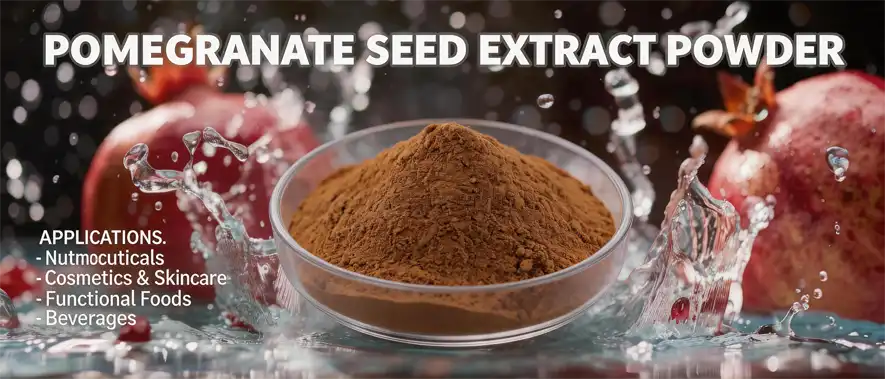
Pomegranate seed extract powder comes from the seeds of the Punica granatum L. plant and is a highly concentrated botanical product. Its high polyphenolic profile makes it a great antioxidant. This high-quality ingredient blends old plant knowledge with modern extraction technology. It provides health supplement brands, nutrition companies, and OEM/ODM partners with a safe way to create new formulas. This extract powder is standardised to have high levels of punicic acid, ellagic acid, and anthocyanins. It meets the strict quality standards needed by foreign markets and meets the growing demand for natural, science-backed health ingredients.
Understanding Pomegranate Seed Extract Powder and Its Antioxidant Benefits
Understanding what makes seed extract different from other pomegranate products is the first step in making a good buy. Seed-derived powder has a special set of beneficial compounds that make it useful for specific health purposes, unlike peel extracts or juice concentrates.
The Biochemical Composition That Drives Value
There is a group of beneficial chemicals in pomegranate seed extract powder that work well together to provide full antioxidant defence. Some of the main active ingredients are ellagic acid derivatives, anthocyanins, and punicic acid, which is a rare omega-5 conjugated linolenic acid that makes up up to 70% of the fatty acid makeup. The ORAC values of these substances are much higher than those of regular antioxidants, showing that they are very good at getting rid of free radicals. It is specifically punicic acid that helps manage inflammatory responses and protect cell membranes, while ellagic acid protect DNA integrity and support cellular health. Additionally, the anthocyanin content supports cardiovascular health and helps modulate the body’s normal inflammatory response. Because it has so many phytochemicals, seed extract is very useful for formulas that aim to fight oxidative stress, support healthy ageing, and improve digestive health.
Differentiation from Peel and Juice Extracts
Knowing the differences between materials helps sourcing experts choose the right parts for each product goal. The peels of pomegranates have higher amounts of hydrolysable tannins like punicalagin. This means that they can be used in situations that need astringent properties. While juice concentrates do contain polyphenols that dissolve in water, they do not contain the concentrated omega fatty acids that are found in seed products. The seed extract powder makes lipid-soluble nutrients more bioavailable and makes products more stable when they are heated or exposed to oxygen. This stable trait stops decline during production, so finished goods stay effective for as long as they're stored. The seed powder works well with both hydrophilic and lipophilic delivery methods, which is especially helpful for B2B clients who are making capsule supplements or beauty emulsions.
Clinical Evidence Supporting Antioxidant Claims
Scientific approval helps finished goods do better in the market and follow the rules set by regulators. Studies that have been published in reputable journals show that chemicals in pomegranate seed extract can successfully neutralise reactive oxygen species and protect cell parts from oxidative stress. helps maintain already healthy lipid levels and arterial function in studies that look at cardiovascular health uses. Dermatological studies show that the product can help support collagen production and protect skin cells from oxidative stress caused by UV exposure. These benefits, based on proof, help B2B clients make goods with claims that can be backed up that appeal to health-conscious customers and meet regulations in many places. More and more clinical evidence also backs up claims of effectiveness for sports nutrition, since reducing oxidative stress supports post-exercise recovery and performance.
How Pomegranate Seed Extract Powder Is Made and Quality Considerations
Manufacturing methodology directly impacts ingredient quality, stability, and ultimate product performance. Understanding production processes enables informed supplier evaluation and quality verification.
Advanced Extraction Technologies Preserving Bioactivity
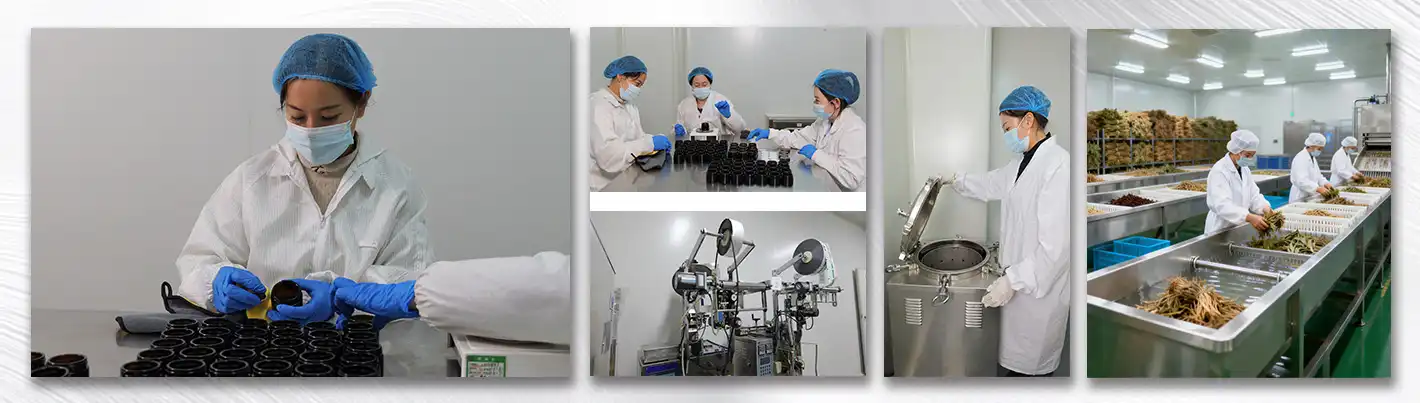
Supercritical CO2 extraction technology is used in high-quality pomegranate seed extract powder. This technology works at controlled temperatures and pressures to separate bioactive substances without using chemical agents. The heat-sensitive nutrients that would be destroyed by regular solvent extraction are kept intact by this method. For example, punicic acid and anthocyanins are not changed. The pressure, temperature, and length of time used for extraction are carefully adjusted to get the most goal chemicals out of the mixture while leaving out any unwanted ones. After the concentrated extract is extracted, it is turned into a steady powder with very little water content, usually less than 5%. This low wetness requirement stops microbes from growing and increases shelf life, which lowers the chance that the product will go bad while it's being stored or shipped. The fine powder that is made has great flowability, which is important for automatic manufacturing processes like sealing lines and mixing operations in functional food production.

Quality Indicators That Matter for Industrial Applications
Teams in charge of buying things need to make sure that the specs they use are clear and match their formulation needs and quality control systems. The percentage of active polyphenols is confirmed by HPLC testing, and the top types are usually standardised to have 40% total polyphenolic content. For batch-to-batch uniformity, you need tested testing methods and stable data that show the drug stays effective under different store conditions. Heavy metals, herbicide residues, microbial limits, and fungal screens should all be included in contaminant testing methods. This is especially important for foods that come from farms. Traceability paperwork that links lots of source materials to finished powder lets you respond quickly to quality problems and helps with regulatory checks. Certificates of Analysis should include not only the amounts of active compounds, but also information about their physical properties, such as how the particle sizes are spread out, which can change how quickly they dissolve and how the mixture acts. For business-to-business clients that sell to organic markets or want to promote clean labels, organic approval and proof of non-GMO sources become important buying factors that allow higher prices.
Regulatory Compliance and Certification Standards
To get into international markets, you have to follow a lot of different rules about health products and food ingredients. Getting ISO 22000 approval shows that food safety management systems are used throughout the whole production process. GMP compliance makes sure that the places where medicines are made meet the high standards for preventing contamination and confirming the process. Novel Food laws need to be carefully looked at by clients who want to sell their products in Europe. U.S. sellers should ensure their products comply with FDA regulations, including applicable GRAS or NDI frameworks. The HACCP paperwork lists the important control points during production, which gives you peace of mind that any possible dangers are handled in a planned way. With Kosher and Halal approvals, the market can reach more people who have to follow religious food rules. These licenses are more than just paperwork; they show how well a supplier organisation can do its job and how serious it is about quality. B2B buyers should use independent checks to make sure the certification is real and ask for proof of recertification every year as part of their ongoing seller approval processes.
Comparing Pomegranate Seed Extract Powder with Other Forms and Brands
Material selection impacts formulation success, cost structures, and competitive positioning. Comprehensive comparison enables strategic sourcing decisions aligned with business objectives.
Powder Versus Oil and Capsule Formats
Different shapes are used for different production tasks and final uses. Pomegranate seed oil is a liquid form of concentrated omega-5 fatty acids that can be directly added to soft gel capsules or beauty serums, but it needs to be handled in a certain way to keep it from going bad. The oil form costs more than the powder form because it has lower yields and less shelf life. Capsule goods are convenient for end users, but they come with big price increases and make it harder for B2B companies to make their own mixes. Powder extract is very flexible and can be used to make exact doses for pill compression, liquid mixing, and the development of skin formulations. The powder format allows for higher loading levels in finished goods and stays stable over a wider range of temperatures while being stored and shipped. Bulk makers don't have to buy as much specialised equipment to handle powder as they do liquids. This means they don't have to spend as much money on equipment, and their operations are simpler. When looking at cost-effectiveness, powder forms are usually the best way to give active ingredients per dose, especially for big production runs of more than 10,000 pieces.
Brand Evaluation Criteria for Supplier Selection
To build solid source relationships, you need to do more than just compare prices at first. In the nutrition business, reputation is one of the first signs of trustworthiness. This can be confirmed through industry references and customer reviews. Production capacity tells you if your providers can grow with your business. This is especially important for startups that expect their markets to grow quickly. The ability to provide technical help is what sets strategic partners apart from basic sellers. Having access to formulation scientists and stability testing tools speeds up the product development process. Minimum order quantity flexibility affects working capital needs and inventory management. For example, some sellers allow small test runs before committing to large purchases. Supply chain integrity is improved by being open about how goods are sourced and being ready to let facilities be audited. Private label and white label services help brands get into the market faster when they don't have their own production infrastructure. However, these deals need clear intellectual property agreements to protect recipe secrecy. Delivery dependability, shown by measures for on-time shipments and effective contact during supply delays, is what decides whether supplier ties help or hurt business operations.
Geographic Sourcing Considerations
The place of origin affects both the quality of the product and how well it can be shipped. Growing pomegranates is mostly done in conditions that are similar to those in the Mediterranean. Iran, India, and some parts of the United States produce large amounts of them for sale. Different climates change the phytochemical makeup of plant material. For example, seeds grown in some areas have higher levels of punicic acid. Being close to extraction facilities shortens the time between harvesting and processing, which keeps sensitive chemicals from breaking down too quickly. For buyers in North America, buying from within the country makes following the rules easier and cuts down on wait times. However, buying from outside the country may be cheaper, which would make up for the longer shipping times. Supply continuity is affected by the political security of the areas where goods are sourced. Spreading your supplies across multiple geographic sources lowers the risks of breakdowns in one region. Tariffs and import taxes are different depending on the place of origin, which changes the total landing costs above FOB prices. Fair labour standards and environmental impact assessments are examples of sustainable sourcing practices that are having a bigger impact on brand image and how customers see a brand. This is why seller checks of farming practices are an important part of buying due diligence.
Practical Applications and Usage Guidelines for B2B Clients
Successful product development requires understanding how to incorporate pomegranate seed extract powder effectively within various formulation contexts and market segments.
Dietary Supplement Formulations and Dosing Parameters
Pomegranate seed extract powder is mostly used in encapsulated supplements, where daily doses can be anywhere from 200 mg to 500 mg, based on the health claims that are wanted and the type of people who will be buying the supplements. Cardiovascular support formulas often mix the extract with CoQ10 or omega-3 fatty acids to make blends that work better together to help the heart in more than one way. Anti-ageing products combine the extract with resveratrol, collagen peptides, or hyaluronic acid to help protect cells and keep tissues healthy. When you crush a tablet, you need to pay attention to how the powder flows and what substances hold it together. In goods that focus on strength, the extract makes up 15 to 30 per cent of the total mixture weight. There are vegetarian pill choices that are stable enough to be used instead of gelatin for people who want to stick to clean labels. According to ICH standards, stability testing shows that medicines stay effective for 24 months if they are stored properly in cases that keep moisture out. Some formulators add phospholipid complexes or black pepper extract to help the body absorb the fat-soluble parts of the seed extract better so that it works as well as possible.
Functional Food and Beverage Integration
Putting plant products into food matrices is hard to do technically and requires special knowledge in preparation. Pomegranate seed extract powder dissolves well in slightly acidic drinking systems with pH levels between 3.0 and 4.0. It stays stable without precipitating during UHT processing or long-term keeping on the shelf. Depending on how much of an effect on flavour you don't mind and how many antioxidants you want in each serve, the recommended inclusion rates for healthy liquids are between 0.5% and 3%. Adding the extract to yoghurt makes it look better, and the natural colour goes well with fruit-based foods while also adding a lot of nutrition. Protein bars and energy bites use the powder at amounts between 1% and 2%, which adds antioxidant claims without changing the texture or taste. Because baking is sensitive to heat, handling temperatures must not go below 180°C to protect biological integrity. Using lecithin or modified starches for emulsification makes oil-based goods like salad sauces and healthy nut spreads spread better. Sensory evaluation during product creation finds the best levels of inclusion that balance health benefits with customer acceptance, keeping in mind that high amounts may contribute mild bitter notes that may affect taste profile.
Cosmetic and Personal Care Applications
The extract's protective and rejuvenating properties are used in skin care products to make high-end anti-ageing lines. Most facial serums have an extract concentration of 1% to 3%. This gives the face concentrated antioxidant activity while the natural dark tint makes the product look better. Higher inclusion rates of up to 5% can be used in creams, especially night creams that focus on repairing cells while you sleep. Punicic acid helps the skin's barrier function and helps reduce transepidermal water loss. This makes the chemical useful for moisturising goods for dry or older skin. UV protection products mix the extract with regular sunscreen ingredients. Studies show that this helps enhance photoprotective properties by working with antioxidants in different ways. The extract is added to high-end shampoos and leave-in products at amounts ranging from 0.5 to 2% to improve the health of the skin and hair follicles. To keep microbial safety throughout a product's shelf life, stability in emulsion systems needs careful pH adjustments and the right choice of preservatives. when clinical tests show measurable improvements in skin smoothness, elasticity and radiance, it supports marketing for premium placement and allows for higher retail prices.
Procurement Strategies and Market Insights for Pomegranate Seed Extract Powder
Strategic sourcing optimises cost structures while ensuring supply reliability essential for maintaining production schedules and market commitments.
Sourcing Channels and Supplier Discovery
There are several ways for business-to-business buyers to get pomegranate seed extract powder, and each has its own benefits. Direct relationships with manufacturers offer the best prices and the most openness about how products are made, but they usually come with higher minimum order numbers and longer wait times. Regional wholesalers keep stock on hand so that customers can buy less and get it faster. In exchange for this ease, they are willing to lower their profit margins. Online business-to-business (B2B) platforms connect buyers with global suppliers. This makes it easier to compare prices and gives buyers more choices outside of established networks, but buyers need to do more research on the qualifications of the suppliers they use. Trade shows and industry gatherings give you the chance to evaluate suppliers in person, which is especially helpful when you are just starting to work with them or doing facility checks. Industry groups keep lists of their members and often help approved sellers meet with qualified buyers. For important ingredients that affect how well a product works, building relationships with more than one approved provider provides supply duplication. This protects against problems with manufacturing or limited capacity at individual facilities.
Price Analysis and Total Cost Considerations
Quoted prices change a lot depending on the standard requirements, the number of orders, and where the seller stands in the market. Standardised, non-organic pomegranate seed extract powder usually costs between $45 and $75 per kilogram in bulk, while organically approved material costs 30 to 50 per cent more than regular stuff. Premium extracts that are processed with supercritical CO2 and come with full testing records can cost up to $120 per kilogram. This is because they are more bioavailable and meet strict quality standards. When you buy 100 kg, 500 kg, or 1000 kg, you usually get a volume deal. Compared to buying less, you can save 10 to 25 per cent. Total cost analysis looks at more than just unit prices. It also looks at freight costs, which can be very different depending on where the source is located and how the goods are shipped. Shipping by water costs $2–$4 per kilogram and takes 6–8 weeks. Shipping by air from overseas sources costs $8–$15 per kilogram but cuts wait times to 1-2 weeks. The total settled price is affected by extra costs like customs taxes, storage fees, and quality testing fees. There are different payment terms, such as prepayment savings and net-60 terms for long-term users, which affect how much operating capital is needed. Long-term supply agreements often get better prices in return for promises to buy a certain amount. This makes budgeting easier, but might make it harder to take advantage of chances on the spot market.
Building Effective Supplier Relationships
The success of sustainable buying relies on relationships that go beyond simple transactions. Clear sharing of quality goals from the start of talks avoids confusion and sets standards for performance that guide ongoing supply. Suppliers can better meet your production needs by allocating resources through regular review meetings where predictions, capacity planning, and possible recipe changes are discussed. Suppliers can make smart investments in capacity development and raw material buying when you are open about your business's growth and product flow. Paying on time and according to the terms agreed upon builds trust and often leads to better care when supplies are limited. Giving helpful comments on orders, including both praise and ways to improve, shows that you are involved and want everyone to succeed. Site visits to source sites give you information about their working skills and quality culture that you can't get from paperwork alone. These meetings also show that you are serious and have a long-term view, which makes providers more likely to put your account first. Negotiation methods that focus on creating shared value instead of taking costs from each other build relationships that can withstand the ups and downs of the market and supply problems that always happen in global product markets.
Conclusion
A dense mix of punicic acid, ellagic acid, and anthocyanins in pomegranate seed extract powder makes it a great antioxidant. This makes it a key ingredient for health supplement brands, nutrition businesses, and OEM/ODM partners. Knowing the molecular differences between juice, peel, and seed oils helps you make smart choices about where to get ingredients that will help you reach your recipe goals. Quality issues that include the way the ingredients are extracted, how they are tested for consistency, and following the rules make sure that the ingredients are pure and the end product works well. Comparative study of physical forms, source skills, and regional buying helps keep supply reliability while optimising cost structures. Practical application rules in the supplement, healthy food, and cosmetics industries help make new products and stand out in the market. B2B buyers can gain a long-term competitive edge in the health market by focusing on strategic buying practices like building relationships with suppliers, analysing total costs, and checking quality.
FAQ
What distinguishes seed extract from peel extract?
Seed extract contains higher concentrations of punicic acid and omega-5 fatty acids, providing lipid-soluble antioxidants particularly valuable for cardiovascular and dermatological applications. Peel extract offers greater levels of hydrolyzable tannins like punicalagin, suited for formulations requiring astringent properties.
How can buyers verify antioxidant potency?
Request Certificates of Analysis documenting ORAC values and HPLC confirmation of polyphenolic standardisation. Third-party laboratory verification provides independent validation of supplier claims and ensures batch consistency, meeting your specifications.
Does the extract comply with international regulations?
Quality suppliers provide documentation confirming compliance with relevant frameworks, including FDA regulations for dietary supplements, EU Novel Food requirements, and certifications like GMP, ISO 22000, and organic standards. Verify these credentials through independent verification.
What minimum order quantities should buyers expect?
MOQs vary by supplier, typically ranging from 25kg to 500kg for initial orders. Established relationships often enable smaller quantities, while large-scale contracts exceeding 1000kg unlock volume pricing advantages.
Partner with BioSpark: Your Trusted Pomegranate Seed Extract Powder Supplier
BioSpark (Xi'an) Biotechnology Co., Ltd specializes in manufacturing premium pomegranate seed extract powder for global health supplement brands and nutraceutical companies. Our advanced supercritical CO2 extraction technology preserves bioactive compounds, delivering standardised powder with ≥40% polyphenols, ≥70% punicic acid, and ≥5% ellagic acid. We provide comprehensive OEM/ODM support from formulation development through final packaging, with flexible production capacity accommodating orders from 25kg trial batches to multi-ton supply agreements. Our ISO-certified facilities ensure strict quality control and regulatory compliance for international markets. Every batch undergoes rigorous testing with full traceability documentation, providing the reliable supply chain stability your business demands. Contact our procurement specialists at sales@biosparkcn.com to request samples, discuss your formulation requirements, and discover how BioSpark's expertise as a leading pomegranate seed extract powder manufacturer enhances your product portfolio with scientifically validated antioxidant support ingredients.
References
1. Aruna P, Venkataramanamma D, Singh AK, Singh RP. Health benefits of punicic acid: A review. Comprehensive Reviews in Food Science and Food Safety. 2016;15(1):16-27.
2. Johanningsmeier SD, Harris GK. Pomegranate as a functional food and nutraceutical source. Annual Review of Food Science and Technology. 2011;2:181-201.
3. Kelawala NS, Ananthanarayan L. Antioxidant activity of pomegranate seed powder and pulp extract. International Journal of Food Science and Technology. 2014;49(4):1031-1037.
4. Malik A, Afaq F, Sarfaraz S, Adhami VM, Syed DN, Mukhtar H. Pomegranate fruit extract for supports cellular health in normal prostate tissue of prostate cancer. Proceedings of the National Academy of Sciences. 2005;102(41):14813-14818.
5. Schubert SY, Lansky EP, Neeman I. Antioxidant and eicosanoid enzyme inhibition properties of pomegranate seed oil and fermented juice flavonoids. Journal of Ethnopharmacology. 1999;66(1):11-17.
6. Vroegrijk IO, van Diepen JA, van den Berg S, Westbroek I, Keizer H, Gambelli L, Hontecillas R, Bassaganya-Riera J, Zondag GC, Romijn JA, Gudde J. Pomegranate seed oil improves insulin resistance in obese rats. Nutrition and Metabolism. 2011;8(1):24-35.

Send Inquiry

Related Industry Knowledge
- Pomegranate Seed Extract Powder for Hormonal Balance: Effective?
- What Are the Key Benefits of Pomegranate Seed Extract Powder?
- Should You Try Garcinia Cambogia Extract for Fat Control?
- How Chamomile Extract Supports Stress and Anxiety Relief?
- Inositol Pearl Extract for Mood and Emotional Support
- Hydrolyzed Rice Extract Benefits for Skin & Hair Care
- Why Indian Herbal Extracts Lead in Adaptogenic Blends?
- Can Ganoderma Extract Powder Reduce Inflammation?
- Can Ginseng Plant Extract Enhance Energy Naturally?
- Top Uses of Oyster Shell Extract Powder in Nutraceuticals